
Paper Towels to Plant Power: Composting Unbleached, Chemical-Free!
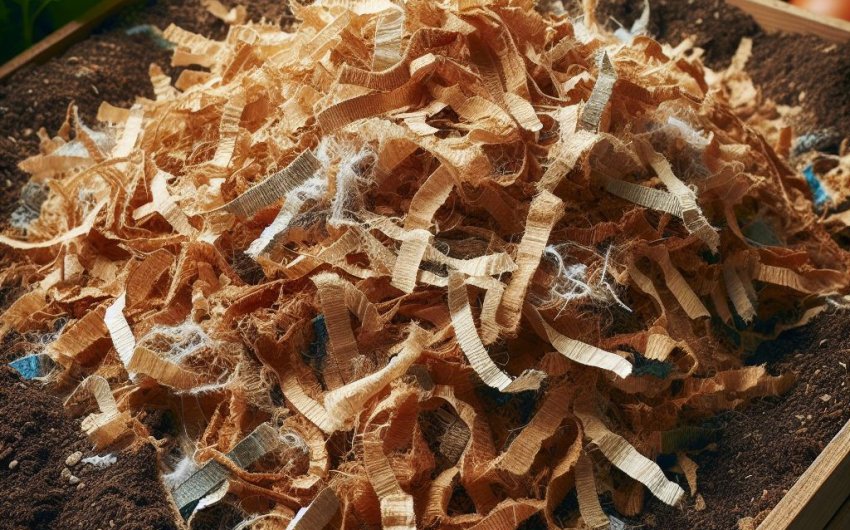
We all use paper towels in our daily lives. From wiping up spills to drying hands, they're incredibly convenient. But what happens to them after just one use? Most often, they end up in the trash, heading straight to a landfill. This creates a lot of waste. If you're someone who loves to compost and reduce your environmental footprint, you might wonder: can I compost paper towels? The answer is a resounding yes, but with some important conditions! Turning your used paper towels into rich, plant power for your garden is a fantastic way to close the loop on waste.
Why Should You Consider Composting Paper Towels?
Beyond just reducing trash, there are several great reasons to add certain types of paper towels to your compost pile.
How Do Paper Towels Help Your Compost?
Paper towels are considered a "brown" material in composting. This means they are rich in carbon, which is an essential element for healthy compost.
- Carbon Source: A balanced compost pile needs a good mix of "greens" (nitrogen-rich, like food scraps and grass clippings) and "browns" (carbon-rich, like dry leaves and paper). Paper towels provide that much-needed carbon.
- Aeration: When shredded or torn, paper towels can add bulk and create air pockets in your pile. This helps with aeration, which is crucial for preventing stinky, anaerobic conditions.
- Moisture Absorption: They can absorb excess moisture from wetter "green" materials, helping to prevent your pile from becoming too soggy. This can be especially helpful if you add a lot of juicy fruit or vegetable scraps.
How Does Composting Reduce Waste?
Every paper towel you compost is one less paper towel in a landfill.
- Landfill Space: Landfills are filling up, and anything we can divert from them is a win for the environment.
- Methane Gas: When organic materials like paper towels break down in a landfill without oxygen, they produce methane, a powerful greenhouse gas that contributes to climate change. Composting breaks down organic matter with oxygen, producing carbon dioxide (a less harmful greenhouse gas) and valuable compost.
Is It a Sustainable Choice?
Using paper towels might seem like an inherently unsustainable choice compared to reusable cloths. However, if you're already using them, composting them turns a waste product into a resource. It's a step towards more sustainable living. By choosing the right kind of paper towel and composting it, you minimize its environmental impact.
What Kind of Paper Towels Can Be Composted?
This is the most critical question! Not all paper towels are created equal when it comes to composting. You need to be very careful about what you're adding to your precious compost pile.
Why Unbleached and Chemical-Free Are Key?
The golden rule for composting paper towels is that they must be unbleached and chemical-free.
- Bleaching Agents: Many conventional paper towels are bleached white using chlorine-based chemicals. These chemicals can be harmful to the beneficial microorganisms in your compost pile. They can also leave unwanted residues in your finished compost, which you'll then be adding to your garden. You don't want to introduce potentially toxic substances to your soil.
- Dyes and Inks: Some paper towels have patterns or colors. These dyes and inks often contain heavy metals or other chemicals that are not safe for composting.
- Fragrances: Scented paper towels contain artificial fragrances that can harm microbes and add unnecessary chemicals to your compost.
- Added Softeners/Lotion: Some premium paper towels have added softeners or lotions. These additives can slow down decomposition and introduce unwanted substances.
What to Look For When Buying Compostable Paper Towels?
To make sure your paper towels are compost-friendly, look for specific labels and features:
- "Unbleached": This is the most important term. Unbleached paper towels are usually brown or a natural cream color, not bright white.
- "Recycled Content": Many unbleached paper towels are also made from recycled paper, which is an even better choice for the environment. However, ensure the recycling process didn't use harsh chemicals that remain in the final product.
- "Chemical-Free" or "No Added Dyes/Fragrances": While harder to find explicitly stated, opting for plain, unbleached products usually ensures this.
- "Compostable" Certification: Some brands might have specific certifications for compostability (e.g., BPI certification). This is a strong indicator that they are safe.
- Examples: Brands like Seventh Generation Unbleached Paper Towels or Who Gives A Crap Paper Towels are generally good choices, but always check the specific product's details.
What About Paper Towels with Food or Cleaning Product Residue?
This is where it gets tricky and often becomes a "no" for composting.
- Food Residue: If the paper towel was used to wipe up plain water, coffee, juice, or vegetable scraps, it's generally fine. However, if it was used for meat fats, dairy products, oils, or large amounts of sugary residue, it's best to avoid composting. These can attract pests, create bad odors, and slow down decomposition in a home compost pile. (For more info on meat/dairy, see my other post "Can I Compost Dairy Products, Meat, and Bones?")
- Cleaning Product Residue: Absolutely DO NOT compost paper towels used with cleaning products (e.g., window cleaner, disinfectant, bleach, harsh soaps). These chemicals will kill the beneficial microbes in your compost pile, stopping the decomposition process. They can also introduce harmful substances to your finished compost, which could then harm your plants or the soil ecosystem.
In summary: Only compost unbleached, chemical-free paper towels used for simple, plant-based or water-based messes.
How Do You Prepare Paper Towels for Composting?
Once you've got the right kind of paper towels, a little preparation goes a long way to help them break down efficiently in your compost pile.
Why Shred or Tear Them?
Whole paper towels can become matted and prevent airflow, slowing down decomposition.
- Increase Surface Area: Tearing or shredding the paper towels into smaller pieces (aim for 1-2 inch squares or strips) increases their surface area. This gives the compost microbes more places to work their magic, speeding up the breakdown process.
- Prevent Matting: Larger pieces of paper can stick together and create dense layers that block air and water flow. Smaller pieces mix more easily with other materials, promoting better aeration.
- Methods: You can tear them by hand, use scissors, or even a paper shredder if you have one.
How Much is Too Much?
While paper towels are a good carbon source, they shouldn't be the main component of your compost pile.
- Balance is Key: Remember the "greens" and "browns" balance. Paper towels are "browns." Aim for a ratio of roughly 2-3 parts "browns" to 1 part "greens" by volume.
- Vary Your Browns: Don't just rely on paper towels for your "browns." Mix them with dry leaves, shredded cardboard, straw, wood chips, and other carbon-rich materials to create a diverse and healthy pile.
- Small Amounts Daily: It's generally better to add small amounts of torn paper towels regularly rather than a huge batch all at once. This helps them integrate better into the pile.
How to Mix Them into the Pile?
Don't just toss them on top!
- Layering: When adding paper towels, try to layer them with "green" materials (like kitchen scraps). For example, add a layer of food scraps, then a layer of torn paper towels, then perhaps some grass clippings.
- Burying: Bury the paper towels deeper within the pile, especially if they are slightly damp or have any food residue (even safe ones). This helps prevent them from flying away on windy days and keeps any potential odors (though unlikely with proper paper towels) contained.
- Turning: Regular turning of your compost pile will mix the paper towels throughout, ensuring even decomposition.
What Are the Benefits of Adding Paper Towels to Your Compost?
Beyond the environmental advantages, including paper towels can actually improve the quality of your finished compost.
Do They Improve Compost Structure?
Yes! The fibrous nature of paper towels helps create a better physical structure for your compost.
- Looseness: They add bulk and prevent the compost from becoming too dense and compacted. This makes the finished compost light and fluffy, which is ideal for mixing into garden soil.
- Water Retention: While promoting drainage, they also hold onto a good amount of moisture, acting like tiny sponges within the pile. This helps keep the overall moisture level balanced, which is important for microbial activity.
Do They Help with Odor Control?
When your compost pile starts to smell bad (often like rotten eggs), it's usually a sign of too much "green" material and not enough "browns" or aeration.
- Carbon Balance: Adding paper towels (browns) helps balance the "greens," preventing those stinky anaerobic conditions.
- Absorb Excess Moisture: If your "greens" are very wet, paper towels can soak up some of that excess moisture, further reducing the risk of bad odors.
Do They Accelerate Decomposition?
By adding carbon, improving aeration, and helping to balance moisture, paper towels contribute to a faster and more efficient composting process.
- Microbe Habitat: The improved structure and moisture balance create a better environment for the microbes that do all the hard work of breaking down organic matter.
- Consistent Heat: In a well-balanced pile, the microbes generate heat, which speeds up decomposition. Paper towels help maintain that balance.
Is the Finished Compost Safe for Plants?
When you only compost unbleached, chemical-free paper towels that were used for safe messes, the finished compost will be perfectly safe and beneficial for your plants.
- Nutrient Cycling: The carbon in the paper towels breaks down and becomes part of the rich, dark humus that improves soil structure, water retention, and nutrient availability for your plants.
- No Harmful Residues: By avoiding chemicals and dyes, you ensure that your compost remains pure and healthy for your garden.
Common Concerns and FAQs About Composting Paper Towels
Let's address some typical questions people have about adding paper towels to their compost pile.
Will Paper Towels Take Too Long to Break Down?
- Answer: If properly shredded or torn and mixed into a well-balanced, active compost pile, paper towels break down quite quickly. They are essentially cellulose fibers, which compost microbes love to munch on. Expect them to disappear within a few weeks to a few months, depending on your pile's activity level. If they are left in large, matted clumps, they will take much longer.
What About Paper Towel Rolls (Cardboard Tubes)?
- Answer: Yes! The cardboard tubes from the center of paper towel rolls are also excellent "brown" material for your compost pile. Just like the towels themselves, tear them into smaller pieces before adding them. They might take a little longer to break down than the thinner paper towels, but they are a great source of carbon.
Can I Compost Paper Napkins or Tissues?
- Answer: Generally, yes, with the same rules as paper towels: they must be unbleached, chemical-free, and only used for "safe" messes.
- Paper Napkins: Most plain, unbleached paper napkins are fine. Avoid ones with dyes, strong patterns, or those used with greasy or meat-based food.
- Tissues: Plain, unbleached tissues (like those without lotion or strong perfumes) used for blowing your nose are typically fine. However, tissues used when you're sick (especially with a cold or flu) should probably go in the trash to avoid spreading germs.
What if My Paper Towels Are Damp?
- Answer: Damp paper towels are actually great for composting! They are already pre-moistened, which helps them integrate and break down faster. Just make sure they aren't soaking wet to the point of making your pile too soggy. If they are, balance them with dry "browns."
Should I Worry About Bleach from Cleaning Products?
- Answer: Absolutely yes! This is a firm no-go. Even a small amount of bleach or other harsh cleaning chemicals on a paper towel can disrupt or even kill the beneficial microbes that make composting work. It's safer to err on the side of caution. If there's any doubt about what a paper towel was used for, put it in the trash. Your compost pile and garden will thank you.
What is the Best Way to Collect Them for Composting?
- Kitchen Compost Bin: Keep a small, lidded kitchen compost bin on your countertop. As you use compost-safe paper towels, tear them into pieces and toss them in. This makes it easy to collect them throughout the day.
- Separate Bag/Container: Some people prefer a separate small bag or container specifically for paper towels and other dry "browns" near their main compost pail.
By understanding these guidelines, you can confidently turn your used, unbleached, chemical-free paper towels into a valuable resource for your garden. It’s a simple yet effective way to transform waste into rich, plant power, making your compost pile healthier and your garden thrive.