
Straw-tastic Composting: Unraveling the Benefits of Straw in Your Pile!
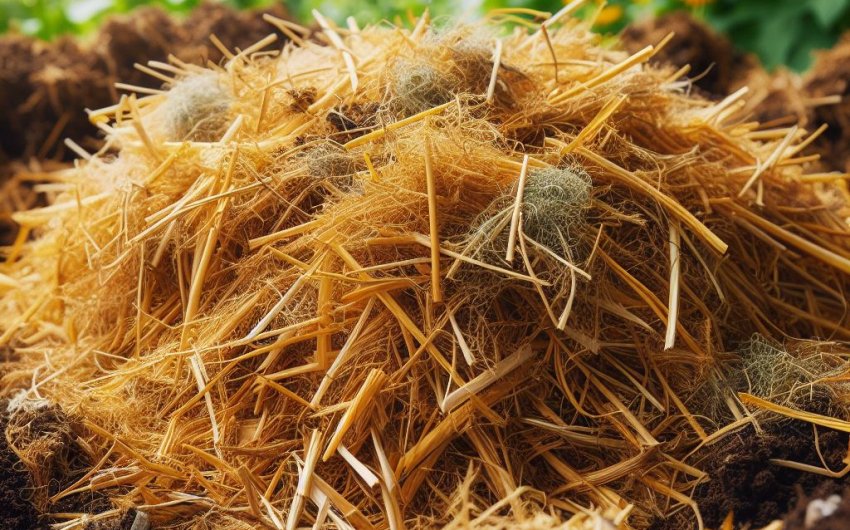
If you're a gardener or simply someone interested in reducing waste and improving your soil, you've probably heard about composting. It's the amazing process of turning organic waste into rich, dark, nutrient-filled "black gold" for your plants. But achieving that perfect, earthy-smelling compost often involves balancing different ingredients – specifically, "greens" (nitrogen-rich materials) and "browns" (carbon-rich materials). And when it comes to browns, one material stands out as a true superstar: straw!
Straw might seem like humble farm bedding, but in the world of composting, it's an incredibly valuable asset. It offers a unique set of benefits that can transform a sluggish, smelly pile into a fast-working, efficient compost factory. This guide will dive deep into the wonders of straw in your compost pile, unraveling why it's such a fantastic ingredient and how to use it for optimal results.
Why is Straw Such a Great "Brown" Material for Composting?
Straw excels as a carbon source in compost piles due to its structure and composition.
What is Straw, and Why is it Carbon-Rich?
Let's clarify what we're talking about.
- Definition: Straw is the dry stalks of cereal grains (like wheat, oats, barley, or rye) after the grain kernels have been harvested. It's different from hay, which includes the leafy parts and is cut green for animal feed.
- High Carbon Content: Straw is mostly made of cellulose and lignin, which are complex carbohydrates found in plant cell walls. These are rich in carbon and break down slowly, making straw an excellent "brown" (carbon-rich) material for compost.
- Nitrogen-Poor: Because the grains (which contain most of the nitrogen) have been removed, straw has a very high carbon-to-nitrogen (C:N) ratio, typically ranging from 80:1 to 100:1 or even higher. This high C:N ratio is exactly what you want from a brown material to balance the high nitrogen of greens.
How Does Straw Improve Airflow (Aeration)?
This is one of straw's most crucial roles in a compost pile.
- Bulking Agent: Straw's hollow, tubular structure prevents the compost pile from becoming too dense or compacted. It acts as a bulking agent, creating numerous air pockets throughout the pile.
- Essential for Aerobic Decomposition: The microorganisms that efficiently break down organic matter and generate heat in a compost pile are aerobic – they need oxygen to survive and work. Without enough air, the pile becomes anaerobic (lacking oxygen), which leads to slow decomposition, cold piles, and foul, rotten egg-like odors.
- Reduces Compaction: When you add wet, dense "greens" like grass clippings or food scraps, they can quickly compact. Layering them with fluffy straw prevents this compaction, ensuring oxygen can still reach the core of the pile. This is a primary benefit that sets straw apart from other browns.
Does Straw Help with Moisture Management?
Yes, it's excellent for balancing water levels.
- Absorbs Excess Moisture: Straw is very absorbent. When you add wet "greens" or if your compost pile gets too much rain, straw can soak up the excess moisture. This prevents the pile from becoming soggy, which, like compaction, leads to anaerobic conditions and bad smells.
- Releases Moisture Slowly: As it breaks down, straw releases this moisture slowly, helping to maintain a consistent, ideal moisture level throughout the pile. The ideal moisture content for composting is like a wrung-out sponge – damp but not dripping.
- Prevents Drying Out: In hot or dry conditions, the moisture retained by straw can help prevent the pile from drying out too quickly, which would slow down decomposition.
What Are the Other Benefits of Using Straw in Your Compost Pile?
Beyond airflow and moisture, straw offers additional advantages.
Does it Help Balance the Carbon-to-Nitrogen Ratio?
This is the fundamental principle of good composting.
- The "Compost Recipe": Successful composting relies on balancing carbon (browns) and nitrogen (greens). The ideal carbon-to-nitrogen ratio is typically around 25-30 parts carbon to 1 part nitrogen (25-30:1).
- Perfect Counterpart for Greens: Many common "greens" (like fresh grass clippings, kitchen scraps) are high in nitrogen but low in carbon. Straw, being very high in carbon, is the perfect material to balance these out, bringing the overall C:N ratio into the ideal range.
- Faster Decomposition: When the C:N ratio is balanced, microorganisms thrive, and the compost pile heats up efficiently, leading to faster decomposition. Without enough browns like straw, nitrogen can be lost as ammonia gas (causing a strong, unpleasant smell), and the pile will be slow and smelly.
Is It Readily Available and Affordable?
Yes, often a convenient choice.
- Easy to Find: Straw bales are widely available at farm supply stores, garden centers, and sometimes even hardware stores, especially in rural areas. They are also common around fall for seasonal decorations.
- Cost-Effective: A single bale of straw is relatively inexpensive and can provide a large volume of carbon material for your compost pile, making it a very budget-friendly option compared to buying bags of wood chips or other browns.
- Lightweight for Volume: While a bale is bulky, it's relatively lightweight for the large volume of carbon material it provides, making it easier to transport and handle.
Does It Help Control Odors?
Yes, by promoting proper decomposition.
- Prevents Anaerobic Conditions: The primary cause of foul odors in a compost pile is anaerobic decomposition (lack of oxygen), often due to too many wet greens or lack of turning. By providing excellent aeration, straw helps prevent this.
- Absorbs Smells: Its absorbent nature can also help to absorb some volatile compounds that cause odors if they do occur.
- Earthier Smell: A well-managed compost pile with plenty of straw should have a pleasant, earthy smell, indicating healthy microbial activity.
How Do I Effectively Use Straw in My Compost Pile?
Knowing how to incorporate straw will optimize your composting efforts.
1. The Layering Method (Compost Lasagna)
This is a simple way to balance your materials.
- Alternating Layers: Build your compost pile by creating alternating layers of "greens" and "browns". A common recommendation is to add 2-3 parts browns (like straw) for every 1 part greens (like kitchen scraps or fresh grass clippings) by volume.
- Start with Browns: Begin your compost pile with a few inches of straw or other coarse browns at the bottom. This helps with drainage and initial aeration.
- Example Layering:
- Start with 6-8 inches of straw.
- Add 2-3 inches of kitchen scraps or grass clippings.
- Add another 6-8 inches of straw.
- Repeat the pattern.
- Top with Browns: Always finish your layer with browns on top. This helps deter pests (by burying food scraps) and also acts as a visual "lid" to keep the pile tidy.
2. Chopping or Shredding Straw
Smaller pieces break down faster.
- Increase Surface Area: While you can add straw directly from the bale, chopping it into smaller pieces (2-6 inches long) with a garden shredder, mower (carefully!), or even by hand will significantly increase its surface area.
- Faster Decomposition: A larger surface area means more places for microorganisms to work, leading to faster breakdown of the straw and overall quicker composting.
- Easier Mixing: Smaller pieces of straw are also easier to mix evenly into the compost pile when turning. A good garden shredder can process many browns.
3. Moisten Your Pile
Maintain the "wrung-out sponge" consistency.
- Add Water to Dry Straw: When building your compost pile with dry straw, lightly moisten each layer as you add it. This jumpstarts the decomposition process.
- Check Moisture Regularly: Stick your hand into the pile. If it feels dry, add water as you turn. If it's too soggy, add more straw and turn to introduce air.
- Watering Tools: A garden hose with a spray nozzle or a watering can works well for moistening.
4. Turning the Compost Pile
The key to speedy decomposition.
- Why Turn? Turning your compost pile mixes the materials, redistributes moisture, and, most importantly, reintroduces oxygen. This "flips" the pile, bringing fresh oxygen to the active decomposing microorganisms.
- How Often: For hot, fast composting, turn your pile every few days or weekly. For slower composting, turn every few weeks or months. Straw's bulking ability reduces the absolute need for frequent turning compared to a pile without it, but regular turning will always speed things up.
- Tools: A compost aerator or a pitchfork are the best tools for turning. A compost aerator is great for penetrating deep into the pile.
What Are Other Important Considerations for Composting with Straw?
A few more tips for success and to avoid common pitfalls.
What Kind of Straw Should I Use?
Not all straw is created equal.
- Avoid Hay: As mentioned, hay contains seeds and leafy material that can lead to weed problems in your garden if the compost pile doesn't get hot enough to kill the seeds. Stick to straw (dry stalks after grain harvest).
- Check for Herbicides: Ideally, source straw from organic farms or confirm that it hasn't been treated with persistent herbicides. Some herbicides can remain active even after composting and damage sensitive plants when the finished compost is used in your garden.
- Test Method: If unsure, do a "compost bioassay" by planting a few sensitive indicator plants (like peas or beans) in a small amount of your finished compost. If they show abnormal growth (cupped leaves, stunted, yellowing), the compost might contain residual herbicides.
- Source: Look for straw bales at local farm supply stores, hardware stores, or through local farmers.
Can I Only Use Straw as My Brown Material?
While straw is excellent, variety is good.
- Mix Browns: While straw is fantastic, a diverse mix of brown materials (dry leaves, shredded cardboard, wood chips, sawdust, shredded newspaper) provides a wider range of nutrients and textures, contributing to a richer finished compost.
- Available Resources: Use whatever browns are readily available to you. Straw is often the easiest to acquire in large quantities.
How Does Straw Help with Worm Composting (Vermicomposting)?
Different from traditional hot composting, but straw is still useful.
- Bedding: For worm bins (vermicomposting), straw can be used as a bedding material for your composting worms (like Red Wigglers). It provides excellent aeration and a carbon source for the worms.
- Moisture Management: Its absorbent qualities also help regulate moisture levels in the worm bin, preventing it from becoming too wet.
- Shred First: Shredding or chopping straw into smaller pieces is even more important for worm bins, as it makes it easier for the worms to consume.
Straw is truly a unsung hero in the world of composting. Its unique ability to provide ample aeration, absorb excess moisture, and perfectly balance the carbon-to-nitrogen ratio makes it an invaluable "brown" material for any compost pile. By incorporating straw effectively and following basic composting principles, you'll be well on your way to transforming your organic waste into rich, nutrient-dense "black gold," benefiting your garden and the planet for seasons to come!