
Sawdust Secrets: The Untreated Wood Wonder in Composting!
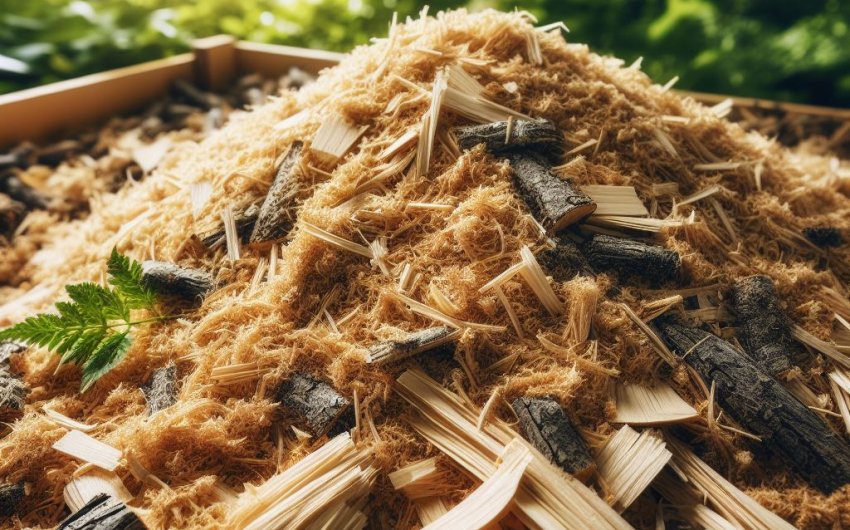
If you've ever tackled a woodworking project, built a new raised garden bed, or even just done some serious pruning, you've probably ended up with a pile of sawdust. For many, this finely ground wood is just waste, destined for the trash or bonfire. But what if this seemingly humble byproduct holds a powerful secret for your garden? What if it's actually a hidden gem for your compost pile?
The truth is, untreated wood sawdust can be an incredibly valuable addition to your composting efforts. It's a fantastic source of "brown" material, bringing carbon to your pile and helping create that perfect balance for rich, nutrient-dense compost. However, like all good secrets, there are a few important rules and nuances to understand before you start shoveling it in. Not all sawdust is created equal, and knowing the difference can turn a potential problem into a composting triumph.
This guide will unlock the sawdust secrets for successful composting. We'll demystify why it's so beneficial, clarify the crucial difference between treated and untreated wood, and give you all the pro tips for incorporating this untreated wood wonder into your "black gold" factory. Get ready to turn your woodworking waste into garden treasure!
Why Sawdust is a Composting Wonder (When Used Right)
For many gardeners, sawdust seems like a mysterious ingredient for the compost pile. Is it good? Is it bad? The answer is a resounding "good!" – provided it's untreated wood sawdust and used correctly. When you incorporate it, you're tapping into a valuable source of a key composting ingredient.
1. Sawdust as a "Brown" Material (Carbon Source)
The magic of composting relies on a delicate balance between "greens" (nitrogen-rich materials) and "browns" (carbon-rich materials).
- Carbon's Role: Carbon is the primary energy source for the microorganisms (bacteria, fungi, worms) that break down your organic waste. Without enough carbon, the decomposition process slows down significantly, and your pile can become smelly.
- Sawdust's Contribution: Sawdust is almost pure carbon. This makes it an excellent "brown" material, especially useful when you have an abundance of "greens" like kitchen scraps and fresh grass clippings. It helps balance the nitrogen, preventing your pile from becoming slimy, compacted, and foul-smelling.
2. Improved Aeration and Structure
- Prevents Compaction: Because sawdust is fine and somewhat fluffy, it helps keep your compost pile from becoming too dense and compacted. This is especially important when adding wet, nitrogen-rich materials like food scraps.
- Boosts Airflow: The tiny wood particles create air pockets within the pile. Adequate airflow (aeration) is crucial for the hardworking aerobic microbes (the good ones that don't smell bad!) that drive the decomposition process. Without enough air, your pile can turn anaerobic, leading to slow decomposition and unpleasant odors.
- Soaks Up Excess Moisture: Sawdust is quite absorbent. If your compost pile is too wet from kitchen scraps or rain, adding a layer of sawdust can help soak up the excess moisture, bringing the pile back to that ideal "wrung-out sponge" consistency.
3. Resourcefulness and Waste Reduction
- Free Resource: If you're a woodworker, or know someone who is, untreated wood sawdust is often a free, abundant resource that would otherwise be discarded.
- Closes the Loop: Using sawdust in compost is a fantastic example of closing the loop in a sustainable system. You're taking a byproduct from one activity (woodworking) and turning it into a valuable resource for another (gardening). This reduces landfill waste and your need to buy soil amendments.
4. Weed Suppression (When Used as Mulch)
While our focus is composting, it's worth noting that coarse, unfinished wood chips (a step up from sawdust) can be an excellent mulch for garden beds, helping to suppress weeds and retain moisture. When mixed with compost, this benefit carries over.
In essence, when properly used, untreated wood sawdust is a versatile and effective "brown" material that plays a critical role in balancing your compost pile, improving its aeration, managing moisture, and ultimately leading to rich, nutrient-dense "black gold" for your garden. It truly is an untreated wood wonder for any composter!
The Crucial Rule: Only Untreated Wood Sawdust!
This is the single most important sawdust secret you need to know: You absolutely must only use sawdust from UNTREATED wood in your compost pile. Ignoring this rule can introduce harmful chemicals into your compost, which can then damage your plants and even your health.
What is "Treated" Wood?
"Treated" wood refers to lumber that has been chemically processed to protect it from rot, pests (like termites), and fungal decay. This treatment is often done to extend the life of wood used outdoors, such as for decks, fences, or playground equipment.
- Common Chemical Treatments:
- CCA (Chromated Copper Arsenate): Older pressure-treated wood (common before 2003 for residential use) contained arsenic, chromium, and copper. This wood is highly toxic and should never be composted or burned.
- ACQ (Alkaline Copper Quaternary): A newer, more common residential treatment. It's less toxic than CCA but still contains high levels of copper and other chemicals that are not suitable for composting in a garden setting, especially where you plan to grow food.
- Copper Azole (CA) or Micronized Copper Quaternary (MCQ): Other modern residential treatments that contain copper.
- Creosote: Used for railroad ties and utility poles. Extremely toxic and should never be used in compost or garden.
- Paints, Stains, Sealants: Wood that has been painted, stained, or sealed also contains chemicals that should not be put into your compost pile.
Why Treated Wood is a Composting No-Go
When you compost treated wood sawdust, those chemicals don't magically disappear.
- Leaching into Compost: The chemicals from the treated wood will break down and leach directly into your finished compost.
- Harm to Plants: When you then use this contaminated compost in your garden, these chemicals (heavy metals like copper, chromium, and arsenic, or other synthetic compounds) can be absorbed by your plants. This can stunt plant growth, make plants sick, or even kill them.
- Harm to Humans and Pets: If you grow edible plants (fruits, vegetables, herbs) using compost contaminated with treated wood chemicals, those chemicals can accumulate in the food you eat, posing a health risk to you and your family. Pets might also ingest harmful compounds if they interact with the soil.
- Harms Beneficial Microbes: The chemicals can also kill or harm the beneficial microorganisms in your compost pile, slowing down or stopping the decomposition process.
How to Identify Untreated Wood
It's crucial to be able to tell the difference.
- No Greenish Tint: Pressure-treated wood often (but not always) has a greenish or brownish tint due to the chemicals. Untreated wood is usually light-colored (like pine or fir) or its natural wood color (like oak or maple).
- Labels/Stamps: Lumber purchased from a store often has stamps or tags indicating if it's treated. Look for "ACQ," "CCA," "Ground Contact," or a hazard rating.
- Source Matters:
- Good Sources: Sawdust from your own woodworking projects using raw lumber (e.g., cutting boards, furniture, framing for indoor use), lumber scraps from untreated construction timber (like dimensional lumber for framing that hasn't been treated), or shavings from untreated wood animal bedding.
- Bad Sources (Avoid!): Sawdust from demolition sites (where you don't know the wood's history), old decks, fences, railway ties, utility poles, painted furniture, or particleboard/MDF (which contain glues and binders).
- When in Doubt, Throw It Out (or Don't Compost It): If you're unsure whether the wood is treated, err on the side of caution and do NOT compost it.
By strictly adhering to the rule of only untreated wood sawdust, you can safely harness the power of this composting wonder without introducing harmful contaminants to your garden. This sawdust secret is paramount for organic and safe gardening.
How Sawdust Helps Your Compost: The Science of Carbon & Nitrogen
To truly appreciate sawdust's role as an untreated wood wonder in composting, it helps to understand the basic science behind decomposition, particularly the balance between carbon and nitrogen.
The Carbon-to-Nitrogen (C:N) Ratio: The Compost "Diet"
Composting microorganisms are like tiny chefs, and they need a balanced "diet" to work efficiently. This diet is measured by the Carbon-to-Nitrogen ratio (C:N ratio).
- Carbon (C): Provides energy for the microbes. "Brown" materials are high in carbon.
- Nitrogen (N): Provides protein for microbe growth and reproduction. "Green" materials are high in nitrogen.
- Ideal Ratio: For rapid, efficient composting, the ideal C:N ratio is generally around 25-30 parts carbon to 1 part nitrogen (25-30:1).
Where Sawdust Fits In (High Carbon)
- Sawdust C:N Ratio: Wood and sawdust have a very high C:N ratio, often ranging from 100:1 to 500:1 or even higher, depending on the type of wood. This makes them extremely carbon-rich.
- Balancing "Greens": Most composters, especially home composters, tend to have an abundance of "greens": kitchen scraps (fruit/veg peels, coffee grounds) and fresh grass clippings. These materials are very high in nitrogen (e.g., grass clippings can be 10-20:1, coffee grounds around 20:1).
- If you have too many "greens" without enough "browns," your pile becomes nitrogen-heavy. The microbes use up the nitrogen quickly, produce ammonia gas (that rotten-egg smell!), and then the process slows down dramatically. The pile also tends to become dense and anaerobic.
- The Solution: Adding sawdust (a high-carbon "brown") helps balance out those nitrogen-rich "greens," bringing the overall C:N ratio of your compost pile closer to the ideal 25-30:1 range.
How Sawdust Improves Decomposition (The Benefits Revisited)
- Fuel for Microbes: The carbon in sawdust provides the energy source that allows the nitrogen-fueled microbes to rapidly multiply and break down all the organic matter.
- Aeration: The small, irregular particles of sawdust help create air pockets within the pile. Oxygen is vital for aerobic decomposition, which is the fast, odorless, and efficient way to compost. When a pile lacks oxygen, anaerobic decomposition takes over, producing methane (a potent greenhouse gas) and foul smells. Sawdust helps maintain an open, airy structure.
- Moisture Management: Sawdust is highly absorbent. If your kitchen scraps are too wet, adding sawdust soaks up excess moisture, preventing the pile from becoming soggy and compacted. This helps maintain the ideal "wrung-out sponge" moisture level that microbes love.
A Note on Lignin
Wood, including sawdust, contains a complex polymer called lignin. Lignin is very tough and takes a long time for microbes to break down. This is why woody materials decompose more slowly than soft greens.
- Patience is Key: Don't expect sawdust to disappear overnight. It will break down, but more slowly than softer materials.
- Finished Product: In a finished compost pile, you might still see small traces of recognizable sawdust, but it will be thoroughly integrated and part of the rich, dark compost.
By understanding the C:N ratio and the role of carbon, it becomes clear why untreated wood sawdust is a powerhouse for balancing your compost pile, fueling microbial activity, and ensuring efficient, odorless decomposition. It's a key ingredient in achieving truly nutrient-rich "black gold."
Pro Tips for Incorporating Sawdust into Your Compost Pile
You've got your untreated wood sawdust, you understand its role as a carbon source, and you're ready to put this untreated wood wonder to work. Here are some pro tips for successfully incorporating sawdust into your compost pile to create amazing "black gold" for your garden.
1. Always Balance with "Greens"
This is the most important tip. Because sawdust is so rich in carbon, it must be balanced with ample nitrogen-rich "green" materials.
- The Layering Method: A great way to do this is to layer your materials:
- Start with a thin layer of browns (sawdust).
- Add a layer of greens (kitchen scraps, grass clippings).
- Add another thin layer of browns (sawdust) on top to "cap" the greens. This also helps reduce odors and deters pests.
- Mix It In: Don't just dump a huge pile of sawdust on top. Instead, spread it out and mix it in with your existing compost or fresh "green" additions.
- Ratio: Aim for that ideal C:N ratio, usually around 2 to 3 parts brown (including sawdust) to 1 part green by volume. If you add a lot of sawdust, be prepared to add more greens.
2. Don't Forget Moisture
While sawdust helps absorb excess moisture, the microbes still need water to work.
- Moist, Not Soggy: When you add a new layer of dry sawdust, lightly moisten it as you go. The entire pile should feel like a wrung-out sponge – damp but not dripping wet.
- Observe: If your pile becomes too dry (common with lots of browns), add water and turn it.
3. Smaller Pieces, Faster Decomposition
- Fine Sawdust is Best: The finer the sawdust, the faster it will break down. Large wood chips or chunks will take much longer to decompose fully. If you have wood shavings, these are usually fine to add as well.
- Shredding (if applicable): If you have larger wood pieces, use a wood chipper shredder to break them down into smaller sizes before adding to the compost.
4. Aerate (Turn) Regularly
Sawdust helps with aeration, but turning the pile manually still speeds things up immensely.
- Oxygen is Key: Turning mixes materials, distributes moisture, and introduces fresh oxygen to the microbes. This is especially important when you're adding a lot of sawdust or other browns.
- Frequency: For "hot" composting, turn your pile every few days to once a week. For "cold" composting (slower), turn less often, but still aim for at least once a month. Use a compost aerator tool or a pitchfork.
5. Be Patient (Especially with High Wood Content)
Wood, even fine sawdust, contains tough lignin that takes time to break down.
- Longer Breakdown: If your compost pile has a high proportion of sawdust, it might take a bit longer to fully decompose compared to a pile made mostly of softer garden waste.
- Finished Product: Don't worry if you still see tiny flecks of wood in your finished compost. As long as the rest of the material is dark, crumbly, and smells earthy, it's good to use. The remaining wood will continue to break down in your garden soil.
6. Consider a Booster
If your pile seems sluggish, especially after adding a lot of sawdust, you can give it a nitrogen boost.
- Add More Greens: Fresh grass clippings, coffee grounds, or kitchen scraps.
- Add a Nitrogen Source: A small amount of blood meal or a commercial compost starter can provide a quick nitrogen kick to get things heating up.
7. Avoid Sawdust from Problematic Woods
While any untreated wood sawdust is generally fine, some woods are very slow to break down or can be mildly suppressive to plant growth in large quantities, though this is rarely an issue in a mixed compost pile.
- Black Walnut: Contains juglone, a natural herbicide. While generally safe in a well-decomposed compost pile in small amounts, some highly sensitive plants may react. Best to avoid or use very sparingly.
- Eucalyptus: Can be slow to break down and may have mild allelopathic (growth-inhibiting) properties. Use sparingly.
- Conifers (Pine, Fir, Spruce): Can be more acidic and take slightly longer to break down due to resins, but generally fine in a mixed pile. The acidity won't affect the finished compost's pH significantly.
By following these pro tips, you'll successfully integrate untreated wood sawdust into your composting routine, harnessing its power to create superior, balanced compost for a flourishing garden. It's truly a testament to the untreated wood wonder!
Beyond the Compost Pile: Other Uses for Untreated Sawdust in the Garden
While its role as an untreated wood wonder in the compost pile is significant, sawdust (from untreated wood, of course!) has a few other valuable uses in the garden that can contribute to your overall sustainability and garden health.
1. As a Mulch (with Caution!)
Untreated sawdust can be used as a mulch, but it comes with a big caveat regarding nitrogen.
- How it Works: A layer of sawdust spread over garden beds can help suppress weeds, retain soil moisture, and moderate soil temperature, similar to other mulches like wood chips or shredded bark.
- The Nitrogen Robbery Issue: As finely ground wood breaks down, the microorganisms responsible for its decomposition need a lot of nitrogen. If they don't get enough from the sawdust itself (which is high in carbon), they will draw nitrogen from the surrounding soil. This is called nitrogen immobilization or "nitrogen tie-up."
- Result: This can temporarily deplete the soil's nitrogen, making it unavailable for your plants, leading to yellowing or stunted growth (nitrogen deficiency).
- Solution (If Using as Mulch):
- Apply Nitrogen First: Before applying sawdust mulch, spread a nitrogen-rich fertilizer (like blood meal or a balanced granular fertilizer) on the soil beneath the area you plan to mulch. This provides the microbes with the nitrogen they need, so they don't steal it from your plants.
- Use on Established Plants: Best used as a mulch around established plants that have deep roots or are less sensitive to temporary nitrogen fluctuations. Avoid using it heavily around young, tender seedlings.
- Mix with Other Mulches: Combine sawdust with a nitrogen-rich mulch like grass clippings or straw to balance the C:N ratio.
- Best Use as Mulch: Often better for pathways where you don't grow plants, or around mature trees and shrubs that can handle the nitrogen draw.
2. For Paths and Walkways
- Natural and Affordable: Untreated sawdust can make an attractive, inexpensive, and relatively soft pathway material in your garden.
- Weed Suppression: A thick layer can help suppress weeds on your paths.
- Decomposition: It will eventually break down into the soil, requiring replenishment, but this also means no permanent hardscaping if your design plans change.
3. Animal Bedding (then Compost!)
- Comfort and Absorption: Untreated wood shavings or coarser sawdust make excellent bedding for chickens, rabbits, and other small livestock. They provide comfort and absorb moisture and odors.
- Compost Boost: The beauty of this use is that the bedding, once soiled, then becomes an even better amendment for your compost pile. The animal waste provides the crucial nitrogen that balances the high carbon of the sawdust, creating an ideal C:N ratio right away for hot composting. This is a classic "closed-loop" system in homesteading.
- Look for wood shavings for animal bedding.
4. Absorbing Spills
- Shop Spills: Keep a bag of sawdust in your garage or shed to quickly absorb oil spills, paint drips, or other liquid messes. It's a natural absorbent.
5. Growing Mushrooms (Specific Types)
- Fungi Delight: For the adventurous homesteader, certain types of edible mushrooms (like oyster mushrooms) can be grown on sawdust or wood chips from specific hardwood species. This requires specific inoculation techniques and conditions.
By understanding the properties of untreated wood sawdust, you can unlock its full potential beyond just the compost pile, making it a truly versatile and valuable resource for your sustainable garden and home. It's a classic example of turning what some consider waste into a wondrous asset!