
Chipper Chores: How Wood Chips Work Wonders in Your Compost!
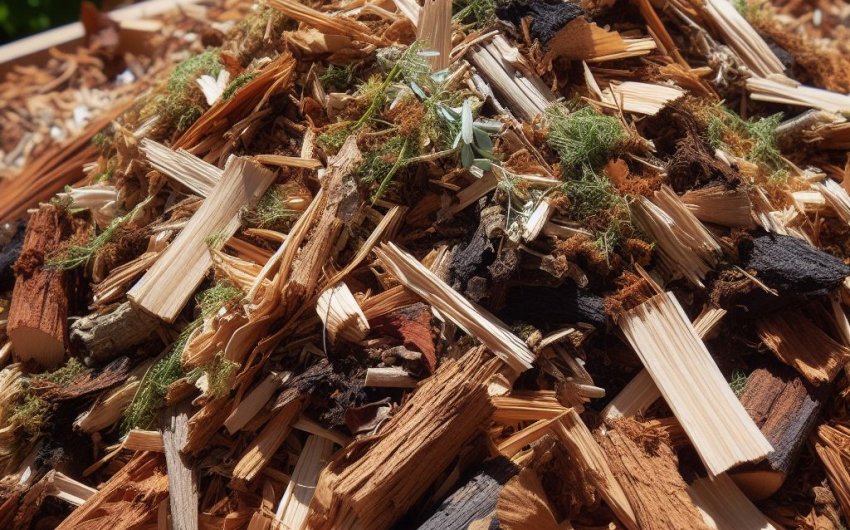
If you've ever had a tree trimmed, a shrub removed, or even just cleaned up some fallen branches, you know that dealing with woody debris can be a chore. Hauling it away seems like the only option, right? Not anymore! For savvy gardeners, these "waste" materials are actually hidden treasures, especially when transformed into wood chips. And these wood chips aren't just for pathways or mulching; they can work absolute wonders in your compost pile!
Composting is like magic for your garden. It takes kitchen scraps, leaves, and yard waste and turns them into rich, dark, nutrient-packed "black gold" that makes plants thrive. But sometimes, getting the right balance of materials can be tricky. This is where wood chips step in, offering a unique set of benefits that can supercharge your composting process and improve your finished product.
In this comprehensive guide, we'll delve deep into the world of wood chips in composting. We'll cover everything from why they're so beneficial for balancing your pile to how to prepare them, the best ways to incorporate them, and common myths about their use. Get ready to turn your "chipper chores" into pure garden gold!
Why Are Wood Chips a Composting Superstar?
To truly appreciate the value of wood chips in composting, it helps to understand the basic science of how a compost pile works. It’s all about creating the right environment for tiny microbes to break down organic matter.
What Role Do Wood Chips Play in the Compost Pile?
Composting relies on a balanced mix of "greens" and "browns," often described in terms of their carbon-to-nitrogen ratio (C:N ratio).
- Greens (Nitrogen-rich): These are fresh, moist materials like kitchen scraps (fruit and vegetable peels, coffee grounds), fresh grass clippings, and green plant trimmings. They provide the nitrogen that microbes need for growth and reproduction.
- Browns (Carbon-rich): These are dry, often woody materials like fallen leaves, straw, dried plant stalks, newspaper, and – you guessed it – wood chips. They provide the carbon that microbes use as an energy source, and they add bulk and structure to the pile.
Wood chips are a quintessential "brown" material, bringing a significant amount of carbon to the party. Their woody nature also means they provide unique benefits beyond just carbon.
What are the Benefits of Adding Wood Chips to Compost?
Incorporating wood chips into your compost pile offers several key advantages:
- Excellent Carbon Source: Wood chips are rich in carbon, which is essential for balancing out nitrogen-heavy materials like kitchen scraps and fresh grass clippings. An ideal C:N ratio (around 25-30:1) promotes fast and efficient decomposition, preventing slimy, smelly piles.
- Outstanding Aeration: This is where wood chips truly shine. Their irregular shapes and sizes create an intricate network of air pockets throughout the compost pile. Good aeration is vital for aerobic microbes (the good guys!) that break down organic matter efficiently and without producing foul odors. Without enough oxygen, compost can become anaerobic, leading to slow decomposition and unpleasant smells.
- Structural Integrity: The bulky nature of wood chips helps maintain the pile's structure, preventing it from compacting and becoming dense. This further aids aeration and allows moisture to distribute more evenly.
- Long-Lasting Decomposition: While they are slower to break down than softer "browns" like leaves or shredded newspaper, this isn't necessarily a bad thing. Their slower decomposition provides a steady, long-term carbon source, especially in larger, active piles. This can help prevent the pile from "running out" of browns too quickly.
- Source of Lignin: Wood chips contain lignin, a complex organic polymer that gives wood its stiffness. While lignin breaks down slowly, it contributes to the formation of stable humus in the finished compost. Humus is highly beneficial for soil structure, water retention, and nutrient availability.
- Free and Abundant Resource: If you have access to tree trimming waste or a wood chipper, wood chips are a free, readily available resource that helps divert waste from landfills. Many local tree service companies or municipalities offer free arborist wood chips, which are a mixed blessing as we'll discuss later.
These combined benefits make wood chips a powerhouse ingredient for healthy, active, and balanced compost.
What About the Nitrogen Tie-Up Myth?
One of the most common concerns about using wood chips (or any high-carbon material) is the "nitrogen tie-up" myth. This refers to the idea that as wood chips decompose, they will "steal" nitrogen from the soil, making it unavailable for plants.
- Truth in the Compost Pile: In an active compost pile, this is not a significant concern. Microbes do use nitrogen to break down carbon-rich materials. However, if your C:N ratio is correctly balanced, there will be enough nitrogen for the microbes and for the finished compost to be nutrient-rich. In fact, adding wood chips helps achieve that balance.
- Truth in the Soil (Surface Use): Where the "nitrogen tie-up" can occur is if large amounts of fresh, uncomposted wood chips are directly tilled into the soil. When incorporated directly into the soil, microbes breaking down the wood will indeed temporarily use available soil nitrogen, potentially making it unavailable for plants.
- Solution: Fully Composted Chips: The solution is simple: fully compost the wood chips first! Once the wood chips are fully decomposed and incorporated into your finished compost, the nitrogen tie-up concern is gone. The finished compost is a stable, nutrient-rich amendment that adds nitrogen and other nutrients to your soil, it doesn't take them away.
So, for composting, embrace wood chips! Just make sure they are fully decomposed within your compost before adding the finished product to your garden beds.
How Do I Get and Prepare Wood Chips for Composting?
Getting the right kind of wood chips and preparing them properly is key to maximizing their composting benefits.
Where Can I Get Wood Chips?
- Your Own Yard/Garden: If you have trees or shrubs that need pruning, a wood chipper or leaf mulcher/shredder is a fantastic investment. You can turn branches (up to the chipper's capacity), woody stalks, and even some thicker stems into ready-to-compost chips. A Sun Joe Electric Wood Chipper is a popular choice for homeowners.
- Arborist Wood Chips: Contact local tree service companies in your area. Many are happy to drop off a load of free wood chips at your home. This is a great way to get a large quantity, but be aware of a few things:
- Mixed Material: Arborist chips are often a mix of wood and leaves/needles, which is good for diversity.
- Species Mix: You might get chips from various tree species, which is generally fine for compost.
- Potential Contamination: Occasionally, they might contain invasive plant seeds, diseased wood, or even bits of trash. Inspect the load.
- Quantity: They often deliver a very large pile, so ensure you have space to store it.
- Municipal Waste Facilities: Many city or county waste facilities offer free compost or wood chips made from local yard waste. Check with your local government or waste management department.
- Purchase: You can also buy bags of wood chips or shredded bark from garden centers. These are usually cleaner and more uniform but come at a cost.
How Should I Prepare Wood Chips for Composting?
Preparation is critical for efficient decomposition.
- Size Matters: The smaller the wood chips, the faster they will break down. Large chunks will take a very long time to decompose. Aim for chips no larger than 1-2 inches in any dimension for faster composting. Your chipper will do most of this work.
- Moisture: Wood chips are often dry. They will need to be thoroughly moistened to kickstart the decomposition process. Before adding them to the compost pile, spread them out and soak them with water until they are consistently damp.
- Balance: Remember they are a "brown" (carbon-rich) material. You'll need to balance them with plenty of "greens" (nitrogen-rich) to achieve the ideal C:N ratio. Don't just add a huge pile of dry wood chips to your compost without adding sufficient greens.
Can I Compost All Types of Wood Chips?
Generally, yes, most non-treated wood chips are safe for composting.
- Avoid Treated Wood: NEVER compost treated lumber (like pressure-treated wood, railroad ties, or painted wood). These materials contain chemicals (like arsenic, copper, or chromium) that are toxic and will leach into your compost, making it unsafe for garden use.
- Walnut/Juglone: While black walnut ( Juglans nigra) trees produce a chemical called juglone that can inhibit plant growth, composting effectively neutralizes it. If you're concerned, ensure the chips are fully composted for at least 6 months to a year before use. A hot compost pile will break down juglone much faster.
- Diseased Wood (Use Caution): Avoid composting wood from trees known to have serious fungal diseases (like Dutch Elm Disease or Emerald Ash Borer infestations) unless you are certain your compost pile can reach and maintain very high temperatures (over 130°F / 54°C) for an extended period to kill off pathogens. For typical backyard composters, it's safer to avoid.
- Softwoods vs. Hardwoods: Softwoods (pine, spruce) break down faster than hardwoods (oak, maple, birch) because they have less lignin. A mix is often ideal.
How Do I Incorporate Wood Chips into My Compost Pile?
Adding wood chips to your compost pile effectively involves thoughtful layering and consistent management.
What is the Best Way to Layer Wood Chips?
Layering is crucial for maintaining aeration and a balanced C:N ratio.
- Initial Layer (Bottom of Bin): Start your compost pile with a loose layer of coarser, bulky "browns" like wood chips or small twigs (4-6 inches / 10-15 cm). This creates a well-draining base and allows for airflow from the bottom up.
- Alternate with Greens: The golden rule of composting is to alternate layers of "greens" and "browns."
- After your base layer, add a layer of "greens" (e.g., kitchen scraps, fresh grass clippings) about 4-6 inches (10-15 cm) thick.
- Then, add a layer of "browns," making sure to include a good amount of moistened wood chips (about 4-6 inches / 10-15 cm thick).
- Repeat this layering process.
- Cap Your Pile: Always cover any new additions of "greens," especially kitchen scraps, with a layer of "browns" (like wood chips). This helps to:
- Absorb excess moisture.
- Prevent odors that can attract pests.
- Provide carbon for decomposition.
How Much Wood Chip Should I Add?
The exact amount depends on your other compost materials.
- Aim for Balance: The goal is a C:N ratio of roughly 25-30:1. In practical terms, this often translates to about 50/50 mix by volume of greens to browns. If your pile is very heavy on nitrogen-rich materials (lots of grass clippings, food scraps), you'll need more wood chips to balance it out.
- Monitor and Adjust: Pay attention to your pile's performance.
- Smelly/Slimy: Add more wood chips and turn the pile.
- Slow/Dry: Add more "greens" (or nitrogen source) and water if dry.
- Keep a Stockpile: It's helpful to have a separate pile or bin of moistened wood chips or other dry "brown" materials near your compost bin, so you can easily add them whenever you throw in kitchen scraps or fresh garden waste.
How Long Do Wood Chips Take to Compost?
Wood chips are slower to break down than softer materials like leaves or kitchen scraps.
- Factors Influencing Time:
- Size: Smaller chips decompose faster.
- Moisture: Consistently moist chips break down faster.
- Aeration: Good airflow speeds up the process.
- C:N Ratio: A balanced ratio ensures active microbial life.
- Turning: Regular turning helps mix and aerate, accelerating decomposition.
- Temperature: Hot compost piles (active decomposition) break down materials much faster.
- Timeline: Even in an active, hot compost pile, wood chips can take anywhere from 3 months to a year or more to fully decompose. Larger chips will take longer. Don't be surprised if you still see some identifiable wood fragments in your finished compost – these will continue to break down in the garden bed.
Can I Use a Compost Tumbler with Wood Chips?
Yes, you can use wood chips in a compost tumbler, but be mindful of a few things.
- Tumbler Size: Ensure your tumbler is large enough to handle the volume and density of materials. A good sized compost tumbler will allow for proper mixing.
- Shredding is Paramount: Since tumblers can be prone to clumping, make sure your wood chips are thoroughly shredded to avoid matting and to ensure they tumble effectively.
- Moisture Control: Tumblers can sometimes dry out faster, so monitor moisture levels and add water as needed.
- Mix Well: Tumble frequently to mix the wood chips with other materials and aerate the pile.
Troubleshooting and Tips for Composting with Wood Chips
Even with the best intentions, composting can sometimes present challenges. Here's how to troubleshoot common issues when using wood chips.
My Compost Pile is Not Heating Up – What Can I Do?
A hot compost pile indicates active microbial decomposition, which means faster composting. If your pile is cold, it usually means something is off.
- Lack of Nitrogen: The most common reason for a cold pile is not enough "greens" (nitrogen).
- Solution: Add more nitrogen-rich materials like fresh grass clippings, kitchen scraps, or a sprinkle of a nitrogen-rich organic fertilizer like Espoma Organic Garden-tone. Make sure to mix these in thoroughly with your wood chips.
- Too Dry: Microbes need moisture to thrive.
- Solution: Add water until the pile is consistently moist, like a wrung-out sponge.
- Not Enough Air: Compaction prevents oxygen flow.
- Solution: Turn the pile more frequently to introduce air.
- Too Small: A pile needs a certain mass to generate and retain heat.
- Solution: Build the pile larger (at least 3x3x3 feet / 1x1x1 meter is ideal).
My Compost Pile is Very Slow – Is It the Wood Chips?
Wood chips are slower to break down, but they shouldn't grind your entire compost process to a halt.
- C:N Ratio Imbalance: If your pile is mostly wood chips and other browns, it will be very slow.
- Solution: Add more "greens" (nitrogen sources) and turn the pile to mix them in.
- Particle Size: Large chunks of wood will simply take longer.
- Solution: Next time, aim for smaller chips or understand that patience is required.
- Moisture/Aeration: As above, too dry or too little air will slow things down.
- Solution: Water and turn.
Can I Use Partially Composted Wood Chips?
Yes! Partially composted wood chips can be incredibly beneficial as a mulch directly in your garden beds.
- Mulch Benefits: As a surface mulch, they help suppress weeds, retain soil moisture, moderate soil temperature, and slowly add organic matter and nutrients to the soil as they continue to decompose.
- Nitrogen Tie-Up (Surface Only): When used as a surface mulch, the nitrogen tie-up concern is greatly reduced because microbes are working primarily on the surface and not drawing nitrogen directly from the root zone of your plants. Any tie-up that occurs is minimal.
- Aesthetics: Partially composted wood chips often have a richer, darker color than fresh chips, making them aesthetically pleasing.
What are Some Creative Uses for Wood Chips Beyond Compost?
Even if you have too many wood chips for your compost pile, there are many other beneficial uses in the garden:
- Pathways: Create attractive, weed-suppressing, and absorbent garden paths.
- Mulch for Trees and Shrubs: A 2-4 inch (5-10 cm) layer around trees and shrubs helps suppress weeds, retain moisture, and regulate soil temperature. Keep mulch a few inches away from tree trunks.
- Weed Suppression in Beds: Use as a thick mulch layer in perennial beds or shrub borders.
- Erosion Control: On slopes, wood chips can help slow water runoff and prevent soil erosion.
- Creating New Beds: Use the "sheet mulching" or "lasagna gardening" method, where you layer cardboard, wood chips, and other organic materials directly onto an area to create a new garden bed over time.
By embracing wood chips as a valuable resource, you're not just managing yard waste; you're actively contributing to a healthier garden ecosystem and a more sustainable way of living. So, next time you prune a branch, remember the wonders that wood chips can work in your compost and beyond!