
Hay There! Unraveling the Role of Hay in Compost Enrichment!
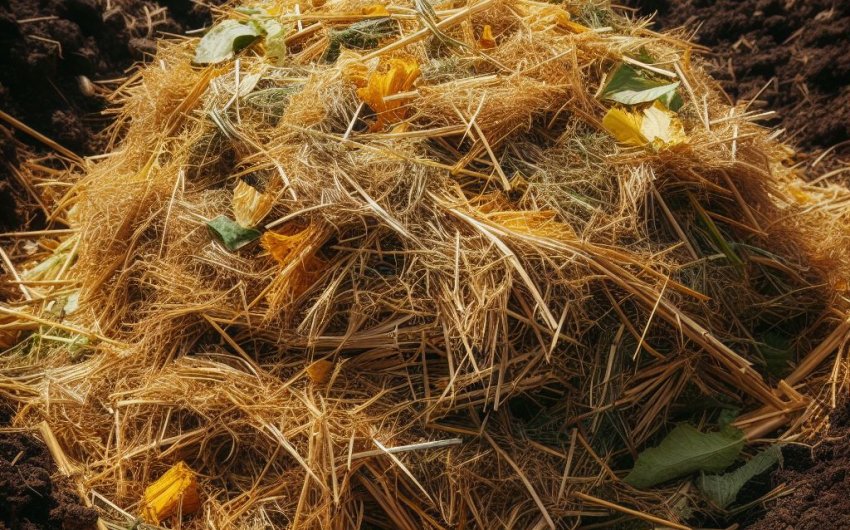
For many gardeners, composting is a core practice. It's the magical process that transforms kitchen scraps and yard waste into rich, dark "black gold" – a powerhouse for healthy soil and thriving plants. While many focus on food waste and leaves, one often-overlooked hero in the compost pile is hay. More than just animal feed, hay can play a crucial role in compost enrichment, offering unique benefits that contribute to a balanced, active, and nutrient-rich finished product. But what kind of hay is best? How do you use it? And what should you watch out for? Let's unravel the secrets of hay in your compost.
What Exactly is Hay and How Does it Differ from Straw?
These two terms are often used interchangeably, but for composting, their differences are important.
What is Hay?
Hay is dried grasses, legumes (like alfalfa or clover), or other herbaceous plants that have been cut, dried, and stored for animal feed.
- Nutrient Content: Because it's intended as feed, hay is cut when the plants are still green and contain more nutrients. It's richer in nitrogen and other plant nutrients compared to straw.
- "Green" or "Brown"?: Due to its higher nitrogen content, hay is often considered a "green" material in compost (though it's dry and brown in appearance). Its carbon-to-nitrogen ratio is lower than straw, usually around 20-30:1 for good quality hay.
- Texture: It's typically softer and more pliable than straw.
What is Straw?
Straw is the dry, hollow stalks of cereal grains (like wheat, oats, barley, or rice) left over after the grain has been harvested.
- Nutrient Content: It's mostly carbon, with very little nitrogen because the grains have already ripened and been removed, taking most of the nutrients with them.
- "Brown" Material: Straw is a classic "brown" material in compost, with a high carbon-to-nitrogen ratio (around 80-100:1).
- Texture: It's stiffer and more rigid than hay.
Why is the Distinction Important for Composting?
Understanding the difference helps you balance your compost pile:
- If your pile is too high in "greens" and getting smelly or slimy, adding straw (a "brown") would be more appropriate to balance it.
- If your pile is too high in "browns" and is breaking down slowly, adding hay (which acts more like a "green") can provide a nitrogen boost to speed up decomposition.
What is the Role of Hay in Compost Enrichment?
Hay offers several benefits that contribute to a healthy and productive compost pile.
1. Excellent Source of Nitrogen
- Fuel for Microbes: Nitrogen is a key ingredient for the hardworking microorganisms (bacteria and fungi) that break down organic matter in your compost pile. Hay provides this essential nitrogen, acting as a slow-release "green" component.
- Speeds Up Decomposition: A balanced carbon-to-nitrogen ratio is crucial for hot composting. If your pile is high in dry, carbon-rich materials (like leaves, wood chips, shredded paper), adding hay can provide the nitrogen needed to get the microbes working efficiently, speeding up the decomposition process and helping the pile heat up.
2. Adds Structure and Aeration
- Prevents Compaction: The fibrous strands of hay prevent the compost pile from becoming too dense and compacted. This creates valuable air pockets throughout the pile.
- Promotes Oxygen Flow: These air pockets allow oxygen to circulate freely, which is vital for aerobic decomposition. Good aeration prevents anaerobic (oxygen-starved) conditions that lead to foul odors (like rotten eggs).
- Loosens Heavy Materials: If you have a lot of wet kitchen scraps or dense grass clippings, adding layers of hay can help fluff up the pile and improve drainage.
3. Provides Good Moisture Retention (without sogginess)
- Spongy Texture: Hay absorbs moisture like a sponge. This helps retain water in the pile, keeping the microbes hydrated and active, especially during dry spells.
- Prevents Waterlogging: While it absorbs water, its fibrous nature prevents the pile from becoming overly soggy when used in balance, ensuring enough air pockets remain.
4. Enriches the Finished Compost with Nutrients
- Nutrient Cycling: As the hay breaks down, its inherent nutrients (primarily nitrogen, potassium, and trace minerals from the plants it was made from) are released and integrated into the finished compost.
- Balanced Fertilizer: This means your "black gold" will be richer in these elements, providing a balanced diet for your garden plants when the compost is used as a soil amendment.
What to Look Out For When Sourcing Hay for Compost? (Crucial Warnings!)
While hay is generally good, there are critical considerations to avoid introducing problems into your compost pile or garden.
1. Herbicides (Especially Persistent Herbicides)
This is by far the biggest and most dangerous concern when composting hay.
- Contaminated Hay: Some farmers use persistent broadleaf herbicides (also known as aminopyralid, clopyralid, or picloram) on pastures or hayfields to control weeds. These herbicides can remain active in the hay and, crucially, can pass through the digestive system of animals (if the hay is fed) and remain active in their manure.
- "Compost Killer": These herbicides do not break down in traditional compost piles at typical home composting temperatures. If you add contaminated hay (or manure from animals fed contaminated hay) to your compost, your finished compost will be toxic to many plants, especially sensitive broadleaf vegetables like tomatoes, peppers, beans, peas, lettuce, and many flowers. Symptoms include cupped, distorted, or stunted leaves, and poor growth.
- How to Avoid:
- Source Carefully: The best way to avoid this is to source your hay from a farmer you know and trust, and specifically ask if any persistent broadleaf herbicides have been used on their fields.
- Test Batch: If unsure, do a compost test batch. Grow a few sensitive plants (like beans or peas) in a small pot using only your suspected compost. If the plants show herbicide damage, do not use that compost in your garden.
- Purchase Certified Organic: While not always guaranteeing no residual herbicides, certified organic hay is a safer bet.
- Not All Herbicides: Not all herbicides are persistent. Many break down quickly. It's the persistent broadleaf herbicides that are the major problem.
2. Weed Seeds
- Hay contains seeds: Hay is often cut before or during the seed production phase of grasses and weeds. This means your hay will almost certainly contain weed seeds.
- Hot Composting is Key: A truly hot compost pile (consistently reaching 130-160°F or 55-70°C for several days) can kill most weed seeds.
- Cool Composting Risk: If your compost pile is cool (doesn't consistently get hot), you will be introducing viable weed seeds into your garden when you use the finished compost. This can be a huge headache.
- How to Mitigate:
- Know Your Weeds: If you recognize specific noxious weeds in the hay, avoid using it.
- Hot Compost: Aim for a hot compost pile if using hay with seeds.
- Solarize Compost: You can solarize finished compost (spread it out, moisten, cover with clear plastic, let bake in sun for weeks) to kill remaining weed seeds.
3. Mold or Fungal Growth
- Excess Moisture: If hay was stored poorly and got wet, it can become moldy.
- Composting Mold: While most compost microbes are beneficial, introducing excessive amounts of particular molds could theoretically introduce spores of plant diseases.
- Safety: Handle moldy hay with a dust mask to avoid inhaling spores.
- General Rule: A small amount of slightly moldy hay is generally fine if mixed into an active pile. However, if the hay is heavily moldy and smells bad, it's best to avoid it.
How to Successfully Add Hay to Your Compost Pile?
Once you have safe hay, here's how to integrate it into your composting process.
1. Chop or Shred (if possible)
- Increase Surface Area: While hay is softer than straw, breaking it down into smaller pieces (2-6 inch lengths) will speed up its decomposition. You can chop it with a shovel or use a leaf shredder/chipper if you have one.
- Better Mixing: Smaller pieces mix more easily with other compost materials.
2. Layer It In (for Carbon-to-Nitrogen Balance)
- "Lasagna" Method: This is the most effective way to build a balanced compost pile.
- Start with a layer of "browns" (like dry leaves or wood chips).
- Add a layer of "greens" (like kitchen scraps or grass clippings).
- Then, add a layer of hay.
- Repeat the layers.
- Ratio: Aim for about 2-3 parts "browns" (including hay if it's the dominant carbon source) to 1 part "greens" by volume. If using hay as your primary "brown" and it's a very green, nutrient-rich hay, you might need slightly less "green" scraps.
3. Ensure Adequate Moisture
- Like a Wrung-Out Sponge: Hay is dry, so ensure your overall compost pile has the right moisture level – damp, like a wrung-out sponge.
- Water if Needed: If your hay is very dry, moisten it as you add it to the pile, or water the whole pile after adding a few layers.
4. Turn the Pile Regularly
- Aeration and Mixing: Regular turning (mixing the pile with a compost fork or aerator tool) is vital for introducing oxygen. This speeds up decomposition, maintains heat, and prevents odors.
- Even Decomposition: Turning also helps distribute the hay and other materials evenly throughout the pile.
What Are the Benefits of Hay in Your Finished Compost?
When properly incorporated, hay transforms into a high-quality compost that benefits your garden significantly.
1. Rich in Plant Nutrients
- Balanced NPK: The finished compost will have a more balanced NPK profile, especially richer in nitrogen and potassium, due to the breakdown of the hay.
- Micronutrients: It also contributes valuable micronutrients that were present in the original grasses.
2. Superior Soil Structure
- Humus Content: The decomposition of hay produces a significant amount of humus – the stable, dark, rich organic matter that is the hallmark of good compost.
- Water Retention: Compost enriched with hay improves the water-holding capacity of sandy soils.
- Drainage: It also improves drainage in heavy clay soils by creating aggregation.
- Aeration for Roots: The fine, crumbly texture of hay-enriched compost helps create an airy environment in the soil, which is vital for healthy root growth.
3. Enhanced Microbial Life
- Microbial Diversity: A diverse range of organic materials, including hay, promotes a diverse and thriving microbial community in your finished compost, which is crucial for soil health.
- Nutrient Availability: These microbes continue to work in your garden soil, making nutrients available to plants over time.
4. Eco-Friendly Practice
- Waste Diversion: Using hay in your compost diverts a natural material from being disposed of, supporting a more sustainable and circular gardening system.
- Resource Creation: You're literally creating a valuable resource for your garden from something that might otherwise be considered waste.
So, the next time you encounter hay (making sure it's free of persistent herbicides and excessive weed seeds), remember its incredible potential for compost enrichment. With careful sourcing and proper composting techniques, this often-underestimated ingredient can help you produce a truly superior "black gold" for a thriving, vibrant garden. Hay there, get composting!