
Pining for Compost Perfection: The Needle on Pine Needles!
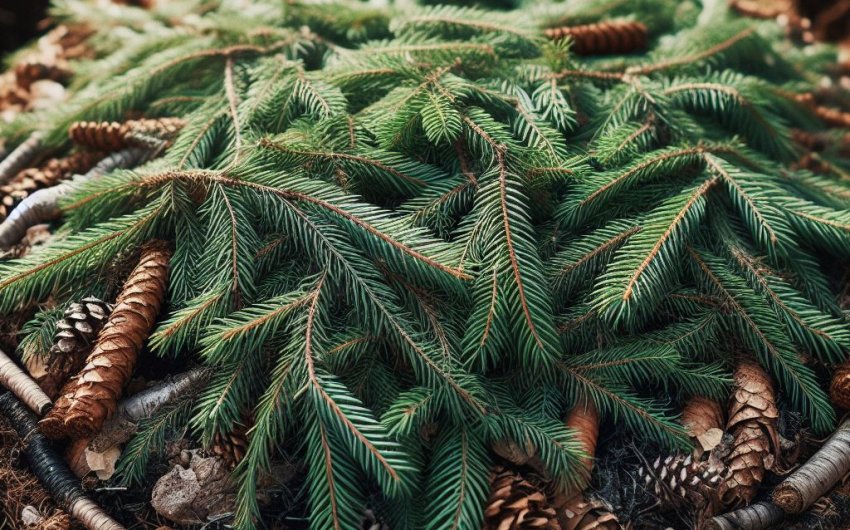
If you're lucky enough to live near pine trees, you know the annual deluge. Come autumn, those beautiful, fragrant needles drop, sometimes covering your lawn and garden beds in a thick, golden-brown carpet. As a gardener, you might look at this abundance and wonder, "Can I compost pine needles? Or are they too acidic? Do they break down?"
The good news is, absolutely! Pine needles are a fantastic addition to your compost pile, offering unique benefits that can contribute to creating that perfect "black gold" for your garden. However, there's a bit of a needle on the pine needles, so to speak – they have a few quirks that are important to understand to use them safely and effectively in your compost.
This guide will unravel the mysteries of pine needles in composting. We'll explore why they are so valuable, address common concerns (like acidity and decomposition time), and provide practical tips for successfully integrating them into your compost pile. Get ready to transform that autumnal bounty into a powerful boost for your garden soil!
Are Pine Needles Good for Compost?
This is a common question, and the answer is a resounding yes! Pine needles are indeed a valuable addition to your compost pile, offering several unique benefits that can contribute to a healthier, more balanced finished product. They are not the "bad guys" some gardeners might fear.
1. Excellent "Brown" Material (Carbon-Rich)
In composting terms, pine needles are considered a "brown" material. This means they are rich in carbon, which is essential for a balanced compost pile.
- Carbon Source: Microbes that break down organic matter need both nitrogen ("greens") and carbon ("browns") to thrive. Pine needles provide that crucial carbon component.
- Balancing Act: They help balance out nitrogen-heavy materials like kitchen scraps and fresh grass clippings, preventing your compost pile from becoming slimy, smelly, and anaerobic (lacking oxygen).
2. Adds Structure and Aeration
One of the best qualities of pine needles in compost is their unique shape.
- Prevent Compaction: Unlike finely shredded leaves or grass clippings that can mat down and become dense, pine needles retain their individual, needle-like shape even when packed together. This means they help create air pockets throughout the compost pile.
- Improved Airflow: These air pockets are vital for good aeration. Oxygen is essential for the aerobic microbes (the good ones!) that break down organic matter efficiently and without producing foul odors. Proper airflow also helps the pile heat up.
- Prevents Matting: They prevent other finer materials from clumping together and becoming a soggy, anaerobic mess.
3. Natural Porosity: Good for Moisture
Pine needles are somewhat water-repellent at first, but their loose structure actually aids in moisture management.
- Slow Release of Moisture: While they don't absorb water as quickly as a sponge, their loose nature allows water to flow through the pile, distributing moisture evenly and preventing soggy spots, which can lead to bad smells.
4. Soil Amendment Benefits (Post-Composting)
Once fully composted, pine needles blend seamlessly into your finished compost, contributing to soil health.
- Improved Drainage: Their fibrous nature (even when decomposed) continues to improve soil drainage, particularly beneficial for heavy clay soils.
- Lightening Soil: They add organic matter that can help loosen and lighten compacted soils.
- Weed Suppression: In their original form as a mulch, pine needles are excellent at suppressing weeds. While fully composted, they contribute to the overall weed-suppressing quality of your compost.
5. Readily Available and Free!
If you have pine trees in your yard or nearby, pine needles are a practically endless and free resource for your compost pile. This makes them a highly sustainable and cost-effective amendment. Collecting them also helps keep your yard tidy!
What About Acidity?
This is the most common concern about pine needles, and it's largely a myth when it comes to finished compost.
- Fresh Needles are Acidic: Freshly fallen pine needles do have a slightly acidic pH (around 3.2-3.8). This is why they are often used as a direct mulch around acid-loving plants like blueberries or rhododendrons.
- Composting Neutralizes Acidity: However, the composting process itself is a powerful neutralizer. As organic materials break down, the intense microbial activity naturally drives the compost's pH towards neutral (around 6.0-7.0), regardless of the starting pH of the ingredients. By the time your pine needles are fully composted into "black gold," their acidity will have been largely neutralized.
- No Need to Worry: So, you don't need to worry about your finished compost being overly acidic because you added pine needles.
In short, don't let those fallen needles go to waste! With a few simple considerations, pine needles are an excellent and beneficial addition to your compost, contributing to structure, aeration, and valuable organic matter.
What Are the Challenges of Composting Pine Needles?
While pine needles are a great addition to your compost, they do come with a few quirks that, if not managed, can slow down your composting process. Understanding these challenges is key to successfully integrating them into your "black gold" system.
1. Slow Decomposition Rate: Tough and Waxy
This is the main "challenge" with pine needles. They take longer to break down compared to softer materials like vegetable scraps or fresh leaves.
- Waxy Coating: Each needle has a tough, waxy outer coating that protects it from drying out. This coating also makes it harder for microbes to penetrate and begin the decomposition process.
- High Lignin Content: Pine needles have a high content of lignin, a complex organic polymer that gives plants rigidity. Lignin is very resistant to microbial breakdown, making it slower to decompose than cellulose (found in softer plant materials).
- Solution: Shredding or Chopping! The best way to overcome slow decomposition is to physically break down the needles into smaller pieces. A leaf shredder, wood chipper, or even a lawnmower (with a bagging attachment) can do this. Smaller pieces mean more surface area for microbes to work on, significantly speeding up the process. Even running over them with a lawnmower a few times can help. A good leaf shredder for yard waste can process large quantities.
2. Can Create Matted Layers (If Not Mixed Well)
While their needle shape helps with aeration, if added in a huge, unmixed clump, they can still create problems.
- Dense Layers: A thick, unmixed layer of pine needles can act like a mat, preventing air and moisture from properly penetrating that section of the pile. This can lead to anaerobic (stinky!) pockets and very slow breakdown.
- Solution: Mix Thoroughly! Always mix pine needles well with other materials in your compost pile. Never add a giant, thick layer of only needles. Alternate them with layers of "greens" and other "browns," and turn your pile regularly to integrate them.
3. Initial Acidity: A Temporary Concern
As mentioned, fresh pine needles are acidic. While this acidity is neutralized during the composting process, it's worth being aware of.
- Solution: Ensure a balanced compost pile. The neutralizing effect comes from the diversity of materials and microbial activity. As long as you're mixing pine needles with other browns and plenty of greens, the finished compost will have a near-neutral pH. You don't need to add lime to your compost pile specifically for pine needles.
4. Need for Nitrogen Balance: More Browns Means More Greens!
Because pine needles are a carbon-heavy "brown" material, adding a lot of them means your compost pile will need more "greens" (nitrogen-rich materials) to maintain a healthy balance.
- High C:N Ratio: Pine needles have a high carbon-to-nitrogen (C:N) ratio. For optimal composting, your overall pile needs a C:N ratio of about 25-30 parts carbon to 1 part nitrogen. If you add too many pine needles without enough greens, decomposition will slow down dramatically.
- Solution: Whenever you add a large amount of pine needles, make sure you have a good supply of nitrogen-rich materials like fresh grass clippings, kitchen scraps, coffee grounds, or even a sprinkle of blood meal. This will provide the necessary nitrogen to help break down the woody carbon in the needles.
5. Spreading Undesirable Seeds (if from cones)
While generally clean, if you're collecting pine needles that also include mature pine cones or if seeds have fallen among the needles, these seeds might not break down and could sprout in your garden.
- Solution: Try to avoid collecting cones with your needles, or ensure your compost pile reaches and maintains consistently high "hot composting" temperatures (130-160°F) to kill any viable seeds.
By addressing these challenges head-on – primarily through shredding, proper mixing, and ensuring a good green-to-brown ratio – you can effectively compost pine needles and transform them into a valuable resource for your garden.
How to Successfully Compost Pine Needles?
Now that we know the benefits and challenges, let's get down to the practical tips for composting pine needles successfully. It's all about preparation and maintaining that golden balance in your compost pile.
1. Shred or Chop Them Up! (Highly Recommended)
This is the single most important step to speed up the decomposition of pine needles.
- Why: Smaller pieces mean more surface area for microbes to work on. It also helps prevent matting.
- Methods:
- Lawnmower: Rake a pile of needles onto your lawn or a tarp, then run over them several times with your lawnmower (with a bagging attachment if possible). This is a very effective and easy method.
- Leaf Shredder/Vacuum: A dedicated leaf shredder or leaf vacuum with a shredding function will quickly process large quantities of needles.
- Wood Chipper/Shredder: If you have access to one, it can handle needles mixed with small twigs.
- Manual (Less Effective for Large Volume): You can stomp on them or use garden shears, but it's very tedious for large amounts.
2. Mix with Plenty of "Greens" (Nitrogen)
Because pine needles are a strong "brown" (carbon-rich) material, they need a good amount of "greens" (nitrogen-rich) to break down effectively and prevent odors.
- Ratio: Aim for at least 1 part greens to 2-3 parts shredded browns (including pine needles) by volume.
- Green Sources: Fresh grass clippings, kitchen fruit and vegetable scraps, coffee grounds, fresh weeds, green plant trimmings.
- Strategic Addition: When adding a batch of shredded pine needles, make sure you also add a comparable amount of fresh green material at the same time. This provides the nitrogen microbes need to digest the carbon.
3. Layer and Mix Thoroughly!
Avoid adding large, unmixed clumps of pine needles.
- Layering (Initial Setup): When starting a new pile, alternate thin layers of browns (including shredded pine needles), greens, and soil (optional).
- Mixing (Ongoing): As you add new materials (especially kitchen scraps and pine needles), make sure to mix them well into the existing compost pile. This distributes the moisture, nutrients, and microbes evenly, preventing soggy or dry pockets.
- Turning: Regular turning (every few days to once a week for active piles) is essential for mixing and aeration.
4. Maintain Consistent Moisture
Your compost pile needs to be moist, like a damp sponge.
- Check Regularly: If the shredded pine needles feel dry, mist them with water as you add them and as you turn the pile.
- Balancing Act: If your pile gets too wet, add more dry browns (including dry pine needles) to absorb excess moisture.
5. Monitor for Heat (for Faster Composting)
For fastest decomposition and to neutralize the initial acidity of pine needles, aim for a "hot" compost pile.
- Heating Up: A hot pile (130-160°F or 54-71°C) means the microbes are working efficiently.
- Factors for Heat: Proper green/brown ratio, adequate moisture, good aeration (turning), and sufficient pile size (at least 3x3x3 feet).
- Compost Thermometer: Use a compost thermometer to check temperatures in the center of your pile.
6. Location Considerations (Temporary Acidity)
While the finished compost won't be overly acidic, consider where you temporarily store large quantities of fresh pine needles or use them as a direct mulch.
- Acid-Loving Plants: Fresh pine needles are an excellent mulch for acid-loving plants like blueberries, rhododendrons, azaleas, and camellias, as they will slowly contribute to soil acidity as they break down.
- Temporary Piles: If you have a huge amount of needles to stockpile before adding them to your compost, store them in a way that won't significantly alter the pH of the soil underneath long-term if that's a concern for nearby plants.
By diligently applying these tips for composting, you can effectively harness the power of pine needles, turning a common yard waste into a valuable, perfectly balanced component of your garden's black gold. Don't let their unique properties intimidate you; they're a compost hero in disguise!