
Oceanic Offerings: Harnessing Seaweed's Compost Magic!
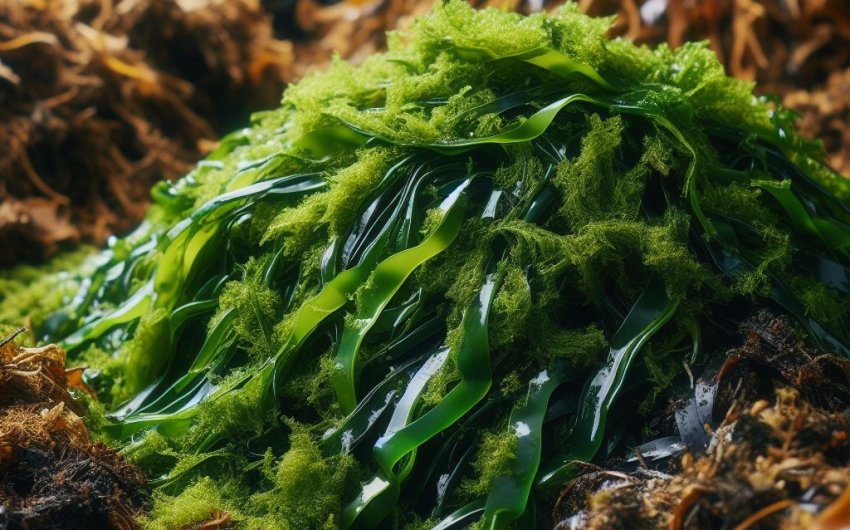
Harnessing seaweed's compost magic transforms ordinary garden waste into an extraordinary soil amendment, infusing your beds with a wealth of trace minerals, growth hormones, and beneficial compounds. This oceanic offering supercharges your compost, leading to remarkably healthier plants, improved soil structure, and more abundant harvests.
What Makes Seaweed So Magical for Compost and Gardens?
Seaweed is an incredibly powerful organic amendment for compost and gardens, earning its "magic" status from its unique composition. It's truly an oceanic offering for your soil.
Rich in Trace Minerals and Micronutrients
- Complete Micronutrient Profile: Unlike land plants, seaweed absorbs a vast array of minerals directly from the ocean. It contains almost every known trace element essential for plant growth, including calcium, magnesium, sulfur, iron, zinc, boron, and manganese. Many garden soils are depleted in these vital micronutrients.
- Chelated Form: The minerals in seaweed are often in a naturally chelated form, meaning they are bound to organic molecules. This makes them more readily available for plant uptake compared to synthetic mineral supplements.
Natural Plant Growth Hormones
- Auxins: Promote root development and cell elongation.
- Gibberellins: Stimulate cell division and stem elongation, contributing to overall plant growth.
- Cytokinins: Promote cell division, lateral bud development, and delay senescence (aging) in plants.
- Benefits: These hormones, when introduced via seaweed compost, can stimulate stronger root systems, more vigorous growth, increased flowering, and better fruit set.
Alginates: Soil Conditioning Superpowers
- Polysaccharides: Seaweed is rich in alginates, which are complex carbohydrates (polysaccharides).
- Soil Structure Improvement: Alginates bind soil particles together, creating a crumbly, aerated structure. This improves drainage in heavy clay soils and increases water retention in sandy soils.
- Enhanced Nutrient Retention: The improved soil structure helps the soil hold onto nutrients longer, preventing leaching.
Beneficial Carbohydrates and Proteins
- Food for Microbes: Seaweed provides a readily available food source for beneficial soil microorganisms, fungi, and earthworms. A thriving microbial community is essential for nutrient cycling, disease suppression, and overall soil health.
- Protein Content: Contains proteins that contribute nitrogen to the compost.
Disease and Pest Resistance
- Natural Compounds: Some compounds in seaweed, such as fucoidans and laminarin, have been shown to boost a plant's natural immune response, making them more resilient to certain diseases.
- Nutrient Balance: Healthy, well-nourished plants are inherently more resistant to pests and diseases. The complete nutrition from seaweed contributes to this robustness.
Environmentally Friendly
- Sustainable Resource: Seaweed is a renewable resource harvested from the ocean.
- Non-Polluting: It's an organic material that breaks down naturally, without introducing harmful chemicals or salt buildup (if properly prepared).
Table: Why Seaweed is a Compost & Garden Powerhouse
| Feature | Description | Benefit to Plants & Soil |
|---|---|---|
| Trace Minerals | Contains virtually all essential micronutrients | Addresses deficiencies, comprehensive nutrition |
| Growth Hormones | Auxins, Gibberellins, Cytokinins | Stimulates root, shoot, and overall growth |
| Alginates | Polysaccharides, soil conditioners | Improves soil structure, water retention, drainage |
| Carbohydrates/Proteins | Food source for microbes, nitrogen contribution | Feeds soil food web, enhances nutrient cycling |
| Disease Resistance | Boosts plant immunity | Healthier plants, fewer disease issues |
How Do You Source and Prepare Seaweed for Composting?
Harnessing seaweed's compost magic begins with proper sourcing and preparation. While collecting your own is ideal, store-bought options are also available.
Sourcing Seaweed: From Beach to Bag
- Coastal Collection:
- Timing: Collect fresh seaweed that has recently washed ashore. After a storm is often a good time.
- Location: Collect from clean beaches, away from storm drains, industrial runoff, or heavily polluted areas.
- Permission: Always check local regulations regarding seaweed collection. Some beaches have restrictions.
- Avoid: Do not take seaweed that is still alive and attached to rocks; this damages the ecosystem. Avoid piles that look oily or are covered in trash.
- Garden Store/Online:
- Dried Seaweed Meal/Powder: Easily available as a soil amendment or compost additive. It's already processed, often rinsed and dried, making it convenient. A Seaweed Meal Organic Fertilizer is a popular choice.
- Liquid Seaweed Extract: While not for composting, this is a highly concentrated form used as a foliar spray or soil drench, offering rapid nutrient uptake.
Preparing Fresh Seaweed for Compost
The most important step for fresh seaweed is dealing with the salt content.
- Rinsing:
- Crucial Step: Thoroughly rinse fresh seaweed with fresh water. You can do this by spreading it out on a tarp and hosing it down, or submerging it in a large tub of fresh water and letting it soak for a few hours (changing the water once or twice).
- Why: Removing excess salt is vital. While plants need trace minerals, too much salt can harm soil microbes and directly damage plants.
- Chopping (Optional, but Recommended):
- Smaller Pieces, Faster Decomposition: Chop larger pieces of seaweed into smaller segments (e.g., 2-6 inches or 5-15 cm). This increases the surface area for microbes to work on, speeding up decomposition in your compost pile.
- Methods: You can use garden shears, pruners, or even run over dried seaweed with a lawnmower (be careful!).
- Drying (Optional, for Storage):
- Prevents Decomposition Before Use: If you collect a large amount of seaweed and don't plan to use it all immediately, dry it thoroughly in the sun or a well-ventilated area. Once crispy, store it in breathable bags (like burlap sacks) in a dry place. This prevents it from rotting or smelling before it reaches your compost pile.
Quantity and Quality
- Fresh vs. Dried: Fresh seaweed (especially after rinsing) has a high water content. You'll need more fresh seaweed by weight than dried seaweed meal to achieve the same nutrient benefits.
- Variety of Species: Different types of seaweed (kelp, rockweed, dulse, etc.) offer slightly different nutrient profiles. A mix can be beneficial, but any will offer good value.
Table: Seaweed Sourcing & Preparation Steps
| Step | Description | Why it's Important |
|---|---|---|
| Sourcing | Collect fresh (rinsed) or buy dried meal/liquid | Ensures safety & quality |
| Rinsing | Thoroughly wash fresh seaweed with fresh water | Removes excess salt, prevents soil harm |
| Chopping | Cut into smaller pieces (2-6 inches) | Speeds up decomposition in compost |
| Drying | Sun/air dry for storage | Prevents rot/odor before composting |
How Do You Add Seaweed to Your Compost Pile for Maximum Magic?
Integrating seaweed into your compost pile requires a layered approach to ensure optimal decomposition and truly harness seaweed's compost magic.
Seaweed as a "Green" Component
- High Nitrogen: Fresh seaweed is considered a "green" material in composting terms, meaning it's relatively high in nitrogen. This is crucial for balancing out "brown" (carbon-rich) materials like dry leaves, wood chips, and straw.
- Ideal Ratio: Aim for a good balance of greens and browns in your compost pile (roughly 2-3 parts brown to 1 part green by volume) to ensure efficient decomposition. Seaweed can be your primary "green" if you have a lot of browns.
Layering Method: The Compost Sandwich
- Start with Browns: Begin your compost pile with a layer of coarser brown materials (e.g., twigs, shredded branches) for aeration.
- Add Browns and Greens: Alternate layers of chopped, rinsed seaweed (your "green") with layers of brown materials.
- Thin Layers: Keep seaweed layers relatively thin (a few inches or 5-10 cm). A thick, dense layer of fresh seaweed can become slimy and anaerobic, creating odors and slowing decomposition.
- Mix In: Mix the seaweed thoroughly with the surrounding brown materials. This ensures good airflow and even distribution of nutrients.
- Add Other Green Materials: Incorporate other kitchen scraps and garden greens as usual.
- Finish with Browns: Always cap off each new addition of green material (especially smelly kitchen scraps) with a layer of brown material. This helps deter pests and contain odors.
Moisture and Aeration: Essential for Decomposition
- Moisture: Maintain consistent moisture in your compost pile, like a wrung-out sponge. Seaweed has a high water content, but you may still need to add water during dry spells or if your brown-to-green ratio is very high on the brown side.
- Aeration: Turn your compost pile regularly (weekly to bi-weekly) to introduce oxygen. This fuels the aerobic microorganisms responsible for breaking down the materials, including seaweed. Good airflow also prevents anaerobic conditions and odors. A compost aerator or a pitchfork can be used for turning. A Compost Turning Fork makes the job easier.
Quantity of Seaweed
- Moderate Amounts: While highly beneficial, avoid making seaweed the overwhelming majority of your compost pile. A good balance with other organic materials is best for a well-rounded compost product.
- Integration: Aim to integrate seaweed as a regular addition, perhaps whenever you collect a batch, rather than trying to compost a huge pile all at once.
Using Seaweed Meal Directly in Compost
- Even Distribution: If using dried seaweed meal, sprinkle it lightly between layers of your compost pile. This will boost the nitrogen content and introduce trace minerals evenly.
- Speed Up Breakdown: It can act as a catalyst, especially when added to piles that are heavy on carbon.
Table: Adding Seaweed to Compost Best Practices
| Practice | Description | Why it Works |
|---|---|---|
| Layering | Alternate thin layers of seaweed with browns | Ensures aeration, prevents sliminess |
| Mixing | Incorporate seaweed into surrounding materials | Even distribution of nutrients & microbes |
| Moisture Control | Maintain "wrung-out sponge" consistency | Essential for microbial activity |
| Aeration (Turning) | Regular turning for oxygen delivery | Fuels decomposition, prevents odors |
| Quantity | Moderate amounts, balanced with other greens/browns | Ensures balanced compost |
What Are the Benefits of Using Seaweed-Enriched Compost in Your Garden?
The true culmination of harnessing seaweed's compost magic is witnessing the transformative benefits it brings to your garden. This oceanic offering will nurture your plants like no other.
Supercharged Soil Fertility
- Complete Nutrition: Seaweed-enriched compost provides a broad spectrum of readily available macronutrients (N, P, K) from other compost materials, combined with a comprehensive range of trace minerals and micronutrients unique to the ocean. This complete nutrition fosters exceptionally healthy plant growth.
- Slow-Release Feeding: Nutrients are released slowly as the organic matter decomposes, providing a steady food source for your plants throughout the growing season, reducing the need for synthetic fertilizers.
- Enhanced Nutrient Uptake: The growth hormones and alginates in seaweed improve the plant's ability to absorb and utilize available nutrients from the soil.
Improved Soil Structure and Water Management
- Aggregates Soil: The alginates in seaweed bind soil particles into stable "aggregates." This creates a crumbly, porous soil structure.
- Better Drainage: For heavy clay soils, this improves drainage and prevents waterlogging.
- Increased Water Retention: For sandy soils, it increases water-holding capacity, so you water less often.
- Enhanced Aeration: More air pockets in the soil mean better oxygen supply to roots, leading to stronger root systems.
- Erosion Control: Healthy soil structure is less prone to erosion from wind and rain.
Boosted Plant Health and Resilience
- Stronger Roots: Auxins from seaweed promote vigorous root growth, leading to more resilient plants that can better withstand drought and nutrient stress.
- Increased Vigor: The natural growth hormones result in lush, robust foliage and stronger stems.
- Enhanced Flowering and Fruiting: The balanced nutrition, particularly potassium and phosphorus, along with growth hormones, promotes more abundant blooms and larger, higher-quality fruits and vegetables.
- Stress Tolerance: Seaweed's compounds help plants cope better with environmental stresses like heat, cold, and drought.
Natural Pest and Disease Resistance
- Boosted Immunity: Compounds like laminarin and fucoidans in seaweed trigger a plant's natural defense mechanisms, making them more resistant to certain fungal diseases and even some insect pests.
- Healthy Plant Defense: Well-nourished, unstressed plants are inherently more capable of fending off pests and diseases on their own, reducing the need for chemical interventions.
- Beneficial Microbes: The rich microbial life fostered by seaweed-enriched compost also contributes to disease suppression in the soil.
Revitalizing Depleted Soils
- Bringing Life Back: For gardens with depleted or poor soils, regularly adding seaweed-enriched compost can fundamentally transform the soil, building organic matter, adding a full spectrum of nutrients, and stimulating microbial activity, bringing the soil back to life.
Table: Benefits of Seaweed-Enriched Compost in the Garden
| Benefit | Description | Impact on Your Garden & Harvest |
|---|---|---|
| Supercharged Fertility | Complete macro/micronutrient profile, slow release | Exceptionally healthy, nutrient-rich plants |
| Improved Soil Structure | Better drainage, increased water retention, aeration | Reduces watering, healthier roots |
| Boosted Plant Health | Stronger roots, vigor, enhanced blooms/fruits | More abundant, higher-quality harvests |
| Pest/Disease Resistance | Boosts plant immunity, natural defenses | Fewer pest/disease issues, less intervention |
| Soil Revitalization | Adds life, organic matter to depleted soils | Transforms poor soil into fertile ground |
By incorporating this oceanic offering into your compost regimen, you are truly harnessing seaweed's compost magic, creating a thriving, productive, and incredibly resilient garden ecosystem that benefits from the boundless richness of the sea.