
Fabric to Fertility: Transforming Fabric Scraps into Compost!
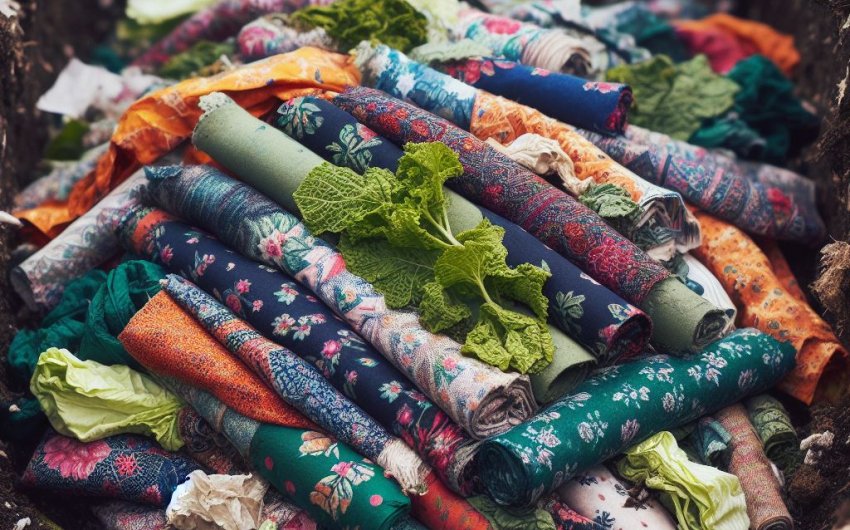
Do you love sewing, crafting, or simply dealing with old clothes? If so, you probably end up with a pile of fabric scraps. What happens to them? Often, they end up in the trash, destined for a landfill. But what if there was a way to give those seemingly useless bits of cloth a new life, enriching your garden in the process? Get ready to discover the fascinating world of transforming fabric scraps into compost! This isn't just a quirky idea; it's a powerful way to reduce textile waste, enrich your soil, and contribute to a more sustainable lifestyle. Imagine your old cotton t-shirt helping your tomatoes grow! It's an act of "fabric to fertility," turning waste into a valuable resource for a thriving garden.
Why Compost Fabric Scraps?
Composting fabric might sound unusual, but it aligns perfectly with the principles of waste reduction and soil enrichment.
1. Reduce Textile Waste
Textile waste is a huge problem. Our landfills are overflowing with discarded clothing and fabric.
- Slow Decomposition: Synthetic fabrics can take hundreds of years to break down, if ever. Even natural fabrics take up space and release methane (a powerful greenhouse gas) in oxygen-starved landfills.
- Environmental Impact: Reducing textile waste lessens the burden on landfills and reduces the demand for new materials, which often come with significant environmental costs (water use, pesticides, dyes).
2. Enrich Your Soil
When natural fibers break down, they add valuable organic matter to your compost.
- Carbon Source: Fabric scraps act as a "brown" material in your compost pile, providing carbon, which is essential for a balanced compost.
- Improved Soil Structure: Organic matter helps improve soil structure, increasing its ability to hold water and nutrients, and making it more hospitable for beneficial microbes.
- Nutrient Release: As the fabric breaks down, it slowly releases any nutrients it contains into the compost, which then feeds your plants.
3. Sustainable Gardening
Composting fabric scraps fits perfectly into a holistic approach to gardening.
- Closed Loop System: You're taking something that would be waste and turning it into something that nourishes your garden, creating a beautiful closed-loop system.
- Resourcefulness: It encourages a mindset of using what you have and minimizing your footprint.
4. It's Surprisingly Easy
Once you know what fabrics to use and how to prepare them, composting fabric is straightforward and rewarding.
What Fabrics Can Be Composted?
This is the most crucial part! NOT all fabrics are compostable. You must stick to natural fibers that haven't been treated with harmful synthetic dyes or chemicals.
The "Yes" List (Natural Fibers)
These fabrics are made from plant or animal fibers and will break down over time.
1. Cotton (100% Raw or Undyed)
- Best Choice: 100% cotton is the gold standard for fabric composting. It breaks down relatively quickly and is widely available.
- Sources: Old cotton t-shirts, worn-out jeans (remove zippers/rivets), cotton towels, bed sheets, cotton scraps from sewing projects, old cotton underwear.
- Key: Look for raw, unbleached, or undyed cotton for the best results.
2. Linen
- Excellent: Linen, made from the flax plant, is another fantastic option. It's very strong but will eventually break down.
- Sources: Old linen clothing, tablecloths, or fabric scraps.
3. Hemp
- Highly Compostable: Hemp fabric is durable and very natural, making it excellent for composting.
- Sources: Old hemp clothing or fabric.
4. Bamboo (Viscose from Bamboo, Lyocell from Bamboo)
- Compostable: While the processing of bamboo to make fabric (viscose) can be chemical-intensive, the resulting fabric itself is biodegradable. If you have bamboo fabric scraps, they will break down. Look for certified bamboo fabrics (e.g., Oeko-Tex Standard 100) if possible.
5. Rayon / Viscose
- Generally OK: Rayon and viscose are semi-synthetic fibers made from regenerated cellulose (plant pulp). They are generally biodegradable in compost. However, like bamboo viscose, their manufacturing can be less eco-friendly than cotton.
6. Wool (100% Natural, Undyed)
- Good Choice: 100% natural wool is biodegradable and adds nitrogen to your compost.
- Sources: Old wool sweaters, socks, blankets.
- Key: Ensure it's untreated. Avoid "superwash" wool or wool treated for moth resistance, as these can contain synthetic coatings or chemicals.
- Cut Small: Wool can take a bit longer to break down than cotton.
7. Silk
- Compostable: A natural protein fiber, silk will break down in compost. It's often used sparingly due to its cost.
The "No" List (Synthetic, Blends, or Treated Fabrics)
AVOID these fabrics at all costs in your compost pile. They will not break down, or they can introduce harmful chemicals.
1. Polyester, Nylon, Acrylic, Spandex (Lycra), Microfiber, Rayon/Viscose (if heavily treated)
- NOT Biodegradable: These are plastics. They will simply remain in your compost pile as tiny plastic fibers, contaminating your soil and the environment.
2. Fabric Blends
- Avoid unless 100% Natural: Most common clothing items are blends (e.g., 60% cotton, 40% polyester). Even a small percentage of synthetic fiber makes the entire piece unsuitable for composting. It's nearly impossible to separate the natural from the synthetic fibers once broken down.
3. Dyed Fabrics (Especially Bright or Chemical Dyes)
- Risk of Toxins: While some natural dyes are fine, it’s often impossible to tell what kind of dye has been used on commercial fabrics. Many synthetic dyes contain heavy metals or other chemicals that you absolutely do not want leaching into your compost and then into your garden soil.
- When in Doubt, Leave It Out: This is a good rule for colored fabrics. Stick to unbleached or very lightly colored, obviously natural fabrics.
4. Treated Fabrics
- Chemical Concerns: Fabrics treated for stain resistance, water repellency, wrinkle resistance, flame retardancy, or permanent press contain chemicals that are not compost-friendly and can be harmful to your soil.
5. Elastic and Zippers
- Remove Always: Even on a 100% cotton item like underwear, always remove any elastic bands, zippers, buttons, snaps, or metal rivets. These are not compostable.
How Do You Prepare Fabric Scraps for Composting?
Proper preparation is crucial for successful breakdown and to avoid contamination.
1. Identify and Sort Carefully
This is the most important step.
- Read Labels: Always check the fabric content label of clothing. If it doesn't say "100% cotton," "100% linen," "100% hemp," or "100% wool/silk," then do not compost it.
- The Burn Test (Advanced): For unknown fabrics, a burn test can help identify natural vs. synthetic. Natural fibers often burn to ash, while synthetics melt and form a hard bead. This should be done carefully in a fire-safe area.
- Separate Components: If composting clothing, cut off all buttons, zippers, elastic bands, tags, and any non-fabric embellishments.
2. Cut into Small Pieces
Size matters for decomposition speed.
- Smaller is Faster: The smaller the pieces, the quicker they will break down. Aim for pieces no larger than 1-2 inches (2-5 cm).
- Scissors or Shredder: Use sharp scissors or a fabric shredder to cut or shred the fabric. This increases the surface area for microbes to work on. A heavy duty fabric scissors will make the job easier.
3. Remove Any Labels or Printing
Even on 100% cotton T-shirts, the printed designs (plastisol or vinyl) are plastic and not compostable. Cut these sections out.
4. Clean the Fabric
Ensure the fabric is clean and free of any residues.
- Wash if Needed: If the fabric scraps are dirty or greasy, wash them before composting. Avoid using harsh detergents, just a simple rinse.
How Do You Add Fabric Scraps to Your Compost Pile?
Adding fabric scraps is like adding any other "brown" (carbon-rich) material to your compost pile.
1. Balance is Key
Composting works best with a good balance of "greens" (nitrogen-rich materials like food scraps, fresh grass clippings) and "browns" (carbon-rich materials like dry leaves, wood chips, paper, and now, fabric scraps).
- Carbon Source: Fabric scraps are a slow-release carbon source. Don't add too much at once.
- Ratio: Aim for a roughly 2:1 or 3:1 ratio of browns to greens by volume.
2. Integrate, Don't Just Dump
- Layering: Don't just dump a pile of fabric scraps on top. Integrate them by layering them with other compost materials. For example, a layer of food scraps, then a thin layer of shredded fabric, then some dry leaves.
- Mix Well: After adding new materials, turn your compost pile to mix everything thoroughly. This distributes the carbon, aids aeration, and ensures even decomposition. A good compost aerator tool helps mix and aerate.
3. Maintain Moisture and Aeration
- Moisture: Your compost pile should be consistently moist, like a wrung-out sponge. Dry compost won't break down efficiently. Fabric scraps absorb water, which can be helpful, but ensure the overall pile remains moist.
- Aeration: Regular turning (aerating) the pile is crucial. It provides oxygen to the microbes that do the breaking down. This is especially important for dense materials like fabric scraps to prevent them from becoming matted and anaerobic (lacking oxygen), which can lead to odors.
4. Patience (More Than Food Scraps)
Fabric scraps, especially denser ones like denim or wool, will take longer to break down than typical food waste.
- Expect Months: Depending on the size of the pieces and the health of your compost pile, it could take several months to a year or more for fabric scraps to fully disappear into the compost.
- Partial Breakdown is Fine: Even if they haven't completely disappeared, partially broken-down fibers can still be incorporated into your garden soil as they will continue to break down there.
What Are Some Creative Ways to Use Fabric Scraps (Even if Not Composting All)?
While composting is a fantastic option for fabric to fertility, there are other creative ways to give your fabric scraps a second life, further reducing waste.
1. Rags and Cleaning Cloths
- Ultimate Reuse: Cut larger cotton or linen scraps into usable sizes for cleaning rags around the house or garage. This is a classic and very practical way to extend their life.
- No Paper Towels: Replacing disposable paper towels with reusable fabric rags significantly reduces waste.
2. Crafts and Sewing Projects
- Patchwork and Quilting: Small fabric scraps are perfect for patchwork, quilting, or appliqué projects.
- Stuffed Animals or Dolls: Use soft cotton scraps for stuffing small fabric toys or pillows.
- Fabric Coasters or Placemats: Sew scraps together to create unique home decor items.
- T-Shirt Yarn: Cut old t-shirts into continuous strips to make "t-shirt yarn" which can be crocheted or knitted into mats, baskets, or bags.
3. Gardening Aids
- Weed Barriers: Larger pieces of natural fabric (like old cotton sheets) can be laid down as a temporary weed barrier in garden beds, covered with mulch. They will eventually break down.
- Plant Ties: Cut strips of soft cotton fabric to use as gentle ties for supporting plants, especially delicate stems or climbing vines.
- Seed Starting: Small pieces of natural fabric can be used in the bottom of pots to prevent soil from washing out.
4. Pet Bedding
- Shred soft, natural fabric scraps to use as bedding for small animal cages (like hamsters or guinea pigs) or as stuffing for pet beds. Ensure the fabric is clean and safe for ingestion if your pet is prone to chewing.
5. Donate or Textile Recycling
- If Not Compostable: For fabrics that can't be composted (synthetics, blends, or treated), consider donating them to textile recycling programs. Many communities have collection points for worn-out clothing and textiles that can't be resold. These are often repurposed into insulation, rags, or carpet padding.
Troubleshooting Fabric Scrap Composting
Even with careful planning, sometimes questions or minor issues arise.
1. Fabric Not Breaking Down
Problem: Pieces of fabric remain intact for a very long time.
- Cause:
- Pieces are too large: Cut smaller.
- Not enough nitrogen (greens): Add more food scraps, fresh grass clippings, or manure.
- Lack of moisture: Water the pile.
- Lack of aeration: Turn the pile more frequently.
- Incorrect fabric type: Double-check that you're only composting 100% natural fibers without synthetic dyes or treatments. This is the most common reason for non-decomposition.
2. Foul Odors
Problem: Your compost pile smells rotten or sour.
- Cause: Too much nitrogen (greens) and not enough carbon (browns), or lack of aeration (anaerobic conditions).
- Solution:
- Add More Browns: Mix in more shredded fabric, dry leaves, shredded cardboard, or wood chips.
- Turn the Pile: Aerate the pile thoroughly to introduce oxygen.
3. Attracting Pests
Problem: Rodents or insects are attracted to your compost.
- Cause: This is less common with fabric scraps themselves, but could be due to:
- Uncovered Pile: Ensure your compost pile is covered, especially if it contains food scraps.
- Too Many Food Scraps (greens): Balance with browns.
- Grease/Oil: Avoid adding greasy food scraps.
- Solution: Ensure proper ratios and aeration. Keep the pile covered.
4. Dealing with Dyes
Problem: Concern about chemicals from dyes.
- Cause: Many synthetic dyes contain harmful substances.
- Solution:
- Prioritize Undyed/Raw Fabric: Whenever possible, stick to natural-colored or undyed cotton, linen, hemp, wool, or silk.
- Avoid Bright Colors: If you're unsure about the dye, avoid bright or intense colors. Pastel or very faded colors are generally safer.
- "When in Doubt, Throw it Out": If you have any doubt about the fabric content or dye safety, it's better to keep it out of your compost. Recycle it through textile recycling if available.
5. Small Scale Composting
Problem: I only have a small worm bin or indoor composter. Can I add fabric?
- Worm Bins (Vermicomposting): Worms can break down small amounts of very finely shredded, undyed natural fibers like cotton. However, it's a very slow process for them. Introduce very small quantities to see how your worms react. Overloading them can stress the colony.
- Electric Kitchen Composters: These typically use heat and grinding to dehydrate food waste, turning it into a soil amendment. They are generally not designed for fibrous materials like fabric. Always check your specific model's manual, but most are for food scraps only.
By carefully selecting and preparing your fabric scraps, you can unlock their potential for fabric to fertility, transforming what was once waste into a valuable amendment for your garden. It’s a wonderful way to close the loop on textile consumption and cultivate a healthier, more sustainable garden right in your backyard. So, next time you prune your sewing stash or declutter your closet, think twice before tossing those natural fiber scraps – they might just be your garden’s next treasure!