
How to Build a Rain Garden for Water Conservation?
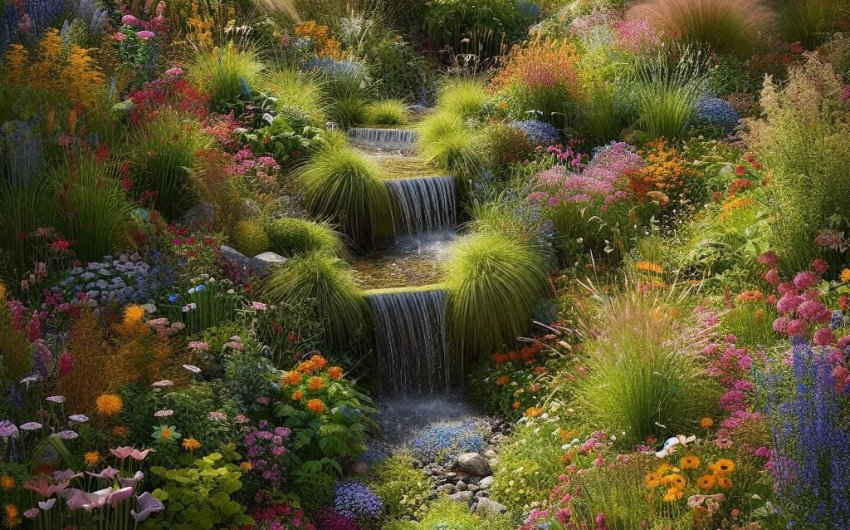
To build a rain garden for water conservation, first identify a suitable location that collects stormwater runoff but is at least 10 feet from your home's foundation. Then, excavate a shallow basin, amend the soil with compost and sand to improve drainage, and plant a diverse selection of native plants suited to both wet and dry conditions.
What is a Rain Garden and Why Build One?
A rain garden is essentially a depressed garden bed designed to collect and absorb stormwater runoff from impervious surfaces like rooftops, driveways, and patios. Instead of allowing this water to rush into storm drains, carrying pollutants and contributing to erosion, a rain garden temporarily holds the water, allowing it to slowly soak into the ground. Building a rain garden offers numerous benefits for water conservation and beyond. It significantly reduces the amount of polluted runoff entering local waterways, replenishes groundwater, and filters out pollutants like fertilizers, pesticides, and oil. Furthermore, rain gardens create valuable habitats for pollinators and local wildlife, enhance your landscape's beauty, and can even help mitigate localized flooding. It's a powerful tool for environmental stewardship and effective stormwater management.
How Does a Rain Garden Conserve Water?
A rain garden primarily conserves water by acting as a natural stormwater detention and infiltration system. Instead of rainwater flowing rapidly off hard surfaces like roofs and driveways and being lost to storm drains (where it often becomes polluted runoff), a rain garden captures this water. The shallow basin allows the water to pool temporarily, typically for 12-48 hours. During this time, the specially prepared soil, often amended to be more porous, and the deep roots of the plants work together to slowly absorb the water back into the ground. This process directly recharges the local groundwater supply, reducing the need for municipal water for irrigation and lessening the burden on stormwater infrastructure. By filtering pollutants before the water re-enters the water table or streams, a rain garden also conserves the quality of water, making it a crucial component of effective water conservation in urban and suburban landscapes.
Where is the Best Location to Build a Rain Garden?
Choosing the right location is critical for a successful rain garden. The primary goal is to capture runoff effectively while protecting your home.
Key Location Principles:
- Intercept Runoff: The ideal spot is where stormwater naturally flows or can be directed. This often means downhill from downspouts, driveways, or other hard surfaces.
- Away from Foundations: Crucially, a rain garden must be located at least 10 feet (3 meters) away from your home's foundation or any other building structure. This prevents water from seeping into your basement or undermining foundations. Consult local building codes for specific setbacks.
- Adequate Sunlight: Most rain garden plants, especially native flowering species, require at least 6 hours of direct sunlight per day. Choose a sunny or partly sunny spot.
- Avoid Septic Systems and Utilities: Do not build a rain garden over septic tanks, drain fields, buried utility lines (gas, electric, water), or underground pipes. Call 811 (in the U.S.) or your local utility locate service before you dig.
- Avoid Steep Slopes: While a rain garden can be built on a slight slope, extremely steep slopes (greater than 15%) are challenging and might require extensive engineering to ensure the garden holds water effectively without eroding.
- Consider Existing Drainage: Observe your yard during a heavy rainstorm. Where does water naturally pool or flow? This can help identify potential collection points.
Site Suitability Test: The Percolation Test
Before you dig, perform a simple percolation test to ensure your soil drains well enough for a rain garden.
- Dig a Test Hole: Dig a hole about 6-8 inches (15-20 cm) wide and 12 inches (30 cm) deep in the proposed location.
- Saturate the Soil: Fill the hole with water and let it completely drain. This saturates the soil.
- Perform the Test: Refill the hole with water. Measure how many inches of water drain per hour.
- Good Drainage: If the water drains at a rate of at least 1/2 inch (1.25 cm) per hour, the site is generally suitable.
- Slow Drainage: If it drains slower than 1/2 inch per hour, you may need to amend the soil more aggressively or reconsider the location for optimal water conservation.
By carefully selecting and testing your site, you set the stage for a successful rain garden that effectively manages stormwater management and supports water conservation.
How Do You Calculate the Size of Your Rain Garden?
Calculating the correct size for your rain garden is essential to ensure it can effectively handle the amount of stormwater runoff it receives. An undersized rain garden won't be as effective for water conservation.
Key Factors:
- Drainage Area (Impervious Surface): This is the total area from which water will flow into your rain garden.
- Rooftop: Measure the length and width of the portion of your roof that drains towards your chosen downspout(s). Multiply length x width.
- Driveway/Patio: Measure the length and width of the portion of your driveway or patio that drains to the garden.
- Soil Infiltration Rate: This is how quickly water soaks into your soil, determined by your percolation test.
- Fast Drainage: Sandy soil (drains more than 1 inch/hour).
- Moderate Drainage: Loamy soil (drains 1/2 to 1 inch/hour).
- Slow Drainage: Clayey soil (drains less than 1/2 inch/hour).
- Rain Garden Depth: This refers to the depth of the basin (depression) that holds water. Common depths are 4-8 inches (10-20 cm).
General Rule of Thumb (Simplified):
A common starting point is to make your rain garden 5-10% of the size of the impervious surface it collects water from.
- Example: If your rooftop section is 500 square feet, a 5% rain garden would be 25 square feet (500 x 0.05 = 25).
More Precise Calculation Steps:
Determine Your Drainage Area (DA):
- Measure the square footage of your roof, driveway, or patio that will drain into the rain garden.
- Example: A roof section is 20 feet x 25 feet = 500 square feet.
Choose a Rain Garden Depth (D):
- For most home rain gardens, a depression of 4-8 inches (10-20 cm) is sufficient. Deeper for slower draining soils, shallower for faster. Let's assume 6 inches (0.5 feet) for this example.
Apply a Sizing Factor (SF) based on soil type:
- Clayey Soil (slow drainage): Use a larger sizing factor, typically 0.25 to 0.30 (meaning the rain garden area should be 25-30% of the drainage area).
- Loamy Soil (moderate drainage): Use a factor of 0.15 to 0.20 (15-20%).
- Sandy Soil (fast drainage): Use a smaller factor of 0.05 to 0.10 (5-10%).
- Let's assume loamy soil, so we'll use 0.15.
Calculate Rain Garden Surface Area (RG_Area):
- RG_Area = DA x SF
- RG_Area = 500 sq ft x 0.15 = 75 square feet.
Determine Dimensions: Once you have the square footage, you can decide on the shape (oval, kidney, rectangular) and specific length and width.
- Example: A 75 sq ft garden could be 7.5 feet x 10 feet, or 5 feet x 15 feet. Aim for a natural, flowing shape.
Important Notes:
- Overestimate, Don't Underestimate: It's generally better to make your rain garden slightly larger than strictly necessary to handle heavier storms.
- Consider Aesthetic: While calculations are important, the rain garden also needs to look good and fit naturally into your landscape. Adjust dimensions slightly for visual appeal if needed.
- Local Regulations: Check with your local municipality or homeowner's association for any specific regulations or guidelines regarding rain garden size or placement.
By carefully calculating the size, you ensure your rain garden effectively manages stormwater management and significantly contributes to water conservation.
What are the Steps to Constructing a Rain Garden?
Building a rain garden is a rewarding DIY project that significantly contributes to water conservation. Follow these steps for effective construction.
Step 1: Mark and Prepare the Site
- Mark the Perimeter: Use spray paint, a garden hose, or string and stakes to outline the desired shape and size of your rain garden based on your calculations. Remember to allow for gentle slopes.
- Call Before You Dig (811): Always contact your local utility locate service (like 811 in the U.S.) a few days before you start digging. They will mark the location of underground utility lines, preventing accidental damage.
- Remove Sod: Remove the existing sod within your marked area. You can use a shovel, a sod cutter, or simply smother it with cardboard and compost if you have more time.
Step 2: Excavate the Basin
- Dig the Depression: Begin excavating the rain garden basin. Dig to the calculated depth (e.g., 6 inches) at the center, creating a shallow, bowl-like depression. The edges should gently slope up towards the surrounding ground, allowing water to flow in.
- Create a Berm (Optional but Recommended): On the downhill side of the garden, use the excavated soil to create a small, low berm (raised edge). This berm will help hold the water within the rain garden. Compact the berm well to prevent erosion.
- Level the Bottom: Ensure the bottom of the basin is relatively level to encourage even water distribution and absorption. You can use a long board and a level or simply eyeball it for slight depressions.
- Create an Overflow (Optional for Larger Gardens): For larger rain gardens, you might want to create a subtle overflow swale or channel at one end of the berm. This allows excess water from very heavy storms to gently flow away without causing erosion or overwhelming the garden. Line it with rocks to prevent scour.
Step 3: Amend the Soil
- Loosen Existing Soil: Loosen the soil at the bottom of the basin to a depth of at least 1-2 feet (30-60 cm) using a digging fork or shovel. This helps improve infiltration.
- Add Soil Amendments: Mix in plenty of organic matter, such as compost, and coarse sand (if your soil is heavy clay) to improve drainage and aeration. A common mix is 50-60% existing soil, 20-30% compost, and 10-20% sand.
- You can purchase Compost for Gardening or use your own.
- Find Coarse Sand for Gardens at landscape supply centers.
- Mix Thoroughly: Blend these amendments into the loosened soil until you have a rich, well-draining mixture.
Step 4: Add Mulch
- Apply Mulch: After planting, apply a 2-3 inch (5-7.5 cm) layer of natural, coarse mulch.
- Best Choices: Shredded hardwood mulch, pine bark fines, or wood chips. Avoid fine mulches that can float away. Avoid dyed mulches.
- You can use Natural Hardwood Mulch.
- Benefits of Mulch: Mulch helps suppress weeds, retain soil moisture (crucial during dry spells), moderate soil temperature, and prevent erosion from incoming water. Keep mulch away from plant stems.
Following these steps will provide a solid foundation for your rain garden, ensuring it functions effectively for stormwater management and promotes water conservation.
What are the Best Plants for a Rain Garden?
Selecting the right plants is essential for a successful rain garden. They must be able to tolerate both periods of saturation (wet feet) and periods of drought, as a rain garden fluctuates between these conditions. Native plants are almost always the best choice as they are adapted to local climate and soil conditions, requiring less maintenance and supporting local wildlife.
Plant Zones within a Rain Garden:
A typical rain garden has distinct "zones" based on how often they get wet:
- Wet Zone (Bottom of the Basin): These plants need to tolerate frequent saturation and occasional standing water for 1-2 days.
- Transition Zone (Sides of the Basin): These plants can handle intermittent wetting and drying cycles.
- Upland/Edge Zone (Outer Perimeter/Berm): These plants prefer drier conditions and can handle occasional splashing.
Recommended Native Plants for Rain Gardens (Examples - Always choose plants native to your specific region and USDA Hardiness Zone):
| Plant Type | Wet Zone (Bottom) | Transition Zone (Sides) | Upland/Edge Zone (Perimeter) |
|---|---|---|---|
| Trees | River Birch, Red Maple (wet tolerant cultivars) | Sweetbay Magnolia, Black Gum, Bald Cypress | Serviceberry, Redbud, Eastern Red Cedar |
| Shrubs | Buttonbush, Red Osier Dogwood, Pussy Willow | Inkberry, Winterberry Holly, Highbush Blueberry | Bayberry, Fothergilla, Viburnums |
| Perennials | Iris versicolor (Blue Flag Iris), Marsh Marigold, Cardinal Flower, Great Blue Lobelia, Joe Pye Weed, Blue Vervain | Coneflower (Echinacea), Black-eyed Susan (Rudbeckia), Spotted Bee Balm (Monarda), Swamp Milkweed, Aster species | Wild Ginger, Foamflower, Ferns (many native species), Goldenrod, Sedum species |
| Grasses/Sedges | Carex (various wetland sedges), Switchgrass, Big Bluestem | Little Bluestem, Prairie Dropseed, Indian Grass | Pennsylvania Sedge, Hakone Grass (ornamental) |
Key Considerations for Plant Selection:
- Native Species: Prioritize plants native to your region. They are naturally adapted to your climate, require less water once established, and provide better habitat and food for local wildlife and pollinators, truly supporting water conservation efforts.
- Tolerance: Ensure the plants chosen for each zone can tolerate both wet and dry periods.
- Mature Size: Consider the mature height and spread of plants to avoid overcrowding.
- Sunlight Needs: Match plant light requirements (full sun, partial sun) to your chosen rain garden location.
- Seasonal Interest: Choose a variety of plants that offer blooms, interesting foliage, or seed heads throughout the seasons for continuous beauty.
- Drought Tolerance: After establishment (1-2 years), your rain garden plants should be largely self-sufficient, requiring minimal supplemental watering.
By thoughtfully selecting plants, your rain garden will not only function effectively for stormwater management but also become a beautiful, thriving ecosystem that champions water conservation.
How Do You Direct Water to a Rain Garden?
Directing stormwater runoff effectively is crucial for your rain garden's success in water conservation. You need to guide the water from its source to the depression.
1. From Downspouts:
- Extend Downspouts: The most common method. Extend your existing downspouts using flexible or rigid drainpipes, Downspout Extenders, or PVC piping directly into the rain garden.
- Splash Blocks/Rocks: If the downspout empties directly into the garden, place a large splash block or a pile of river rocks at the entry point to prevent erosion of the soil surface from the concentrated water flow.
- Underground Pipes: For a more discreet look, you can bury PVC pipes underground to carry the water from the downspout to the rain garden. Ensure a slight downward slope (1/8 inch per foot minimum) to allow gravity to move the water.
2. From Driveways and Patios:
- Grading: If possible, grade the surrounding landscape with a gentle slope towards the rain garden. This involves strategically shaping the land to direct surface water flow.
- Shallow Swales or Channels: Dig a shallow, broad, gently sloping channel (a "swale") that guides water from the driveway or patio into the rain garden.
- Lining Swales: For better aesthetics and erosion control, you can line these swales with decorative river rocks, gravel, or even a grassy turf.
- Edge Treatments: Install a low curb, trench drain, or permeable paver border along the edge of your driveway or patio that directs water into the rain garden.
Key Considerations:
- Erosion Control: Prevent erosion at the points where water enters the rain garden. Use rocks, cobbles, or dense vegetation to dissipate the water's energy.
- Filter Before Entry: Consider placing a small pre-treatment area, such as a grassy strip or a small gravel-filled trench, before the main rain garden basin. This can help filter out larger debris before it enters the garden.
- Safety: Ensure any channels or swales don't create tripping hazards.
- Aesthetics: Integrate the water redirection seamlessly into your landscape design. Channels lined with decorative stones can be very attractive.
Effective water redirection ensures your rain garden receives the intended volume of runoff, making it a powerful tool for stormwater management and ultimately for water conservation.
How Do You Maintain a Rain Garden?
Maintaining a rain garden is generally simpler than maintaining a traditional lawn, especially once established. Consistent, basic care ensures its longevity and effectiveness for water conservation.
Initial Establishment (First 1-2 Years):
- Regular Watering: During the first one to two years, while plants are establishing their root systems, you will need to water regularly during dry spells. Treat them like any new garden bed.
- Weeding: Actively weed the rain garden, as weeds can outcompete desirable plants, especially when young.
- Mulch Check: Ensure the mulch layer remains 2-3 inches thick to suppress weeds and retain moisture. Reapply as needed.
Ongoing Maintenance (After Establishment):
- Weeding: Continue to weed regularly, though established native plants will eventually shade out many weeds. Pull weeds by hand to avoid disturbing the soil structure.
- Mulch Maintenance: Check your mulch layer annually. Replenish as needed to maintain a 2-3 inch depth. This helps with water conservation by reducing evaporation and also suppresses weeds.
- Inspect for Erosion/Sediment Buildup:
- After Heavy Rains: Periodically check the rain garden after heavy downpours. Look for any signs of erosion, particularly at the water inlet or overflow points. Address any erosion with additional rocks or by re-shaping.
- Sediment Removal: Over time, fine sediment may accumulate in the bottom of the basin. If you notice a significant layer of sediment, gently remove it to maintain the garden's water-holding capacity and infiltration rate.
- Plant Care:
- Pruning/Deadheading: Prune plants as needed to maintain their shape, remove dead or diseased foliage, or encourage new blooms. For native perennials, you can often leave seed heads through winter to provide food for birds.
- Division: If plants become overcrowded, divide them in spring or fall and replant or share the divisions.
- Pest/Disease Control: Healthy plants are generally resistant. Address any pest or disease issues promptly using organic methods where possible.
- Replacing Plants: If any plants die, replace them with new, suitable native species.
- Infiltration Check: Every few years, observe how quickly water drains after a heavy rain. If water is standing for longer than 48 hours, it might indicate compaction. You may need to gently aerate the soil (using a garden fork, being careful of plant roots) or amend a small area with more compost to improve drainage.
- Avoid Compaction: Minimize walking in the rain garden, especially when it's wet, to prevent compacting the soil.
A well-maintained rain garden will not only be a beautiful addition to your landscape but will also continuously function as an effective system for stormwater management and water conservation for years to come.
What are the Benefits of a Rain Garden Beyond Water Conservation?
While water conservation is a primary driver, rain gardens offer a multitude of benefits that extend far beyond simply saving water, enhancing both your property and the surrounding environment.
Environmental Benefits:
- Pollution Reduction: This is a huge benefit. Stormwater runoff often picks up pollutants like excess fertilizers, pesticides, oil, grease, heavy metals, and litter from impervious surfaces. Rain gardens filter these pollutants out of the water before it can enter storm drains and ultimately local rivers, lakes, and oceans. This directly protects aquatic ecosystems and drinking water sources.
- Groundwater Recharge: By allowing rainwater to infiltrate slowly into the soil, rain gardens replenish underground aquifers, which are vital sources of drinking water. This is especially important in areas facing drought or water scarcity.
- Erosion Control: Slowing down the flow of stormwater runoff prevents erosion of topsoil in your yard and downstream, preserving valuable land and reducing sediment pollution in waterways.
- Flood Mitigation: By temporarily holding and absorbing large volumes of water, rain gardens reduce the burden on municipal stormwater systems, helping to prevent localized flooding and combined sewer overflows.
- Reduced Urban Heat Island Effect: Planting green spaces, even small ones like rain gardens, helps cool urban environments by providing shade and through evapotranspiration, mitigating the "urban heat island" effect where paved surfaces absorb and radiate heat.
Ecological Benefits:
- Habitat Creation: Rain gardens planted with native species create vital habitat and food sources for local wildlife. They attract and support a diverse array of pollinators (bees, butterflies), beneficial insects, and birds.
- Biodiversity Enhancement: By introducing native plants, rain gardens increase the biological diversity of your yard and contribute to a healthier local ecosystem.
Aesthetic and Economic Benefits:
- Enhanced Landscape Beauty: Rain gardens can be designed to be stunning landscape features, adding natural beauty, color, and texture to your yard throughout the seasons.
- Increased Property Value: A well-designed and maintained rain garden can increase your property's curb appeal and overall value.
- Reduced Maintenance: Once established, a rain garden typically requires less mowing, fertilizing, and supplemental watering than a traditional lawn, saving you time and money.
- Reduced Stormwater Fees: In some municipalities, homeowners who implement green infrastructure like rain gardens may qualify for stormwater utility fee credits or rebates.
By embracing a rain garden, you're not just practicing water conservation; you're investing in a more beautiful, ecologically vibrant, and environmentally responsible property.
How Can You Incorporate a Rain Garden into Your Existing Landscape?
Integrating a rain garden into your existing landscape can enhance its beauty and functionality without requiring a complete overhaul. The key is to design it to complement your current garden style and flow, while serving its purpose of stormwater management and water conservation.
1. Choose the Right Style:
- Naturalistic/Informal: This style works well in many settings. Use curving, organic shapes for the basin and plant a mix of native grasses, wildflowers, and shrubs for a meadow-like feel. This looks particularly good if your existing landscape is already informal.
- Formal/Geometric: If your garden has clean lines and geometric shapes, a rectangular or square rain garden with crisp edges might be more appropriate. You can use native plants in a more structured planting design.
- Cottage Garden: Incorporate a mix of lush, flowering native perennials and perhaps a small bench or bird bath to create a charming, inviting space.
2. Blend with Existing Features:
- Pathways: Design pathways (permeable ones are best for water infiltration) that lead to or gracefully curve around your rain garden. Use materials like gravel, stepping stones, or permeable pavers.
- Beds and Borders: Extend existing garden beds to seamlessly incorporate the rain garden. Use the "edge zone" plants to transition smoothly into your current plantings.
- Hardscaping: If directing water from a patio or driveway, use the material of that hardscape (e.g., concrete pavers, flagstone) to create an attractive border or channel that flows into the rain garden.
3. Strategic Plant Placement:
- Layering: Plant taller species towards the back or center of the rain garden (if viewing from all sides) and shorter plants towards the front or edges. This creates visual depth and ensures all plants get adequate sunlight.
- Massing: Plant in groups of odd numbers (e.g., 3, 5, 7) for a more natural and impactful visual effect, rather than scattering individual plants.
- Color and Texture: Choose plants with varied bloom times, flower colors, and foliage textures to ensure year-round interest and visual appeal.
- Consider Winter Interest: Include evergreens or plants with interesting seed heads or bark for winter appeal.
4. Creative Water Delivery:
- Decorative Downspout Chains: Instead of a plain downspout, consider a decorative Rain Chain that funnels water elegantly into the rain garden.
- Stone Swales: Line your water-directing swales with attractive river stones or cobbles to turn them into intentional design elements, not just functional channels.
- Pondless Water Feature Feel: Some rain gardens, especially those with rock-lined inlets, can evoke the feel of a natural stream or pondless water feature, adding a serene element to your landscape.
5. Integrate Lighting and Seating (Optional):
- Lighting: Add low-voltage landscape lighting to highlight your rain garden in the evening, making it a focal point.
- Seating: A small bench nearby can create a lovely spot to observe pollinators and enjoy your garden.
By thoughtfully planning its integration, your rain garden will become a harmonious and beautiful extension of your existing landscape, delivering both aesthetic pleasure and powerful benefits for water conservation and stormwater management.