
From Bulb to Bouquet: A Guide to Growing and Arranging Stunning Tulips
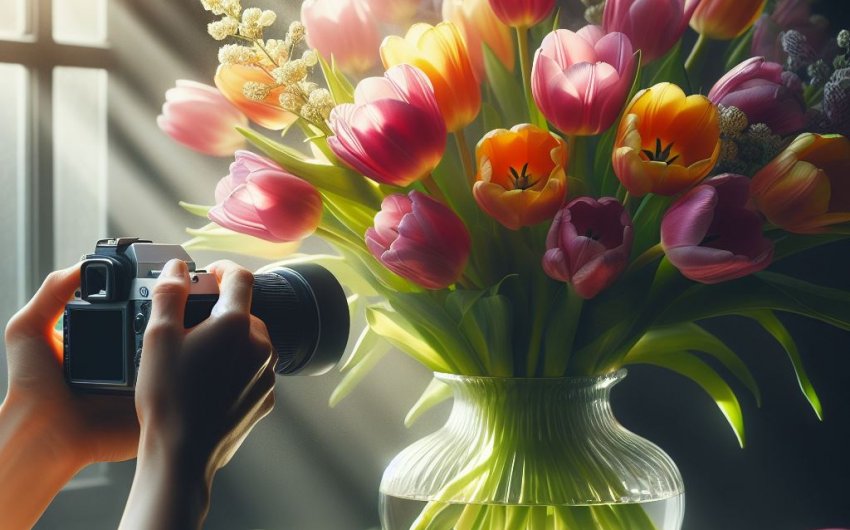
To grow and arrange stunning tulips, begin by selecting high-quality bulbs suitable for your climate and planting them in well-draining soil in late fall. Once they bloom in spring, harvest them correctly, condition the stems thoroughly, and then use creative arranging techniques to showcase their vibrant colors and graceful movement in a beautiful tulip bouquet.
What's the best time to plant tulip bulbs?
The optimal time to plant tulip bulbs is in late fall, typically when soil temperatures have cooled to below 55°F (13°C) but before the ground completely freezes. This timing allows the bulbs to establish a healthy root system before winter's chill, which is crucial for a spectacular spring bloom. Planting too early can encourage premature sprouting, while planting too late might not allow enough time for root development.
Why is fall planting so important for tulips?
- Root development: Tulip bulbs need a period of cool soil temperatures to develop a strong root system. This happens best in the fall.
- Chilling requirement: Most tulip varieties require a cold dormancy period (chilling) of 10-16 weeks at temperatures below 45°F (7°C) to properly develop flower buds. Fall planting ensures they receive this essential cold treatment naturally.
- Prevents disease: Planting in cool soil discourages fungal diseases that thrive in warmer, humid conditions.
- Pest deterrence: Cooler soil also helps deter some pests.
What kind of soil and sun do tulips need to thrive?
Tulips are surprisingly adaptable, but they truly thrive in specific conditions that mimic their native Central Asian environments. Providing the right soil and sun exposure is key to healthy bulbs and abundant blooms, ensuring your tulips go from bulb to bouquet beautifully.
Ideal soil for tulips:
- Well-draining: This is the most critical factor. Tulip bulbs will rot in soggy, waterlogged soil. Amend heavy clay soils with organic matter like compost, peat moss, or sand to improve drainage.
- Fertile: While not heavy feeders, tulips appreciate rich soil. Incorporate some compost or well-rotted manure into the planting bed.
- pH Level: A slightly acidic to neutral pH (6.0 to 7.0) is ideal. A soil test kit can help you determine your soil's current pH.
- Loose: Loosen the soil to a depth of at least 12-15 inches to allow for good root penetration.
Sun requirements for tulips:
- Full sun: Tulips need at least 6 hours of direct sunlight per day during their growing and blooming period in spring. The more sun they get, the stronger their stems and more vibrant their colors will be.
- Winter sun: During winter dormancy, sun exposure is less critical as the bulbs are resting underground.
- Deciduous trees: Planting under deciduous trees can work well, as the tulips will receive full sun in early spring before the tree leaves fully emerge.
How deep and far apart should I plant tulip bulbs?
Proper planting depth and spacing are essential for the health and longevity of your tulips, especially if you want them to return year after year. Incorrect planting can lead to weak blooms or non-flowering bulbs.
Planting depth:
- General rule: Plant tulip bulbs at a depth of 2-3 times the height of the bulb. So, if a bulb is 2 inches tall, plant it 6 inches deep.
- Larger bulbs: Larger bulbs generally need to be planted deeper.
- Climate considerations: In colder climates with harsh winters, planting a bit deeper (up to 8 inches) can offer extra insulation. In warmer climates, it can help keep the bulbs cooler.
- Why deep? Deeper planting helps stabilize the stem, promotes a strong root system, and protects the bulb from temperature fluctuations and digging animals.
Planting spacing:
- General rule: Space tulip bulbs about 4-6 inches apart, measuring from the center of one bulb to the center of the next.
- Clustering: For a more natural and impactful display, plant tulips in clusters or drifts rather than single rows. Group 5-9 bulbs in a small area for a dense burst of color.
- Mass planting: For a truly stunning effect, mass plant hundreds of tulips for sweeping carpets of color.
- Why proper spacing? Adequate spacing allows for good air circulation around the plants, preventing fungal diseases, and gives each bulb enough room to grow and absorb nutrients without overcrowding.
Step-by-step planting guide:
- Prepare the bed: Dig a trench or individual holes to the appropriate depth. Amend the soil as needed.
- Add bulb food (optional): A specialized bulb fertilizer (low nitrogen, higher phosphorus and potassium, like bone meal) can be added to the bottom of the hole.
- Place bulbs: Position each tulip bulb with the pointed end facing upwards.
- Cover and water: Backfill with soil, gently tamp down, and water thoroughly to settle the soil and initiate root growth.
- Mulch (optional): Apply a layer of mulch (straw, shredded leaves) for insulation and weed suppression.
How do I choose the best tulip varieties for cutting and arranging?
While all tulips are beautiful, certain varieties are better suited for cutting and arranging in a tulip bouquet. These typically boast longer, sturdier stems, unique bloom shapes, or an extended vase life, making them ideal for bringing indoors.
Top tulip varieties for cut flowers:
- Single Late Tulips:
- Characteristics: Classic cup shape, tall (24-30 inches), strong stems, long-lasting. Excellent range of colors.
- Why they're great: Very reliable cut flower, good vase life, excellent for formal or informal arrangements.
- Examples: 'Queen of Night' (deep purple), 'Maureen' (pure white), 'Renown' (rose pink).
- Darwin Hybrid Tulips:
- Characteristics: Very large, bold, often bi-colored flowers. Super sturdy stems (20-28 inches), good for windy areas.
- Why they're great: Make a strong statement in arrangements, long vase life.
- Examples: 'Apeldoorn' (red with yellow base), 'Geester Gold' (golden yellow).
- Lily-Flowered Tulips:
- Characteristics: Elegant, slender flowers with pointed, often reflexed petals that resemble lilies. Graceful, often slightly shorter stems (18-24 inches).
- Why they're great: Add a touch of sophistication and movement.
- Examples: 'Ballerina' (fragrant orange), 'Mona Lisa' (red with yellow edges).
- Parrot Tulips:
- Characteristics: Unique, often large, fringed, feathered, and sometimes twisted petals. Exuberant and dramatic. Stems can be somewhat weaker, may need support.
- Why they're great: Create dramatic texture and visual interest.
- Examples: 'Black Parrot' (deep purple-black), 'Estella Rijnveld' (red and white variegated).
- Double Early/Late Tulips (Peony Tulips):
- Characteristics: Many petals, resembling peonies or roses. Add volume and richness. Double Late varieties have stronger stems and larger blooms.
- Why they're great: Provide lush fullness and a luxurious feel to arrangements.
- Examples: 'Mount Tacoma' (white), 'Angelique' (pale pink).
- Fringed Tulips:
- Characteristics: Petals have distinctive, crystal-like fringed edges. Adds unique texture.
- Why they're great: Offer a delicate, intricate detail.
- Examples: 'Crispion Sweet' (pink), 'Lambada' (orange/red with yellow fringe).
Considerations for choosing cutting tulips:
- Stem length: For arrangements, aim for varieties with longer, sturdier stems.
- Bloom form: Think about the overall look you want – classic, romantic, exotic.
- Vase life: Some varieties naturally last longer as cut flowers.
- Color palette: Choose colors that complement your home decor or desired arrangement theme.
- Fragrance: While not all tulips are fragrant, some (like 'Ballerina') offer a lovely scent.
When and how should I harvest tulips for the best bouquets?
Harvesting tulips at the right time and in the correct way is crucial for extending their vase life and ensuring your tulip bouquets last as long as possible. The goal is to cut them when they are still developing but show clear signs of color.
Optimal time to harvest tulips:
- Stage of opening: Cut tulips when the buds are fully colored but still tightly closed. The bud should feel firm when gently squeezed. This is often referred to as the "color break" stage.
- Why this stage? Tulips continue to develop and open once cut, allowing you to enjoy their full transformation. Cutting them too late significantly shortens their vase life.
- Time of day: Harvest in the early morning after the dew has dried but before the sun gets too hot. Plants are most hydrated at this time, which is key for good vase life.
How to harvest tulips:
- Use sharp tools: Always use clean, sharp floral snips or a sharp knife. Dirty or dull tools can damage stems and introduce disease.
- Cut at the base: Cut the stem as close to the ground as possible, leaving at least 1-2 basal leaves on the plant if you want the bulb to potentially rebloom next year. For "cut-and-come-again" style harvesting, some commercial growers "pull" the entire stem from the bulb, which gives maximum stem length but often sacrifices the bulb for future blooms. For home gardeners aiming for perennialization, cutting is usually preferred.
- Place immediately in water: As soon as you cut the tulip, plunge its stem into a bucket of cool, fresh water. This prevents air bubbles from forming in the stem, which can block water uptake.
- Remove lower leaves: Once inside, strip off any leaves that would fall below the waterline in your vase. Submerged leaves will rot and contaminate the water.
What's the best way to condition cut tulips for a long-lasting bouquet?
Proper conditioning is the secret weapon for a long-lasting and vibrant tulip bouquet. This process ensures maximum hydration and minimizes droopiness, allowing your tulips to perform beautifully.
Step-by-step tulip conditioning for bouquets:
- Prepare your bucket/vase: Fill a clean bucket or tall vase with fresh, cool water mixed with cut flower food. The flower food provides nutrients and keeps the water clean.
- Recut stems (critical): Using sharp floral snips or a knife, make a fresh, diagonal cut (at a 45-degree angle) about 1 inch from the bottom of each stem.
- Why diagonal? Increases surface area for water absorption and prevents the stem from sitting flat and sealing against the bottom of the vase.
- Tip: If possible, recut the stems underwater to prevent air from entering the vascular system. If not, plunge them into water immediately after cutting.
- Remove lower foliage: Strip any leaves that would fall below the waterline in your chosen display vase. Submerged leaves decompose, introduce bacteria, and shorten the vase life.
- "Paper Wrap" for Straight Stems (optional but highly recommended):
- If you want your tulips to stand straight and tall in your bouquet, wrap them tightly in brown paper or newspaper. Create a cone or cylinder shape around the tulips, gently compressing them.
- Place the wrapped tulips in the prepared bucket of water.
- Allow to hydrate: Let them drink for 2-4 hours, or even overnight, in a cool, dark place. This forces water into the stems, stiffening them up.
- Remove from wrap and arrange: Once conditioned, your tulips will be much firmer and ready for arranging into a stunning tulip bouquet.
Ongoing care for your tulip bouquet:
- Change water daily: Replace with fresh, cool water and flower food.
- Recut stems every 2-3 days: A fresh cut keeps the water uptake efficient.
- Keep cool: Display your tulip bouquet in a cool location away from direct sunlight, heat sources, and ripening fruit (which releases ethylene gas that ages flowers).
How do I arrange tulips in a vase to create a stunning bouquet?
Arranging tulips is a delightful process that allows for both structured elegance and playful whimsy. Their natural movement in the vase is part of their charm, and knowing how to work with it can lead to truly stunning tulip bouquets.
Techniques for arranging tulips:
- The "Criss-Cross" or "Grid" Method (for structure and support):
- Best for: Ensuring tulips stand upright and for creating a fuller, more formal tulip bouquet.
- Steps:
- Choose a vase with a somewhat wide opening, like a cylinder or a classic urn shape.
- Optionally, create a grid across the vase opening with clear floral tape.
- Start by placing the first few tulip stems diagonally across the vase, letting them lean on the edges.
- Continue adding tulips, crisscrossing their stems to create a natural framework. This interlocking creates support.
- Fill in the center, ensuring even distribution of blooms and colors.
- Allow some tulips to be slightly taller or shorter for varied height.
- The "Massing" Method (for abundance and impact):
- Best for: Creating a dense, lush tulip bouquet that feels abundant and celebratory. Works well with uniform stem lengths.
- Steps:
- Choose a vase with a narrow-to-medium opening that will hold the tulips relatively tightly together.
- After conditioning and optionally paper-wrapping (to keep them straight initially), gather all your tulips in your hand like you're holding a ready-made bouquet.
- Adjust the heights as desired, allowing the blooms to be at a similar level.
- Gently lower the entire bunch into the vase. The narrow opening will keep them bundled together.
- The "Organic Flow" Method (embracing natural movement):
- Best for: Showcasing the tulip's unique ability to grow and bend towards light, creating a dynamic, artistic tulip bouquet.
- Steps:
- Select a vase that allows for movement, such as an hourglass shape or a wider opening.
- Place tulips one by one, allowing them to lean naturally against the sides of the vase or against other stems.
- Don't force them into a rigid shape. Let them find their own positions.
- Create different levels, with some tulips dramatically arching or stretching.
Tips for a stunning tulip bouquet:
- Color Play:
- Monochromatic: Use different shades of the same color for a sophisticated look.
- Complementary: Combine opposite colors on the color wheel (e.g., purple and yellow) for vibrancy.
- Analogous: Group colors next to each other on the color wheel (e.g., pink, red, orange) for a harmonious blend.
- Add Filler and Foliage: While tulips are beautiful on their own, a touch of eucalyptus, ruscus, or even the tulips' own remaining leaves can add depth and texture.
- Consider the vase: The vase is part of the art! Choose one that complements the size, style, and color of your tulip bouquet.
- Recut stems in the vase: Give your tulips a fresh trim every few days, even if they're already in the vase. This helps them stay hydrated.
What creative ideas can I use to display my tulip bouquets?
Beyond the traditional vase, there are many imaginative ways to display your stunning tulip bouquets, adding unique charm and a touch of spring magic to your home. Thinking creatively can elevate your floral décor.
Unique display ideas for tulip bouquets:
- Deconstructed Tulip Display:
- Concept: Cut tulip heads off their stems and float them in a shallow bowl of water. You can also float individual petals.
- Impact: A minimalist, elegant, and serene display, perfect for a coffee table or bathroom vanity.
- Bud Vase Clusters:
- Concept: Instead of one large bouquet, arrange 1-3 tulips in multiple small bud vases and group them together.
- Impact: Creates a delicate, scattered effect that can grace a long dining table, mantelpiece, or windowsill.
- Mason Jar Charm:
- Concept: For a rustic or farmhouse feel, use various sizes of mason jars as vases. You can wrap them with twine or ribbon for extra appeal.
- Impact: Adds a touch of homemade warmth and simplicity to your tulip bouquet.
- Pitcher or Jug:
- Concept: Display tulips in an antique ceramic pitcher or a rustic jug. Let the tulips naturally lean and spill over the edges, embracing their graceful movement.
- Impact: Creates a relaxed, abundant, and charming farmhouse-style arrangement.
- Wrapped "Gift" Bouquet:
- Concept: Present a simple tulip bouquet wrapped beautifully in kraft paper or cellophane, tied with a ribbon.
- Impact: Perfect for a thoughtful gift or a temporary display before transferring to a vase.
- "Bulb in a Jar" Living Display:
- Concept: If you have tulip bulbs that are just starting to sprout (or even store-bought forced bulbs), gently rinse off the soil. Place the bulb with its roots in a clear glass jar, with just enough water to cover the roots (not the bulb itself).
- Impact: A fascinating way to observe the entire growth process, from roots to bloom, making for a unique living centerpiece.
- In a Compote Bowl with a Flower Frog:
- Concept: Cut tulip stems shorter and arrange them tightly in a shallow compote bowl using a flower frog for support. This creates a dense, garden-style arrangement that is beautiful from all angles.
- Impact: A very elegant and impactful display, perfect for a dining table centerpiece.
Growing and arranging tulips from bulb to bouquet is a rewarding journey that brings the vibrant essence of spring into your home. By mastering planting techniques, proper harvesting, meticulous conditioning, and creative arranging, you can consistently enjoy stunning tulip bouquets that captivate and delight.