
Tulip Extravaganza: 10 Unique Arrangements to Showcase Your Garden's Tulip Harvest
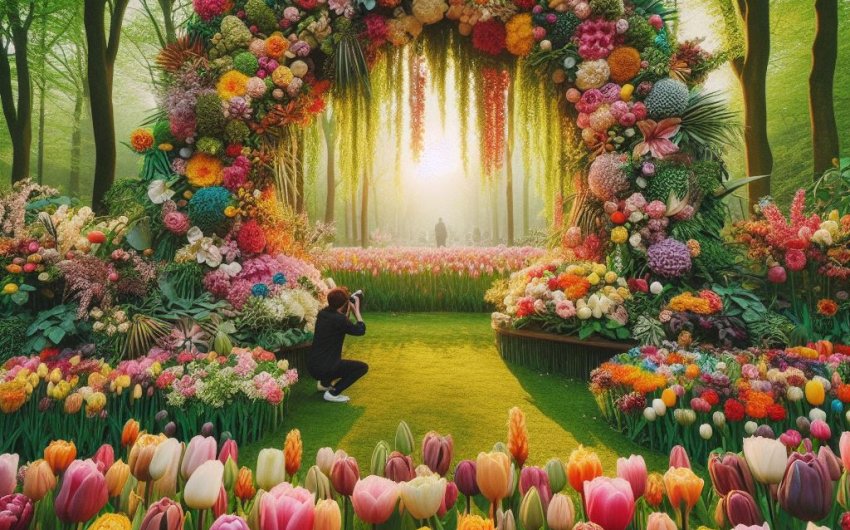
To create unique arrangements that truly showcase your garden's tulip harvest, focus on varied heights, textures, and vessels that highlight the tulip's natural elegance and movement. Experiment with grouping single colors, mixing diverse varieties, or incorporating unexpected elements to elevate these stunning spring blooms beyond a simple vase.
How can I make my tulip arrangements stand out?
Making your tulip arrangements truly stand out involves moving beyond the basic bouquet. It's about playing with the tulip's inherent characteristics—its vibrant colors, diverse forms, and especially its charming ability to continue growing and moving in the vase. By thoughtfully selecting containers, pairing with complementary elements, and experimenting with display techniques, you can transform your garden's tulip harvest into a breathtaking focal point.
Key principles for unique tulip arrangements:
- Embrace movement: Don't fight the tulip's natural tendency to bend and grow. Design with it in mind.
- Vary textures: Combine smooth tulip petals with rough branches, delicate foliage, or frilly companion flowers.
- Play with height and depth: Create visual interest by using tulips of different lengths and arranging them at various levels.
- Thoughtful color palettes: Go beyond mixed bunches to focus on monochromatic themes, bold contrasts, or subtle gradients.
- Unusual vessels: Break free from traditional vases to use unexpected containers that enhance the tulip's charm.
- Strategic placement: Consider where the arrangement will be viewed from and how it interacts with its surroundings.
How do I create a dramatic monochromatic tulip arrangement?
A monochromatic tulip arrangement is a sophisticated way to showcase the depth and beauty of a single color. By focusing on one hue, you draw attention to the subtle variations in shades and textures within the tulips, creating a dramatic and elegant statement from your garden's tulip harvest.
Steps for a dramatic monochromatic tulip arrangement:
- Choose your color: Select a single color, such as deep purple, vibrant red, soft pink, or pure white.
- Gather varied tulip types: Within that chosen color, collect as many different tulip varieties as possible:
- Single Late: For classic shape and height.
- Double Late (Peony Tulips): For lush volume and a different texture.
- Fringed Tulips: For delicate, crystal-like edges.
- Parrot Tulips: For dramatic, ruffled texture (if available in your color).
- Lily-Flowered: For an elegant, elongated form.
- Select an appropriate vase: A clear glass cylindrical vase or a sleek ceramic vase in a neutral tone (white, grey, black) will let the tulips truly shine.
- Condition all tulips: Always start with freshly conditioned tulips (stems recut, lower leaves removed, hydrated for several hours, optionally paper-wrapped for straightness).
- Layer and mix:
- Start by placing some taller, classic tulips to establish height.
- Weave in the fuller, double varieties to create density and body.
- Add the textured (fringed, parrot) or uniquely shaped (lily-flowered) tulips to provide visual interest and depth.
- Ensure the different varieties are evenly distributed throughout the arrangement.
- Embrace natural movement: Allow some tulips to bend and curve naturally. The beauty of a monochromatic arrangement lies in its subtle variations, not rigid uniformity.
- Consider minimal foliage: If using foliage, opt for something understated like a few stems of eucalyptus or even just the tulips' own healthy leaves to maintain the focus on the single color.
How can I create a vibrant rainbow tulip centerpiece?
A rainbow tulip centerpiece is a joyful and impactful way to display the full spectrum of your garden's tulip harvest. This arrangement celebrates diversity in color, creating a dynamic and eye-catching display perfect for any spring celebration.
Steps for a vibrant rainbow tulip centerpiece:
- Gather a wide color range: Collect tulips in as many colors of the rainbow as possible: reds, oranges, yellows, greens (some tulips have green streaks), blues (rare, but you might find purple-blues), and purples.
- Choose a complementary vessel: A long, rectangular vase or multiple cylindrical vases grouped together work well for a rainbow effect. A clear glass vase is ideal to showcase the vibrant stems.
- Condition all tulips: Ensure all your tulips are properly hydrated and conditioned.
- Arrange by color gradient:
- If using a single vase, start by placing one color (e.g., red) at one end, then gradually transition to orange, yellow, green, blue, and purple across the length of the vase.
- If using multiple cylindrical vases, dedicate each vase to 1-2 colors, arranged side-by-side to form the gradient.
- Vary heights slightly: Allow some tulips within each color section to be slightly taller or shorter to create depth, preventing a flat, blocky look.
- Emphasize natural movement: As the tulips grow and move, the colors will intermingle beautifully, enhancing the rainbow effect.
- Minimal foliage: Keep foliage to a minimum, if any, to let the bold colors be the star. Perhaps just a few clean tulip leaves.
- Placement: This arrangement is perfect for a dining table centerpiece where it can be admired from all sides.
What is a unique way to display tulips in a shallow bowl?
Displaying tulips in a shallow bowl offers a refreshing departure from traditional vases, allowing you to create a low, impactful centerpiece that highlights the individual blooms of your garden's tulip harvest. This method is perfect for dining tables or coffee tables where height might obstruct views.
Steps for a unique shallow bowl tulip display:
- Select your bowl: Choose a beautiful, wide, and shallow bowl. Ceramic, glass, or even a decorative wooden bowl with a liner works well.
- Get a flower frog: A metal flower frog (knezan) is essential for securing the tulips in a shallow vessel. Alternatively, you can use a small block of soaked floral foam (ensure it's secured to the bowl).
- Condition and cut tulips: Condition your tulips as usual. Then, cut the stems relatively short, keeping in mind the depth of your bowl and the desired height of the blooms above the rim (usually 2-4 inches).
- Arrange in the frog:
- Start by placing a few tulips into the outer pins of the flower frog, angled slightly outwards to create width.
- Work your way inwards, placing more tulips in a circular or spiral pattern, varying the heights slightly.
- Aim for a dense, full look where the blooms appear to be emerging from the water.
- Add water: Carefully fill the bowl with fresh water (and flower food) until the flower frog is submerged.
- Incorporate subtle elements (optional):
- Floating candles: Small floating candles can add ambiance.
- Pebbles/Marbles: A layer of decorative river pebbles at the bottom can add a natural touch.
- Minimal foliage: A few small sprigs of green around the base of the frog can work.
How do I create a hanging or cascading tulip arrangement?
A hanging or cascading tulip arrangement utilizes the tulip's natural inclination to bend and reach for light, creating a dynamic and ethereal display. This design is perfect for adding a whimsical touch to a doorway, window, or above a dining table with your garden's tulip harvest.
Steps for a hanging or cascading tulip arrangement:
- Choose your vessel:
- Hanging glass globes/terrariums: For a delicate look, often with individual tulips.
- Wall-mounted vase pockets: For a vertical display.
- Wider-mouthed vase: For a table-top arrangement where tulips can spill over the edges.
- Kokedama (Moss Ball): A unique way to display a tulip bulb and let its bloom emerge.
- Select pliable tulip varieties: Lily-flowered tulips or those with naturally longer, more flexible stems work particularly well for cascading effects.
- Condition tulips thoroughly: Ensure they are well hydrated.
- Arrangement for a hanging globe:
- Cut tulip stems relatively short.
- Carefully arrange 1-3 tulips inside the hanging glass globe with a little water.
- Suspend with clear fishing line or decorative twine.
- Arrangement for a tabletop cascade:
- Use a vase with a slightly flared rim or a compote bowl with a flower frog.
- Intentionally arrange some tulips to gracefully drape over the edges of the container, letting them reach downward.
- Combine with some upright tulips to create balance.
- Incorporate branches or moss (optional):
- For a more rustic hanging display, you can wire small, light glass vials or test tubes with tulips onto a decorative branch.
- For Kokedama, create a moss ball around a forced tulip bulb, allowing the stem to grow upwards and then cascade.
- Secure placement: If hanging, ensure the vessel is securely fastened. If cascading from a tabletop, choose a stable container.
What is a unique way to combine tulips with branches?
Pairing tulips with bare branches creates a striking contrast between the delicate blooms and the rustic texture of wood, making a sophisticated and naturalistic statement from your garden's tulip harvest. This can range from minimalist to elaborate, perfect for an entryway or living room.
Steps for combining tulips with branches:
- Select your branches:
- Willow branches: Flexible and graceful.
- Pussy willow: Adds soft, fuzzy texture.
- Cherry blossom branches: If available, they complement tulips beautifully.
- Deciduous branches: Simple bare branches collected from your yard (ensure they are clean and free of pests).
- Curly willow branches: Add a dramatic, architectural element. You can find preserved curly willow branches for consistent availability.
- Choose a sturdy vase: A tall, heavy, and stable vase is essential to support the branches. A large floor vase or a heavy glass cylinder works well.
- Condition branches (if fresh): If using fresh branches (like pussy willow), strip any leaves below the waterline and give them a fresh cut.
- Condition tulips: Hydrate your tulips as usual.
- Establish the branch framework:
- Place the branches in the vase first, arranging them to create an interesting silhouette and varying heights.
- Use a flower frog or marbles/pebbles at the bottom of the vase to help hold the branches in place.
- Weave in the tulips:
- Carefully insert the tulips among the branches. Allow them to peek out, creating pockets of color.
- Some tulips can be taller, reaching towards the top of the branches, while others can be nestled lower, creating depth.
- Avoid making it too dense; allow breathing room to highlight the contrast.
- Add water and optional accents:
- Fill the vase with water and flower food.
- Consider adding a few sprigs of eucalyptus or other simple foliage to tie the arrangement together, if desired.
How do I create a floating tulip centerpiece?
A floating tulip centerpiece is a simple yet incredibly elegant and serene way to display the beautiful blooms from your garden's tulip harvest. This minimalist approach emphasizes the delicate beauty of the tulip heads themselves, creating a calming visual impact, perfect for a quiet moment or a sophisticated dinner party.
Steps for a floating tulip centerpiece:
- Select a suitable container: Choose a wide, shallow bowl, a decorative glass platter, or even a clear ceramic dish. The key is that it's wide enough for the tulip heads to float without overcrowding.
- Harvest/Prepare tulips:
- For this arrangement, you will cut the tulip heads off their stems, leaving just a tiny bit (about 1/2 inch) of stem directly below the bloom.
- You can use full, open tulips for immediate impact or buds that are just showing color and will open beautifully in the water.
- Fill with water: Fill your chosen container with cool, fresh water.
- Float the tulips: Gently place the cut tulip heads onto the surface of the water.
- Arrangement: You can arrange them in a symmetrical pattern, scatter them randomly, or group them in clusters for different effects.
- Color: Use a single color for a monochromatic, serene look, or mix complementary colors for a vibrant pop.
- Add ambiance (optional):
- Floating candles: Incorporate a few small floating candles to create a warm, inviting glow.
- Petals: You can also float a few individual tulip petals around the blooms.
- Submerged elements: For an extra touch, place a few clean, smooth river pebbles or clear glass gems at the bottom of the bowl before adding water.
What is an unexpected way to use tulips as place settings?
Using tulips as part of your place settings is a delightful and unexpected way to bring the joy of your garden's tulip harvest directly to your guests. This personal touch makes each diner feel special and adds a sophisticated yet natural elegance to your table.
Creative tulip place setting ideas:
- Single Tulip in a Bud Vase:
- Concept: Place a single, perfectly conditioned tulip in a tiny bud vase or a shot glass at each place setting.
- Impact: Elegant, minimalist, and provides a fresh bloom for each guest to take home.
- Tulip Napkin Ring:
- Concept: Gently thread a single, short-stemmed tulip (or just the bloom) through a napkin ring, or secure it with twine or ribbon around a neatly folded napkin.
- Impact: A charming and rustic touch that adds a pop of color to the table.
- Tulip Name Card Holder:
- Concept: Use a short-stemmed tulip (or just the bloom) to subtly hold a name card. You can tuck the stem into a small slit in the card or lay the card against the stem.
- Impact: A personalized and fresh way to guide guests to their seats.
- Floating Tulip Petal Cluster:
- Concept: For a very delicate touch, float 2-3 tulip petals in a tiny, shallow dish of water at each place setting.
- Impact: Subtle, ethereal, and adds a soft hint of spring.
- Tulip Sprig with Twine:
- Concept: Lay a single tulip bloom or a small cluster of blooms with short stems alongside cutlery, tied with natural twine or a delicate ribbon.
- Impact: A simple, organic, and elegant addition to a casual or formal table.
How can I create a deconstructed tulip arrangement for a modern look?
A deconstructed tulip arrangement embraces a minimalist, modern aesthetic by separating the different elements of the tulip—stems, leaves, and blooms—and displaying them in unexpected ways. This approach from your garden's tulip harvest highlights the unique beauty of each component.
Steps for a deconstructed tulip arrangement:
- Gather your elements:
- A few perfect tulip blooms (cut with short stems).
- A few individual tulip leaves.
- Perhaps one or two longer, bare tulip stems.
- Choose minimalist vessels: Use a collection of small, clear glass vessels of different heights:
- Test tubes or narrow bud vases for individual stems.
- Small, shallow bowls for floating blooms or leaves.
- A simple, heavier base for a single bare stem.
- Arrange the components separately:
- Place a single tulip bloom with a short stem in one small vase.
- Float a single tulip leaf in a tiny bowl.
- Stand a longer, bare tulip stem in another tall, narrow vase.
- Repeat with other components, varying the heights and placements.
- Group the vessels: Arrange the collection of individual vessels together on a tray, a shelf, or a console table.
- Embrace negative space: The beauty of deconstruction is in the negative space between the elements, allowing each component to be admired individually.
- Minimalist background: Place this arrangement against a clean, uncluttered background to enhance its modern aesthetic.
What's a great way to display tulips with other bulb flowers?
Combining tulips with other spring bulb flowers creates a cohesive and abundant display that celebrates the season's bounty from your garden's tulip harvest. This approach highlights the natural camaraderie of spring blooms and can range from whimsical to elegant.
Steps for combining tulips with other bulb flowers:
- Choose complementary bulb flowers:
- Hyacinths: Their fragrant, dense flower spikes add volume, texture, and a beautiful scent.
- Muscari (Grape Hyacinth): Tiny, delicate blue or purple bells are perfect for adding texture and color at the base of arrangements.
- Narcissus/Daffodils: While charming, remember that daffodils release a sap that can shorten the vase life of tulips. Condition them separately for several hours until the sap stops flowing before adding them to a mixed arrangement.
- Freesias: Delicate, fragrant, and often in complementary pastel shades.
- Select a suitable vase: A classic glass jar, a ceramic pitcher, or a wide-mouthed vase works well.
- Condition all flowers: Recut stems and hydrate all blooms separately, especially daffodils.
- Create a balanced composition:
- Start with some of your taller tulips and other main flowers to establish height.
- Weave in the more structured flowers like hyacinths to create focal points and provide a base.
- Add tulips throughout, allowing them to intermingle and showcase their movement.
- Use muscari or other small, delicate blooms around the rim or base to fill in gaps and add a whimsical touch.
- Vary heights and textures: Aim for a natural, garden-gathered look by having different heights and mixing the varied textures of the different bulb flowers.
- Embrace fragrance: Hyacinths and freesias bring a delightful fragrance that will enhance your tulip arrangement.
How do I create a truly striking entryway tulip arrangement?
An entryway tulip arrangement sets the tone for your home, welcoming guests with the vibrant beauty of spring. To make it truly striking, you need to consider scale, impact, and a design that is visible and impressive from multiple angles, showcasing your abundant garden's tulip harvest.
Steps for a striking entryway tulip arrangement:
- Go big: This is an opportunity for a large, impactful display. Use a generous quantity of tulips.
- Choose a grand vessel:
- A large ceramic floor vase or urn.
- A tall, imposing glass cylinder vase.
- An antique milk churn for a rustic, grand statement.
- Select sturdy tulip varieties: Darwin Hybrids, Single Late, or Double Late tulips are excellent choices due to their strong stems and large blooms. Mix colors or go for a bold monochromatic statement.
- Condition all tulips rigorously: Given the scale, proper hydration is even more critical. Consider paper wrapping for initial height if desired.
- Build a strong base:
- Start by filling your vase with a generous amount of fresh water and flower food.
- Use a sturdy floral grid or intertwine some strong branches (curly willow branches work well) to create a framework for the tulip stems.
- Layer and create height:
- Place your tallest tulips in the center and work outwards.
- Vary the heights significantly, allowing some tulips to stand very tall and proud, while others create a fuller, lower layer.
- The tulips will continue to grow, adding to the dynamic height.
- Add impactful foliage: Use substantial foliage like Eucalyptus branches, Ruscus, or even cut branches from your garden (e.g., dogwood, forsythia) to fill out the arrangement and provide a lush backdrop.
- Consider lighting: Position the arrangement where it catches natural light, or add subtle accent lighting to highlight its beauty.
- Embrace the movement: A large entryway arrangement will spectacularly display the tulip's "dance," so let it happen naturally.
Showcasing your garden's tulip harvest through unique arrangements is a fantastic way to celebrate spring's ephemeral beauty. From minimalist deconstructed displays to vibrant centerpieces and grand entryway statements, each idea allows the charming tulip to shine in its own mesmerizing way, bringing joy and color into your home.