
Tulip Time: Tips and Tricks for Prolonging the Beauty of Your Tulip Arrangements
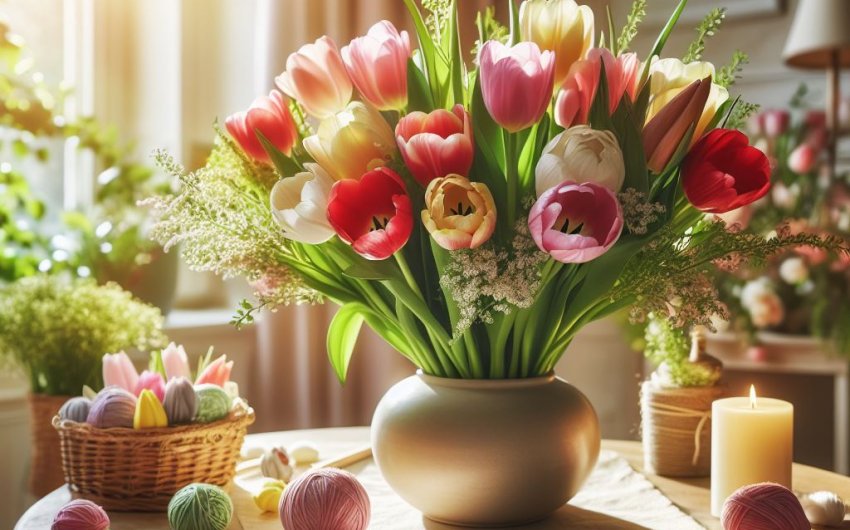
To prolong the beauty of your tulip arrangements, focus on proper initial conditioning, consistent hydration with fresh water and flower food, and strategic placement away from heat and direct sunlight. Regularly recutting stems and embracing the tulip's natural movement are key to enjoying these vibrant blooms for longer.
Why do tulips seem to wilt so quickly in a vase?
Tulips are unique among cut flowers because they continue to grow and move towards light even after being cut, which can sometimes lead to what looks like rapid wilting or drooping. This, combined with their strong need for consistent hydration, often gives the impression that they fade quickly if not cared for properly. However, with the right techniques, you can significantly extend the beauty of your tulip arrangements.
Common reasons tulips wilt quickly:
- Dehydration: Tulips are very thirsty! They can quickly dehydrate if not properly conditioned or if their water source becomes blocked.
- Air bubbles in stems: When cut, air can get trapped in the stem's vascular system, blocking water uptake.
- Dirty water/bacteria: Submerged leaves or old water can breed bacteria, which clogs stems and prevents water absorption.
- Heat exposure: High temperatures cause tulips to transpire (lose water) faster and age more rapidly.
- Ethylene gas: Released by ripening fruit or decaying flowers, ethylene gas accelerates the aging process.
- Natural growth/movement: Tulips will lengthen and bend towards light, which can sometimes be mistaken for wilting, even when they are still healthy.
What's the most important first step for fresh tulips?
The absolute most important first step for any fresh tulip arrangement is proper conditioning immediately after receiving or harvesting the blooms. This initial care sets the stage for maximum water uptake and a significantly longer vase life for your tulips.
Step-by-step initial conditioning:
- Prepare your workstation: Have a clean counter, a sharp knife or floral snips, and a clean bucket or tall vase filled with fresh, cool water ready.
- Remove lower leaves: Gently strip off any leaves that would fall below the waterline once the tulips are in your chosen vase. Submerged leaves will rot, creating bacteria that contaminate the water and clog the stems, dramatically shortening the tulip's life.
- Recut stems (critical): Using your sharp knife or floral snips, make a fresh, diagonal cut (at a 45-degree angle) about 1 inch from the bottom of each stem.
- Why diagonal? This increases the surface area for water absorption and prevents the stem from sitting flat against the bottom of the vase, which can block water uptake.
- Crucial tip: Do this under running water or immediately plunge the cut stems into your prepared water to prevent air from getting trapped in the stem's vascular system.
- Hydrate thoroughly: Place all the recut tulips into the bucket of cool water. Ideally, use a tall bucket or vase that can support the tulip stems and help them stand upright.
- Add flower food: Mix cut flower food into the water. This provides essential nutrients and contains a bactericide to keep the water clean.
- "Paper wrap" for straightness (highly recommended): If you want your tulips to remain relatively straight in your arrangement, wrap them snugly in brown paper or newspaper (like a cone or cylinder) before placing them in the conditioning water. This provides external support while they drink.
- Allow to drink: Let the tulips hydrate in this cool, dark place (away from direct sunlight or heat) for at least 2-4 hours, or preferably overnight. You'll notice them perk up significantly.
How important is water quality and temperature for tulip longevity?
Water quality and temperature are surprisingly critical factors in how long your tulip arrangements will last. Providing clean, cool water ensures optimal hydration and minimizes the growth of harmful bacteria, directly impacting the tulip's health and beauty.
Water quality essentials:
- Fresh and clean: Always use fresh, clean tap water. Avoid using water that has been sitting out for days.
- Flower food: Dissolve a packet of cut flower food in the water. This contains:
- Nutrients: To feed the tulips.
- Acidifiers: To lower the water's pH, making it easier for tulips to absorb.
- Bactericides: To inhibit the growth of bacteria, which can clog stems and cause decay.
- Change water daily (or every other day): This is one of the most effective ways to prolong vase life. As tulips drink and the stems interact with water, bacteria accumulate. Fresh water means a fresh start for absorption.
- Avoid submerged foliage: As mentioned, remove all leaves that sit below the waterline. This is a major source of bacterial growth.
Water temperature considerations:
- Cool water for conditioning: Use cool, even slightly cold, water for the initial conditioning process. This helps tulips rehydrate and keeps them firm.
- Cool water for daily refills: Continue to use cool water when refilling or changing the water in your tulip arrangements. Cooler water is absorbed more efficiently by the stems and helps slow down the metabolic processes of the tulips, thus slowing down their aging.
- Avoid warm water: Warm water can accelerate bacterial growth and cause tulips to open too quickly, shortening their vase life.
What's the secret to stopping tulips from drooping?
Stopping tulips from drooping excessively involves a combination of smart conditioning, proper care, and a little understanding of their unique growth habits. While some natural bending is part of their charm, preventing severe wilting is definitely achievable, allowing your tulip arrangements to remain elegant.
Secrets to prevent tulip droop:
- Thorough initial conditioning (the "paper wrap" method): As detailed above, wrapping your tulips tightly in paper or newspaper for 2-4 hours (or overnight) while they hydrate in water is incredibly effective. This supports the stems, allowing them to drink fully and become stiff before you arrange them.
- Tall, supportive vase: Choose a vase that is tall enough (about two-thirds the length of the stems) and has a relatively narrow opening. This provides physical support to the tulip stems, helping them stand upright as they drink and grow. A clear cylinder vase works wonders.
- Consistent hydration: Tulips are very thirsty. Never let the vase water level drop too low. Change the water daily and ensure stems are always submerged.
- Recut stems regularly: Every 2-3 days, take your tulips out of the vase, give them a fresh diagonal cut, and place them back into fresh water with flower food. This removes any blockages in the stem and allows for optimal water uptake.
- "Pinning" trick (for stubborn droopers): If a tulip head is severely drooping but the stem is still firm, you can try gently poking a small, fine pin (like a sewing needle) horizontally through the stem just below the bloom. This can sometimes release air bubbles that are preventing water from reaching the flower head. Do this carefully to avoid damaging the stem.
- Embrace the lean: Remember that some bending and stretching towards the light is natural for tulips. This "dance" is part of their character and can be beautiful! Don't try to force them into a completely rigid position.
How can I use a penny or other home remedies to help tulips?
While many home remedies for cut flowers exist, their effectiveness can be hit or miss, and sometimes even detrimental. For tulips, specifically, the copper penny trick is a popular one, though its scientific backing is debated. It's generally safer and more effective to stick to proven methods.
The copper penny trick for tulips:
- Theory: The idea is that the copper from a penny (especially older, higher-copper content pennies) acts as an acidifier in the water, which some believe helps the tulips absorb water more efficiently, or that it inhibits bacterial growth.
- Reality: Modern pennies contain very little copper, so their effectiveness is questionable. While a penny might not actively harm your tulips, it's unlikely to provide a significant benefit compared to proper flower food.
- Recommendation: If you want to try it, ensure the penny is clean. However, a good flower food containing an acidifier and bactericide is a much more reliable solution.
Other common home remedies and their effectiveness:
- Sugar: Some believe sugar feeds flowers. However, too much sugar can promote bacterial growth, which is counterproductive. Flower food contains the right balance.
- Bleach: A tiny drop of bleach can act as a bactericide. However, too much bleach can be harmful to flowers. Again, flower food includes safe bactericides.
- Soda: The sugar can feed, and the acidity might help, but the high sugar content and other chemicals are not ideal.
- Aspirin: The salicylic acid in aspirin is often cited as an acidifier. While it might offer a mild benefit, a commercial flower food is formulated for optimal effect.
Best advice: Stick to fresh water and commercial cut flower food. These products are specifically designed to meet the needs of cut flowers and provide a much more reliable solution than most home remedies.
Where should I place my tulip arrangements for the longest life?
The placement of your tulip arrangements within your home dramatically impacts their longevity. Tulips are sensitive to environmental factors, and strategic placement can help keep them vibrant and fresh for much longer.
Ideal placement for prolonged tulip beauty:
- Cool location: This is paramount. Tulips last significantly longer in cooler temperatures. Find the coolest spot in your home, away from:
- Direct sunlight: Sunlight not only heats the tulips but also causes them to open faster and age more rapidly.
- Heat vents/radiators: These sources of dry heat will quickly dehydrate your tulips.
- Fireplaces: Heat from a fireplace will also shorten their life.
- Away from ripening fruit: Ripening fruits (like bananas, apples, avocados) release ethylene gas, a natural plant hormone that accelerates the aging and decay of cut flowers. Keep your tulip arrangements on a separate surface.
- Avoid drafts: While good air circulation is generally healthy, extreme drafts can also dry out tulips.
- No smoking areas: Smoke can also cause flowers to age prematurely.
- Stable surface: Choose a stable surface where the vase won't be easily knocked over, especially as tulips can become top-heavy.
- Consider night-time cooling: If possible, moving your tulip arrangements to an even cooler spot overnight (like a cooler room or even a garage if temperatures are above freezing) can further extend their life.
How can I prevent tulip petals from opening too quickly?
Sometimes you want your tulips to stay in their elegant, closed or partially-open bud stage for as long as possible. Preventing them from opening too quickly is achievable by controlling their environment and taking a few proactive steps to maintain your tulip arrangements' fresh appearance.
Tips to slow down tulip opening:
- Keep them cool: This is the most effective method. Place your tulip arrangements in the coolest available spot in your home, away from any heat sources or direct sunlight. The colder the ambient temperature, the slower the tulips will metabolize and open.
- Avoid direct sunlight: Sunlight provides the energy for tulips to open and grow. Keep them in a well-lit room, but out of direct sunbeams.
- Use cool water: Always use fresh, cool water in your vase. Warm water encourages faster opening.
- Change water and recut stems regularly: This ensures efficient water uptake, which maintains cell turgor and can subtly slow down the blooming process compared to struggling for water.
- Trim back extra leaves: While some leaves are fine, excessive foliage can increase the tulip's transpiration rate (water loss), which might indirectly encourage faster opening as the plant tries to compensate. Removing lower leaves that don't contribute to the aesthetic can help.
- Avoid ethylene gas: Keep tulips away from ripening fruit, which releases ethylene gas that accelerates flower maturity.
- Temporary refrigeration (for extreme cases): If you absolutely need to pause the opening of tulips for a short period (e.g., for an event), you can place them in a refrigerator (not a frost-free one, which dehydrates flowers) for a day or two. Ensure they are in water and not near any fruits. This is a last resort, as prolonged refrigeration can cause damage.
What should I do when my tulips start to fade?
Even with the best care, all good things come to an end, and your tulip arrangements will eventually start to fade. However, you can still find ways to appreciate their beauty in their final stages and make the most of their last moments.
What to do with fading tulips:
- Enjoy the "spent" beauty: Sometimes, fully opened and even slightly drooping tulips have a beauty of their own. Their relaxed forms can create a soft, romantic aesthetic.
- Create a shallow bowl display: If the stems are too weak but the blooms are still beautiful, you can cut the tulip heads off and float them in a shallow bowl of water. This creates a delicate, minimalist display.
- Compost them: Once the tulips are truly spent (petals falling, stems completely soft, mold appearing), it's time to add them to your compost bin. They will return their nutrients to the earth.
- Harvest seeds (for garden tulips): If you grew your tulips in the garden and want to experiment, you can let some go to seed. The seed pods will develop after the bloom fades. However, growing tulips from seed is a very long and unpredictable process, often taking 5-7 years to bloom, and the resulting plants may not be true to the parent variety.
By meticulously following these tips and tricks, you can significantly prolong the beauty of your tulip arrangements, allowing you to savor their vibrant colors, elegant forms, and dynamic movement for as long as possible, truly making the most of tulip time in your home.