
Colorful Creations: Designing Vibrant Tulip Arrangements for Any Occasion
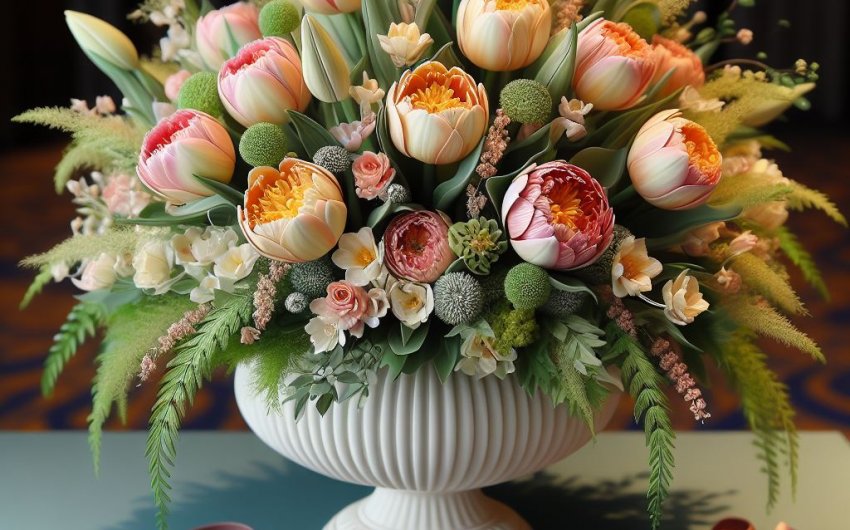
Designing vibrant tulip arrangements for any occasion involves thoughtfully combining colors, shapes, and textures to match the event's mood and theme. Start with fresh, well-conditioned tulips, then layer in complementary flowers and foliage, using various vessels to create impact and visual appeal.
What are the basics of color theory for tulip arrangements?
Understanding the basics of color theory is fundamental to designing truly vibrant and harmonious tulip arrangements. By knowing how colors interact, you can create arrangements that evoke specific moods, highlight certain blooms, and perfectly complement any occasion or decor.
Key color theory principles for tulips:
- The Color Wheel:
- Primary Colors: Red, Blue, Yellow – the foundation of all other colors.
- Secondary Colors: Orange (red + yellow), Green (yellow + blue), Violet/Purple (blue + red).
- Tertiary Colors: Mix of primary and secondary (e.g., Red-Orange).
- Monochromatic Harmony:
- Concept: Uses different shades, tints, and tones of a single color (e.g., light pink, medium pink, deep fuchsia tulips).
- Effect: Creates a sophisticated, elegant, and serene look. Emphasizes texture and form.
- Best for: Formal events, minimalist decor, creating a calming atmosphere.
- Analogous Harmony:
- Concept: Uses colors that are next to each other on the color wheel (e.g., yellow, orange, and red tulips).
- Effect: Creates a harmonious, pleasing, and natural flow, often seen in nature.
- Best for: Warm and inviting displays, cheerful gatherings, spring events.
- Complementary Harmony:
- Concept: Uses colors that are directly opposite each other on the color wheel (e.g., purple and yellow tulips, red and green, blue and orange).
- Effect: Creates high contrast and visual excitement, making both colors appear more vibrant.
- Best for: Bold statements, energetic occasions, modern designs.
- Triadic Harmony:
- Concept: Uses three colors that are evenly spaced around the color wheel (e.g., red, yellow, and blue tulips).
- Effect: Creates a vibrant, balanced, and dynamic arrangement.
- Best for: Festive celebrations, whimsical designs, capturing attention.
- Warm vs. Cool Colors:
- Warm Colors: Reds, oranges, yellows. Tend to advance visually, bringing energy and excitement.
- Cool Colors: Blues, greens, purples. Tend to recede, bringing a sense of calm and serenity.
How do I choose the right tulips and vessels for special occasions?
Selecting the perfect tulips and complementary vessels is crucial for setting the tone of your arrangements, ensuring they fit the specific occasion and enhance its overall aesthetic. The choice of both will largely define the final look and feel of your tulip arrangements.
Matching tulips and vessels to occasions:
- Casual Brunch/Everyday Joy:
- Tulips: Bright, cheerful colors (yellow, orange, pink), simple Single Late or Darwin Hybrid varieties.
- Vessel: Mason jars, clear glass cylinders, rustic ceramic pitchers.
- Style: Loose, natural, garden-gathered.
- Formal Dinner Party/Elegant Event:
- Tulips: Monochromatic palettes (white, deep red, purple), elegant Lily-Flowered or lush Double Late (peony) tulips.
- Vessel: Crystal vases, sleek ceramic, silver compote bowls.
- Style: Structured, refined, often with minimal foliage.
- Romantic Gesture/Anniversary:
- Tulips: Classic reds, soft pinks, or passionate purples. Lily-Flowered or Fringed tulips for delicate beauty.
- Vessel: Clear glass (showcasing stems), delicate porcelain, or a bud vase collection for intimacy.
- Style: Soft, flowing, perhaps with subtle complementary blooms.
- Birthday Celebration/Festive Gathering:
- Tulips: Bold, vibrant mixes, complementary colors, or even triadic palettes. Parrot or Fringed tulips for extra flair.
- Vessel: Colorful ceramic vases, quirky geometric designs, or painted glass.
- Style: Fun, energetic, abundant.
- Spring Garden Party/Outdoor Event:
- Tulips: Mixed pastels, garden-style mixes, varieties that showcase their growth and movement.
- Vessel: Woven baskets (with a liner), galvanized buckets, terracotta pots (as cachepots), pitchers.
- Style: Natural, organic, perhaps with branches or garden foliage.
- Minimalist Decor/Modern Home:
- Tulips: Pure white, deep black (maroon), or single bold color. Architectural forms like classic Single Late or Lily-Flowered.
- Vessel: Simple geometric glass, matte black or white ceramic, clear cylindrical vases.
- Style: Clean lines, deliberate placement, often sparse.
How do I create a breathtaking centerpiece with tulips?
A breathtaking tulip centerpiece commands attention and serves as the focal point of any table, drawing eyes with its vibrant colors and dynamic presence. Designing one involves considering height, volume, and how it interacts with the surrounding setting.
Steps for a breathtaking tulip centerpiece:
- Assess the occasion and table:
- Formal/Dining: Keep it relatively low (below eye level) for easy conversation, or very tall if the table is large.
- Casual/Buffet: Can be taller and more expansive.
- Table Shape: Long tables might suit a linear arrangement, while round tables often benefit from a central, all-around design.
- Choose your vessel:
- Low & wide: A compote bowl or shallow dish (using a flower frog) for a lush, abundant look that doesn't block views.
- Medium cylinder: For a classic, slightly elevated arrangement.
- Long rectangular vase: For a linear, modern centerpiece on a long table.
- Select your tulips and companions:
- Tulips: Use a generous quantity. Mix varieties for texture (e.g., Single, Double, Fringed) and choose a cohesive color palette (monochromatic, analogous, or a stunning complementary pairing).
- Companion flowers: Ranunculus, Anemones, Hyacinths for added richness and depth.
- Foliage: Eucalyptus, Ruscus, or other seasonal greens for structure and fullness.
- Condition all elements: Thoroughly hydrate all tulips, companion flowers, and foliage.
- Build the arrangement:
- Start with foliage: Establish the basic shape and green base. This creates a "nest" for your blooms.
- Place main blooms: Strategically place your focal tulips and larger companion flowers, varying heights and directions to create movement and depth.
- Fill in with other tulips: Add remaining tulips, allowing them to intermingle and fill gaps. Embrace their natural lean.
- Add smaller elements: Use delicate filler flowers or smaller foliage to add texture and refine the shape.
- Ensure it's 360-degree (for central placement): Make sure the arrangement looks good from all angles.
- Final touches: Check water level, remove any submerged leaves, and position it on the table. Consider adding candles or other decorative elements around the base.
What are inspiring ways to use tulips as individual accents?
Sometimes, less is more. Using tulips as individual accents allows their unique beauty to shine, creating subtle yet inspiring touches of color and elegance for any occasion. These smaller displays from your garden's tulip harvest are perfect for scattering joy throughout a room.
Inspiring individual tulip accent ideas:
- Single Bloom in a Bud Vase:
- Concept: Place one perfect tulip stem in a slim bud vase.
- Occasion: Minimalist decor, bedside table, bathroom vanity, alongside place settings at a dinner.
- Impact: Highlights the individual tulip's form and color, creating a delicate statement.
- Petals in a Bowl:
- Concept: Gently remove tulip petals and float them in a shallow bowl of water.
- Occasion: Spa-like bathroom, romantic evening, meditation space.
- Impact: Ethereal, serene, and incredibly simple.
- Tulip Wrapped on a Napkin:
- Concept: Fold a napkin neatly and secure a single, short-stemmed tulip with twine or a ribbon.
- Occasion: Dinner parties, brunches, place settings.
- Impact: A personalized, charming, and fresh touch for each guest.
- Cloche Display:
- Concept: Place a small bud vase with one tulip under a glass cloche.
- Occasion: As a unique accent on a bookshelf, side table, or mantelpiece.
- Impact: Creates a dramatic, almost museum-like presentation of the bloom.
- Pocket Vase on a Wall:
- Concept: Use small, wall-mounted pocket vases to hold single tulips vertically.
- Occasion: To add greenery and color to a small wall space, hallway.
- Impact: An unexpected vertical accent that draws the eye upward.
- Floating Tulip Head:
- Concept: Cut the tulip bloom off its stem and float it directly on the surface of water in a small dish or decorative bowl.
- Occasion: As a subtle accent anywhere you'd like a pop of color, like a guest bathroom or small side table.
- Impact: Pure, unadorned beauty of the bloom itself.
How can I create a stunning tulip bouquet that lasts?
Creating a stunning tulip bouquet that lasts goes beyond just pretty flowers; it involves careful selection, meticulous conditioning, and smart care. By treating your tulips right from the start, you can significantly extend their vibrant beauty for any occasion.
Steps for a long-lasting, stunning tulip bouquet:
- Choose fresh, high-quality tulips:
- Select tulips with firm, crisp petals that are tightly closed or just beginning to show color. Avoid fully open blooms.
- Stems should be strong and green, not slimy or soft.
- Purchase from a reputable florist or harvest from your garden in the early morning.
- Proper initial conditioning (the secret weapon):
- Recut stems: Using sharp floral snips, make a fresh, diagonal cut about 1 inch from the bottom of each stem. Do this under running water or immediately plunge into water.
- Remove lower leaves: Strip any leaves that would fall below the waterline in your vase.
- Paper wrap: Snugly wrap the tulips in brown paper or newspaper (like a cone) to provide support.
- Hydrate: Place wrapped tulips in a tall bucket or vase filled with cool water and flower food for 2-4 hours, or overnight, in a cool, dark place. This ensures they drink fully and stiffen.
- Select the right vase: Choose a vase that is tall enough (about two-thirds the length of the stems) and has a relatively narrow opening to provide support. A clear cylinder vase is often ideal.
- Arrange thoughtfully:
- Criss-cross technique: Place stems diagonally to create a self-supporting grid within the vase.
- Vary heights: Allow some tulips to be slightly taller or shorter for a more dynamic look.
- Embrace movement: Don't fight their natural inclination to bend; it adds character.
- Ongoing care for longevity:
- Change water daily: Replace with fresh, cool water and fresh flower food.
- Recut stems every 2-3 days: Give a fresh trim to remove blockages and improve water uptake.
- Strategic placement: Keep your tulip bouquet in a cool location away from direct sunlight, heat vents, and ripening fruit (which releases ethylene gas).
How do I incorporate unique elements into tulip arrangements?
Incorporating unique and unexpected elements into your tulip arrangements can elevate them from beautiful to truly memorable, reflecting your personal style and the occasion's theme. Thinking beyond just flowers and standard greenery allows for vibrant and distinctive creations.
Unique elements to incorporate:
- Branches and Twigs:
- Willow, pussy willow, curly willow: Add natural texture, height, and a sculptural quality. Dried curly willow branches are readily available.
- Flowering branches (e.g., cherry blossom, forsythia): If in season, they beautifully complement tulips and add extra blooms.
- Fruits and Vegetables:
- Citrus: Whole lemons, limes, or oranges (placed around the base of the vase or on a platter) add a pop of color and freshness.
- Artichokes: Small ornamental artichokes can add a unique, architectural texture to larger arrangements.
- Apples/Pears: Can be used as decorative elements around the vase.
- Feathers:
- Peacock, pheasant, or decorative craft feathers: Can be subtly woven into the arrangement for an ethereal or whimsical touch, especially in taller designs.
- Ribbons and Textiles:
- Satin, velvet, or sheer ribbons: Tie around the vase or stems for a touch of elegance or festive flair.
- Lace or burlap wraps: Can transform a simple glass vase into something more rustic or romantic.
- Decorative Rocks/Pebbles/Marbles:
- Place in the bottom of a clear vase to anchor stems or add a natural aesthetic. Polished river pebbles are popular.
- Candles:
- Taper candles: Integrate into a longer centerpiece (ensure safety!).
- Floating candles: In a shallow dish holding tulip heads.
- Votive candles: Place around the base of a larger arrangement for ambiance.
- Found Objects/Antiques:
- Vintage teacups: For mini-bouquets.
- Old books: Stacked as a base for an arrangement.
- Driftwood: Can be used as a base or incorporated into the design for a natural, rustic feel.
How do I create a festive tulip arrangement for holidays?
Designing festive tulip arrangements for holidays means thoughtfully blending the fresh beauty of tulips with traditional holiday colors and elements. This creates a vibrant and unexpected twist on classic holiday decor, perfectly suited for colorful creations and unique celebrations.
Festive tulip arrangements for popular holidays:
- Easter/Spring Celebrations:
- Colors: Pastels (pink, yellow, lavender, light green, white) or bright, cheerful mixes.
- Vessel: White ceramic bunnies, woven baskets (with a liner), painted mason jars.
- Elements: Add pussy willow branches, dyed eggs (around the base), moss, or small bird figurines.
- Style: Whimsical, fresh, garden-inspired.
- Valentine's Day/Romantic Occasions:
- Colors: Classic reds, passionate purples, deep pinks, or pure white.
- Vessel: Elegant clear glass, crystal, or a sleek red/black vase.
- Elements: Pair with baby's breath or delicate sprigs of eucalyptus. Minimalist designs with just tulips are also very impactful.
- Style: Romantic, sophisticated, heartfelt.
- Mother's Day:
- Colors: Soft pinks, sunny yellows, gentle purples, or a vibrant mix to reflect joy.
- Vessel: Anything beautiful and personal – a favorite vase, a pretty teacup arrangement, or a tulip garden in a pot.
- Elements: Can be mono-botanical with just tulips, or paired with ranunculus or freesia for extra elegance.
- Style: Loving, appreciative, bright.
- Christmas/Winter Holidays (forced tulips):
- Colors: Deep reds, crisp whites, rich greens (from foliage).
- Vessel: Clear glass, red or green ceramic, gold or silver metallic vases.
- Elements: Pair with evergreen branches, pinecones, or cranberries around the base. Red tulips can be arranged with white hypericum berries.
- Style: Elegant, festive, unexpected.
How can I design a whimsical, garden-inspired tulip arrangement?
A whimsical, garden-inspired tulip arrangement captures the natural, untamed beauty of a blooming spring garden, bringing that joyous spirit indoors. This style, perfect for showcasing colorful creations, embraces varied heights, textures, and a relaxed, organic feel.
Steps for a whimsical, garden-inspired tulip arrangement:
- Embrace asymmetry and varied heights:
- Don't strive for perfect symmetry. Let some tulips be taller, some shorter, as they would naturally grow in a garden.
- Allow stems to cross and lean, creating a dynamic, flowing look.
- Mix diverse tulip varieties:
- Combine classic Single tulips with frilly Parrot, elegant Lily-Flowered, or lush Double varieties. This adds incredible texture and interest.
- Choose a harmonious, but not overly matched, color palette that feels natural.
- Incorporate garden-sourced elements:
- Foliage: Use a variety of leafy greens from your garden: hosta leaves, fern fronds, eucalyptus branches, herbs (rosemary, mint).
- Small flowering branches: Forsythia, quince, dogwood branches can add height and delicate blooms.
- Texture: Twigs, moss, small pebbles around the base of the vase.
- Choose a rustic or natural vessel:
- A ceramic pitcher, a wide-mouthed glass jar, a galvanized bucket (with a liner), or even a woven basket with an inner waterproof container.
- Use companion flowers with a natural feel:
- Ranunculus, anemones, hyacinths, muscari, or even wildflowers you've foraged (ensure they are non-toxic).
- Arrange with a light hand: Don't overthink it. Let the flowers guide you. Place stems in clusters, allow for open spaces, and let them appear to tumble out of the vase organically.
- Water and enjoy: Ensure all stems are in water and display your arrangement in a prominent spot where its natural charm can be admired.
Designing vibrant tulip arrangements allows you to unleash your creativity and celebrate the beauty of spring's favorite bloom. By playing with color theory, choosing appropriate vessels, and incorporating unique elements tailored to any occasion, your colorful creations will undoubtedly leave a lasting impression and bring joy to everyone who sees them.