
Tulip Tales: Exploring the History and Symbolism Behind These Beloved Blooms
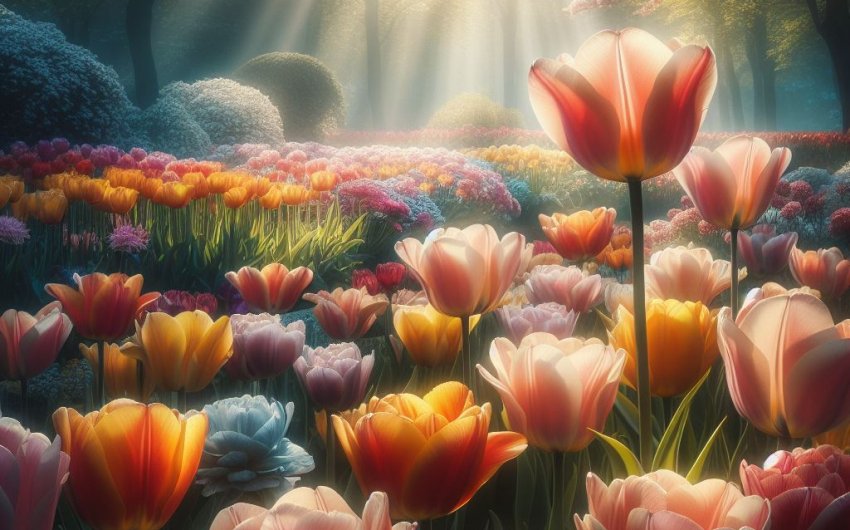
Tulips, with their iconic cup-shaped blooms, boast a rich and fascinating history stretching back centuries, originating in Central Asia before becoming symbols of vast wealth and passion. Their diverse colors each carry unique meanings, making them beloved blooms deeply entwined with symbolism across cultures.
Where did tulips originally come from?
The captivating journey of the tulip began not in the Netherlands, as many might assume, but in the wild mountainous regions of Central Asia, particularly in areas spanning from Turkey through Afghanistan and Kazakhstan. These hardy wild tulips thrived in arid, rocky landscapes, a stark contrast to the manicured gardens they adorn today.
The tulip's journey from wild lands:
- Original habitat: Wild tulips (Tulipa species) are native to a vast area from Southern Europe, North Africa, and the Middle East, extending into Central Asia. They prefer dry, cold winters and hot, dry summers.
- Early cultivation: The earliest known cultivation of tulips began in the Ottoman Empire (present-day Turkey) around the 10th century. Here, the flower, called "lale" (from which the English word "tulip" is derived, likely from the Persian word for turban, dulband, due to its shape), was highly prized.
- Symbol of the Ottomans: By the 16th century, the tulip had become a powerful symbol of the Ottoman Empire, representing paradise, abundance, and royalty. Sultans were passionate collectors, and the flower was prominently featured in art, poetry, and architecture.
- Introduction to Europe: The tulip was introduced to Western Europe in the mid-16th century, primarily through the efforts of Flemish diplomat Ogier Ghiselin de Busbecq, who brought bulbs from Turkey to Vienna. From there, it spread to other European botanical gardens.
How did tulips become so important in the Netherlands?
The tulip's rise to prominence in the Netherlands is a story unlike any other, culminating in a period of intense fascination and economic speculation known as Tulip Mania. From a rare botanical curiosity, the tulip quickly transformed into a status symbol and then a commodity of incredible, almost unbelievable, value.
The tulip's journey to Dutch obsession:
- Early Introduction (Late 16th Century):
- Carolus Clusius: The official introduction to the Netherlands is often attributed to Carolus Clusius, a renowned botanist. He became director of the Leiden University botanical garden in 1593 and planted some tulip bulbs he had acquired.
- Theft and Spread: Clusius, notoriously secretive with his bulbs, had some stolen from his garden, leading to the flower's spread among wealthy Dutch enthusiasts.
- Rarity and Status Symbol (Early 17th Century):
- Exotic Appeal: Tulips were still exotic and rare, appealing to the burgeoning merchant class of the Dutch Golden Age who sought luxury items to display their wealth.
- Broken Tulips: A key development was the appearance of "broken" tulips, whose petals displayed striking, variegated patterns of streaks and flames. These were caused by a virus (the tulip breaking virus) spread by aphids. Unbeknownst to them, the virus actually weakened the bulbs, making them even rarer and more coveted.
- High Prices: Prices for these uniquely patterned tulips began to climb dramatically.
- Tulip Mania (1634-1637):
- Speculative Bubble: The demand for tulips, especially the broken varieties, reached a fever pitch. People began to buy and sell tulip bulbs not for their beauty, but purely for speculation, hoping to sell them at an even higher price.
- Futures Market: A formal futures market developed, where people bought and sold contracts for bulbs they didn't yet possess or wouldn't be harvested until the next season.
- Unbelievable Prices: Prices soared to astronomical levels. A single tulip bulb of a desirable variety could trade for more than the cost of houses, farms, or the annual income of skilled craftsmen. Some historical accounts claim bulbs were exchanged for entire estates.
- The Crash (February 1637): The bubble burst suddenly and dramatically. Prices plummeted, leading to widespread financial ruin for many speculators. The market collapsed, leaving a legacy of cautionary tales about speculative bubbles.
- Long-Term Impact: Despite the crash, the tulip's appeal never truly faded. The Netherlands remained a center for tulip cultivation and breeding, eventually becoming the world's leading producer and exporter of tulip bulbs, a legacy that continues to this day.
What is the general symbolism of tulips?
Beyond their historical drama, tulips carry a rich and varied symbolism, making them much more than just beautiful flowers. Their meanings have evolved across cultures and over time, but generally, they are understood to convey deep emotions and significant messages.
Common symbolism of tulips:
- Perfect Love: This is perhaps the most well-known and overarching meaning of tulips. Their classic, elegant form is often seen to represent a perfect, deep, and unconditional love, making them a popular choice for romantic gifts.
- New Beginnings/Spring: As one of the first flowers to bloom after winter, tulips are powerful symbols of spring, rebirth, renewal, and fresh starts. They represent hope and the promise of brighter days ahead.
- Abundance and Prosperity: In the Ottoman Empire, tulips symbolized abundance, fertility, and wealth, a legacy that continues in some interpretations.
- Royalty and Nobility: Historically associated with the sultans of the Ottoman Empire, tulips also carry a connotation of royalty, elegance, and grace.
- Passion and Desire: The vibrant colors and sometimes dramatic appearance of tulips can also symbolize strong feelings of passion, desire, and fervent love.
What do different tulip colors symbolize?
The vibrant and diverse color palette of tulips allows them to convey an even more nuanced range of emotions and messages. Each hue, from fiery red to serene white, holds its own special significance, making color choice crucial when selecting tulips for a gift or arrangement.
Specific meanings by tulip color:
- Red Tulips:
- Symbolism: Undeniably associated with deep, true love and passion. A declaration of "believe me" or a symbol of ardent desire. Often given in the early stages of a relationship to express budding love.
- Occasion: Valentine's Day, anniversaries, romantic gestures.
- Yellow Tulips:
- Symbolism: Traditionally meant cheerful thoughts, sunshine, happiness, and hope. Historically, they once symbolized hopeless love or jealousy, but modern interpretations are overwhelmingly positive.
- Occasion: Friendship, get well soon, congratulations, bringing cheer to any room.
- Pink Tulips:
- Symbolism: Convey happiness, affection, caring, and good wishes. A softer, gentler form of love than red, perfect for new relationships or expressions of platonic affection.
- Occasion: Mother's Day, friendship, expressing gratitude, baby showers.
- White Tulips:
- Symbolism: Represent forgiveness, purity, respect, honor, and remembrance. They can also symbolize newness and a fresh start.
- Occasion: Funerals, memorials, apologies, weddings, religious ceremonies.
- Purple Tulips:
- Symbolism: Historically associated with royalty, nobility, wealth, and elegance. They can also represent admiration and enchantment.
- Occasion: Formal events, expressing admiration, celebrating achievements, sophisticated gifts.
- Orange Tulips:
- Symbolism: A blend of red and yellow, orange tulips signify fascination, enthusiasm, energy, and desire. They can also represent warmth and happiness.
- Occasion: Encouragement, celebrations, expressing excitement, vibrant décor.
- Variegated/Multi-colored Tulips:
- Symbolism: Often represent beautiful eyes or fascination due to their intricate patterns. They can also represent happiness and charm.
- Occasion: Unique gifts, artistic arrangements, showcasing individuality.
Do tulip varieties have their own symbolism?
While the general color symbolism of tulips is widely recognized, some specific varieties, particularly those with distinct forms, can also carry subtle additional meanings or evoke certain feelings through their appearance. These nuances add another layer of depth to your tulip tales.
Symbolism of specific tulip forms:
- Single Tulips (Classic Cup Shape):
- Symbolism: Represent classic beauty, simplicity, and pure, straightforward love. Their iconic shape is often synonymous with perfect love.
- Double Tulips (Peony Tulips):
- Symbolism: With their lush, abundant petals, they can symbolize luxury, extravagance, and intense beauty. They offer a sense of romantic fullness and opulence, often given when a simple statement isn't enough.
- Lily-Flowered Tulips:
- Symbolism: Their elegant, slender, often reflexed petals evoke grace, refinement, and sophistication. They are a more delicate and aristocratic expression.
- Parrot Tulips:
- Symbolism: Their exotic, fringed, feathered, and sometimes unruly petals symbolize unconventional beauty, extravagance, and joyfulness. They're a playful and dramatic choice, suggesting a vibrant personality or unique charm.
- Fringed Tulips:
- Symbolism: The delicate, crystalline fringe on their petals can symbolize elegance, intricacy, and refined beauty. They offer a subtle yet captivating detail.
- Rembrandt Tulips (Virused "Broken" Tulips):
- Symbolism: These historical tulips, with their dramatic streaking caused by a virus, symbolize rarity, uniqueness, and artistic beauty. They also carry the weight of the "Tulip Mania" era, representing great value and, perhaps, the fleeting nature of fortune.
What is the cultural significance of tulips around the world?
Beyond their symbolic meanings, tulips hold deep cultural significance in various parts of the world, reflecting their rich history and enduring appeal. From ancient empires to modern festivals, tulips weave vibrant threads through the fabric of diverse societies.
Tulip's cultural importance:
- Turkey (Ottoman Empire):
- National Flower: The tulip is the national flower of Turkey and a profound cultural symbol.
- Lale Devri (Tulip Era): The 18th century in the Ottoman Empire is known as the "Tulip Era," a period of peace, prosperity, and a lavish appreciation for the flower in arts, gardens, and festivals.
- Islamic Art: Tulips are a common motif in Islamic art, ceramics, textiles, and poetry, symbolizing beauty, divinity, and divine love.
- Netherlands:
- Iconic Symbol: The tulip is perhaps the most famous symbol of the Netherlands, instantly recognizable with Dutch culture globally.
- Tourism: Millions visit the Netherlands each spring for tulip fields (Keukenhof Gardens being world-famous) and festivals, which are a major economic and cultural draw.
- Flower Industry: The Dutch flower industry, particularly in tulip bulb cultivation, is a cornerstone of the national economy and horticultural expertise.
- Hungary:
- Folk Art: The tulip is a popular motif in traditional Hungarian folk art, often seen on embroidery, pottery, and painted furniture. It symbolizes femininity, renewal, and life.
- Iran/Persia:
- Ancient Symbolism: The tulip has deep roots in Persian culture, where it has long symbolized perfect love, spring, and martyrdom (particularly red tulips).
- Poetry and Art: It's frequently referenced in Persian poetry and appears in ancient art, representing beauty and sacrifice.
- Kazakhstan:
- Origin: As one of the ancestral homes of wild tulips, Kazakhstan celebrates the flower as part of its natural heritage. Spring sees vast fields of wild tulips bloom.
- North America (Canada/USA):
- Friendship and Spring: The tulip generally symbolizes friendship, welcome, and the arrival of spring.
- Canadian Tulip Festival: Ottawa hosts the largest tulip festival in the world, a gift from the Dutch royal family after World War II in thanks for sheltering Princess Juliana and her children. This annually renews the bond between the two nations.
What role do tulips play in modern celebrations and events?
In contemporary society, tulips continue to be a beloved and versatile choice for a wide array of celebrations and events, adapting their historical and symbolic meanings to modern aesthetics. Their cheerful disposition and elegant form make them suitable for almost any occasion.
Tulips in modern celebrations:
- Weddings:
- Symbolism: Often used to represent perfect love, happiness, and new beginnings.
- Use: Bridal bouquets (especially for spring weddings), centerpieces, boutonnieres, and ceremony decor. White and pastel tulips are very popular.
- Birthdays:
- Symbolism: Yellow tulips bring cheer and happiness, while pink tulips convey affection.
- Use: Bright, vibrant bouquets as gifts, or cheerful centerpieces for parties.
- Anniversaries:
- Symbolism: Red tulips signify true love, making them a classic choice.
- Use: Romantic bouquets, especially for early anniversaries.
- Mother's Day:
- Symbolism: Pink tulips express appreciation and gentle love, while yellow tulips convey joy.
- Use: A quintessential Mother's Day gift, often presented in beautiful spring arrangements.
- "Get Well Soon" Gifts:
- Symbolism: Yellow tulips are perfect for sending cheerful thoughts and wishes for recovery.
- Use: Brightening a hospital room or home, symbolizing hope.
- Sympathy and Funerals:
- Symbolism: White tulips represent peace, remembrance, and honor.
- Use: As part of sympathy arrangements or casket sprays, offering a respectful tribute.
- Home Decor:
- Symbolism: The general joy of spring and a touch of elegance.
- Use: Simple arrangements to refresh a living space, bring seasonal color to an entryway, or add life to a kitchen counter.
- Corporate Events/Galas:
- Symbolism: Purple tulips convey luxury and success, while various colors can match brand themes.
- Use: Sophisticated centerpieces, accent arrangements, adding a touch of natural beauty to corporate settings.
What are some myths and legends associated with tulips?
The deep history and captivating beauty of tulips have naturally inspired a wealth of myths, legends, and folklore across various cultures. These tulip tales often intertwine themes of love, passion, and transformation, adding to the flower's enduring mystique.
Popular tulip myths and legends:
- The Persian Legend of Farhad and Shirin:
- Story: A common Persian legend tells of a prince named Farhad who was deeply in love with Shirin. When he was falsely told that Shirin had died, he rode his horse off a cliff in despair. It is said that where every drop of his blood touched the ground, a vibrant red tulip sprang up, symbolizing his perfect and undying love.
- Symbolism: This myth is a primary source for the red tulip's association with deep, passionate, and perfect love.
- The Turkish Love Story:
- Story: Another Turkish legend speaks of a young man who died for his love. As he perished, tears of sorrow and drops of blood mingled and fell to the earth, giving birth to a beautiful red tulip from his blood and a white tulip from his tears, symbolizing the purity of his love and the pain of his loss.
- Symbolism: Reinforces the red tulip's meaning of love and passion, and the white tulip's connection to purity and remembrance.
- The Dutch Legend of the Three Suitors:
- Story: A beautiful maiden was courted by three suitors: one offered her a crown (symbolizing noble birth), one a sword (symbolizing power and protection), and one gold (symbolizing wealth). Unwilling to choose and wishing to offend none, she appealed to Flora (the goddess of flowers) to transform her into a tulip. The flower's parts represent the gifts: the bloom is the crown, the stem is the sword, and the bulb is the gold.
- Symbolism: Explains the tulip's unique structure and ties it to choices, wealth, and status, echoing the themes of Tulip Mania.
- The Gift of Color:
- Story: Some folklore suggests that tulips were originally only one color, but a fairy or goddess, touched by human emotions, imbued them with the colors of human joy, sorrow, and love.
- Symbolism: Highlights the tulip's diverse color palette and its ability to express a wide range of feelings.
- Protection from Evil:
- Story: In some ancient traditions, tulips were believed to offer protection. Planting them near a home was thought to ward off evil spirits or negative energy.
- Symbolism: Connects tulips to well-being and security.
These tulip tales, whether historical accounts or enchanting legends, consistently highlight the flower's intrinsic beauty, its capacity to evoke strong emotions, and its enduring connection to love, wealth, and the vibrant spirit of spring. From its ancient origins to its modern-day appeal, the tulip's story is as rich and captivating as its many colorful blooms.