
Can I compost effectively while living in an RV or van?
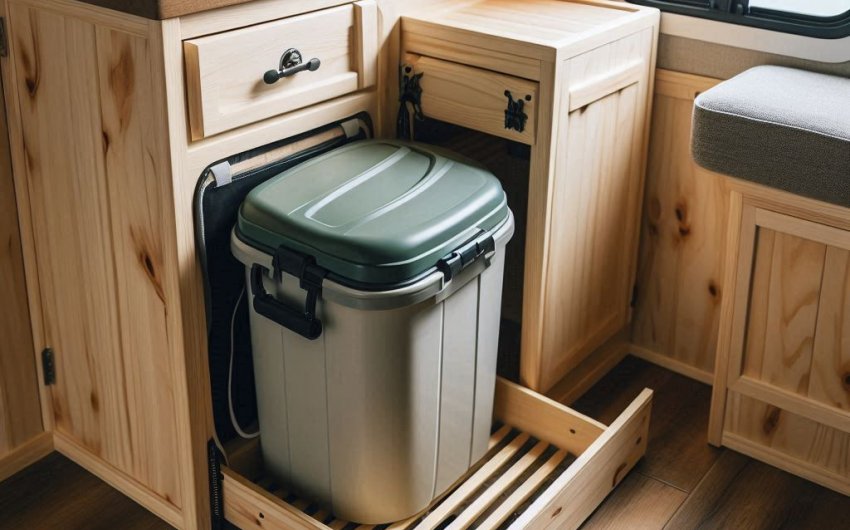
Living in an RV or van is all about maximizing space and living efficiently. You might be wondering, "Can I compost effectively while living in an RV or van?" The answer is a resounding yes! While it presents unique challenges compared to a traditional home with a backyard, RV and van composting is absolutely possible. It’s a fantastic way to reduce your waste footprint, manage odors, and contribute to a more sustainable mobile lifestyle. With the right approach and a few clever solutions, you can turn your food scraps into valuable resources, even on the go.
Why is Composting Challenging (But Possible!) in an RV or Van?
Composting in a small, mobile space like an RV or van definitely has its unique hurdles. Unlike a stationary home with a yard, you're dealing with very limited square footage, constant movement, and the need for extreme odor control. However, these challenges are precisely what make finding effective RV composting solutions so rewarding. It forces you to be more intentional and resourceful with your waste, aligning perfectly with the minimalist and adventurous spirit of van life or RV living.
What are the Space Limitations in Mobile Living?
The most obvious challenge for composting in an RV or van is the extreme space limitation. Every inch counts when you're living on wheels, and there's simply no room for a large outdoor compost pile or even a big stationary bin.
- Footprint: You can't dedicate a large floor area to a compost system. Whatever you choose has to be compact enough to fit into a tiny kitchen nook, under a seat, or in a cabinet.
- Vertical Space: Some RVs or vans might offer limited vertical storage, but even then, a composting system might need to be self-contained and not rely on too much height.
- Mobility: The compost system needs to be secure while the vehicle is in motion. You don't want it sliding around or tipping over, especially if it contains organic material. This often means preferring systems that are fully enclosed or can be easily stowed.
- Weight: RVs and vans have weight limits. While compost itself isn't incredibly heavy, the bin and its contents contribute to your overall vehicle weight, which is a factor for fuel efficiency and safety.
- Aesthetics: In such a small living area, your compost system will likely be visible. You'll want something that is not only functional but also doesn't look like an eyesore or scream "trash bin."
These space constraints mean that large, open-air compost piles are out. Instead, you'll need to focus on compact, contained, and often odor-free composting methods designed for indoor or very limited outdoor use.
Why is Odor Control So Important in a Small Vehicle?
In a tiny, enclosed space like an RV or van, odor control isn't just important—it's absolutely critical. What might be a minor, passing smell in a larger home can quickly become an overwhelming, inescapable stench in a small vehicle. This is because there's very little volume of air to dilute smells, and ventilation can be limited.
- No Escape: There's no separate "laundry room" or "mudroom" where smells can be contained. Your kitchen, living room, and bedroom are often all the same space. A smelly compost bin means your entire living area smells.
- Limited Ventilation: While RVs and vans have windows and fans, they aren't always on, especially when parked or during bad weather. Relying solely on ventilation to get rid of compost smells is not a reliable strategy.
- Attracting Pests: Strong odors, especially from rotting food, are a beacon for pests like fruit flies, ants, and even rodents. Dealing with a pest infestation in an RV or van is a nightmare you want to avoid at all costs.
- Comfort and Health: Continuous exposure to bad smells can be unpleasant and even affect your mood and well-being. A fresh-smelling interior is crucial for comfortable mobile living.
- Social Considerations: If you're parking in campgrounds or interacting with other RVers/van dwellers, you don't want your composting efforts to create a nuisance for others.
Because of these factors, any RV composting system must be inherently designed for odor-free operation. This usually means prioritizing sealed systems, proper management, and methods that rely on different biological processes than traditional outdoor composting.
How Does Mobility Affect Composting Practices?
The mobility inherent in RV and van life adds another layer of complexity to composting. Unlike a stationary home, your composting system needs to be able to handle being driven down bumpy roads, enduring changes in temperature, and adapting to different environments.
- Shifting Contents: A traditional open compost bin would be a disaster on wheels. As you drive, the contents would slosh, spill, and mix unevenly. Any chosen system must be secure and leak-proof.
- Temperature Fluctuations: RVs and vans can experience wide temperature swings. A parked vehicle can get extremely hot in the sun or very cold overnight. These fluctuations can affect the microbes and worms in your compost, potentially slowing down the process or even killing them off if conditions become too extreme.
- Resource Access: You might not always have consistent access to "brown" materials (like dry leaves or wood chips) or a place to empty finished compost. This requires more planning and resourcefulness.
- Environmental Regulations: When traveling, you might encounter different local regulations regarding waste disposal or the introduction of organic materials (e.g., bringing plant matter across state lines). While finished compost is usually fine, transferring unfinished material might be restricted in some areas.
- Where to Empty?: This is a big one. You can't just dump unfinished compost anywhere. You'll need to identify suitable places to responsibly dispose of or utilize your finished compost, whether it's a community garden, a friend's backyard, or by properly burying it in appropriate natural areas (following Leave No Trace principles where applicable).
These mobility challenges mean that RV and van composting requires selecting very specific, contained, and robust composting methods that are less sensitive to movement and can be easily managed on the go.
What Are the Best Composting Systems for RVs and Vans?
Given the tight spaces, the need for stringent odor control, and the mobile nature of RV and van living, certain composting systems rise to the top as the most practical and effective choices. Forget about sprawling outdoor piles; we're talking about compact, contained, and often highly efficient solutions. The goal is to minimize bulk while maximizing waste reduction.
Is Vermicomposting Ideal for Mobile Living?
Vermicomposting, or worm composting, is often considered one of the most ideal composting solutions for RVs and vans. It's a fantastic option because it directly addresses many of the challenges of mobile living.
- Compact: Worm bins like the Worm Factory 360 Composting Bin are relatively small and can be tucked into a cabinet, under a bed, or in a storage compartment. You can even use a simple plastic tote with air holes.
- Odor-Free: A healthy, well-maintained worm bin typically has an earthy smell, if any at all. This is because the worms are efficiently breaking down food scraps aerobically (with oxygen), preventing the foul odors associated with anaerobic decomposition. This is crucial for small, enclosed spaces.
- Low Maintenance (Once Established): Once your worm bin is set up and thriving, it requires minimal daily attention. You just add food scraps periodically and ensure the moisture is right.
- Handles Movement Well: Worms are surprisingly resilient. As long as the bin is secured to prevent tipping and the contents aren't sloshing excessively, the worms will generally adapt to being on the move.
- Year-Round Composting: You can compost indoors regardless of external weather conditions.
- Produces Valuable Compost: Worm castings are a highly potent and valuable soil amendment.
Considerations for RV/Van Vermicomposting:
- Temperature: Worms (red wigglers) prefer temperatures between 55-77°F (13-25°C). Extreme heat or cold can harm or kill them. You'll need to manage your RV/van's internal temperature to keep your worms comfortable.
- Moisture Control: Avoid adding overly wet food scraps without balancing them with dry "browns" (shredded newspaper, cardboard) to prevent the bin from becoming too soggy. Excess liquid (leachate or "worm tea") should be drained regularly if your bin has a spigot.
- What to Feed: Stick to fruit and vegetable scraps, coffee grounds, and tea bags. Avoid meat, dairy, oily foods, and citrus in large quantities, as these can attract pests and create odors.
Overall, vermicomposting for RVs offers a highly practical, eco-friendly composting solution for life on the road.
How Do Bokashi Bins Fit into Mobile Lifestyles?
Bokashi composting is another excellent choice for RV and van dwellers, especially if you want to compost all your food scraps, including those that are typically off-limits for worm bins or traditional compost piles. Bokashi uses a fermentation process rather than decomposition, which makes it uniquely suited for small, mobile spaces.
- Airtight and Odor-Free During Fermentation: The Bokashi bin is designed to be airtight, which is essential for the anaerobic fermentation to occur. This means no odors escape during the main processing phase. You might notice a slightly pickly, fermented smell when you open the lid to add scraps, but it dissipates quickly.
- Composts All Food Waste: This is a major advantage for RV and van life where food waste disposal can be a constant concern. You can put in meat, fish, dairy, cooked foods, and even small bones, making it a comprehensive food waste management system.
- Compact: Bokashi bins are typically bucket-sized and can easily fit in a small kitchen area or under a counter. A good Bokashi composting kit includes everything you need.
- Handles Movement Well: Because it's a sealed system, a Bokashi bin is very stable during transit. As long as it's secured to prevent tipping, there's no sloshing or spilling.
- Produces "Bokashi Tea": During fermentation, a nutrient-rich liquid ("Bokashi tea") drains to the bottom and can be tapped off from a spigot. This liquid is a valuable fertilizer for plants.
- Temporary Storage of Fermented Material: The fermentation process takes 2-4 weeks. After this, the fermented material needs to be buried in soil to fully break down into compost. If you're on the move, you can simply keep the fermented material sealed in the Bokashi bin or transfer it to another airtight container until you reach a suitable place for burial (e.g., a friend's garden, a community garden, or a legal, designated burying spot following Leave No Trace principles).
The only significant consideration with Bokashi for RVs is managing the final burial step, but the ability to safely store the fermented material for a period makes it highly adaptable to a mobile lifestyle. It's a powerhouse for indoor composting in a small footprint.
Are Electric Food Waste Recyclers a Good Option?
Electric food waste recyclers, sometimes called kitchen composters or food scrap dehydrators, are a relatively new category of appliance that can be a game-changer for RV and van dwellers seeking to minimize food waste quickly and cleanly. They don't produce traditional compost, but they dramatically reduce the volume of food waste.
- Rapid Processing: These machines use heat, grinding, and aeration to break down food scraps into a dry, sterile, and much smaller material in just a few hours. This is incredibly fast compared to biological composting methods.
- Extreme Volume Reduction: Food waste can be reduced by up to 90% in volume and weight. This is a huge benefit in an RV or van where trash capacity is severely limited.
- Odor Control: Most electric composters are designed to be odor-free during operation, often using activated carbon filters. The resulting material is dry and doesn't smell like rotting food.
- Composts All Food Types: Like Bokashi, these machines can process almost all food scraps, including meat, dairy, and bones.
- Plug-and-Play: Just plug it in, add your food scraps, and press a button.
- Output Management: The resulting dry material isn't finished compost. It's more of a soil amendment or a very dry "food scrap powder" that still needs to be mixed into soil to continue breaking down. However, because it's dry and odorless, it's very easy to store until you find a suitable place to incorporate it into soil.
Considerations for RV/Van Use:
- Power Consumption: Electric composters require electricity to run. This might be a concern for off-grid van lifers who rely heavily on solar power, as they can draw a fair amount of energy. Check the wattage of models like the Lomi Composter to see if it fits your power budget.
- Cost: These appliances can be a significant upfront investment.
- Not True Compost: Remember, the output needs further interaction with soil to become truly bioavailable for plants.
For those who prioritize speed, convenience, and maximum volume reduction for food waste management in their RV or van, and have the power to support it, an electric food waste recycler is a highly effective, albeit different, solution.
What Are the Best Practices for Composting on the Go?
Choosing the right composting system is just the first step. To truly compost effectively in an RV or van, you need to adopt best practices that cater to the unique constraints of mobile living. These practices focus on vigilance, resourcefulness, and responsible waste management, ensuring your composting journey is as seamless and odor-free as possible, no matter where the road takes you.
How Do You Manage "Browns" and "Greens" in Limited Space?
Maintaining the balance of "browns" (carbon-rich, dry materials) and "greens" (nitrogen-rich, moist materials) is essential for any composting system. In an RV or van, where space is limited and resources can be inconsistent, this requires extra planning and resourcefulness.
- Greens (Kitchen Scraps): These are usually abundant in an RV or van.
- Prioritize Fruit & Veggie Scraps: These are perfect.
- Coffee Grounds & Tea Bags: Excellent "greens."
- Eggshells: Good source of calcium, but crush them first.
- Manage Moisture: Try to drain excess liquid from very wet scraps before adding them.
- Browns (Dry Materials): This is where the challenge lies, as you don't have an endless supply of dry leaves. You need to be intentional about collecting and storing them.
- Shredded Paper/Cardboard: A staple for RV composting. Keep a small stack of old newspapers, junk mail, paper bags, or toilet paper/paper towel rolls. Shred or tear them into small pieces. A small paper shredder could be useful if you consistently have a paper source.
- Sawdust/Wood Shavings: If you or someone nearby is doing woodworking, small amounts of untreated sawdust or wood shavings can be an excellent brown source.
- Coconut Coir (Dried): Compressed coconut coir bricks are great for storage. When needed, you rehydrate a small amount. A small brick of coconut coir is easy to keep on hand.
- Dry Leaves/Pine Needles: If you're camping in an area with dry leaves, collect a small amount and store them in a breathable bag. Just ensure they are dry.
- Storage: Dedicate a small, airtight container for your collected browns. Keeping them dry is crucial.
- The Golden Rule: For every batch of "greens" you add to your worm bin or other active compost, follow it immediately with a good handful of "browns." This helps absorb moisture, prevents odors, and maintains the carbon-nitrogen balance crucial for healthy composting.
By being proactive about sourcing and storing your browns, you can effectively manage the carbon-to-nitrogen ratio and keep your RV compost thriving.
What are the Best Strategies for Odor Prevention and Management?
Odor prevention is paramount when composting in an RV or van. A single lapse can make your small living space unbearable. The good news is, with the right system and consistent practices, your compost should be largely odor-free.
- Choose the Right System: This is the most crucial step. Vermicomposting, Bokashi, and electric food recyclers are inherently designed to be low-odor when managed correctly. Traditional open-air composting is simply not suitable.
- Balance "Greens" and "Browns": The most common cause of bad odors (rotten eggs, ammonia) is too much nitrogen (greens) and not enough carbon (browns), leading to anaerobic conditions. Always cover new food scraps with a layer of dry browns.
- Bury Food Scraps: In worm bins, always bury new food scraps completely under the bedding. This prevents fruit flies from laying eggs and helps decomposition begin quickly, reducing surface odors.
- Avoid Problematic Scraps (for Worm Bins): For vermicomposting, strictly avoid meat, dairy, oily foods, and citrus in large quantities. These attract pests and produce foul smells in a worm bin. Bokashi and electric composters can handle these.
- Don't Overfeed: Whether it's worms or Bokashi, don't overwhelm the system. Add smaller amounts more frequently rather than large batches at once. Give your worms time to process existing food before adding more.
- Drain Leachate/Bokashi Tea: If your system produces liquid (like from a worm bin spigot or Bokashi tea), drain it regularly to prevent it from becoming stagnant and smelly.
- Activated Carbon Filters: Many electric composters use activated carbon filters to absorb odors. Ensure you replace these regularly as per manufacturer instructions.
- Cleanliness: Keep the outside of your compost bin clean. Wipe away any spills or drips immediately.
- Ventilation (as a backup): While not the primary solution, occasional ventilation (opening windows, running a fan) can help air out the space if you do detect a faint smell, but it should not be relied upon for continuous odor control.
By rigorously applying these odor control techniques, you can ensure your RV composting remains a pleasant and discreet part of your mobile lifestyle.
How Can You Manage Pests and Insects in a Small Enclosed Space?
Pest and insect management is a major concern when composting in a small, enclosed space like an RV or van. A few fruit flies can quickly become an irritating swarm, and the thought of attracting ants or rodents is enough to deter many from composting. However, with the right strategies, you can keep your compost system pest-free.
- Choose the Right System:
- Sealed Bins: Bokashi bins are airtight, preventing any insect entry or escape.
- Well-Designed Worm Bins: Quality worm bins are typically designed to be escape-proof for worms and entry-proof for insects. Ensure the lid fits tightly and there are no large gaps.
- Electric Composters: These process food quickly into a dry, sterile material that is unattractive to pests.
- Bury All Food Scraps: This is the golden rule for preventing fruit flies and other insects in active composters (like worm bins). Always dig a hole in the bedding, add your food scraps, and then cover them completely with a few inches of dry bedding or existing compost. Leaving food exposed is an open invitation.
- Avoid Attractants (for Worm Bins): As mentioned for odor control, meat, dairy, and oily foods are major attractants for fruit flies, ants, and rodents. Strictly avoid these in worm bins.
- Don't Overfeed: An overloaded worm bin where food isn't being consumed fast enough can start to attract flies. Only add new food once the worms have significantly reduced the previous batch.
- Moisture Control: Too much moisture can create a breeding ground for fungus gnats. Ensure your compost is damp, not soaking wet. Add more "browns" if it's too moist.
- Cleanliness: Keep the area around your compost bin meticulously clean. Wipe up any spills or crumbs immediately. Store your food scraps for the compost bin in a sealed container or bag until you're ready to add them.
- Rinse Produce: Lightly rinse fruit and vegetable scraps before adding them to remove any fruit fly eggs already present on the produce.
- Lure & Trap (as a last resort): If you do get fruit flies, use simple apple cider vinegar traps (a small dish with vinegar and a drop of dish soap) near the bin, but focus on the prevention strategies first.
By being diligent with these pest management strategies, your RV composting efforts can remain clean, odor-free, and pest-free, allowing you to enjoy your mobile home without unwanted critters.
Where Can You Responsibly Dispose of or Use Finished Compost?
This is a critical question for RV and van dwellers: what do you do with the finished compost or the processed material from your system? You can't just toss it anywhere. Responsible disposal and utilization are key to being a good steward of the environment and a respectful traveler.
- Finished Vermicompost/Bokashi pre-compost:
- Community Gardens: This is an excellent option! Many cities and towns have community gardens that would be thrilled to receive your nutrient-rich compost. Ask permission first.
- Friends/Family Gardens: If visiting friends or family with gardens, offer your compost. They'll likely appreciate it.
- Potted Plants (Yours or Others): If you have a few small potted plants in your RV or van, you can use the compost as a top dressing or mix it into their soil.
- Land Reclamation/Degraded Areas (with caution and permission): In some cases, if you find areas of truly degraded soil (e.g., eroded road cuts, construction sites with permission from the landowner), you might be able to spread small amounts to help revitalize the soil. However, this requires careful judgment and, ideally, permission.
- Burying in Nature (with extreme caution and Leave No Trace): While a traditional backyard might absorb compost, dumping it directly into sensitive natural areas is generally discouraged. If you absolutely must, bury small amounts deep (6-8 inches) in dispersed locations, far from water sources and trails, in areas where soil microbes are likely to break it down quickly. This should be a very rare last resort and only for small quantities.
- Disposal at Approved Facilities: In some areas, composting facilities or green waste drop-off sites might accept finished compost. Call ahead to check.
- Electric Composter Output:
- Since this is a dry, sterile material, it's generally easier to store and transport.
- Mix into Soil: It needs to be mixed into soil to continue its breakdown and become truly plant-available. Use it for potted plants, community gardens, or offer it to friends with gardens.
- Landfill (Last Resort): While the goal is to avoid the landfill, the volume reduction from an electric composter means you're sending significantly less waste if you have no other option.
Key Principles for Disposal/Use on the Go:
- Ask Permission: Always ask before applying compost to someone else's property or a community garden.
- Be Discreet: If burying, do so out of sight and respectfully.
- Leave No Trace: Understand and follow Leave No Trace principles, especially when in natural areas. Don't leave piles of anything visible.
- Avoid Sensitive Ecosystems: Never dispose of compost or food waste directly into rivers, lakes, or highly sensitive natural environments.
- Store Responsibly: Until you find a suitable place, keep finished compost or processed material in a sealed, odor-proof container.
Responsible compost utilization completes the cycle of sustainable living in your RV or van, ensuring your efforts benefit the environment without negatively impacting the places you visit.