
How do I compost in areas with frequent rain or floods?
Composting is a fantastic way to turn kitchen and yard waste into rich soil, but if you live in an area with frequent rain or floods, you might be wondering, "How do I compost effectively?" It's a great question, because too much water can definitely mess up your compost pile. The good news is, with the right strategies and water-resistant composting methods, you can keep your compost healthy and productive, even when the skies open up or water levels rise. It's all about protection, drainage, and smart material choices to ensure your compost doesn't become a soggy, smelly mess.
Why is Rain and Flood Management Crucial for Composting?
When it comes to composting in wet climates, managing rain and potential floods isn't just a suggestion; it's absolutely crucial for success. Your compost pile is a living system, full of tiny microorganisms that work hard to break down organic matter. These little helpers need a balanced environment, and too much water can throw everything out of whack. If your compost gets waterlogged, it can lead to a host of problems that stop the decomposition process in its tracks and create issues you definitely don't want.
What Happens to Compost When It Gets Too Wet?
Imagine trying to breathe underwater – that's kind of what happens to your compost when it gets too wet. The microscopic workers in your compost pile, the bacteria and fungi, need air (oxygen) to do their job properly. When a compost pile gets soaked by heavy rainfall or is hit by flooding, the water fills up all the little air pockets. This creates what's called anaerobic conditions, meaning "without oxygen."
When compost goes anaerobic, the decomposition process changes. Instead of breaking down cleanly, the materials start to putrefy or rot in a different way. This leads to several problems:
- Bad Odors: The most noticeable sign of anaerobic conditions is a terrible smell, often like rotten eggs or sewage. This is due to different types of bacteria taking over, producing unpleasant gases like methane and hydrogen sulfide. Nobody wants a stinky compost pile, especially if it's anywhere near your home!
- Slow Decomposition: Without oxygen, the beneficial microbes that break down organic matter quickly slow down or even die off. This means your compost takes much, much longer to break down, if it breaks down at all. You'll end up with a pile of soggy, unprocessed waste instead of rich, finished compost.
- Nutrient Leaching: Excess water can wash away valuable nutrients from your compost pile. When rain soaks through the materials and drains out the bottom, it carries away soluble nutrients that you want to keep in your compost. This weakens the quality of your final product.
- Pest Attraction: A soggy, smelly, slow-to-decompose pile is far more likely to attract unwanted pests like rodents and flies, which can be a nuisance and a health concern.
Understanding these issues highlights why moisture control is so vital in wet weather composting. It's about protecting the delicate balance needed for a healthy, efficient compost system.
How Does Waterlogging Affect the Composting Process?
Waterlogging specifically harms the composting process by disrupting the ideal conditions for aerobic decomposition. Think of a healthy compost pile as a breathable sponge. It needs moisture, but also plenty of air circulation. When it becomes waterlogged, it's like a sponge that's completely saturated and can't hold any more air.
Here's a breakdown of how waterlogging affects the process:
- Loss of Oxygen: As mentioned, the water fills all the pore spaces, forcing out oxygen. This kills off the oxygen-loving microbes that are responsible for quick, efficient, and odor-free composting.
- Shift to Anaerobic Microbes: Different types of microorganisms that thrive without oxygen take over. While they do break down organic matter, their process is much slower and produces byproducts that cause foul odors. These are the same types of processes that happen in a landfill, producing harmful greenhouse gases like methane.
- Reduced Temperature: Active compost piles generate heat from microbial activity. When a pile becomes waterlogged, this heat generation slows down or stops because the aerobic microbes are inhibited. Without sufficient heat, the composting process grinds to a halt, and you might not reach temperatures high enough to kill off weed seeds or pathogens.
- Compaction: Soggy materials can become dense and compacted, making it even harder for air to penetrate. This further exacerbates the lack of oxygen and creates an even less favorable environment for composting.
- Mold and Mildew: While some fungi are good for composting, excessive moisture can encourage the growth of undesirable molds and mildews that are a sign of an unhealthy, anaerobic pile.
Effective compost management in high rainfall areas means actively preventing waterlogging. This ensures your compost remains hot, efficient, and produces that rich, earthy smell instead of foul odors. It's crucial for achieving successful composting in challenging weather.
What Are the Best Composting Methods for Wet Climates?
Choosing the right composting method is the first and most important step when dealing with frequent rain or floods. Not all compost systems are created equal, especially when it comes to battling excess moisture. The goal is to select a system that inherently offers good protection from the elements, allows for proper drainage, and makes it easy to maintain the right moisture balance. Let's look at some of the top contenders for wet climate composting solutions.
How Can Covered Bins and Tumblers Help?
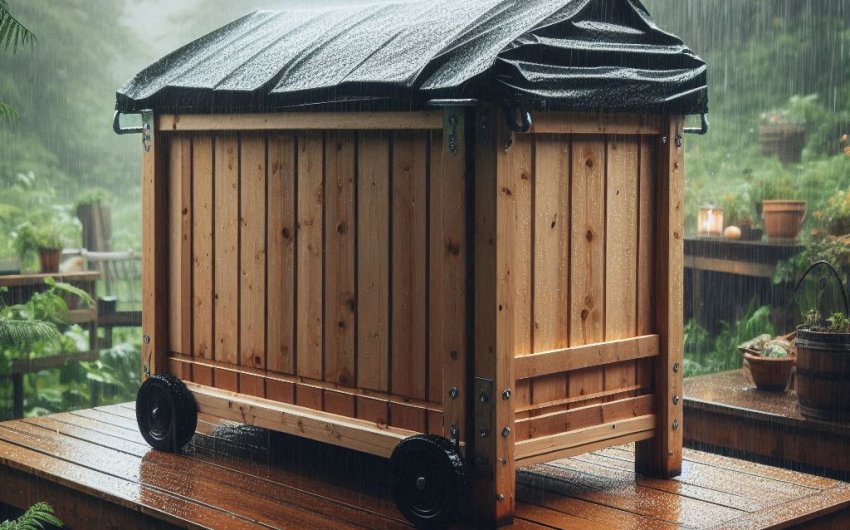
Covered compost bins and compost tumblers are excellent choices for areas with heavy rainfall. Their design offers direct protection from rain, which is essential for maintaining the right moisture level in your compost pile.
Covered Compost Bins: These are typically static bins with a lid or cover that keeps rain out.
- Protection: The main benefit is the lid, which acts as an umbrella, preventing direct rainfall from saturating your compost.
- Airflow: While covered, many designs still allow for good airflow around the sides or through vents, which helps prevent anaerobic conditions.
- Types: You can find ready-made plastic bins like the Soil Saver Classic Compost Bin which often come with secure lids. You can also DIY a covered bin using pallets and a tarp, or build a wooden bin with a hinged lid.
- Drainage: Most covered bins are open at the bottom, allowing for some drainage into the ground. However, you still need to ensure your pile isn't sitting in a puddle.
Compost Tumblers: These are sealed, elevated containers that you rotate to mix your compost.
- Superior Rain Protection: Because they are sealed and elevated, compost tumblers offer the best protection against rain saturation and even minor flooding. No water can get into the main composting chamber.
- Easy Aeration: The tumbling action easily mixes and aerates the compost, preventing compaction and ensuring oxygen is distributed throughout the pile. This is critical for avoiding anaerobic odors, especially in a wet environment.
- Pest Resistance: The sealed design also helps keep pests out, which is a bonus in any climate.
- Types: Tumblers come in various sizes and designs, including single or dual-chamber compost tumblers like the FCMP Outdoor IM4000 Dual Chamber Tumbling Composter. A dual-chamber model is great because you can be adding new material to one side while the other side is curing.
Both covered bins and tumblers are excellent weather-resistant composting solutions. Tumblers generally provide more comprehensive protection and easier aeration, making them highly recommended for truly wet areas.
Is Vermicomposting a Good Option in Rainy Areas?
Vermicomposting, or worm composting, is an absolutely fantastic option for areas with frequent rain or floods, primarily because it's an indoor composting method. Since your worm bin is typically kept inside your home, a garage, or a covered porch, it's completely protected from external rainfall and direct flooding.
Here’s why worm composting excels in wet climates:
- Complete Rain Protection: Your worms and compost stay dry and at the right moisture level, regardless of how much it rains outside.
- Controlled Environment: You have full control over the moisture, temperature, and feeding in the worm bin. This allows you to maintain the ideal conditions for your red wiggler worms to thrive and efficiently break down food scraps.
- Odor-Free (When Managed Well): A healthy worm bin, properly maintained with the right moisture and food scraps, should not smell. This is a huge advantage when you can't rely on outdoor elements to air things out.
- Year-Round Composting: No matter the season or the weather, you can continue composting consistently.
- Produces High-Quality Compost: Worm castings are a highly potent and nutrient-rich soil amendment, perfect for container gardens or enriching outdoor beds once the rain subsides.
Things to consider:
- While the bin is protected from rain, you still need to manage the internal moisture. Don't add excessively wet food scraps without balancing them with dry bedding like shredded newspaper or cardboard.
- Some worm bins, especially multi-tiered ones like the Worm Factory 360 Composting Bin, have spigots to drain worm tea (liquid fertilizer). Regularly draining this liquid is important to prevent the bottom from becoming too soggy.
For truly rainy climates, vermicomposting offers a reliable, low-risk way to manage your organic waste without worrying about soggy compost. It's a prime example of an indoor composting solution that thrives where outdoor methods might struggle.
Can Bokashi Composting Work in Flood-Prone Zones?
Bokashi composting is another excellent indoor composting solution that is highly suitable for flood-prone zones and areas with heavy rain. Like vermicomposting, the primary fermentation process happens indoors in a sealed bucket, protecting it entirely from external moisture.
Here’s why Bokashi composting is a great fit:
- Sealed System: The Bokashi bin is designed to be airtight, which is essential for the anaerobic (oxygen-free) fermentation process. This sealed nature means no rainwater can get in, and no odors can get out during the initial fermentation stage.
- Composts All Food Waste: A significant advantage of Bokashi is its ability to ferment all types of food scraps, including meat, dairy, and cooked foods, which are usually avoided in traditional and worm composting. This makes it a comprehensive food waste management system, regardless of the weather.
- Compact: Bokashi bins are typically small, bucket-sized containers that can easily fit under a sink, in a pantry, or on a covered porch, well away from any potential flooding.
- Produces "Bokashi Tea": During fermentation, a liquid called "Bokashi tea" is produced, which can be drained from a spigot at the bottom of the bin. This liquid is a nutrient-rich fertilizer for plants, and draining it prevents the contents from becoming waterlogged internally.
- Flexibility for Burying: After the fermentation period (usually 2-4 weeks), the Bokashi pre-compost needs to be buried in soil to fully break down. In a flood-prone area, you might need to:
- Store it: If outdoor conditions are too wet or flooded, you can store the fermented material temporarily in a sealed container until conditions improve.
- Use large pots or raised beds: If you have limited ground access or frequent flooding, using large planters or raised beds filled with soil can be a good way to "bury" the Bokashi pre-compost to complete its breakdown.
A good Bokashi composting kit will provide you with everything you need. While the final burial step requires an outdoor space, the ability to store the fermented material and manage the initial breakdown indoors makes Bokashi a highly resilient composting solution for challenging climates.
What Best Practices Ensure Healthy Compost in Wet Weather?
Even with the right composting system, simply having a covered bin isn't enough in areas with frequent rain or floods. You need to adapt your composting practices to actively manage moisture, maintain aeration, and select your materials wisely. These wet weather composting best practices are crucial to ensuring your compost remains a healthy, active ecosystem rather than turning into a soggy, anaerobic mess. It’s all about staying a step ahead of the weather.
How Do You Manage the Carbon-to-Nitrogen Ratio in Rainy Conditions?
Maintaining the right carbon-to-nitrogen ratio (often called the "browns to greens" ratio) is always important in composting, but it becomes absolutely critical in rainy conditions. Browns are carbon-rich materials, typically dry and woody, while greens are nitrogen-rich, usually fresh and moist.
- The Problem in Wet Weather: When it rains a lot, your "greens" (food scraps, fresh grass clippings) already bring a lot of moisture. If your pile then gets wet from rain, it can easily become oversaturated and go anaerobic. The key is to add extra "browns" to absorb this excess moisture and provide the necessary carbon.
- Stockpile Your Browns: This is arguably the most important tip for composting in wet climates. You need a good supply of dry browns on hand at all times.
- Examples: Shredded newspaper, shredded cardboard (cereal boxes, paper towel rolls), dry leaves (collected in fall and stored dry), wood shavings, straw.
- Storage: Store these materials in a dry place, like a shed, garage, or even inside sealed bins or bags, so they don't get wet before you use them. Having a large outdoor storage bin can be very helpful for keeping a good supply of browns dry.
- Layering and Adding Browns with Greens: Whenever you add wet "greens" to your compost, immediately follow it with a generous layer of dry "browns." This helps absorb moisture right away.
- Adjusting the Ratio: In very wet conditions, you might need a higher ratio of browns to greens than the typical 2:1 or 3:1 (by volume). Don't be afraid to add more browns than usual if your pile feels too wet.
- Smaller Pieces: Shredding or tearing your browns into smaller pieces increases their surface area, making them more effective at absorbing moisture and helping them break down faster.
By proactively managing your carbon-to-nitrogen balance and prioritizing the addition of dry browns, you can effectively combat excess moisture and keep your compost pile healthy even during extended rainy periods. This is a cornerstone of rain-resistant composting.
Why is Good Drainage and Aeration Essential?
Good drainage and aeration are the twin pillars of successful composting in wet climates. Without them, even a covered bin can struggle. These two factors work together to prevent waterlogging and maintain the oxygen levels crucial for aerobic decomposition.
Drainage:
- Elevate Your System: If you have an outdoor compost bin (even a covered one), place it on a raised platform, a layer of gravel, or even bricks. This ensures that if the ground around it becomes saturated or floods slightly, your compost bin isn't sitting directly in water.
- Permeable Base: If your bin has an open bottom, ensure it's sitting on a well-draining surface like bare earth, not concrete. This allows any excess water that makes it into the pile to drain away naturally.
- Avoid Low-Lying Areas: Never place your compost system in a natural depression or low spot in your yard where water tends to collect. Choose the highest practical point.
- Bokashi Tea Drainage: If using a Bokashi bin, regularly drain the "Bokashi tea" to prevent internal waterlogging.
Aeration:
- Regular Turning: This is the single most effective way to ensure good aeration. Use a compost fork or an aerator tool to turn your compost frequently. The more often you turn, the more oxygen gets distributed throughout the pile, which is especially important if it gets wet.
- Compost Tumblers: As mentioned, tumblers make aeration incredibly easy. A few spins every few days effectively mixes and aerates the pile without physical effort.
- Bulking Agents: Add coarse, bulky materials to your compost pile along with the finer materials. Examples include wood chips, straw, or small branches (chopped into small pieces). These "bulking agents" create air pockets that prevent compaction and allow oxygen to circulate, even when things are damp.
- Porous Bin Design: Even covered bins should ideally have some vents or gaps for passive airflow. Avoid completely airtight containers for traditional aerobic composting.
By prioritizing both drainage and aeration, you create a resilient compost system that can withstand the challenges of heavy rainfall and keep your composting microbes happy and hard at work. These are key for flood-resistant composting.
What Materials Should You Avoid in Wet Climates?
When composting in wet climates, it becomes even more important to be careful about what you add to your pile. Certain materials can quickly exacerbate moisture problems, leading to foul odors and a sluggish, unhealthy compost pile. The goal is to keep your compost in balance, and some items just make that harder when moisture is already an issue.
- Excessively Wet Food Scraps: While all food scraps contain moisture, try to avoid adding large quantities of very watery items like watermelon rinds or juicy tomatoes all at once. If you do add them, immediately follow with a large amount of dry "browns."
- Large Quantities of Fresh Grass Clippings: While grass clippings are great "greens," they are extremely wet and can quickly become a slimy, smelly mess if added in large, thick layers. If you must add them, spread them thinly, mix them thoroughly with dry browns, and turn the pile frequently. Better yet, let them dry out in the sun for a day or two before adding them.
- Diseased Plants: In very wet conditions, plant diseases (fungi, blight) can spread more easily. It's best to avoid composting diseased plants altogether, especially if your pile isn't consistently hot enough to kill pathogens.
- Weeds with Seeds: If your pile is struggling to heat up due to wet conditions, it won't get hot enough to kill weed seeds. These seeds will simply survive and can then sprout wherever you use your finished compost.
- Meat, Dairy, Oils, Pet Waste: These items should generally be avoided in most home compost piles anyway (except Bokashi) due to pest attraction and odor. In a wet, anaerobic pile, these problems are magnified, making the smell even worse and drawing more unwanted critters.
By being selective about your compostable materials and paying extra attention to the moisture content of what you add, you can significantly reduce the risk of problems in your wet weather compost pile. Focus on materials that contribute to a healthy, balanced system.
How Can You Protect Your Compost Pile from Floods?
Beyond just rain, flooding presents a unique and more severe challenge to composting. While a good lid handles rain, a flood can completely submerge or wash away your compost system. Protecting your compost from flood damage requires strategic placement and, in some cases, temporary measures. It’s about building resilient composting systems that can withstand significant water events.
What are the Best Locations for a Compost Pile in Flood-Prone Areas?
Choosing the right location for your compost pile is absolutely critical in flood-prone areas. A few feet can make all the difference between a thriving compost system and a soggy disaster.
- Highest Ground Available: This is the golden rule. Site your compost pile or bin on the highest elevation point within your property. Even a slight incline can help direct water away.
- Away from Natural Depressions: Avoid placing your compost in any dips, swales, or low-lying areas where water naturally collects or flows during heavy rain or flood events. Observe your yard during a downpour to identify these spots.
- Uphill from Structures: Position your compost pile uphill or away from your home, sheds, or any other structures to prevent potential water runoff from the compost (or from a flooded compost) damaging your property.
- Good Drainage Around the Base: Even if it's on high ground, ensure the area directly beneath and around your compost system has good natural drainage. A base of gravel or a raised platform can further enhance this.
- Consider Future Flood Zones: If you know certain areas of your property are designated flood zones or frequently experience standing water, keep your compost well out of these areas.
- Accessibility (for you): While prioritizing elevation, don't put it somewhere you can't easily access it, especially during or after a rain event. You still need to be able to add materials and turn it.
- Permeable Surface: If using a traditional open-bottom bin, place it on a permeable surface like bare earth, rather than concrete or paving, to allow for some drainage into the ground.
Strategic compost site selection is the first line of defense against flood impacts and a cornerstone of flood-resistant composting.
Should You Elevate Your Compost Bin or Tumbler?
Absolutely, elevating your compost bin or tumbler is a highly recommended practice, especially in flood-prone areas or places with significant rainfall. This simple step can provide crucial protection and significantly improve your composting success.
Benefits of Elevation:
- Flood Protection: This is the primary reason. By lifting your compost system off the ground, you create a buffer zone that helps protect it from rising floodwaters. Even if the surrounding ground becomes saturated, your compost will stay drier.
- Improved Drainage: For open-bottom bins, elevating them on a permeable base (like a pallet, bricks, or concrete blocks) allows any excess water to drain away more efficiently from the bottom of the pile. This prevents the compost from sitting in standing water and going anaerobic.
- Enhanced Aeration: Lifting the bin slightly off the ground can also improve airflow underneath and around the base, contributing to better overall aeration of the pile.
- Pest Deterrent: Elevating the bin can make it slightly harder for ground-dwelling pests like rodents to access your compost.
- Easier Access: For some, raising the bin to a more comfortable working height can make adding materials and turning easier, reducing bending.
How to Elevate:
- Pallets: Wooden pallets are a common and effective way to elevate compost bins. Just make sure they are sturdy and don't rot quickly.
- Concrete Blocks or Bricks: These are durable and provide a stable, elevated base.
- DIY Stands: You can construct a simple wooden or metal frame or stand specifically for your compost bin.
- Pre-built Tumblers: Many compost tumblers already come with integrated stands that elevate the composting chamber off the ground, making them inherently flood-resistant by design. A dual-chamber compost tumbler like the Lifetime 60058 Compost Tumbler already has its own sturdy stand.
Elevating your compost system is a proactive and effective measure for composting in challenging weather conditions, providing a vital layer of flood protection and ensuring your compost remains healthy and active.
Are Temporary Measures Necessary During Extreme Weather?
Yes, temporary measures are definitely necessary during extreme weather events like predicted floods or prolonged, intense rainfall. While proper siting and an elevated, covered system provide good general protection, exceptional circumstances might require extra steps to safeguard your compost pile.
For Outdoor Piles/Bins:
- Secure the Lid/Cover: If your bin has a lid, make sure it's tightly secured or even weighted down so strong winds accompanying heavy storms don't blow it off, exposing your compost.
- Add Extra Browns: If a period of very heavy rain is predicted, add an extra generous layer of dry browns on top of your compost pile or in your bin. This acts as an additional absorbent layer and helps create a protective barrier.
- Tarpaulin Cover: For open piles or bins that don't have a waterproof lid, consider covering the entire pile with a heavy-duty, waterproof tarpaulin like a heavy duty tarp. Secure it tightly with ropes or bungee cords so it doesn't blow away. This is a temporary measure, as long-term covering can reduce airflow and lead to anaerobic conditions.
- Temporarily Stop Adding Wet Materials: If you know a flood is coming, avoid adding any new, very wet kitchen scraps to your outdoor compost system right before the event.
- Move Smaller Bins: If you have a small, lightweight outdoor compost bin, and a severe flood is imminent, consider moving it to a higher, more protected area (like a garage or even indoors temporarily) if feasible.
For Worm Bins/Bokashi Bins:
- Since these are typically indoors, the main concern is if your home is at risk of flooding. If so, move your bins to the highest point possible in your home (e.g., on a countertop, table, or even a higher floor if available).
- Ensure all lids are securely fastened to prevent spills if the bins are accidentally knocked over during evacuation or shifting.
Being prepared with these emergency composting strategies can prevent major setbacks to your composting efforts and ensure your valuable organic materials are protected when the weather turns truly severe. This proactive approach is key for resilient composting.
What Are Some Innovative Approaches for Wet Climate Composting?
Beyond the standard methods, there are some innovative and less common approaches to composting that can be particularly effective in wet climates. These methods often prioritize protection from moisture, internal management of water, or specialized decomposition processes. If you've tried traditional methods and are still struggling with soggy compost, these might offer a fresh perspective for your wet weather composting challenges.
How Can Keyhole Gardens Integrate Composting and Drainage?
Keyhole gardens are an ingenious garden bed design that naturally incorporates composting and excellent drainage, making them particularly well-suited for wet climates or areas with poor soil. They are raised, circular garden beds with a central compost basket or column.
Here's how they work and their benefits for wet areas:
- Raised Bed Design: Being a raised garden bed, the entire growing area is elevated above the natural ground level. This means the plant roots are less likely to sit in waterlogged soil during heavy rain, improving drainage significantly. You fill the raised bed with your preferred soil mix, which you can control for drainage.
- Central Compost Basket: At the heart of the keyhole garden is a wire mesh cylinder or a basket where you place your kitchen scraps and other organic materials. This central "compost chimney" functions as an ongoing compost pile.
- Nutrient Cycling and Drainage: As you add organic materials to the central basket, they slowly decompose. This releases nutrients that are drawn outwards into the surrounding garden soil, feeding your plants directly. Critically, the compost basket also acts as a drainage point. Excess water from rain that falls into the garden bed can percolate down through the compost, preventing waterlogging in the main growing area.
- Water Efficiency (Surprising Benefit): While designed for dry climates originally, the central compost acts like a sponge, drawing water from the garden bed into itself, storing it, and slowly releasing it back to the soil. This can also help regulate moisture, preventing water from just sitting on the surface.
- Self-Feeding System: You continuously add food scraps to the central basket, creating a self-feeding system for your plants, reducing the need for external fertilizers.
Building a keyhole garden like this keyhole garden kit combines compost management with sustainable gardening practices, offering a highly effective, integrated solution for composting and drainage in challenging weather environments.
What is Trench Composting, and is it Suitable for Wet Ground?
Trench composting, also known as "dig and dump" composting, is a very simple and discreet method where you bury organic materials directly into the soil. While often used for stealth composting or in small yards, its suitability for wet ground is a bit nuanced.
Here’s how it works: You dig a trench or a series of holes (usually 12-18 inches deep) in your garden, bury your kitchen scraps (fruits, vegetables, coffee grounds, eggshells), cover them with soil, and let the soil microorganisms and worms do the work. Over time, the buried materials decompose, enriching the soil.
Suitability for Wet Ground:
- The Challenge: If your ground is already waterlogged or prone to standing water, burying organic materials directly into it can lead to very slow, anaerobic decomposition and strong odors, similar to a traditional compost pile getting too wet. The materials won't get enough air to break down efficiently.
- When It Might Work (with caution):
- Well-draining soil, even if rainy: If you have sandy or loamy soil that drains well, even with frequent rain, trench composting might still work. The soil's natural porosity allows air to get to the buried materials.
- Raised beds: Trench composting within a raised garden bed that has good drainage is a much better option for wet climates. The raised bed itself provides elevation and better-draining soil.
- Strategic Placement: Choose areas of your garden that are naturally slightly higher or have better drainage.
When to Avoid It in Wet Climates:
- If your soil is heavy clay and retains water for long periods, or if your garden regularly experiences standing water, trench composting is likely to lead to anaerobic conditions, strong smells, and a very slow decomposition process.
- If you're dealing with actual flooding, trench composting is entirely unsuitable as the buried materials would be completely submerged and likely washed away or become putrid.
In summary, trench composting is a simple method that can work in rainy areas if the soil itself drains very well. However, it's generally not recommended for truly wet or flood-prone ground where water sits for extended periods. It's an example of in-ground composting that requires careful consideration of soil drainage.
What Role Can Aerated Static Piles Play?
Aerated static piles (ASPs) are a more advanced composting method that relies on forced or passive airflow to provide constant oxygen to the compost, without the need for manual turning. While often used for larger-scale commercial composting, the principles can be scaled down and offer significant advantages for composting in wet climates.
- How They Work: ASPs typically involve a system of perforated pipes or ducts laid at the base of the compost pile. Air is then either drawn through (passive) or blown through (forced) these pipes by a fan. The pile is often covered with a layer of finished compost or wood chips to act as an insulating and odor-filtering layer.
- Superior Aeration: The continuous airflow through the pile ensures that oxygen reaches every part of the composting mass. This is a huge benefit in wet conditions, as it actively combats the anaerobic problems caused by excess moisture. Even if the materials are damp, the constant aeration helps to dry them out and maintain aerobic activity.
- Moisture Management: While the air is primarily for oxygen, it also helps in evaporating excess moisture, which can speed up the drying of materials that might otherwise become waterlogged.
- No Turning Required: The biggest advantage is that you don't need to manually turn the pile, which can be difficult in a large, heavy, and potentially soggy pile. This saves labor and ensures consistent aeration.
- Odor Reduction: Because the process is highly aerobic, ASPs produce far fewer odors compared to traditional piles that might go anaerobic in wet weather.
Scaling Down for Home Use:
- Simple Passive ASP: For a home system, you can create a passive ASP by laying a few perforated drain pipes at the base of your compost bin or pile. Stand them up vertically in the center, or lay them horizontally across the bottom with ends exposed. As the compost heats, it draws air in through these pipes.
- Cover: Still cover the pile with a tarp or lid to prevent direct rain from entering.
- Material Selection: Still be mindful of your browns-to-greens ratio, but the aeration will be much more forgiving of slightly wetter materials.
While requiring a bit more setup than a simple bin, an aerated static pile system is a very robust and efficient composting solution for managing moisture and ensuring aerobic decomposition in even the wettest environments. It's a fantastic way to achieve high-performance composting in challenging conditions.