
What are the best composting practices for tiny homes?
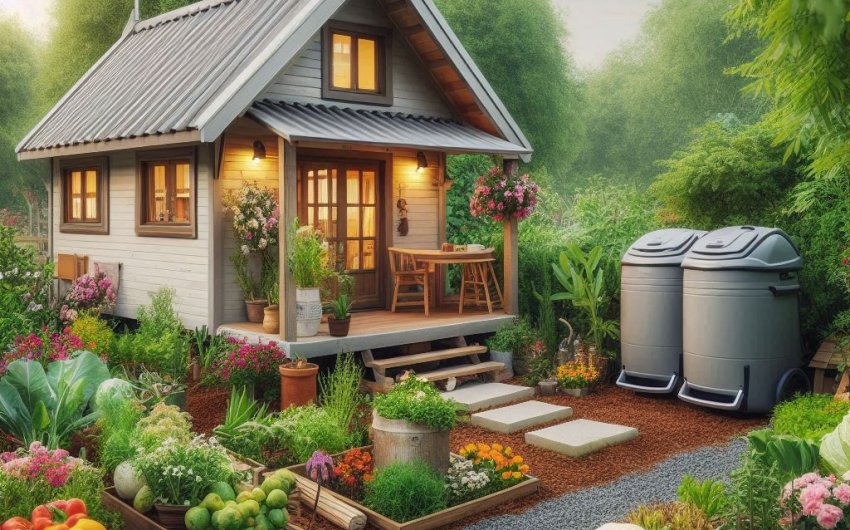
Thinking about composting for your tiny home? You're in the right place! Tiny homes are all about living small, but that doesn't mean you can't have a big impact on the environment. Composting is a fantastic way to reduce your waste and create something amazing for your plants, even in a small space. It might seem tricky at first, especially with limited room, but with the right composting practices, it’s totally doable and can become a natural part of your tiny living lifestyle.
Why Should Tiny Home Dwellers Compost?
Composting is a game-changer for anyone, but especially for those in tiny homes. When you have less space for trash, anything that reduces your garbage volume is a huge win. Think about it: food scraps and yard waste make up a big part of what we throw away. By composting these materials, you drastically cut down on how much goes to the landfill. This means fewer trips to the dump and less stinky trash sitting around your compact living area. Plus, you’re turning what would be waste into a valuable resource – nutrient-rich soil. This soil can be used for your tiny garden, potted plants, or even shared with neighbors. It’s a way to close the loop on your waste, making your tiny home even more sustainable and self-sufficient.
What are the Environmental Benefits of Composting?
Composting offers a ton of environmental benefits. First off, it significantly reduces landfill waste. When food scraps go to landfills, they break down without much oxygen (anaerobically). This process creates methane, a powerful greenhouse gas that’s much worse for the climate than carbon dioxide. By composting, you help these materials break down with oxygen (aerobically), which produces very little methane. So, you’re directly helping fight climate change.
Secondly, composting helps create healthier soil. The compost you make is packed with good stuff that improves soil structure, helps it hold water better, and provides essential nutrients for plants. This reduces the need for chemical fertilizers, which can harm the environment. It also supports biodiversity by feeding the tiny creatures in the soil that make it healthy. In a nutshell, composting is a simple action with a huge positive impact on our planet. It truly embodies the eco-friendly spirit of tiny home living.
How Does Composting Reduce Waste and Odors in Tiny Homes?
This is where composting really shines for tiny home living. Less space means more awareness of what you’re throwing away. Food waste, especially, can get stinky fast in a small area. When you start composting your food scraps, you immediately notice a difference. Instead of kitchen waste sitting in your regular trash can for days, it goes into your dedicated compost system. Many tiny home composting solutions are designed to be odor-free or at least minimize smells.
For example, a compost tumbler or an indoor compost bin can keep smells contained. And by diverting organic waste, your regular trash bin will have mostly non-food items, leading to far less odor and fewer pests. This is a big deal when your living room might also be your kitchen and dining area! Plus, with less waste, you reduce your trash hauling frequency, saving you time and potentially money. It’s a win-win for waste management and a more pleasant tiny home environment.
What are the Best Composting Systems for Tiny Homes?
Choosing the right composting system for a tiny home is crucial. You need something that fits your limited space, is easy to manage, and handles the amount of waste you produce. There are several popular options, each with its own pros and cons. The "best" system really depends on your specific tiny home setup, how much effort you want to put in, and what kind of organic materials you generate. Let's explore some of the top choices for tiny home composting solutions.
What is Vermicomposting and How Does It Work in a Tiny Home?
Vermicomposting, also known as worm composting, is an excellent choice for tiny homes because it’s compact, quiet, and highly efficient. It uses special worms, typically red wigglers, to break down food scraps into nutrient-rich worm castings (their poop!). These castings are super high-quality compost.
Here’s how it works: You get a worm bin, which can be as simple as a plastic tote with holes or a multi-tiered system like the Worm Factory 360 Composting Bin. You add a bedding material, like shredded newspaper or coconut coir, and then introduce your worms. You feed them small amounts of your kitchen scraps (fruits, vegetables, coffee grounds, tea bags – but no meat, dairy, or oily foods!). The worms eat the scraps and bedding, and their digestive process transforms it into compost.
Benefits for tiny homes:
- Space-saving: Worm bins are usually small and can be kept indoors, even in a closet or under a counter.
- Odor-free: If managed correctly, a worm bin shouldn't smell.
- Year-round composting: You can compost indoors regardless of the weather.
- High-quality compost: Worm castings are a fantastic soil amendment.
Things to consider: You need to be mindful of what you feed them and not overfeed. Also, temperature control is important; worms like temperatures between 55-77°F (13-25°C). Vermicomposting is a truly sustainable composting method for small spaces.
How Do Bokashi Bins Work in Small Spaces?
Bokashi composting is another fantastic method for tiny homes, especially if you want to compost all your food scraps, including meat, dairy, and cooked foods, which are usually a no-go for traditional composting or vermicomposting. Bokashi isn't true composting in the sense that it doesn't break down material into soil right away; instead, it's a fermentation process.
Here’s how it works: You use a specialized Bokashi bin, often with a spigot at the bottom to drain Bokashi tea. You add your food scraps in layers and sprinkle Bokashi bran (which contains beneficial microbes) over each layer. You then press the material down to remove air and seal the lid tightly. The microbes ferment the food waste, "pickling" it. After about 2-4 weeks of fermentation, the fermented scraps, called Bokashi pre-compost, need to be buried in soil to complete the composting process or added to an outdoor compost pile.
Benefits for tiny homes:
- Composts all food types: This is a huge advantage for food waste reduction.
- Odor-free during fermentation: The fermentation process produces a pickly smell, not a rotten odor.
- Compact: Bokashi bins are small and can be kept indoors.
- Fast: The fermentation part is relatively quick.
Things to consider: You'll need somewhere to bury the fermented material afterward, which might be a challenge if you don't have access to a yard or community garden. However, some tiny homeowners use large pots to complete the process. A good Bokashi composting kit can get you started. It’s an effective indoor composting solution for comprehensive food waste management.
Are Electric Composters Practical for Tiny Homes?
Electric composters, also known as food recyclers or food waste composters, are becoming increasingly popular for their convenience and speed, making them a viable option for tiny homes. These appliances use heat, grinding, and aeration to rapidly break down food scraps, reducing their volume significantly.
Here’s how they work: You add food scraps to the machine. The electric composter then heats the material, dries it out, and often grinds it up. This process can take anywhere from a few hours to a day, depending on the machine and the contents. The result is a dry, sterilized, and greatly reduced "soil amendment" or "food scrap powder." It's not finished compost in the traditional sense, as it still needs to be mixed with soil to continue breaking down and become true plant food.
Benefits for tiny homes:
- Speed: They process food waste very quickly.
- Odor control: Most are designed to be odor-free during operation.
- Convenience: Just load it up and press a button.
- Volume reduction: Dramatically reduces the bulk of your food waste.
Things to consider:
- Cost: Electric composters like the Lomi Composter can be expensive.
- Energy consumption: They use electricity, which might be a concern for off-grid tiny homes.
- Not true compost: The output needs further processing in soil.
Despite these points, for those who prioritize ease and speed, and don't have outdoor space for traditional composting, an electric food waste composter can be an excellent tiny home waste solution. It’s a great way to manage kitchen scraps without mess or smell.
What About Outdoor Composting for Tiny Homes?
If your tiny home has even a small patch of land or shared outdoor space, outdoor composting is a classic and very effective method. This includes traditional compost piles, compost bins, or compost tumblers.
- Compost Piles: Simplest method, just pile up organic materials. Requires more space and can be messy. Not ideal for urban tiny homes.
- Compost Bins: Enclosed structures made from wood, wire mesh, or recycled plastic. They contain the pile, keep out pests, and look tidier. Options like a dual-chamber compost tumbler are great because you can be actively composting in one chamber while the other is finishing.
- Compost Tumblers: These are elevated, sealed containers that you spin to mix the compost. They are fantastic for aerobic composting as they make turning easy, speed up the process, and deter pests. They also keep things very tidy and are ideal for a small outdoor footprint.
Benefits for tiny homes with outdoor space:
- Handles larger volumes: Can process more material than indoor systems.
- Less maintenance (once set up): Tumblers make turning easy; piles just need occasional turning.
- Produces abundant compost: Great for tiny home gardens or sharing with community plots.
- No indoor smell or mess.
Things to consider: Requires some outdoor space. Can attract pests if not managed properly (especially open piles). Temperature fluctuations can slow down the process. However, a well-managed outdoor compost bin or tumbler is an excellent choice for comprehensive organic waste management for tiny home dwellers with a bit of yard.
What Are the Best Practices for Successful Tiny Home Composting?
No matter which composting system you choose for your tiny home, following best practices is key to success. Composting isn't just about throwing things into a bin; it's about creating the right conditions for microorganisms and worms to do their job efficiently. Without proper management, you could end up with smelly, slimy, or inactive compost – definitely not what you want in a small living space! These practices focus on balance, consistency, and a little bit of patience.
How Do You Balance "Greens" and "Browns" in a Small Space?
The carbon-to-nitrogen ratio is super important in composting, often simplified as balancing "greens" and "browns." This balance is essential for rapid decomposition and to prevent odors.
- Greens (Nitrogen-rich): These are materials that are typically fresh, moist, and high in nitrogen.
- Examples: Food scraps (fruit and vegetable peels, coffee grounds, tea bags), fresh grass clippings, plant trimmings, and spent flowers.
- Tiny home tip: Collect these regularly. Small batches are key in a tiny space.
- Browns (Carbon-rich): These are dry, fibrous materials high in carbon.
- Examples: Shredded newspaper, cardboard (unwaxed, torn into small pieces), dry leaves, straw, wood chips, and sawdust.
- Tiny home tip: Keep a small, easily accessible container of shredded brown materials like old paper bags or toilet paper rolls near your compost bin.
The balance: Aim for roughly a 2:1 or 3:1 ratio of browns to greens by volume. Too many greens can make your compost wet, smelly, and anaerobic (lacking oxygen). Too many browns will make the process slow down. In a tiny home, where you might produce more food scraps (greens) than yard waste (browns), sourcing enough browns is crucial. Always have some readily available to add with your greens. This helps prevent odors and ensures efficient decomposition, keeping your tiny home composting system healthy.
What Materials Should You Avoid Composting in a Tiny Home?
Knowing what not to compost is just as important as knowing what to compost, especially in a tiny home where odors and pests are bigger concerns. Certain materials can attract unwanted visitors, create bad smells, or harm your compost system.
Materials to generally avoid in most tiny home composting systems (especially worm bins and traditional outdoor piles):
- Meat, fish, bones: These attract pests (rodents, flies), smell terrible as they decompose, and can contain pathogens.
- Dairy products (milk, cheese, yogurt): Similar to meat, they attract pests and create strong odors.
- Oils and greasy foods: Can slow down decomposition, repel worms (in vermicomposting), and attract pests.
- Pet waste (dog, cat feces): Contains harmful pathogens that aren't typically killed in home composting temperatures. Stick to herbivore manure only.
- Diseased plants: Can spread plant diseases to your garden.
- Pesticide-treated plants or lawn clippings: Chemicals can harm beneficial microbes and worms.
- Coal ash or charcoal briquettes: Can contain harmful substances and don't break down well.
- Non-biodegradable items: Plastics, metals, glass – obvious non-starters.
- Sticky labels on fruit/veg: Often plastic and won't break down.
Special considerations for Bokashi and Electric Composters:
- Bokashi: Can handle all food scraps, including meat, dairy, and cooked foods, because it's a fermentation process, not traditional composting.
- Electric Composters: Designed to process all food scraps, including meat and dairy, into a dry output, but it's not finished compost.
By being selective about your compostable materials, you ensure a healthy, odor-free, and efficient tiny home composting setup.
How Can You Manage Odors and Pests in Compact Spaces?
Odor and pest control are top priorities when composting in a tiny home. A healthy compost system shouldn't smell bad, but if something goes wrong, you'll know it quickly in a small space. Pests, like fruit flies or rodents, are also a major concern.
Odor Management:
- Balance Greens and Browns: The most common cause of smell is too many greens, leading to anaerobic (oxygen-starved) conditions. Always add browns (shredded paper, cardboard) with your greens to absorb moisture and provide carbon.
- Aeration: Regular turning or mixing of your compost provides oxygen, which prevents smells. For worm bins, gentle stirring of the top layer helps. Tumblers are great for this.
- Bury Food Scraps: Always bury fresh food scraps deep within your compost pile or bin, especially in worm bins. This prevents flies from laying eggs and helps decomposition.
- Drainage (Bokashi): If using a Bokashi bin, regularly drain the "Bokashi tea" to prevent odors.
- Moisture Control: Compost should be damp like a wrung-out sponge, not soaking wet. Too much moisture causes smells. Add more browns if it's too wet.
Pest Control:
- Avoid Attractants: This goes back to avoiding meat, dairy, and oily foods in traditional compost and worm bins.
- Bury Food Scraps: Crucial for deterring fruit flies and other insects.
- Secure Bins: Use compost bins or tumblers with tight-fitting lids. Worm bins should be escape-proof for worms and entry-proof for pests.
- Location (Outdoor): If outdoor composting, place your bin away from your tiny home's entry points and keep the area around it clean.
- Cleanliness: Wipe down the outside of your compost bin regularly, especially if it's indoors.
Proactive management of your tiny home compost is the best way to keep it smelling fresh and free of unwanted visitors. It's all part of maintaining a clean tiny home environment.
What are the Benefits of Using Compost for Tiny Home Gardens?
Once you’ve successfully produced nutrient-rich compost in your tiny home, you’ll want to put it to good use! The benefits for your tiny home garden (whether it's a few pots, a vertical garden, or a small raised bed) are immense. Compost is often called "black gold" for a reason.
- Soil Amendment: Compost isn't a fertilizer in the sense of directly feeding plants huge amounts of nutrients, but it improves the soil structure significantly. It makes heavy clay soils looser and helps sandy soils hold water and nutrients better.
- Nutrient Delivery: While slow-release, compost provides a steady supply of essential macro and micronutrients that plants need to thrive. These nutrients are released naturally as microbes continue to break down the organic matter. This means less need for synthetic fertilizers.
- Water Retention: Compost acts like a sponge, increasing the soil's ability to hold moisture. This is especially useful in small containers or during dry spells, reducing the frequency of watering your tiny garden.
- Improved Drainage: For potted plants, good drainage is vital to prevent root rot. Compost helps create an aerated soil structure that allows excess water to drain while retaining just enough.
- Enhanced Plant Health and Disease Resistance: Healthy soil leads to healthy plants. The beneficial microbes introduced by compost help suppress plant diseases and can even boost plant immunity. Your herbs, vegetables, and flowers will be more robust and productive.
- Supports Beneficial Microbes: Compost is teeming with beneficial bacteria, fungi, and other microorganisms that create a thriving soil ecosystem, crucial for nutrient cycling.
Using your own homemade compost is the ultimate form of resourcefulness for a tiny home dweller. It closes the loop on your organic waste, turning it into something incredibly valuable for your plants, promoting a truly self-sufficient tiny home lifestyle.
How Can You Troubleshoot Common Composting Issues in Tiny Homes?
Even with the best intentions, composting in a tiny home can run into a few snags. Knowing how to troubleshoot common issues will save you headaches and keep your compost system running smoothly. Most problems boil down to an imbalance of air, moisture, or the carbon-to-nitrogen ratio.
Common Problem: Bad Odor (Rotten Eggs, Ammonia)
- Cause: Too much moisture, too many greens, or not enough air. This leads to anaerobic decomposition.
- Solution:
- Add more browns: Shredded newspaper, cardboard, or dry leaves to absorb excess moisture.
- Increase aeration: Turn your outdoor pile or tumbler more often. For indoor bins, gently stir the top layers.
- Reduce wet food scraps: For a while, add fewer high-moisture items.
Common Problem: Fruit Flies
- Cause: Exposed food scraps, especially sugary fruits.
- Solution:
- Bury all new food scraps: Always cover them completely with browns or existing compost.
- Keep bin lid tightly sealed: Ensure no gaps for flies to enter.
- Don't overfeed (especially worm bins): Let worms process what's there before adding more.
- Clean bin exterior: Wipe down any spills.
Common Problem: Compost is Dry and Not Breaking Down
- Cause: Not enough moisture.
- Solution:
- Add water: Lightly sprinkle water over the compost until it's damp like a wrung-out sponge.
- Add more greens: These typically have higher moisture content.
Common Problem: Compost is Sluggish or Too Slow
- Cause: Lacking enough nitrogen (too many browns), not enough moisture, or not enough aeration.
- Solution:
- Add more greens: Coffee grounds, fruit/veg scraps.
- Check moisture and aeration: Adjust as needed.
- Break down materials: Chop or shred larger items into smaller pieces to speed decomposition.
Common Problem: Worms Trying to Escape (Vermicomposting)
- Cause: Unfavorable conditions in the bin (too wet, too dry, too acidic, wrong temperature, too much fresh food).
- Solution:
- Check moisture: Should be damp, not soggy.
- Check food quantity: Don't overfeed.
- Balance pH: Add a sprinkle of crushed eggshells or garden lime if it's too acidic.
- Ensure adequate air circulation: Gently fluff bedding.
- Give them time to settle: Worms may try to escape initially.
By learning these composting tips and addressing problems quickly, you'll ensure your tiny home composting journey is a successful and rewarding one, contributing to your eco-friendly lifestyle.
What Tiny Home-Specific Composting Considerations Are There?
Composting in a tiny home comes with its own unique set of challenges and opportunities. Living in a small footprint means every decision about waste management is amplified. From the moment you decide to start composting, you'll need to think about how it integrates seamlessly into your compact living space, your daily routines, and your overall tiny home sustainability goals. It’s not just about the bin; it’s about the whole system fitting into your particular tiny house lifestyle.
How Do Space Constraints Influence Composting Choices?
Space is the ultimate luxury in a tiny home, so it’s the number one factor influencing your composting system choice. Every square inch counts, whether it's floor space, counter space, or a small spot outside.
- Indoor vs. Outdoor:
- If you have absolutely no outdoor area (e.g., urban tiny home, RV, or van), then an indoor composting solution like vermicomposting, Bokashi, or an electric composter is your only choice. These need to be compact enough to fit in a kitchen corner, under a sink, or in a pantry.
- If you have a small plot of land or a designated area outside your tiny home, then a small compost tumbler or a compact compost bin becomes a viable option. These keep the composting process outside, freeing up valuable indoor space.
- Vertical Space: Consider using vertical space for indoor composting if possible. Some worm bins are designed to stack.
- Portability: If your tiny home moves (e.g., an RV tiny home), you might need a system that can be secured during transit or easily emptied before moving.
- Aesthetics: Since your composting solution might be visible in your tiny living area, you might prefer a system that is visually appealing or can be discreetly tucked away. Look for options that blend with your tiny home interior design.
The key is to measure your available space and then research composters for small spaces that fit those dimensions and your personal aesthetic preferences. A compact footprint is essential for successful tiny living composting.
What About Odor Control and Ventilation in a Small Environment?
Odor control and ventilation are paramount when you're composting in a small, enclosed environment like a tiny home. What might be a minor whiff in a large house can quickly become overpowering in a tiny space.
- Source Control: The best defense against odors is preventing them in the first place. This means:
- Balancing Greens and Browns: Crucial for all systems.
- Burying Food Scraps: Especially important for vermicomposting to prevent fruit flies and decomposition smells.
- Regular Turning/Aeration: Keeps the decomposition aerobic, which produces fewer foul smells.
- Draining Bokashi Tea: Don't let it sit in the reservoir.
- Avoiding "Forbidden" Items: No meat, dairy, or oils in traditional compost.
- Airflow: Even the best compost system can produce some smell under specific conditions. Good general tiny home ventilation helps. Open windows regularly, use an exhaust fan, or have cross-ventilation.
- Sealed Systems: Choose a composting system that is designed to be well-sealed. Most indoor compost bins, worm bins, and electric composters have tight-fitting lids.
- Location: If you have an indoor system, place it in an area with slightly better airflow if possible, or away from sleeping areas. A garage or utility shed (if your tiny home has one) could be an ideal spot.
- Activated Carbon Filters: Many electric composters and some indoor bins use activated carbon filters to absorb odors. Ensure these are replaced regularly according to the manufacturer's instructions. An activated carbon filter can make a big difference.
Prioritizing a system known for its odor-free operation and maintaining excellent tiny home ventilation are crucial steps for integrating composting successfully into your limited space.
How Can You Incorporate Composting into a Minimalist Lifestyle?
Composting for tiny homes perfectly aligns with a minimalist lifestyle. Minimalism is about intentional living, reducing consumption, and valuing experiences over possessions. Composting embodies these principles by turning waste into a resource and reducing your reliance on external systems.
- Waste Reduction: At its core, composting is about reducing waste. Instead of throwing food scraps away, you're giving them a new purpose. This aligns directly with the minimalist goal of consuming less and creating less trash. You’ll be amazed how little true "landfill" waste your tiny home produces.
- Self-Sufficiency: Making your own compost for your tiny garden or plants promotes self-sufficiency. You're not relying on store-bought soil amendments or fertilizers, which resonates with the desire for greater independence often found in the minimalist and tiny home communities.
- Resourcefulness: Composting is incredibly resourceful. It takes what others consider garbage and transforms it into "black gold." This aligns with the minimalist value of making the most of what you have.
- Simple Systems: Choose a composting system that is simple to operate and maintain. A complicated system goes against the minimalist ethos. Vermicomposting or a compact compost tumbler can be very straightforward once you get the hang of them.
- Integrated Living: Composting becomes a natural, integrated part of your daily routine. It's not an extra chore but a seamless part of your eco-conscious living habits. You collect scraps, add them to the bin, and eventually use the compost. It's a closed-loop system that feels very complete.
- Educating Others: Living a minimalist life often involves inspiring others. Your tiny home composting setup can serve as a simple, powerful example of sustainable living that others can adopt, even in larger homes.
By embracing composting, you enhance your minimalist tiny home by reducing your footprint, becoming more self-sufficient, and living more intentionally with your resources.
What are the Best Ways to Use Finished Compost in a Tiny Home Context?
Once your tiny home composting system has done its magic, you'll have beautiful, rich compost. The next step is to put it to good use! Even with limited space, there are many ways for tiny home dwellers to utilize their finished compost.
- Container Gardening: This is perhaps the most common use. If you have any potted plants, window boxes, or a small patio garden, mix your compost into the potting soil.
- Potting Mix Booster: Instead of using 100% compost (which can sometimes be too rich or drain poorly on its own), mix it with your existing potting mix. A good ratio is 1 part compost to 2-3 parts potting mix. This revitalizes the soil and provides slow-release nutrients for your herbs, vegetables, or flowers.
- Top Dressing: Simply spread a thin layer of compost on top of the soil in your existing pots. As you water, the nutrients will slowly seep into the soil.
- Vertical Gardens: Many tiny homes use vertical garden systems to maximize growing space. Compost is perfect for enriching the soil in these compact pockets.
- Indoor Plants: Even if you only have a few houseplants, they will thrive with an occasional boost of compost.
- Shared Gardens or Community Plots: If you participate in a community garden or have access to a shared green space, your compost will be a highly valued contribution. It's a great way to give back and help grow food for others.
- Seed Starting: A small amount of very fine, well-sieved compost can be added to your seed-starting mix to give seedlings a gentle nutrient boost.
- Giving Away/Bartering: If you produce more compost than you can use, share it with friends, family, or neighbors who garden. It's a valuable resource that can be gifted or even bartered for other goods or services, reinforcing the community aspect of tiny living.
Using your homemade compost closes the loop on your tiny home waste management, turning it into a valuable asset for growth. It’s a tangible representation of your commitment to sustainability and eco-friendly tiny living.