
What fruits are best for vertical gardening?
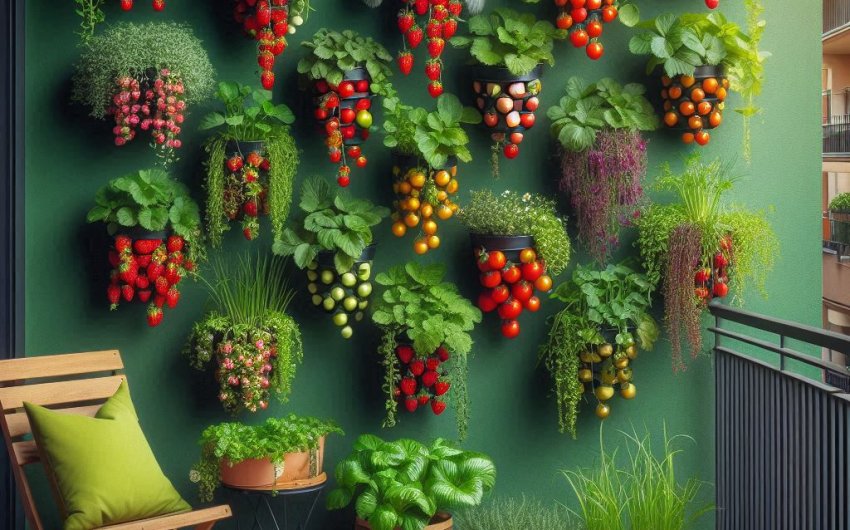
Vertical gardening is a brilliant solution for maximizing growing space, especially in urban environments, small backyards, or even indoors. It involves growing plants upwards rather than outwards, utilizing structures like walls, fences, trellises, and stacked containers. While many vegetables and herbs thrive in vertical setups, the question of what fruits are best for vertical gardening requires careful consideration. The ideal fruit plants for vertical growing are typically those with a compact growth habit, vining nature, or those that can be easily trained and pruned to fit vertical structures.
The benefits of growing fruits vertically extend beyond just saving space; they can also improve air circulation (reducing disease), make harvesting easier, and even add an attractive, edible landscape element to your home. However, not all fruits are suited for this method. Large fruit trees with extensive root systems or sprawling habits are generally impractical. The key is to select varieties that are naturally amenable to vertical growth or dwarf forms that can be managed within a constrained, upward-oriented system. This guide will explore the top fruit candidates for vertical gardening and the techniques to make them successful.
What makes a fruit suitable for vertical gardening?
Not all fruits are created equal when it comes to vertical gardening. To determine what fruits are best for vertical gardening, we need to understand the key characteristics that make a fruit plant a good candidate for growing upwards instead of outwards. These traits ensure the plant can thrive in a confined, often shallower, and upward-oriented space while still producing a good yield.
Here are the primary qualities that make a fruit suitable for vertical gardening:
Compact or Dwarf Growth Habit:
- Ideal: The best candidates are naturally small, slow-growing, or have been specifically bred as dwarf varieties. This means they won't quickly outgrow their vertical structure or container.
- Less Suitable: Standard-sized fruit trees that reach 15-30 feet tall are generally not suitable unless grown in very large containers and heavily pruned, which can be high maintenance.
Vining or Climbing Nature:
Advertisement- Ideal: Fruits that naturally produce long, flexible stems that can be easily trained to climb up a trellis, wall, or support system are perfect. They naturally want to grow upwards.
- Examples: Grapes, passion fruit, some melon varieties, and even vining types of squash (which are botanically fruits).
Produce Fruit on Current Year's Growth or Young Spurs:
- Ideal: Fruits that produce heavily on new wood or on young, easily manageable spurs are better. This means you can prune them to fit the vertical space without sacrificing much of the harvest.
- Less Suitable: Fruits that require extensive, mature woody structures to produce (like some very old, large apple spurs) might be harder to manage in a constrained vertical space.
Relatively Small Root System (or adaptable to containers):
- Ideal: Fruit plants that can thrive in containers of moderate size. Vertical gardening often means shallower or smaller planting pockets. The plant needs to be able to access enough water and nutrients within this confined root zone.
- Less Suitable: Large fruit trees with deep, sprawling root systems will struggle in smaller vertical planters.
Lightweight Fruit or Easily Supported Branches:
- Ideal: Plants that produce lighter fruits (like strawberries or small berries) or those whose branches can easily be supported by the vertical structure without breaking under the weight of the fruit.
- Less Suitable: Fruits that grow very large and heavy might put too much strain on delicate vertical structures unless exceptionally robust supports are in place.
Good Air Circulation Tolerance (or Preference):
- Ideal: Vertical setups inherently offer good air circulation around the foliage and fruit, which can help prevent fungal diseases. Fruits that benefit from this are good candidates.
Sunlight Requirements:
- While not directly a suitability factor for vertical gardening, remember that most fruits need at least 6-8 hours of direct sunlight. Ensure your chosen vertical spot provides this.
By focusing on these characteristics, you can make informed choices about what fruits are best for vertical gardening and set yourself up for a productive and space-saving harvest.
Which berries are best for vertical gardens?
When considering what fruits are best for vertical gardening, berries often come to mind immediately because many have growth habits that are well-suited to upward cultivation. They are generally compact, vining, or easily trellised, and their fruit is not excessively heavy, making them ideal for various vertical structures.
Here are some of the best berries for vertical gardens:
Strawberries:
- Why they're great: Strawberries are arguably the quintessential vertical garden fruit. They have a compact root system, grow in clumps, and their fruit often hangs down, making it perfect for cascading over the edges of vertical planters. This also keeps the fruit off the ground, reducing rot and pest issues.
- Vertical Setups: Ideal for strawberry towers, stacked planters (tiered strawberry planter), wall-mounted pockets, hanging baskets, and even repurposed pallets.
- Varieties: Look for everbearing or day-neutral varieties, which produce fruit throughout the growing season, maximizing your vertical yield. 'Albion', 'Seascape', and 'Ozark Beauty' are good choices.
Raspberries and Blackberries (Erect and Trailing Varieties):
- Why they're great: Many raspberry and blackberry varieties are natural climbers or can be easily trained. They produce canes that can be tied to a trellis, espalier system, or wires. This keeps them tidy, improves air circulation, and makes harvesting easier.
- Vertical Setups: Best for trellis systems, fence-line planting, or wires strung between posts. They need sturdy support.
- Varieties:
- Erect/Floricane (summer-bearing): Varieties like 'Heritage' (red raspberry) or 'Chester Thornless' (blackberry) that produce fruit on second-year canes.
- Primocane (fall-bearing): Varieties like 'Caroline' (red raspberry) that fruit on first-year canes, making pruning simpler for vertical systems.
- Trailing/Semi-Erect: These often need more substantial support but can be productive.
- Considerations: Choose thornless varieties for easier management in tight vertical spaces.
Blueberries (Dwarf Varieties):
- Why they're great: While blueberries are typically bushes, many dwarf blueberry varieties have been bred specifically for container growing, making them suitable for larger vertical planters or tiered systems that can accommodate deeper root balls.
- Vertical Setups: Best in large individual pots within a tiered system or on a sturdy patio stand.
- Varieties: Look for dwarf or compact varieties like 'Top Hat', 'Sunshine Blue', 'Peach Sorbet', or 'Jelly Bean'.
- Considerations: Blueberries are acid-loving plants, so they require specific acidic soil (pH 4.5-5.5) and consistently moist conditions. They may also need another blueberry variety for cross-pollination to maximize yield.
Currants and Gooseberries:
- Why they're great: These are compact, upright shrubs that produce fruit along their stems. They are smaller than raspberries and can be managed effectively in larger vertical pockets or containers.
- Vertical Setups: Suitable for sturdy wall-mounted planters or tiered systems with individual pockets.
- Considerations: Some varieties can be quite spiny, so choose thornless or less thorny types for ease of handling.
By choosing the right berry varieties and providing appropriate vertical structures, you can enjoy a continuous supply of fresh, homegrown berries even with limited space.
Can dwarf fruit trees thrive in a vertical garden setup?
Dwarf fruit trees are excellent candidates for container gardening, and by extension, they can certainly thrive in certain vertical garden setups, particularly those that involve large, sturdy containers arranged vertically. They are a primary answer to what fruits are best for vertical gardening when you desire traditional tree fruits.
Here's why dwarf fruit trees can be well-suited for vertical gardening, along with important considerations:
Why Dwarf Fruit Trees are Good for Vertical Gardening:
- Compact Size: Dwarf and semi-dwarf rootstocks limit the overall size of the tree, keeping it much smaller and more manageable (often 6-10 feet tall) than standard trees. This is crucial for container culture and limited spaces.
- Container Adaptability: Dwarf trees are bred to perform well in pots, meaning their root systems can adapt to the confined space of a container.
- Earlier Fruiting: Compared to standard trees, dwarf varieties often fruit at a younger age, providing a quicker return on your vertical gardening effort.
- Manageable for Pruning and Training: Their smaller size makes them easier to prune for shape and health, and they can be trained effectively into specific forms like espalier (trained flat against a wall or trellis) or columns, which are inherently vertical.
Suitable Dwarf Fruit Tree Types for Vertical Setups:
- Dwarf Citrus: Dwarf Meyer Lemon (dwarf Meyer lemon tree), kumquat, dwarf lime, and calamondin are excellent choices. They are often grown in containers on patios (moved indoors in winter in cold climates) and can be part of a multi-tiered vertical display. They adapt well to pruning and can be kept compact.
- Columnar Apples: These are specially bred apple varieties that grow straight up with short fruiting spurs directly on the main stem, creating a narrow, columnar shape. They take up very little horizontal space and are perfect for growing in large pots in a vertical arrangement or against a wall. Examples include 'Urban' series apples.
- Dwarf Stone Fruits: Dwarf peaches, nectarines, cherries, and plums can be grown in large containers. They need good support, especially when laden with fruit, and regular pruning. Some can even be espaliered.
- Figs: Certain dwarf fig varieties (like 'Brown Turkey' or 'Little Miss Figgy') do exceptionally well in large containers and can be trained vertically.
- Pomegranates (Dwarf): Dwarf pomegranates can also be grown in containers and are very attractive.
Key Considerations for Vertical Dwarf Fruit Trees:
- Container Size: While dwarf, these trees still need significant root space. Use large pots (at least 15-25 gallons, or even larger) for adequate root development, moisture retention, and stability. Consider fabric grow bags for better root health.
- Structural Support: The vertical garden structure must be robust enough to hold the weight of the tree and its fruit, especially as it matures. For espalier, a sturdy trellis or wires mounted to a wall are essential.
- Sunlight: All fruit trees need ample sunlight (6-8+ hours direct sun). Ensure your vertical location provides this.
- Watering and Fertilization: Container-grown trees dry out faster and deplete nutrients more quickly than in-ground trees. They require diligent watering and regular fertilization with a balanced fruit tree fertilizer.
- Pruning: Regular and strategic pruning is necessary to maintain size, shape, and encourage fruit production in a vertical setup.
- Winter Protection (for temperate zones): In cold climates, containers can expose roots to freezing temperatures. Dwarf fruit trees in pots may need to be moved to a protected location (garage, unheated shed) or have their pots insulated for winter.
With careful planning and ongoing care, dwarf fruit trees can indeed be a productive and beautiful addition to your vertical garden.
What vining fruits can I grow vertically?
Vining fruits are naturally fantastic candidates for vertical gardening because their growth habit inherently seeks to climb and spread upwards. This makes them ideal for trellises, arbors, pergolas, and various wall-mounted support systems. They efficiently utilize vertical space, allowing you to grow a significant amount of fruit in a small footprint. When considering what fruits are best for vertical gardening, vining types are often among the top choices.
Here are some excellent vining fruits for vertical gardens:
Grapes:
- Why they're great: Grapes are classic vining plants, famous for being trained over arbors, pergolas, or along wires. They are vigorous growers and produce abundant fruit in clusters.
- Vertical Setups: Perfect for trellis systems, arbors, pergolas, or against walls with strong wires.
- Varieties: Choose varieties suitable for your climate (e.g., 'Concord' or 'Niagara' for cooler climates, 'Thompson Seedless' for warmer ones). Both table grapes and wine grapes can be grown vertically.
- Considerations: Grapes require regular and precise pruning for good fruit production and vigor control. They need strong support systems due to their mature weight.
Passion Fruit:
- Why they're great: Passion fruit vines are tropical, vigorous climbers that produce exotic, flavorful fruit. Their tendrils quickly wrap around supports.
- Vertical Setups: Excellent for strong trellises, fences, arbors, or climbing up walls with wires.
- Varieties: Common varieties include 'Frederick' (purple) and 'Possum Purple'.
- Considerations: Primarily suited for warm, frost-free climates (or greenhouse cultivation). Need good sun and consistent moisture.
Hardy Kiwi:
- Why they're great: Unlike fuzzy kiwifruit, hardy kiwi (Actinidia arguta and A. kolomikta) produce small, smooth-skinned, grape-sized fruits that don't need peeling. They are extremely vigorous vines, cold-hardy, and incredibly productive.
- Vertical Setups: Require very sturdy trellises, arbors, or wire systems, as their mature vines can become quite heavy and woody.
- Varieties: 'Issai' is a self-fertile variety, but generally, you'll need both a male and female plant for good fruit set (e.g., 'Anna' female with 'Male Hardy Kiwi').
- Considerations: Can be extremely rampant growers, requiring diligent pruning to keep in check.
Melons and Cucumbers (smaller varieties, technically fruits):
- Why they're great: While often thought of as vegetables, botanically, melons and cucumbers are fruits. Smaller varieties can be successfully grown vertically on a trellis or netting. This saves space, keeps fruit off the ground (reducing disease and pests), and improves air circulation.
- Vertical Setups: Best for sturdy netting (garden trellis netting) or lightweight trellises.
- Varieties: Look for compact or bush varieties, or smaller-fruited melons like 'Sugar Baby' watermelon or cantaloupe. For larger fruits, you may need to sling them in mesh bags for support as they grow.
- Considerations: Require significant sunlight, water, and nutrients.
Vining Cherry Tomatoes (also botanically fruits):
- Why they're great: Indeterminate (vining) cherry tomatoes are fantastic for vertical growing. They produce abundant, small, sweet fruits and can climb incredibly high.
- Vertical Setups: Ideal for tall cages, stakes, string trellising, or ladder trellises.
- Varieties: Many indeterminate cherry tomato varieties exist; choose your favorite.
- Considerations: Need consistent watering and support as they grow.
By selecting appropriate vining fruits and providing robust support structures, you can turn a small wall, fence, or even a patio into a highly productive vertical garden.
How do espalier and cordon training work for vertical fruit growing?
Espalier and Cordon training are specialized vertical gardening techniques that allow you to grow fruit trees in extremely confined spaces, often flat against a wall, fence, or wire trellis. These methods are excellent answers to what fruits are best for vertical gardening when you want traditional tree fruits like apples and pears but have very limited horizontal space. They are highly ornamental as well as productive.
Espalier Training:
- Concept: Espalier involves training a fruit tree (or shrub) to grow in a flat, two-dimensional pattern against a vertical surface. The branches are carefully pruned and tied to a support system (like wires strung on a wall or a trellis) to create a formal, artistic design.
- How it Works:
- Selection: Choose a fruit tree variety that performs well on dwarf or semi-dwarf rootstock, and one that is amenable to espalier (apples and pears are classic choices).
- Structure: Install a sturdy trellis (garden espalier trellis) or horizontal wires (typically 12-18 inches apart) attached to a wall or posts.
- Pruning and Training: This is the core of espalier.
- Initial Cuts: The central leader (main stem) is pruned to encourage lateral branches at specific heights.
- Tying: As new branches grow, they are gently tied horizontally along the wires or trellis arms. Upright shoots (water sprouts) are either removed or pruned back to fruit-bearing spurs.
- Ongoing Pruning: Annual dormant pruning (winter) and summer pruning are crucial to maintain the flat shape, remove unwanted growth, and encourage the formation of fruiting spurs (short, stubby branches where fruit is produced).
- Suitable Fruits:
- Apples: Most popular. Varieties like 'Honeycrisp', 'Fuji', 'Gala', 'Granny Smith'.
- Pears: Also very popular. Varieties like 'Bartlett', 'Comice'.
- Figs: Certain varieties can be espaliered.
- Some Cherries/Plums: More challenging but possible.
- Benefits: Highly space-efficient, makes harvesting and pest/disease management easier, beautiful aesthetic.
- Considerations: Requires significant long-term commitment to meticulous pruning and training. Takes several years to establish the form.
Cordon Training:
- Concept: Cordon training is a simpler form of espalier where the fruit tree is trained to grow as a single, upright stem, often slanted at an angle. Fruit is produced directly on short spurs that form along this main stem.
- How it Works:
- Selection: Similar to espalier, use dwarf or semi-dwarf rootstock varieties. Columnar apples are naturally suited to this form.
- Structure: A single sturdy stake, post, or wire provides vertical support for the main stem.
- Pruning: The central leader is kept, and all lateral (side) branches are pruned back very severely to just a few buds (usually 2-3) to encourage fruiting spurs directly on the main stem. Any strong, upright growth is removed.
- Suitable Fruits:
- Columnar Apples: These are specifically bred for this purpose (e.g., 'Urban' series).
- Some Pears: Can also be cordon-trained.
- Benefits: Even more space-efficient than traditional espalier (can be planted very close together), relatively simple pruning once the initial form is set, makes harvesting easy.
- Considerations: Yield per tree is lower than a full-sized tree, but you can plant many more trees in a small space.
Both espalier and cordon training are advanced vertical gardening techniques that transform fruit trees into living works of art, offering bountiful harvests in areas where traditional orchards wouldn't fit. They are excellent choices when maximizing every inch of vertical space is the goal.
What are the watering considerations for vertical fruit plants?
Watering considerations for vertical fruit plants are significantly different, and often more demanding, than for fruit plants grown in the ground. Because vertical gardening setups typically involve containers, elevated planters, or wall-mounted systems, the soil volume is limited, and environmental exposure is increased. This means diligent watering is absolutely crucial for the health and productivity of your vertical garden fruits.
Here are the key watering considerations:
Faster Drying Out:
- Limited Soil Volume: The most important factor. Containers and smaller pockets in vertical planters hold much less soil than the ground. Less soil means less moisture storage.
- Increased Exposure: Vertical planters are often exposed to more wind and direct sunlight on all sides, leading to faster evaporation from the soil surface and through the sides of the containers (especially porous materials like terracotta or fabric grow bags).
- Impact: Your vertical fruit plants will dry out much more quickly than their in-ground counterparts. This means they will need more frequent watering.
Diligence is Key:
- Daily Checks (often): During hot, dry, or windy weather, you might need to check the soil moisture daily, or even twice a day, especially for smaller containers or young plants. Don't wait for visible signs of wilting, as that indicates significant stress.
- "Finger Test": Stick your finger 1-2 inches into the soil. If it feels dry, it's time to water. A soil moisture meter (small moisture meter) can also be helpful for accuracy.
Thorough but Not Saturated:
- Deep Watering: When you water, water until you see drainage from the bottom of the container. This ensures the entire root ball is moistened.
- Avoid Over-Saturating: While deep, the soil should not remain constantly soggy, as this can lead to root rot. Good drainage in the container and the potting mix is essential.
Drainage and Potting Mix:
- Excellent Drainage Holes: Ensure all vertical planters have ample drainage holes to prevent waterlogging.
- Well-Draining Potting Mix: Use a high-quality, well-draining potting mix specifically formulated for containers. Standard garden soil is too heavy and will compact, leading to poor drainage. Adding perlite or pumice to your mix further improves drainage and aeration.
Drip Irrigation Systems (Highly Recommended):
- Efficiency and Consistency: Due to the frequent watering needs of vertical fruit plants, setting up a drip irrigation system (vertical garden drip irrigation kit) is often the most practical and efficient solution. It delivers water slowly and directly to each plant's root zone, minimizing waste and ensuring consistent moisture.
- Automation: Drip systems can be connected to a timer for automatic watering, which is invaluable for busy gardeners or when you're away.
Mulch:
- Apply a thin layer of organic mulch (like coco coir, fine bark, or straw) to the surface of each planting pocket or container. This helps reduce evaporation, conserving moisture and making your watering efforts more effective.
Runoff Management:
- Be mindful of runoff. If water quickly drains from the top planters, it might not be fully absorbed by the plants below. Ensure a design that allows water to trickle down or has individual drainage for each tier.
Consistent and thoughtful watering is paramount for the success of your vertical garden fruit plants. They rely entirely on you for their hydration, and any neglect can quickly lead to stress or plant death.
What are the best vertical garden structures for fruit plants?
Choosing the best vertical garden structures is crucial for successfully growing fruit plants in an upward orientation. The right structure provides essential support, maximizes space, and makes cultivation and harvesting manageable. The ideal structure depends on the type of fruit plant you're growing, the available space, and your aesthetic preferences.
Here are some of the best vertical garden structures for fruit plants:
Trellises:
- Description: A classic and versatile vertical support system made of wood, metal, or durable plastic, forming a grid or ladder-like pattern.
- Best For: Vining fruits like grapes, passion fruit, hardy kiwi, and also trailing raspberries/blackberries. Can also be used for espalier-trained dwarf fruit trees (apples, pears).
- Benefits: Excellent support for heavy vines, good air circulation, allows light penetration, makes harvesting easy.
- Considerations: Needs to be sturdy, well-anchored, and tall enough for the mature plant. You can find pre-made garden trellises or build your own.
Arbors and Pergolas:
- Description: Overhead, open structures that create shaded walkways or seating areas, but whose tops and sides can be covered with vining plants.
- Best For: Vigorous vining fruits like grapes, hardy kiwi, and passion fruit.
- Benefits: Create beautiful, edible shade structures; provide massive support for large, heavy vines; allow fruit to hang freely for easy harvesting.
- Considerations: Require significant space and a robust, permanent construction.
Stacked Planters or Strawberry Towers:
- Description: These systems consist of multiple pots or tiers that stack one on top of the other, often with planting pockets or openings around the sides of each tier.
- Best For: Strawberries (especially for strawberry towers), compact herbs, and very dwarf, shallow-rooted plants. Some tiered systems can accommodate smaller dwarf blueberry varieties.
- Benefits: Very space-efficient, can be moved, keeps fruit clean and off the ground.
- Considerations: Limited soil volume means frequent watering. Can be prone to drying out. Look for stacked garden planters.
Wall-Mounted Planters / Pocket Planters:
- Description: Systems where individual pots, pockets, or felt grow bags are attached directly to a wall, fence, or railing.
- Best For: Strawberries, dwarf blueberries (in larger pockets), and very compact trailing plants.
- Benefits: Utilizes unused wall space, creates a living wall, good for aesthetic appeal.
- Considerations: Water can drain quickly, potentially affecting lower pockets. Needs very secure mounting. Individual wall garden planters are common.
Container Racks / Shelving Units:
- Description: Sturdy shelves or tiered racks where potted dwarf fruit trees or berry bushes can be placed.
- Best For: Dwarf citrus, dwarf apples (columnar), dwarf figs, blueberries in individual containers.
- Benefits: Flexible, can be moved or rearranged, allows individual plant care.
- Considerations: Requires strong shelving to hold the weight of large potted plants. Ensure adequate light reaches all tiers.
DIY Pallet Gardens:
- Description: Repurposed wooden pallets stood upright and modified to create planting pockets.
- Best For: Strawberries and other compact berries.
- Benefits: Very inexpensive, good for upcycling.
- Considerations: Ensure pallets are untreated and food-safe. Drainage can be tricky; can dry out quickly.
The choice of vertical garden structure should always align with the specific growth habits and needs of the fruit plants you intend to grow, ensuring they receive adequate support, light, and root space for healthy and productive growth.