
How do I encourage more flowers on my fruit plants?
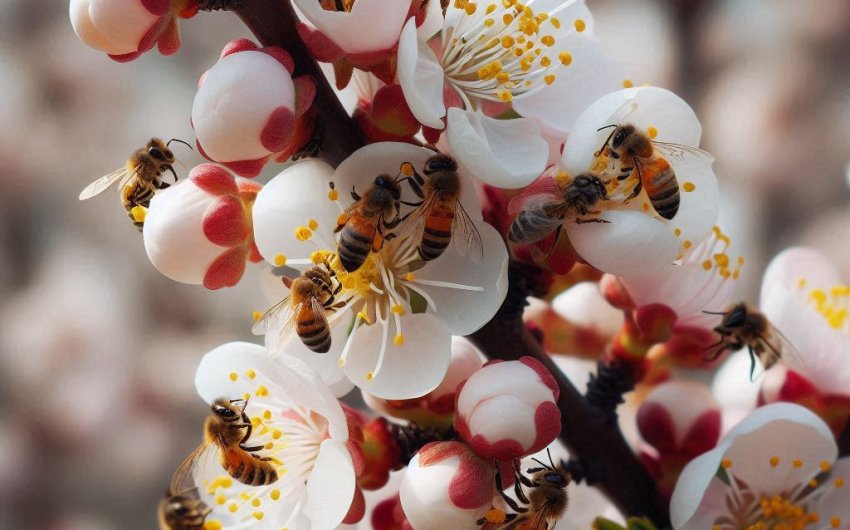
Encouraging more flowers on your fruit plants is a key goal for any gardener hoping for a bountiful harvest. Flowers are the foundation of fruit production; without them, there can be no fruit. The quantity and quality of blossoms are direct indicators of your fruit plant's health and its potential yield. While some factors are out of our control (like extreme weather), many aspects of a fruit plant's environment and care can be optimized to stimulate a profusion of blooms.
The secret lies in understanding what triggers flowering and providing the ideal conditions that encourage the plant to shift its energy from purely vegetative growth (leaves and branches) to reproductive growth (flowers and fruit). This involves a combination of cultural practices, proper nutrition, strategic pruning, and sometimes even a bit of stress management. By focusing on these elements, you can significantly boost the floral display on your fruit trees, berry bushes, and vining fruits, setting the stage for a successful and delicious harvest.
Why are flowers important for fruit production?
The connection between flowers and fruit production is absolute and fundamental. Without healthy, abundant flowers, there simply won't be any fruit. Understanding this crucial link is the first step in learning how to encourage more flowers on your fruit plants.
Here's why flowers are so important for fruit production:
Reproductive Organs of the Plant:
- Flowers are essentially the reproductive organs of flowering plants (angiosperms), which include almost all the fruit-bearing plants we cultivate. They contain the necessary structures for sexual reproduction.
- A typical flower has male parts (stamens, which produce pollen) and/or female parts (pistil/carpel, which contains the ovules that become seeds).
Pollination is Key:
Advertisement- For fruit to form, pollination must occur. This is the transfer of pollen (male gametes) from the anther to the stigma (the receptive part of the female pistil).
- Self-pollination: Some fruit plants (e.g., many peaches, some citrus, some grapes) can be pollinated by pollen from the same flower or other flowers on the same plant.
- Cross-pollination: Many fruit plants (e.g., most apples, pears, cherries, plums) require cross-pollination, meaning they need pollen from a different, compatible variety to set fruit. Without the right pollinator variety nearby, even abundant flowers won't lead to fruit.
- Pollinator Activity: Whether self-pollinating or cross-pollinating, most fruit plants rely on external agents for pollen transfer. This is where pollinators come in – primarily bees (honeybees, bumblebees, native bees), but also other insects, wind, or even human intervention for indoor plants.
Fertilization and Fruit Development:
- After successful pollination, the pollen germinates on the stigma and grows a pollen tube down to the ovule (within the ovary).
- Fertilization occurs when the male gamete (from the pollen) fuses with the female gamete (in the ovule).
- Once fertilization is successful, the ovary of the flower begins to swell and develop into the fruit, and the ovules inside the ovary develop into seeds.
- If a flower is not pollinated and fertilized, it will simply wither and fall off, and no fruit will form from it.
Quantity Matters for Yield:
- Even with perfect pollination, not every flower will become a fruit. There's natural fruit drop as the tree self-thins.
- Therefore, having a greater number of flowers significantly increases the chances of setting more fruit, leading to a higher potential yield. More flowers mean more opportunities for successful pollination and subsequent fruit development.
In essence, flowers are the vital first step in the fruit production chain. They house the reproductive machinery and are the targets for pollinators. By understanding this fundamental role, you can appreciate why encouraging more flowers through proper care and conditions is absolutely central to a productive fruit plant.
What role does sunlight play in flowering and fruit set?
Sunlight is perhaps the single most critical environmental factor for encouraging more flowers on your fruit plants and ensuring successful fruit set. Fruit plants are sun-worshippers, and their ability to bloom and produce is directly proportional to the amount and intensity of light they receive.
Here's the vital role sunlight plays:
Energy for Photosynthesis:
- Mechanism: Sunlight provides the energy for photosynthesis, the process by which plants convert light energy into chemical energy (sugars/carbohydrates). These sugars are the plant's food and fuel for all its metabolic processes.
- Impact on Flowering: Flowers and fruit development are incredibly energy-intensive processes. A fruit plant needs a surplus of energy (sugars) beyond what's required for basic vegetative growth (leaves and branches) to initiate and sustain flowering. Insufficient sunlight means less photosynthesis, less energy production, and thus a reduced capacity or willingness to flower.
Flower Bud Formation:
- Mechanism: The formation of flower buds (which contain the nascent flowers for the following year) is heavily influenced by light conditions during the previous growing season. For many temperate fruit trees (apples, pears, stone fruits), flower buds for the next spring's bloom actually form in late summer or fall of the current year.
- Impact: Consistent, abundant sunlight during this critical bud differentiation period encourages the plant to produce more flower buds, leading to a heavier bloom the following spring. Trees in shade will produce fewer, weaker flower buds.
Hormonal Balance:
- Mechanism: Light intensity and duration influence the production and balance of plant hormones (like auxins, gibberellins, and cytokinins) that regulate flowering.
- Impact: Optimal light helps create a hormonal environment that signals the plant to transition from vegetative growth to reproductive growth.
Pollinator Attraction:
- Mechanism: While not directly affecting the plant's ability to produce flowers, abundant sunlight helps make flowers more visible and appealing to pollinators (especially bees). It also creates warmer conditions, which encourage pollinator activity.
- Impact: More visible and accessible flowers, combined with active pollinators, increase the chances of successful pollination and subsequent fruit set.
Requirements for Fruit Plants:
- Full Sun: Most fruit trees and berry bushes require at least 6-8 hours of direct, unfiltered sunlight per day to flower and fruit well. More is almost always better.
- Location, Location, Location: When choosing a planting site, prioritize the sunniest spot in your garden. Avoid planting where buildings, large shade trees, or fences will cast significant shadows.
- Pruning for Light: Even if in a sunny spot, dense interior canopies can shade out potential flower buds and fruit. Proper pruning helps open up the tree to allow light penetration to all parts of the canopy, encouraging flowers throughout the tree.
In summary, sunlight is the fundamental energy source that drives flower bud formation, provides the necessary fuel for blooming, and supports the overall health and vigor required for a fruit plant to invest in its reproductive cycle. Maximizing light exposure is non-negotiable if you want to encourage more flowers and achieve a productive harvest.
How does proper pruning encourage more flowers on fruit trees?
Proper pruning is a non-negotiable cultural practice for encouraging more flowers on fruit trees and ensuring a productive, healthy harvest. It's not just about shaping the tree; it's a strategic intervention that directs the tree's energy, improves light penetration, and stimulates the formation of flower buds. Without thoughtful pruning, many fruit trees will produce fewer flowers, smaller fruit, or become unproductive.
Here's how proper pruning directly encourages more flowers:
Removes Water Sprouts and Suckers (Redirects Energy):
- Mechanism: Water sprouts are vigorous, upright shoots that grow rapidly from the main branches, often stealing energy. Suckers grow from the rootstock at the base of the tree. Both are purely vegetative growth and rarely produce fruit.
- Impact on Flowering: By removing these non-productive, energy-draining growths, the tree's energy and resources are redirected to the parts that do produce fruit: the fruiting wood and the developing flower buds. This ensures the tree has more energy available for reproductive growth.
Improves Light Penetration and Air Circulation:
- Mechanism: Dense, overgrown canopies create shade within the tree.
- Impact on Flowering: As discussed, sunlight is crucial for flower bud formation. Pruning opens up the canopy, allowing light to reach the interior branches and spurs, stimulating more flower buds to form in areas that would otherwise be unproductive due to shade. Improved air circulation also reduces disease, making the tree healthier and more inclined to flower.
Stimulates New Fruiting Wood:
- Mechanism: Many fruit trees (like apples and pears) produce fruit on spurs (short, stubby branches) or on second-year wood. Other trees (like peaches) fruit on new wood (wood that grew last season).
- Impact on Flowering:
- Renewal Pruning: Removing older, less productive spurs can stimulate the formation of new, more vigorous spurs that will flower and fruit better.
- Thinning Cuts: Removing entire branches to open up the canopy encourages the remaining branches to become more productive and form flower buds.
- Heading Cuts (Peaches/Nectarines): For stone fruits that fruit on new wood, pruning encourages new shoots to form, and these new shoots will then produce flowers the following season.
Maintains Tree Vigor and Health:
- Mechanism: Proper pruning removes dead, diseased, or damaged wood, preventing the spread of pathogens and pests. It also improves the overall structure and balance of the tree.
- Impact on Flowering: A healthy, vigorous tree that isn't stressed by disease or damaged wood has more energy to allocate to flowering and fruiting. Pruning can reduce the tree's overall leaf mass, which can help redirect energy towards flowers.
When to Prune:
- Dormant Pruning (Late Winter/Early Spring): The primary time for structural pruning, removing dead/diseased wood, and encouraging future flower buds.
- Summer Pruning: Used to manage vigor, improve light, and encourage earlier flower bud formation on some trees.
By understanding the type of wood your specific fruit plant flowers on and applying the right pruning techniques at the right time, you actively manage its growth to prioritize flower production, leading to a much more fruitful harvest. Tools like bypass pruners and a pruning saw are essential.
How does fertilization impact flower and fruit production?
Fertilization plays a critical role in encouraging more flowers on your fruit plants and ensuring strong fruit development. Fruit trees and berry bushes are heavy feeders, especially when producing a crop. Providing the right balance of nutrients at the right time signals to the plant that it has the resources necessary to invest in its energy-intensive reproductive cycle (flowers and fruit).
Here's how proper fertilization impacts flower and fruit production:
Nitrogen (N) - For Vegetative Growth, But Too Much Can Hinder Flowers:
- Role: Nitrogen promotes lush, green leafy growth (vegetative growth).
- Impact on Flowering: While essential, too much nitrogen can actually be detrimental to flowering. If a fruit plant has an excess of nitrogen, it will prioritize producing more leaves and branches, often at the expense of flower bud formation. This is a common issue for non-blooming trees.
- Balance: Use a balanced fertilizer, or one with slightly lower nitrogen, especially if your soil is already nitrogen-rich, once the tree is mature enough to fruit. For young trees focusing on growth, higher nitrogen is fine initially.
Phosphorus (P) - For Flowers, Roots, and Fruit:
- Role: Phosphorus is the nutrient most directly associated with flower development, fruit set, seed formation, and strong root growth.
- Impact on Flowering: Adequate phosphorus is crucial for the formation of robust flower buds and the metabolic processes involved in blooming. If your fruit plant is healthy but not flowering, a phosphorus deficiency could be a cause.
- Balance: Ensure your fertilizer provides sufficient phosphorus.
Potassium (K) - For Overall Plant Health and Fruit Quality:
- Role: Potassium is vital for overall plant vigor, disease resistance, water regulation, and the development of high-quality fruit (size, flavor, color).
- Impact on Flowering: A strong, healthy plant, supported by adequate potassium, is better positioned to allocate resources to flower production. It contributes indirectly by supporting the tree's ability to manage stress and mature its reproductive tissues.
Micronutrients - Often Overlooked, But Essential:
- Role: Micronutrients like boron, zinc, manganese, and iron are needed in smaller quantities but are absolutely critical for various plant functions, including flowering and fruit set.
- Impact on Flowering:
- Boron: Particularly important for pollen viability and successful fertilization. Boron deficiency can lead to poor fruit set or misshapen fruit.
- Zinc/Manganese: Involved in hormone production and overall plant metabolism, influencing flower bud initiation.
- Iron: Essential for chlorophyll production (green leaves) and overall vigor, which supports flowering.
- Deficiency: Yellowing leaves with green veins is a common sign of iron or manganese deficiency.
How to Fertilize for Flowers:
- Soil Test: The best way to know your fruit plant's specific nutrient needs is to get a soil test (soil test kit). This will tell you exactly what your soil is lacking or has in excess.
- Balanced Fertilizers: Use a fertilizer formulated for fruit trees or a general balanced fertilizer. Many fruit tree fertilizers have a slightly lower first number (N) and higher middle (P) and last (K) numbers once the tree is established and you want fruit.
- Timing: Fertilize when the tree is actively growing, typically in early spring before flowering, and again after fruit set. Avoid fertilizing too late in the season, as this can encourage new tender growth that is susceptible to winter damage.
- Application Method: Follow package directions. Granular fertilizers are usually spread around the dripline; liquid fertilizers are diluted and applied with water.
By providing a balanced nutritional program, specifically ensuring adequate phosphorus and micronutrients, you signal to your fruit plant that it has the resources to successfully encourage more flowers and ultimately a better fruit harvest.
What are chilling hours, and why are they important for temperate fruit flowers?
Chilling hours are a crucial requirement for most temperate fruit plants to properly break dormancy and produce flowers and, subsequently, fruit. This concept is fundamental to understanding why certain fruit trees thrive in specific climates and why your apple or peach tree might not bloom or fruit if you live in a region that doesn't provide enough cold.
What are Chilling Hours?
- Definition: Chilling hours (or chilling units) are the cumulative number of hours that a fruit tree or plant experiences temperatures within a specific cold range during its dormant period (typically late fall through early spring).
- Temperature Range: While definitions vary slightly, the most commonly accepted range for effective chilling accumulation is between (32^\circ F) and (45^\circ F) ((0^\circ C) and (7.2^\circ C)). Temperatures above (60^\circ F) ((15.5^\circ C)) or significantly below freezing (e.g., below (25^\circ F) or -4^\circ C)) can negate or pause chilling accumulation.
- Purpose: This cold period is necessary to break the dormancy of flower buds (and leaf buds). It's an evolutionary adaptation that prevents the buds from opening too early during a warm spell in winter, only to be killed by a subsequent hard freeze. The chilling period ensures that the plant won't awaken until a sufficient period of cold has passed, signaling that spring has truly arrived.
Why are Chilling Hours Important for Flowers?
Dormancy Breaking: Each temperate fruit tree variety has a specific chilling hour requirement (e.g., an 'Anna' apple might need 200-300 chilling hours, while a 'Honeycrisp' apple might need 800-1000). If a variety doesn't receive enough chilling hours:
- Delayed Bloom: Flowers might open much later than usual.
- Erratic Bloom: Only a portion of the flower buds might open, leading to an uneven and sparse bloom.
- Reduced Bloom: Many flower buds might not open at all, leading to significantly fewer flowers.
- Poor Bloom Quality: Even if flowers open, they might be weak or abnormal.
- Leafing Out Before Flowering: Leaves may emerge before or at the same time as flowers, leading to competition for resources and reduced fruit set.
Flower Bud Viability: Insufficient chilling can directly impact the viability and health of the flower buds, making them less likely to successfully pollinate and set fruit, even if they do open.
Fruit Set and Quality: A healthy, synchronized bloom (where all flowers open at roughly the same time) is crucial for efficient pollination and good fruit set. If bloom is sparse or erratic due to insufficient chilling, pollination can be hampered, leading to a poor harvest.
Practical Implications for Growers:
- Choose Varieties for Your Climate: When selecting fruit trees, always choose varieties that have chilling hour requirements compatible with your USDA Plant Hardiness Zone and local climate. Planting a high-chill variety in a low-chill area will result in poor flowering and fruiting. Nurseries often list the chilling hour requirement for their varieties.
- Impact on Indoor Citrus (and other tropicals): This is why temperate fruit trees cannot typically flower and fruit indoors in a warm home. They simply don't receive the necessary cold period to trigger bloom, even if all other conditions (light, water, nutrients) are met. Citrus trees, being subtropical, generally do not require chilling hours (or have very low requirements), which is why they can flower and fruit year-round in warm climates or indoors if light and other conditions are met.
Understanding chilling hours is vital for successful cultivation of temperate fruit plants, as it directly impacts their ability to produce the abundant flowers that are the foundation of a good fruit harvest.
How does adequate watering affect flower formation and fruit set?
Adequate watering is absolutely fundamental for flower formation and successful fruit set on your fruit plants. While it might not directly "encourage more flowers" in the way that sunlight or pruning does, consistent and proper hydration ensures the plant has the necessary resources to support its reproductive processes. Without sufficient water, even a perfectly pruned and fertilized tree will struggle to bloom or set fruit effectively.
Here's how adequate watering affects flowers and fruit set:
Energy Transport and Cellular Processes:
- Mechanism: Water is the universal solvent within a plant. It transports all essential nutrients from the roots to the leaves, flowers, and developing fruit. It's also a key component of photosynthesis and cellular expansion.
- Impact on Flowering: For a fruit plant to form flower buds, develop healthy blossoms, and produce pollen, it needs a continuous supply of water. Water stress (drought) can interrupt these critical metabolic processes, diverting the plant's energy towards survival rather than reproduction. This can lead to fewer, smaller, or weaker flower buds, or even their abortion.
Pollen Viability and Stigma Receptivity:
- Mechanism: For successful pollination, the pollen grains need to be viable (alive and able to germinate), and the stigma (the female part that receives pollen) needs to be sticky and receptive. Both are highly sensitive to water availability.
- Impact on Fruit Set: If a fruit tree is experiencing water stress during the critical flowering period:
- Pollen may be sterile or less viable: This means it won't germinate properly, even if transferred.
- Stigma may dry out: A dry stigma cannot effectively capture pollen or allow it to germinate, leading to failed fertilization.
- The result is flowers that simply don't get pollinated effectively, leading to minimal or no fruit set.
Reducing Flower and Fruit Drop:
- Mechanism: Fruit trees naturally self-thin, dropping some flowers or young fruits. However, water stress can cause excessive flower drop (before fertilization) and fruit drop (shortly after fruit set, often called "June drop" for many trees).
- Impact: When a fruit plant is dehydrated, it prioritizes survival. It will shed flowers and young fruit to reduce the energy and water demand, as it cannot support a full crop. Consistent watering helps the tree retain more of its potential fruit load.
Overall Tree Vigor and Stress Tolerance:
- Mechanism: A well-hydrated fruit tree is a strong, vigorous tree. It's more resilient to environmental stresses (like temperature fluctuations) and less susceptible to pests and diseases.
- Impact on Flowering: A healthy, unstressed plant has the energy reserves to commit to a robust flowering display. Chronic water stress weakens the tree, diverting energy away from reproductive processes and reducing its ability to form flowers in subsequent seasons.
Key Watering Practices for Flowering and Fruit Set:
- Consistent Moisture: Avoid extreme wet-to-dry cycles. Aim for consistently moist, but not soggy, soil.
- Deep Watering: When you water, water deeply to encourage deep root growth, which makes the tree more resilient to short dry spells.
- Timing: Pay particular attention to watering during periods of flower bud initiation (often late summer/fall), during flowering, and during early fruit development.
By ensuring your fruit plants receive adequate watering throughout the critical phases of their life cycle, you provide the essential foundation for them to form healthy flowers and successfully set a good crop of fruit.
How does preventing pests and diseases help with flowering?
Preventing pests and diseases is a crucial, though indirect, way to encourage more flowers on your fruit plants. A fruit plant that is constantly under attack or struggling with illness is a stressed plant. When a plant is stressed, its primary focus shifts from reproduction (flowering and fruiting) to survival. By keeping your fruit trees and berry bushes healthy and free from infestation, you allow them to allocate their energy to forming robust flower buds and supporting abundant blooms.
Here's how preventing pests and diseases helps with flowering:
Conserving Plant Energy:
- Mechanism: Pests (like aphids, scale, mites, caterpillars) feed on plant sap, leaves, or fruit, directly depleting the plant's stored energy (sugars/carbohydrates). Diseases (like fungi, bacteria, viruses) disrupt vital physiological processes, hindering photosynthesis and nutrient transport.
- Impact on Flowering: When a fruit plant is fighting off an infestation or infection, it diverts significant energy and resources to defense mechanisms and repairing damaged tissues. This means less energy is available for non-essential processes like flower bud formation and supporting a heavy bloom. A healthy, pest-free plant has a surplus of energy to invest in reproductive growth, leading to more flowers.
Maintaining Healthy Foliage:
- Mechanism: Healthy leaves are the powerhouses of the plant, performing photosynthesis to create the sugars that fuel growth and flowering. Pests can chew holes, suck sap, or cause leaves to deform or drop prematurely. Diseases can cause spots, blight, or defoliation.
- Impact on Flowering: Damaged or reduced leaf surface area means less photosynthesis and therefore less energy production. A fruit plant with compromised foliage cannot produce enough energy to support a strong bloom. Healthy, abundant leaves are directly linked to the plant's ability to flower profusely.
Protecting Developing Buds and Blossoms:
- Mechanism: Some pests (e.g., certain types of thrips or bud moths) directly target developing flower buds or open blossoms, feeding on them or laying eggs within them. Diseases can also infect flowers, causing them to rot or fail to set fruit.
- Impact on Flowering: Direct damage to buds and flowers, even if they form, means fewer viable blossoms available for pollination and subsequent fruit set.
Reducing Overall Plant Stress:
- Mechanism: Chronic pest and disease pressure weakens a fruit tree's overall vigor, making it more susceptible to other environmental stresses like drought or nutrient deficiencies.
- Impact on Flowering: A generally stressed tree, even if it manages to flower, will likely have a sparse bloom or produce weak flowers that are less likely to lead to fruit. Preventing these stressors allows the tree to maintain its resilience and focus on its natural life cycle, which includes abundant flowering.
Strategies for Prevention:
- Choose Disease-Resistant Varieties: This is a key first step.
- Proper Cultural Practices: Maintain good soil health, adequate watering, and proper pruning (which improves air circulation and removes diseased wood).
- Orchard Sanitation: Clean up fallen leaves and fruit to remove overwintering pests and disease spores.
- Encourage Beneficial Insects: These natural predators keep pest populations in check.
- Regular Monitoring: Inspect your plants frequently to catch problems early.
- Organic Pest/Disease Control: Use methods like neem oil, insecticidal soap, or dormant oil when necessary.
By diligently practicing pest and disease prevention, you free up your fruit plant's energy reserves, allowing it to invest fully in forming and supporting a spectacular display of flowers, which is the foundation of a successful and delicious harvest.