
Can citrus trees survive indoors year-round?
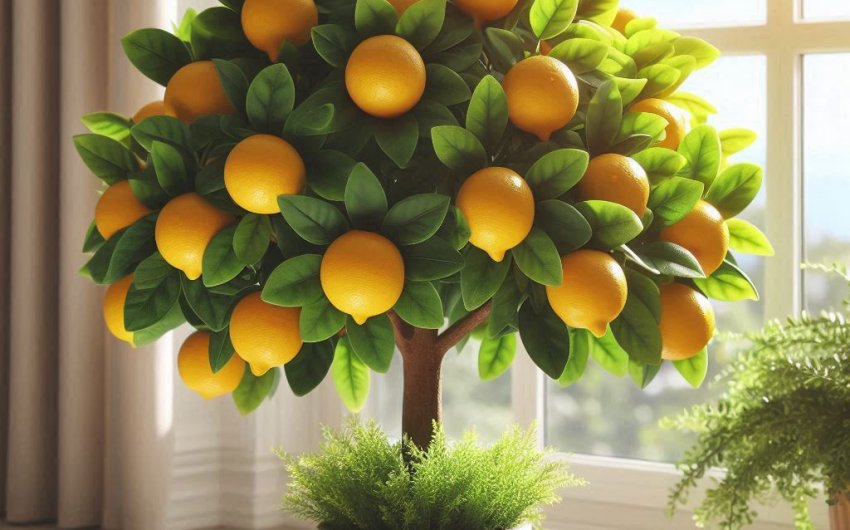
Yes, citrus trees can survive indoors year-round, and many varieties can even thrive and produce fruit in the right indoor environment. While citrus plants are native to warm, subtropical, and tropical climates, dedicated indoor gardeners in cooler regions have successfully grown them as attractive, fragrant, and sometimes fruit-bearing houseplants. The key to their year-round indoor survival and health lies in consistently meeting their specific environmental needs, which differ from typical houseplant care.
Success depends heavily on providing adequate light, humidity, proper watering, nutrition, and managing pests in an enclosed space. It's a commitment, as citrus trees are not as forgiving as some common houseplants. However, the reward of seeing fragrant blossoms and picking your own fresh lemons, limes, or oranges from a tree in your living room can be incredibly satisfying. This guide will delve into the essential requirements and challenges of cultivating indoor citrus trees year-round, transforming your home into a miniature citrus grove.
What are the most common challenges of growing citrus indoors year-round?
Growing citrus trees indoors year-round presents a unique set of challenges that can make them less straightforward than typical houseplants. Overcoming these hurdles is crucial for the tree's survival, health, and potential to produce fruit.
Here are the most common challenges:
Insufficient Light:
- Challenge: This is arguably the biggest obstacle. Citrus trees are sun-loving plants that naturally thrive in full sun (6-8+ hours of direct sunlight outdoors). Indoor light, even from a sunny window, is significantly weaker and often insufficient.
- Impact: Lack of adequate light leads to leggy, weak growth, poor flowering, leaf drop, and little to no fruit production.
- Solution: Placement in the brightest possible window (south-facing is often best in the Northern Hemisphere) and supplemental grow lights (full spectrum LED grow light) are almost always necessary, especially during short, dark winter days.
Low Humidity:
Advertisement- Challenge: Most homes, especially in winter when heating systems are running, have very low humidity. Citrus trees prefer high humidity (50-60% or more), typical of their native environments.
- Impact: Dry air stresses the leaves, leading to leaf curl, brown tips, leaf drop, and makes the tree more susceptible to spider mites.
- Solution: Use a humidifier (room humidifier for plants), place trees on pebble trays with water, or mist regularly (though misting alone provides only temporary relief).
Improper Watering:
- Challenge: It's a fine balance. Citrus trees hate "wet feet" (soggy soil leading to root rot) but also suffer from drying out completely. Their water needs change with light levels, temperature, and season.
- Impact:
- Overwatering: Leads to yellowing leaves, leaf drop, and fatal root rot.
- Underwatering: Causes wilting, leaf curl, brown crispy edges, and leaf drop.
- Solution: Water thoroughly when the top few inches of soil feel dry, allowing excess water to drain completely. Use a well-draining citrus potting mix. A soil moisture meter (water meter for plants) can be very helpful.
Pest Infestations:
- Challenge: Indoor environments, particularly with low humidity, are ideal breeding grounds for common citrus pests.
- Impact: Spider mites, scale insects, aphids, and mealybugs can rapidly multiply and cause significant damage, weakening the tree and leading to sticky residue (honeydew) and sooty mold.
- Solution: Regular inspection, prompt treatment with organic insecticidal soap or neem oil (neem oil for plants), and maintaining higher humidity (which spider mites dislike).
Nutrient Deficiencies:
- Challenge: Citrus trees are heavy feeders and require specific macro and micronutrients. Indoor trees in pots quickly deplete soil nutrients.
- Impact: Yellowing leaves (chlorosis), stunted growth, poor flowering, and lack of fruit.
- Solution: Use a specialized citrus fertilizer (citrus tree fertilizer) regularly during the growing season, following package directions.
Temperature Fluctuations:
- Challenge: While they prefer warmth, extreme temperature swings (e.g., cold drafts from windows or direct heat from vents) can stress them. Some varieties might also benefit from a slight seasonal temperature drop to encourage flowering, which is hard to achieve indoors.
- Impact: Leaf drop, stress.
- Solution: Find a stable location, away from drafts and direct heat sources.
Pollination:
- Challenge: Many citrus varieties are self-pollinating, but indoor trees lack natural pollinators (bees, wind).
- Impact: Flowers may form but fail to set fruit.
- Solution: Hand-pollinate blossoms with a small paintbrush or cotton swab, moving pollen between flowers.
Addressing these challenges proactively is key to the successful year-round indoor survival and productivity of your citrus trees.
What kind of light do indoor citrus trees need, and how can I provide it?
Light is the single most critical factor for the successful year-round indoor survival and fruiting of citrus trees. These are sun-loving plants that naturally thrive in bright, direct sunlight for many hours a day. Replicating this indoors is the primary challenge.
Here's the kind of light indoor citrus trees need and how you can provide it:
Quantity of Light (Intensity and Duration):
- Mimic Outdoors: Outdoors, citrus trees prefer full sun, meaning at least 6-8 hours of direct, unfiltered sunlight daily. More is generally better.
- Indoor Reality: Even the brightest south-facing window typically provides only a fraction of the light intensity that an outdoor location offers. Light intensity drops off dramatically just a few feet from a window.
- Impact of Insufficient Light: Without enough light, indoor citrus trees will become leggy (stretched and sparse), have pale leaves, produce few or no flowers, and consequently no fruit. They may also drop leaves in an attempt to conserve energy.
Type of Light (Spectrum):
- While citrus trees need the full spectrum of light (all colors), the most important parts for plant growth are the blue and red wavelengths. Full-spectrum white light grow lights are generally best as they provide a balanced spectrum and are more comfortable for human eyes.
How to Provide Adequate Light Indoors:
Window Placement (Primary Source):
- Brightest Window: Place your citrus tree in the absolute brightest window you have. For most homes in the Northern Hemisphere, this will be a south-facing window. East-facing windows offer good morning sun, while west-facing windows get strong afternoon sun. North-facing windows are usually too dim for citrus.
- Unobstructed: Ensure the window isn't blocked by heavy curtains, blinds, or external obstacles like large trees or buildings.
- Close to Glass: Place the tree as close to the window glass as possible. The further away, the lower the light intensity.
Supplemental Grow Lights (Almost Always Necessary):
- For year-round indoor citrus, especially in regions with short, dark winters, supplemental grow lights are often essential to provide the necessary light intensity and duration. Relying solely on natural window light is usually insufficient for robust growth and fruiting.
- Types of Grow Lights:
- LED Grow Lights: These are the most energy-efficient, long-lasting, and cool-running. Look for full-spectrum LEDs designed for plant growth. Full spectrum LED grow lights are excellent.
- Fluorescent Grow Lights (T5 or T8): More affordable than LEDs but less energy-efficient. Can be good for smaller trees.
- High-Intensity Discharge (HID) Lights (MH or HPS): Very powerful and effective but generate a lot of heat and consume a lot of electricity. More common for commercial growers or dedicated grow rooms.
- Placement: Position the grow light directly above the tree, maintaining the recommended distance from the foliage (usually 6-12 inches for LEDs, further for HIDs). Adjust the light height as the tree grows.
- Duration: Use a timer (grow light timer) to provide 12-16 hours of light per day, mimicking a long summer day.
Rotation:
- Regularly rotate your tree (e.g., weekly) so all sides receive adequate light, encouraging even growth.
By prioritizing and actively providing sufficient light, you address the most significant challenge of keeping citrus trees healthy indoors year-round and maximize their potential for flowering and fruiting.
What is the best potting mix and pot for indoor citrus trees?
Selecting the best potting mix and pot is fundamental for the year-round indoor survival and long-term health of your citrus trees. They have very specific requirements for drainage and aeration that differ from most houseplants, and choosing the wrong combination can quickly lead to root rot, the number one killer of indoor citrus.
The Best Potting Mix for Indoor Citrus Trees:
Citrus trees absolutely hate "wet feet" (their roots sitting in soggy, poorly draining soil). They need a mix that drains quickly while still providing enough moisture and nutrients. Do NOT use standard all-purpose potting mix or garden soil.
Look for a mix that is:
- Extremely Well-Draining: This is paramount. The mix should allow water to flow through rapidly, preventing waterlogging.
- Aerated: It should have plenty of air spaces within the mix to provide oxygen to the roots.
- Slightly Acidic: Citrus prefers a slightly acidic pH (around 6.0-6.5).
Ideal Components of a Citrus Potting Mix:
- Peat Moss or Coco Coir: Provides a base, retains some moisture, and offers good cation exchange capacity (nutrient retention).
- Perlite or Pumice: Crucial for drainage and aeration. These lightweight, porous materials create air pockets and prevent compaction.
- Compost or Aged Bark Fines: Adds organic matter, provides slow-release nutrients, and improves overall soil structure.
- Coarse Sand (Horticultural Grade): Can be used, but ensure it's coarse or sharp sand, not play sand, which can compact. Pumice or perlite are often better choices.
Commercial Options: Many companies offer specialized citrus potting mixes (FoxFarm Ocean Forest Potting Soil or others specifically labeled for citrus). These are often a good starting point as they're formulated to meet these needs. You can also make your own by mixing roughly equal parts of peat/coco coir, perlite/pumice, and aged bark fines.
The Best Pot for Indoor Citrus Trees:
- Drainage Holes are Essential: This cannot be stressed enough. Any pot used for citrus must have adequate drainage holes at the bottom. If it doesn't, root rot is almost guaranteed. If your decorative pot doesn't have holes, use it as a cachepot and keep your citrus in a slightly smaller nursery pot with drainage inside.
Material:
- Terra Cotta/Clay Pots: These are often excellent choices for citrus. Their porous nature allows excess moisture to evaporate through the pot walls, promoting aeration and reducing the risk of overwatering. However, they can dry out faster, requiring more frequent watering.
- Plastic Pots: Retain moisture better than terracotta, which can be a double-edged sword. If you tend to overwater, terracotta might be safer. If you live in a hot, dry environment, plastic might be better for moisture retention. Ensure ample drainage holes.
- Fabric Grow Bags: Increasingly popular, fabric grow bags (VIVOSUN fabric grow bags) offer superior aeration and prevent root circling (air pruning), leading to a healthier root system. They dry out faster, so monitor watering.
Size:
- Start Appropriately: Begin with a pot that's only slightly larger than the root ball of your citrus tree.
- Gradual Potting Up: As the tree grows, gradually pot it up into larger containers, typically increasing by 2-4 inches in diameter each time the roots start circling the pot.
- Final Size: For a mature dwarf indoor citrus, you might eventually need a pot that is 15-25 gallons (18-24 inches in diameter). Larger pots provide more stable moisture and nutrient levels but are heavier.
By using the right potting mix and a pot with excellent drainage, you create the optimal foundation for robust root health, which is crucial for the year-round indoor survival and productivity of your citrus trees.
How often should I water indoor citrus trees?
Knowing how often to water indoor citrus trees is one of the trickiest aspects of their year-round indoor survival, as it's a dynamic process that depends on several factors rather than a fixed schedule. Overwatering is the most common cause of death for indoor citrus, but underwatering is also detrimental. The key is to water based on the soil's moisture level, not on a calendar.
Here are the factors that influence watering frequency and the best approach:
Factors Influencing Watering Frequency:
Temperature:
- Warmth: In warmer temperatures (e.g., during summer, or if you keep your home very warm), water evaporates faster from the soil, and the tree's metabolism is higher, so it will need more frequent watering.
- Cooler Temperatures: In cooler temperatures (e.g., during winter, especially if trees are in a cooler room), water evaporates slower, and the tree's growth slows down, so it will need less frequent watering.
Light Intensity:
- High Light: Trees receiving abundant bright light (especially with supplemental grow lights) photosynthesize more actively and use more water, so they'll need more frequent watering.
- Low Light: In dimmer conditions, water usage is significantly reduced, meaning less frequent watering is necessary. This is why many people overwater in winter, leading to problems.
Humidity:
- Low Humidity: Dry air increases transpiration from leaves and evaporation from the soil, requiring more frequent watering.
- High Humidity: Humid air slows down evaporation, so less frequent watering is needed.
Pot Size and Material:
- Smaller Pots: Dry out faster, need more frequent watering.
- Larger Pots: Retain moisture longer, need less frequent watering.
- Terra Cotta Pots: Evaporate water through their walls, dry out faster, need more frequent watering.
- Plastic/Glazed Pots: Retain moisture, need less frequent watering.
- Fabric Grow Bags: Excellent aeration but also dry out faster, often need more frequent watering.
Potting Mix Composition:
- Fast-Draining Mix (like recommended citrus mix): Dries out faster, needs more frequent watering.
- Standard Potting Mix (not recommended): Retains too much water, dries slowly, prone to overwatering.
The Best Watering Method:
The Finger Test (The Gold Standard): This is the most reliable method.
- Stick your index finger about 2-3 inches deep into the soil.
- If the soil feels dry to the touch at this depth, it's time to water.
- If it still feels cool and moist, wait.
- For very large pots, you might need to check deeper. A soil moisture meter (digital moisture meter for plants) can also provide a useful reading.
Water Thoroughly: When you do water, water slowly and deeply until you see water draining from the bottom holes of the pot. This ensures the entire root ball is saturated.
- Empty Saucer: Never let the pot sit in standing water in the saucer, as this leads to root rot. Empty the saucer after about 30 minutes.
General Schedule (Flexible!):
- Summer/Warm Season (indoors or out): Likely every 2-7 days.
- Winter/Cool Season (indoors): Could be every 7-14 days, or even longer, depending on your home's temperature and light.
By paying attention to your tree's signals and the factors affecting its environment, you'll develop an intuitive sense for how often to water your indoor citrus trees, ensuring their health and productive year-round indoor survival.
What temperature and humidity levels are ideal for indoor citrus?
Achieving the right temperature and humidity levels is crucial for the year-round indoor survival and well-being of your citrus trees. These plants are native to subtropical and tropical regions, and while they can tolerate some variations, consistent deviation from their preferred range will lead to stress and decline.
Ideal Temperature Levels for Indoor Citrus:
Citrus trees generally prefer warm, stable temperatures.
- Daytime: Ideally between (65^\circ F) and (75^\circ F) ((18^\circ C) and (24^\circ C)).
- Nighttime: Can tolerate slightly cooler temperatures, ideally between (55^\circ F) and (65^\circ F) ((13^\circ C) and (18^\circ C)). A slight dip in night temperature (10-15 degrees F lower than daytime) can actually be beneficial, as it mimics natural outdoor conditions and can sometimes encourage flowering.
- Avoid Extremes:
- Cold Drafts: Keep citrus trees away from cold drafts from windows, doors, or air conditioning vents, especially in winter. Sudden drops in temperature can cause leaf drop.
- Direct Heat: Avoid placing them too close to heat registers, radiators, or fireplaces, which can dry out the air excessively and cause leaves to scorch or curl.
- Freezing Temperatures: Citrus trees are NOT frost-tolerant. Any prolonged exposure to freezing temperatures (below (32^\circ F) or (0^\circ C)) will severely damage or kill the tree. This is why they must be brought indoors in cooler climates.
Ideal Humidity Levels for Indoor Citrus:
This is often the most challenging environmental factor to control indoors, especially during winter. Citrus trees thrive in moderate to high humidity.
- Preferred Range: Ideally, humidity levels should be between 50% and 60% (or even higher).
- Indoor Reality: Most homes, particularly when heated in winter, have very low humidity, often dropping to 20-30% or even lower.
- Impact of Low Humidity:
- Leaf Damage: Causes leaves to dry out, leading to crispy brown tips and edges, or overall leaf yellowing and drop.
- Pest Infestations: Dry conditions are a breeding ground for spider mites, one of the most common and damaging pests of indoor citrus. High humidity acts as a natural deterrent to spider mites.
- Poor Fruit Development: Can affect fruit quality and quantity.
How to Increase Humidity for Indoor Citrus:
- Humidifier: The most effective way to consistently raise humidity around your citrus tree is to use a room humidifier (room humidifier for plants) placed nearby.
- Pebble Tray: Place the potted citrus tree on a shallow tray filled with pebbles and water. Ensure the bottom of the pot is above the water level so roots aren't sitting in water. As the water evaporates, it increases humidity around the plant.
- Grouping Plants: Grouping several plants together can create a localized humid microclimate as they transpire.
- Misting: Misting leaves with water can provide a very temporary boost in humidity, but it quickly evaporates. It's not a long-term solution but can offer some momentary relief and help keep leaves clean. Avoid misting when temperatures are cool, or in the evening, to prevent fungal issues.
By diligently managing both temperature and humidity, you can significantly reduce stress on your indoor citrus trees, leading to healthier growth, more vibrant foliage, and a greater chance of successful flowering and fruiting in your home.
How do I pollinate indoor citrus flowers for fruit production?
For indoor citrus trees to produce fruit, pollination is often necessary, as natural pollinators like bees and wind are absent in your home. While many popular citrus varieties (like Meyer lemons, Key limes, and most oranges) are self-fertile (meaning a single tree can produce fruit with its own pollen), they still need a little help to move the pollen around.
Here's how to hand-pollinate indoor citrus flowers for fruit production:
Identify Flowers Ready for Pollination:
- Citrus flowers are usually white, waxy, and highly fragrant.
- A flower is ready for pollination when its anthers (the yellow, pollen-bearing parts) are plump and covered with powdery yellow pollen, and the stigma (the receptive tip of the pistil, often green and sticky) looks fresh and receptive. Both should be prominent in the center of the flower.
Gather Your Tools:
- You'll need a very soft, small paintbrush (artist's paintbrush set), a cotton swab, or even just your finger.
The Pollination Process (Mimicking Bees/Wind):
- Step 1: Collect Pollen: Gently touch or brush the anthers of a flower with your chosen tool. You'll see the fine, yellow pollen stick to the brush or swab.
- Step 2: Transfer Pollen: Immediately transfer that pollen by gently dabbing or brushing it onto the sticky stigma of the same flower (for self-fertile varieties) or, ideally, onto the stigma of a different flower on the same tree or a different tree (for cross-pollination, if you have multiple varieties).
- Be Thorough: Work your way around all the open blossoms on your tree. Don't worry about damaging the flowers; a gentle touch is all that's needed.
- Timing: The best time to pollinate is usually mid-morning, when the flowers are fully open and the pollen is most abundant and dry.
- Frequency: Repeat the process daily for several days as new flowers open. Citrus trees often bloom in flushes, so you might be doing this over several weeks.
Why Hand Pollination is Important (Even for Self-Fertile Varieties):
- Lack of Wind and Bees: In an enclosed indoor environment, there's no natural wind to shake pollen from the anthers to the stigma, and no insects to carry it.
- Maximizing Fruit Set: Even if a variety is self-fertile, moving the pollen manually significantly increases the chances of successful fertilization and fruit development. Without it, you might get flowers, but few or no fruits.
Other Considerations:
- Unripe Fruit: After successful pollination, a tiny green fruit will begin to form at the base of the flower. Many of these tiny fruits will naturally drop off (this is normal and called fruit drop), as the tree can only support a certain number. This is the tree's way of self-thinning.
- Patience: Once pollinated, it can take many months (often 6-12+ months, depending on the variety) for the fruit to fully ripen.
- Overall Tree Health: Healthy, vigorous trees that receive adequate light, water, and nutrients will be more inclined to set and ripen fruit successfully. Hand pollination won't compensate for poor growing conditions.
By dedicating a few moments to hand-pollinate your indoor citrus flowers, you significantly increase your chances of transforming those fragrant blossoms into delicious, homegrown fruit, making your year-round indoor citrus growing even more rewarding.
How do I manage pests on indoor citrus trees?
Pest management is a significant challenge for indoor citrus trees grown year-round, as indoor environments can provide ideal conditions for common citrus pests to thrive, often without natural predators to keep them in check. Early detection and consistent, organic management are crucial to prevent widespread infestations that can severely weaken or even kill your tree.
Here are the most common pests and how to manage them on indoor citrus:
Spider Mites:
- Identification: Tiny, almost invisible pests that cause stippling (tiny dots) on leaves, leading to a dull, dusty, or bronzed appearance. In severe cases, fine webbing can be seen, especially on leaf undersides and between branches. They thrive in low humidity.
- Management:
- Increase Humidity: Regularly misting (temporarily) and using a humidifier are key preventative measures.
- Wipe Down Leaves: Regularly wipe the tops and undersides of leaves with a damp cloth to physically remove mites.
- Insecticidal Soap: Spray thoroughly, covering all leaf surfaces (top and bottom). Repeat every 5-7 days until infestation is gone.
- Neem Oil: Apply as a foliar spray. It acts as an anti-feedant and growth disruptor. Repeat regularly. (neem oil spray)
Scale Insects:
- Identification: Small, oval, immobile bumps (can be brown, black, or white) on stems and leaf undersides. They produce sticky honeydew, which can lead to sooty mold.
- Management:
- Physical Removal: For light infestations, carefully scrape them off with a fingernail or an old toothbrush dipped in rubbing alcohol.
- Rubbing Alcohol: Dip a cotton swab in rubbing alcohol and touch each scale insect directly.
- Insecticidal Soap/Neem Oil: Spray thoroughly, repeating applications as crawlers (mobile young) emerge after hatching from under the adult scales.
- Dormant Oil (Horticultural Oil): Can be used for heavy infestations, especially on established trees. It smothers them. (horticultural oil spray)
Aphids:
- Identification: Small, soft-bodied insects (green, black, or other colors) clustered on new growth, buds, and leaf undersides. They also produce sticky honeydew.
- Management:
- Strong Water Spray: A forceful spray of water can dislodge them.
- Hand-Picking: For light infestations, manually remove them.
- Insecticidal Soap: Highly effective against aphids. Spray directly onto them.
- Neem Oil: Can deter and kill aphids.
Mealybugs:
- Identification: White, cottony masses found in leaf axils (where leaves meet stems), on stems, or on leaf undersides. They also produce honeydew.
- Management:
- Rubbing Alcohol: Dip a cotton swab in rubbing alcohol and touch each mealybug directly to dissolve their waxy coating.
- Insecticidal Soap/Neem Oil: Spray thoroughly, ensuring the spray penetrates the cottony coating.
General Pest Management Strategies for Indoor Citrus:
- Regular Inspection: Check your tree thoroughly (especially leaf undersides, new growth, and stem crevices) at least once a week. Early detection makes control much easier.
- Quarantine New Plants: Isolate any new plants you bring into your home for a few weeks to ensure they are pest-free before placing them near your citrus.
- Maintain Tree Health: Healthy, vigorous trees are less susceptible to severe pest infestations. Provide optimal light, water, and nutrients.
- Cleanliness: Regularly wipe down leaves to remove dust, which can hinder photosynthesis and hide pests. Remove any fallen leaves or debris from the pot.
- Integrated Approach: Combine several organic methods. For example, manual removal plus regular neem oil sprays.
Consistent vigilance and proactive intervention with organic solutions are the keys to keeping your indoor citrus trees largely pest-free and ensuring their healthy year-round indoor survival.
What kind of fertilizer do indoor citrus trees need, and how often?
Fertilization is a critical component of successfully growing citrus trees indoors year-round, as they are notoriously heavy feeders. Unlike outdoor trees that can tap into a larger soil volume and natural nutrient cycling, potted indoor citrus quickly deplete the limited nutrients in their containers. Providing the right type and amount of fertilizer is essential for vibrant foliage, abundant flowering, and robust fruit production.
Type of Fertilizer for Indoor Citrus:
Specialized Citrus Fertilizer: The best choice is a fertilizer specifically formulated for citrus trees. These fertilizers are balanced to meet citrus's unique nutritional needs. They typically have:
- Balanced N-P-K Ratio: A good balance of Nitrogen (N), Phosphorus (P), and Potassium (K) (e.g., 5-1-3, 7-3-5, or similar ratios where Nitrogen is slightly higher to support leafy growth).
- Micronutrients: Crucially, they contain essential micronutrients like iron, zinc, manganese, copper, and boron. Citrus trees are particularly susceptible to deficiencies in these, which can cause specific patterns of leaf yellowing (chlorosis) or stunted growth.
- Slightly Acidic: Some citrus fertilizers are formulated to help maintain a slightly acidic soil pH, which citrus prefers.
Organic Options: If you prefer organic gardening, look for organic citrus fertilizers (organic citrus fertilizer) or combine organic soil amendments like worm castings, compost, and fish emulsion in a balanced way. However, these may break down slower and require more careful monitoring to ensure nutrient availability.
How Often to Fertilize Indoor Citrus:
The frequency of fertilization depends on the plant's growth stage, the time of year, and the specific fertilizer's instructions.
During Active Growth (Spring, Summer, Early Fall):
- This is the primary feeding period. Citrus trees grow most actively when light levels are high and temperatures are warm.
- Frequency: Fertilize regularly, typically every 2-4 weeks during this period. Always follow the product's label directions, as concentrations vary. Some granular slow-release fertilizers might be applied less frequently.
- Dilution: If using liquid fertilizer, it's often safer to dilute it to half strength and fertilize more frequently rather than applying full strength less often, to avoid salt buildup and root burn.
During Dormancy or Slow Growth (Late Fall, Winter):
- When light levels are low and temperatures are cooler (as is common indoors during winter), the tree's growth naturally slows down, entering a semi-dormant state.
- Frequency: Reduce or stop fertilization during this period. Over-fertilizing a dormant tree can lead to nutrient buildup, root burn, and leaf drop. You might fertilize once every 1-2 months with a very diluted solution, or stop completely, resuming when new growth appears in spring.
Signs of Nutrient Deficiency (and when to fertilize):
- Overall Yellowing (lighter green): Often a sign of nitrogen deficiency.
- Yellowing between Veins (veins remain green): Common for iron or manganese deficiency.
- Stunted Growth: Lack of sufficient nutrients overall.
- Poor Flowering/Fruiting: Tree lacks energy to produce.
Important Fertilization Tips:
- Water Before Fertilizing: Always water your citrus tree thoroughly before applying liquid fertilizer. Applying fertilizer to dry soil can burn the roots.
- Follow Directions: Read and follow the specific instructions on your chosen fertilizer product carefully. More is not better, and over-fertilization can be as harmful as under-fertilization.
- Flush the Soil: Occasionally, flush the pot with plain water (allow water to run through for several minutes) to help prevent the buildup of mineral salts from fertilizers.
- Repotting: Repotting your citrus tree into fresh potting mix every 2-3 years also replenishes some nutrients and provides fresh growing medium.
By providing consistent and appropriate fertilization, you ensure your indoor citrus trees have the energy and building blocks they need to not only survive year-round but to truly flourish and reward you with fragrant blossoms and delicious fruit.