
What is the best mulch for fruit plants?
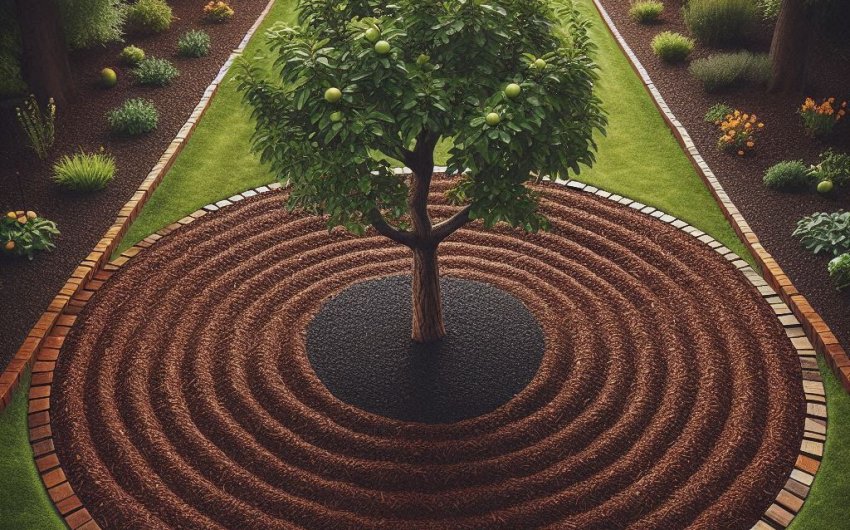
Choosing the best mulch for fruit plants is one of the most impactful decisions you can make for the health and productivity of your orchard or garden. Mulch is not just for aesthetics; it's a powerful tool that significantly improves soil health, conserves water, regulates soil temperature, and suppresses weeds, all of which directly benefit your fruit trees and berry bushes. While many materials can be used as mulch, organic mulches are generally superior for fruit plants because they break down over time, enriching the soil.
The "best" mulch often depends on your specific goals, the type of fruit plant, and what's readily available and affordable in your area. However, the benefits of a good mulching program are universal. By understanding the properties of different mulching materials and applying them correctly, you can create an optimal environment for your fruit plants to thrive, leading to healthier growth and more abundant harvests. This guide will explore the top choices for mulch and the science behind why they are so beneficial.
Why is mulching fruit plants important?
Mulching fruit plants is one of the single most beneficial practices you can implement in your orchard or garden. It's often referred to as the "silent workhorse" of the garden because its positive impacts are numerous and long-lasting, directly contributing to healthier, more productive fruit trees and berry bushes. Neglecting to mulch can lead to a host of problems that actively hinder your fruit plants.
Here are the key reasons why mulching fruit plants is so important:
Moisture Conservation:
- Reduced Evaporation: A layer of mulch acts as a barrier, shielding the soil from direct sunlight and wind. This significantly reduces the rate of evaporation from the soil surface, meaning more water stays in the soil where the fruit plant's roots can access it. This is especially crucial during hot, dry periods or in regions with limited rainfall.
- Less Frequent Watering: Because moisture is conserved, you won't need to water your fruit plants as often, saving time, effort, and water resources. This is a huge benefit for both the gardener and the environment.
Weed Suppression:
Advertisement- Blocks Sunlight: A thick layer of mulch (typically 2-4 inches deep) physically blocks sunlight from reaching weed seeds, preventing them from germinating and growing. Any weeds that do manage to sprout are usually weak and easy to pull.
- Reduces Competition: Weeds aggressively compete with fruit plants for essential resources like water, nutrients, and sunlight. By suppressing weeds, mulch ensures that these valuable resources go directly to your fruit plant, allowing it to grow stronger and more productively. This means healthier fruit trees and more bountiful harvests.
Temperature Moderation:
- Insulation: Mulch acts as an insulating layer for the soil.
- Cooler in Summer: It keeps the soil significantly cooler in hot summer months, protecting delicate roots from extreme heat and reducing heat stress on the plant.
- Warmer in Winter: In colder climates, mulch helps moderate soil temperatures, preventing extreme freezing and thawing, which can protect roots from winter damage. This can be especially important for marginally hardy fruit varieties.
Improved Soil Health and Structure:
- Adds Organic Matter: As organic mulches (like wood chips or compost) slowly decompose, they break down into humus, which enriches the soil with valuable organic matter.
- Enhances Soil Structure: Organic matter improves soil structure. It helps heavy clay soils drain better and become less compacted, while increasing the water-holding capacity and nutrient retention of sandy soils.
- Feeds Soil Life: It provides food for beneficial soil microorganisms (bacteria, fungi, earthworms), which are vital for nutrient cycling and creating healthy soil. A healthy soil food web directly contributes to a healthy fruit plant.
Erosion Control:
- Mulch helps prevent soil erosion from heavy rains or wind, keeping valuable topsoil in place.
Protects from Mechanical Damage:
- A layer of mulch around the base of the plant creates a buffer zone, protecting the trunk from accidental damage by lawnmowers or string trimmers, which can create wounds that invite pests and diseases.
By understanding these multifaceted benefits, it becomes clear why mulching fruit plants is not just an option, but a fundamental practice for successful fruit growing and maintaining vibrant, productive fruit trees and berry bushes.
What types of organic mulches are best for fruit plants?
When it comes to the best mulch for fruit plants, organic mulches are generally preferred over inorganic ones because they offer numerous long-term benefits to the soil and the plant itself. As they decompose, they enrich the soil, improve its structure, and feed the beneficial soil microorganisms.
Here are some of the top types of organic mulches for fruit trees and berry bushes:
Arborist Wood Chips:
- Pros: Often considered one of the absolute best and most cost-effective mulches for fruit trees. They are a byproduct of tree trimming operations, containing a mixture of wood, bark, and leaves.
- Excellent moisture retention.
- Superior weed suppression.
- Breaks down slowly, providing long-lasting benefits (lasts 1-3 years).
- Adds significant organic matter and nutrients to the soil over time.
- Encourages beneficial fungi and earthworm activity.
- Can often be sourced for free or low cost from local arborists.
- Cons: Can be difficult to get in small quantities for single trees. May temporarily tie up some nitrogen in the soil as microorganisms break down the wood (especially fresh, fine chips), but this effect is often overstated for surface application and balanced by their other benefits.
- Best For: All types of fruit trees and most berry bushes. Look for arbor mulch.
- Pros: Often considered one of the absolute best and most cost-effective mulches for fruit trees. They are a byproduct of tree trimming operations, containing a mixture of wood, bark, and leaves.
Shredded Bark:
- Pros: Widely available in bags, aesthetically pleasing, good moisture retention and weed suppression. Breaks down slowly.
- Cons: Can be more expensive than wood chips. Some types (especially fine, processed bark) can mat together, potentially hindering water penetration if not regularly agitated.
- Best For: General fruit tree and berry bush mulching.
Compost:
- Pros: Gold standard for soil enrichment.
- Directly adds a wide range of nutrients in an accessible form.
- Greatly improves soil structure (drainage in clay, water retention in sand).
- Introduces beneficial microorganisms.
- Excellent for young plants and invigorating older ones.
- Cons: Can be expensive if purchased in large quantities. Doesn't suppress weeds as effectively as wood chips or bark due to finer texture, and breaks down faster, requiring more frequent replenishment if used as the sole mulch.
- Best For: Applying a layer annually (1-2 inches) around fruit plants, often underneath a coarser mulch like wood chips, or as a primary mulch in smaller quantities. Use organic compost.
- Pros: Gold standard for soil enrichment.
Straw (not hay):
- Pros: Inexpensive, widely available (especially from farms), easy to apply and remove, good for moisture retention and weed suppression. Adds organic matter.
- Cons: Can be messy, blows around in wind, and may introduce weed seeds if not sourced carefully (ensure it's straw, not hay). Can look less aesthetic than bark or chips.
- Best For: Berry bushes (especially strawberries, blueberries, raspberries) where ease of annual application/removal is a plus. Also good for young fruit trees.
Pine Needles:
- Pros: Good for acid-loving plants like blueberries as they can slightly lower soil pH over time. Lightweight, good aeration.
- Cons: Don't suppress weeds as well as heavier mulches. Can be slow to decompose.
- Best For: Blueberries, raspberries, and potentially other acid-loving fruit plants.
Avoid: Fresh grass clippings (can compact and create anaerobic conditions), colored mulches (dyes can be questionable), plastic sheeting (creates unhealthy soil environment), and rock/gravel (absorb heat, don't improve soil).
The "best" strategy is often a combination: a layer of compost for nutrients, topped with a thicker layer of wood chips or shredded bark for long-lasting moisture retention and weed suppression. This approach maximizes the benefits for your fruit plants.
What types of inorganic mulches are suitable for fruit plants?
While organic mulches are generally preferred for fruit plants due to their soil-enriching properties, inorganic mulches have specific uses and benefits, though they come with distinct drawbacks. They are made from non-living materials that do not decompose and thus do not add organic matter to the soil.
Here are the main types of inorganic mulches and their suitability for fruit plants:
Stone, Gravel, or Crushed Rock:
- Pros:
- Permanent: Lasts indefinitely, so no need for replenishment.
- Weed Suppression: Provides effective weed control if a landscape fabric barrier is placed underneath.
- Aesthetics: Can be visually appealing in certain landscape designs.
- Heat Retention: Absorbs and radiates heat, which can be beneficial in cold climates to warm the soil (though also a con in hot climates).
- Cons:
- No Soil Improvement: Does not add any organic matter or nutrients to the soil, so trees will require external fertilization.
- Heat Absorption: Can absorb and radiate excessive heat in hot climates, potentially damaging shallow roots or stressing plants.
- Compaction: Can lead to soil compaction over time, especially if not laid over fabric.
- Difficulty in Removal: Hard to remove once applied.
- Not Ideal for Most Fruit Trees: Generally not recommended as the primary mulch for most fruit trees, especially those that prefer cool, moist root zones. Can be used effectively for specific plants that prefer hot, dry conditions or very sharp drainage (e.g., some Mediterranean herbs).
- Best For: Limited use around established fruit trees in very cold climates where heat retention is a major plus, or purely for aesthetic purposes in non-critical areas. Not ideal for young trees. You can find various types of landscape gravel.
- Pros:
Landscape Fabric (Weed Barrier Fabric):
- Pros:
- Excellent Weed Suppression: Creates a very effective barrier against weeds.
- Allows Water/Air Through: Permeable types allow water and air to pass through to the soil, unlike plastic sheeting.
- Separates Soil and Top Mulch: Often used underneath a decorative layer of organic or inorganic mulch to prevent the two from mixing, extending the life of the top layer.
- Cons:
- Does Not Improve Soil: Offers no soil health benefits.
- Can Impede Nutrient Exchange: Over time, it can hinder the natural exchange of nutrients and organic matter between the soil surface and the deeper layers.
- Degradation: Can degrade over time, leading to unsightly tears and exposed plastic. Weeds can also grow through the fabric or on top of it if organic debris accumulates.
- Difficult to Fertilize/Amend: Makes it harder to apply surface amendments like compost or fertilizer directly to the soil.
- Best For: Primarily as a weed barrier underneath other mulches, particularly useful in newly established fruit tree areas where weed pressure is very high and you want to ensure minimal competition for young trees. It's not a standalone mulch. Look for heavy duty landscape fabric.
- Pros:
Avoid Completely:
- Black Plastic Sheeting: This is generally harmful to fruit trees. It completely blocks air and water exchange, traps excessive heat (cooking roots), promotes anaerobic conditions (lack of oxygen), and prevents beneficial soil organisms from thriving. It's often used commercially but with very different soil and irrigation management.
In summary, while inorganic mulches like stone or landscape fabric can offer weed suppression and some moisture retention, they generally lack the soil-improving qualities of organic mulches. For the long-term health and productivity of your fruit trees and berry bushes, organic mulches are almost always the superior choice. Inorganic options might be used selectively, but should not be the primary mulching strategy.
How thick should the mulch layer be for fruit plants?
Applying the correct thickness of mulch is just as important as choosing the right material for your fruit plants. Too thin a layer won't provide the benefits, while too thick a layer can create new problems. The ideal depth of an organic mulch layer around fruit trees and berry bushes is typically between 2 to 4 inches (5-10 cm).
Here's why this thickness is optimal and what happens if the layer is too thin or too thick:
Ideal Mulch Thickness: 2-4 Inches (5-10 cm)
- Effective Weed Suppression: At this depth, mulch effectively blocks enough sunlight to prevent most weed seeds from germinating and growing. Any weeds that do sprout are usually weak and easy to pull.
- Excellent Moisture Retention: A 2-4 inch layer provides sufficient insulation to significantly reduce water evaporation from the soil surface, keeping the root zone consistently moist.
- Temperature Moderation: This depth is enough to insulate the soil effectively, keeping it cooler in summer and warmer in winter.
- Good for Soil Health: Allows for gradual decomposition, adding organic matter and nutrients to the soil over time without becoming soggy or anaerobic.
- Air and Water Permeability: This depth still allows water and air to penetrate the soil surface efficiently, ensuring roots get what they need.
Problems with Too Thin a Layer (Less than 2 inches):
- Ineffective Weed Control: Sunlight can still reach the soil, allowing weeds to germinate and thrive, competing with your fruit plant for water and nutrients.
- Poor Moisture Retention: Too thin a layer won't provide adequate insulation, leading to rapid water evaporation. You'll still have to water frequently.
- Limited Temperature Moderation: The soil will still be subject to extreme temperature fluctuations.
- Quick Decomposition: It will break down too fast, requiring very frequent replenishment.
Problems with Too Thick a Layer (More than 4-6 inches):
- Suffocation of Roots: Excessive mulch can create a soggy, anaerobic (oxygen-deprived) environment beneath it, suffocating the roots and promoting root rot.
- Pest Harboring: A deep, perpetually moist layer of mulch can create ideal habitats for voles, mice, slugs, and other pests that can girdle the trunk or damage roots.
- Disease Promotion: Excessive moisture and lack of air circulation can encourage fungal diseases, especially if the mulch is piled against the trunk.
- "Mulch Volcanoes": Piling mulch directly against the trunk of a fruit tree is a common and detrimental mistake. This can lead to:
- Trunk Rot: Constant moisture against the bark promotes fungal and bacterial diseases that rot the trunk.
- Pest Damage: Rodents and insects can hide in the mulch and chew on the bark, girdling the tree.
- Root Girdling: Adventitious roots can grow into the mulch itself, rather than into the soil, and then girdle the main trunk as they expand.
Correct Application Technique:
- "Donut" Method: Always apply mulch in a donut shape around the base of the fruit plant, leaving a clear space of at least 2-4 inches (5-10 cm) (or more for mature trees) directly around the trunk. The mulch should not touch the trunk.
- Extend to Dripline: Spread the mulch out to the dripline of the tree (the imaginary circle on the ground directly beneath the outermost branches) or even beyond, as this is where the majority of the active feeder roots are located. For young trees, cover an area at least 3-4 feet in diameter.
- Replenish as Needed: As organic mulch decomposes, its thickness will reduce. Plan to replenish the layer annually or biennially to maintain the optimal 2-4 inch depth.
By carefully controlling the thickness of mulch and using the "donut" method, you maximize all the benefits of mulching for your fruit trees and berry bushes, promoting their health and maximizing your harvest.
When should I apply mulch to fruit plants?
The timing of mulch application is important for maximizing its benefits for fruit plants. While you can apply mulch at almost any time, there are optimal periods that provide the most advantages for fruit trees and berry bushes.
Here are the best times to apply mulch:
Late Spring / Early Summer (Ideal Time):
- This is generally considered the best time to apply new mulch or refresh existing mulch.
- Why: By this point, the soil has begun to warm up (which is good for root growth), but summer's heat and dryness haven't fully set in.
- Benefits:
- Weed Suppression: Applying mulch now helps suppress spring-germinating weeds before they become established.
- Moisture Retention: It locks in the moisture from spring rains, preparing the soil for the drier summer months.
- Temperature Moderation: It keeps the soil cool as summer temperatures rise, protecting roots from heat stress.
- Nutrient Availability: As the mulch begins to break down over the warm season, it slowly releases nutrients.
Fall (Secondary Good Time):
- Applying mulch in the fall after the leaves have dropped and the ground has cooled (but before it freezes hard) is also very beneficial.
- Why: It provides winter protection.
- Benefits:
- Winter Protection: Insulates the soil, helping to prevent extreme freezing and thawing cycles that can damage roots, especially for young or marginally hardy fruit plants.
- Early Spring Moisture: It holds moisture in the soil over winter, making it available in early spring.
- Soil Improvement: Begins the decomposition process, enriching the soil for the following growing season.
- Consideration: If applying in fall, ensure the ground isn't already frozen solid, as you want the mulch to be in contact with the soil. Also, be mindful of potential rodent issues if you have a history of them seeking shelter in mulch over winter; keeping a larger clear ring around the trunk can help.
Times to Avoid (or be cautious):
- Late Winter / Early Spring (When soil is still very cold or frozen): Applying a thick layer of mulch over frozen or very cold soil can prevent it from warming up efficiently in the spring. This can delay the fruit tree's emergence from dormancy and slow down root activity. Wait until the soil has started to thaw and warm up.
- Mid-Summer (if soil is bone dry): If your soil is already severely parched and compacted in the middle of summer, apply a deep watering first to rehydrate the soil, and allow it to soak in before applying mulch. Mulching over bone-dry soil can sometimes make it harder for water to penetrate later, especially with some mulches that form a dense layer.
General Guidelines:
- Replenish Annually/Biennially: Organic mulches decompose over time. Plan to inspect your mulch layer annually (e.g., in late spring) and replenish it as needed to maintain the optimal 2-4 inch depth.
- Always Check the "Donut": Regardless of timing, always maintain the clear ring around the trunk to prevent rot and pest issues.
By applying mulch at the optimal times, you provide continuous benefits that help your fruit trees and berry bushes thrive, conserving water, suppressing weeds, and improving soil health for years of abundant harvests.
How does mulch help with weed control around fruit plants?
Mulch is an incredibly effective and labor-saving tool for weed control around fruit plants, playing a vital role in maintaining the health and productivity of your fruit trees and berry bushes. Its primary mechanism for suppressing weeds is simple: it deprives them of the essential resources they need to grow.
Here's how mulch effectively helps with weed control:
Blocking Sunlight (The Primary Mechanism):
- Mechanism: A properly applied, opaque layer of organic mulch (typically 2-4 inches deep) physically blocks sunlight from reaching the soil surface underneath.
- Impact: Most weed seeds require light to germinate. By depriving them of this crucial trigger, the mulch prevents the vast majority of weed seeds from ever sprouting. Even if a seed does germinate, the lack of light inhibits its ability to photosynthesize and grow, quickly weakening it.
Smothering Existing Weeds (Limited):
- While mulch is primarily preventative, a thick enough layer can smother small, existing weeds by cutting off their light supply. However, it's generally best to remove any large, established weeds before applying mulch for maximum effectiveness.
Physical Barrier:
- Mechanism: Even if some weed seeds manage to germinate under the mulch layer (e.g., if the layer is thin or not completely opaque), they then have to physically push through 2-4 inches of mulch to reach the light.
- Impact: This arduous journey often exhausts the young weed seedling's stored energy reserves, causing it to die before it ever breaks the surface. Any resilient weeds that do emerge are typically etiolated (pale and stretched) and very easy to pull by hand, as their roots haven't firmly anchored in the soil below.
Reducing Seed Dispersal:
- Mechanism: A continuous layer of mulch creates a less hospitable environment for new weed seeds to land and establish.
- Impact: While not foolproof, it can reduce the number of weed seeds that successfully find their way into the underlying soil and germinate.
Conserving Resources for Fruit Plants:
- Reduced Competition: This is a critical secondary benefit. Weeds are fierce competitors for water, nutrients, and space. By suppressing them, mulch ensures that all the valuable resources in the soil go directly to your fruit tree or berry bush, rather than being siphoned off by unwanted vegetation. This allows your fruit plants to grow stronger, produce more fruit, and be more resilient to stress.
Key Considerations for Mulch and Weed Control:
- Depth is Crucial: As discussed earlier, a 2-4 inch layer is vital. Anything thinner will be less effective.
- "Donut" Method: Always keep the mulch a few inches away from the trunk to prevent pest issues and disease.
- No Weed Barrier Fabric Needed (Often): While landscape fabric can be used under mulch, a sufficiently thick layer of organic mulch often provides excellent weed control on its own, and fabric can sometimes impede soil health improvements over time.
- Replenish: As organic mulch decomposes, its weed-suppressing power diminishes. Replenish it annually or as needed to maintain the optimal depth.
By harnessing the power of mulch for weed control, you significantly reduce manual weeding time, conserve precious resources, and create a healthier, more productive environment for your fruit plants.
Can mulch help fruit trees recover from stress?
Yes, mulch can significantly help fruit trees recover from stress, particularly stress related to water deficiency or temperature extremes. While mulch is primarily a preventative measure, its ability to create a more stable and favorable root environment directly supports a stressed tree's recovery efforts.
Here's how mulch aids in a fruit tree's recovery from various forms of stress:
Recovery from Water Stress (Drought):
- Mechanism: As discussed, mulch is a champion of moisture conservation. When a fruit tree has been struggling with dehydration, even after a thorough watering, its root system may still be recovering and less efficient at uptake.
- Impact on Recovery: A layer of mulch drastically reduces subsequent water evaporation from the soil, allowing the re-applied water to stay in the root zone longer. This provides a consistent and readily available supply of moisture for the recovering tree, helping its cells rehydrate, and its roots heal and regain function. It lessens the frequency of future watering needed, giving the tree a more stable hydration environment as it recuperates. This is especially vital for young, newly planted, or shallow-rooted fruit trees that are highly vulnerable to drought.
Recovery from Heat Stress:
- Mechanism: Mulch insulates the soil surface.
- Impact on Recovery: When a tree is stressed by excessive heat (often accompanied by drought), its roots can suffer. Mulch keeps the soil around the root zone cooler, creating a more favorable temperature for root activity and nutrient uptake. This reduces the overall heat load on the tree, allowing it to put more energy into recovery rather than constantly battling thermal stress.
Recovery from Root Damage (e.g., from severe stress or light mechanical injury):
- Mechanism: Organic mulch, as it decomposes, improves soil structure, aeration, and fertility, and encourages beneficial soil microorganisms.
- Impact on Recovery: A healthier, more biologically active soil environment is ideal for root regeneration. When roots have been damaged (e.g., from waterlogging due to improper watering during stress, or from severe dehydration), the improved soil conditions fostered by mulch provide a conducive environment for new root growth and repair. This enhanced soil health is crucial for the tree's long-term vitality.
Reduced Competition during Recovery:
- Mechanism: Mulch suppresses weeds.
- Impact on Recovery: A stressed tree needs all its energy to recover. Weeds aggressively compete for water and nutrients. By eliminating weed competition, mulch ensures that the recovering fruit tree has exclusive access to available resources, preventing further depletion of its energy reserves.
Protection from Further Stressors:
- Mechanism: Mulch provides a buffer zone.
- Impact on Recovery: While recovering, a tree is more vulnerable to other stressors like accidental mechanical damage (from mowers or trimmers) or sudden temperature swings. Mulch helps protect the root flare and trunk from such injuries and moderates soil temperature, giving the tree a more stable healing environment.
In summary, while mulch isn't a cure-all for every type of tree stress, it's an incredibly valuable tool that directly supports a fruit tree's recovery from water and temperature-related issues. By creating a more consistent and healthier soil environment, mulch helps the tree conserve energy, regrow damaged parts, and build resilience for future challenges, ultimately promoting its long-term health and productivity. Always ensure proper application (the "donut" method, 2-4 inches deep) to avoid creating new problems during recovery.