
How do I tell if a fruit tree needs more water?
Knowing how to tell if a fruit tree needs more water is one of the most fundamental skills for any gardener or orchardist. Proper watering is absolutely essential for the health, growth, and fruit production of your trees. While too little water can stress a tree and lead to poor yields or even death, too much water can also cause serious problems like root rot. The key is to learn to read the subtle (and sometimes not so subtle) signs your tree is giving you, and to understand its watering needs based on its age, type, and environment.
Observing your tree's leaves, fruit, and overall vigor, as well as checking the soil moisture directly, are the most reliable indicators. Don't just water on a fixed schedule; instead, water based on the tree's actual needs. This proactive approach ensures your fruit trees remain healthy, productive, and resilient, giving you abundant harvests for years to come. This guide will walk you through the various signs of water stress and the best practices for assessing and providing adequate hydration to your precious fruit trees.
What are the visible signs of water stress on fruit tree leaves?
The leaves are often the first and most obvious indicators that a fruit tree needs more water. They display several visible signs of water stress as the tree struggles to get enough moisture. Learning to recognize these symptoms early can help you intervene before more severe damage occurs.
Here are the key visible signs on fruit tree leaves:
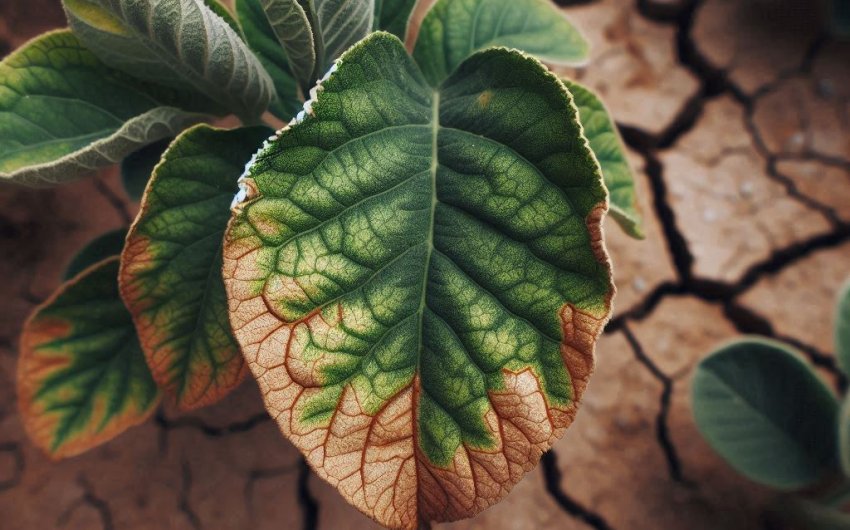
Wilting or Drooping Leaves: This is perhaps the most classic sign of a thirsty plant. When a fruit tree doesn't have enough water, the cells within its leaves lose turgor pressure (the internal water pressure that keeps them firm). This causes the leaves to go limp, droop, or sag. They might look tired or deflated. This is the tree's attempt to reduce the surface area exposed to the sun and slow down water loss through transpiration. In early stages, wilting might only be noticeable during the hottest part of the day, with leaves recovering by evening. If wilting persists into the morning, the tree is in serious need of water.
Curling or Rolling Leaves: Some fruit trees, instead of simply wilting, will curl or roll their leaves inwards or upwards. This is another adaptive mechanism to reduce the leaf surface area exposed to direct sunlight and wind, thereby minimizing water evaporation from the leaf surface. It's a way the tree tries to conserve its dwindling water supply.
AdvertisementDull or Faded Green Color: Healthy, well-hydrated leaves typically have a vibrant, rich green color. When a fruit tree is water-stressed, its leaves may lose this luster, appearing dull, grayish-green, or slightly faded. This is due to a reduction in chlorophyll activity and overall plant vitality.
Yellowing Leaves (Chlorosis): While yellowing can also indicate nutrient deficiencies or overwatering, it can be a sign of prolonged water stress. When roots can't take up enough water, nutrient uptake is also impaired, leading to a general yellowing of the leaves. This often starts at the edges or between the veins.
Browning or Crispy Edges/Tips: If water stress continues without intervention, the leaf tissue at the edges or tips will begin to die back due to dehydration. These areas will turn brown, become crispy, and might even crumble when touched. This is a more severe symptom, indicating significant cellular damage.
Premature Leaf Drop: In severe and prolonged drought conditions, a fruit tree will shed its leaves prematurely. This is a drastic survival mechanism to drastically reduce water loss through transpiration. If your tree is dropping otherwise healthy-looking green or slightly yellowed leaves during the growing season, it's a strong sign of severe dehydration.
Observing these leaf symptoms is your primary visual cue. However, always confirm with a direct soil moisture check before watering, as some of these symptoms can sometimes overlap with other issues.
How does soil moisture feel when a fruit tree needs water?
Feeling the soil moisture is the most direct and reliable way to tell if a fruit tree needs more water. Visual cues from the tree itself are important, but checking the soil provides a definitive answer and helps you avoid both underwatering and overwatering. You need to assess the moisture level at the depth where the tree's feeder roots are actively absorbing water.
Here's how the soil should feel when a fruit tree needs water:
The Finger Test (The Go-To Method):
- How to do it: Stick your index finger into the soil near the base of the tree, about 4-6 inches deep (for smaller trees or young plantings) or even 8-12 inches deep (for larger, more established trees). For potted trees, go about halfway down the pot.
- What dry soil feels like: If the soil feels dry, dusty, or crumbly at this depth, and no moisture clings to your finger when you pull it out, then your fruit tree likely needs water.
- What moist soil feels like: If the soil feels cool, damp, and leaves a slight residue on your finger, it still has sufficient moisture, and you should probably wait to water.
Using a Soil Moisture Meter:
- For those who prefer a more objective measurement, a soil moisture meter (water meter for plants) can be a helpful tool.
- How to use it: Insert the probe into the soil at the appropriate depth, making sure it's not touching any large pieces of organic matter or air pockets.
- Reading: The meter will give you a reading (often on a scale from 1-10 or "dry" to "wet"). When the reading indicates "dry" or a low number (e.g., 1-3 on a 10-point scale), it's time to water.
- Benefit: These meters can be useful for consistency and for those new to gardening, but they are not foolproof. They measure moisture only at the point of the probe, and can be affected by soil compaction or rocks. The finger test is often equally, if not more, reliable for experienced gardeners.
Observing Soil Surface:
- While less reliable for determining moisture at root depth, a dry, cracked, or compacted soil surface is an obvious visual cue that the top layer is dehydrated. However, don't rely solely on this, as deeper soil might still be moist.
Lifting Potted Plants (for containers):
- For fruit trees in pots, you can gauge moisture by lifting the pot. A pot that feels surprisingly light usually indicates the soil has dried out significantly. A well-watered pot will feel noticeably heavier.
The ultimate goal is to water before the tree shows severe symptoms, by regularly checking the soil's moisture level. This proactive approach ensures consistent hydration and prevents the stress that comes from drought.
How does water stress affect fruit development and yield?
Water stress has a profound negative impact on both fruit development and overall yield in fruit trees. Adequate and consistent water supply is critical throughout the growing season, from bloom to harvest. When a fruit tree needs more water, the consequences extend beyond just wilting leaves; they directly affect the quantity and quality of your harvest.
Here's how water stress affects fruit development and yield:
Reduced Fruit Set:
- Before Bloom/During Bloom: If a fruit tree experiences severe water stress before or during flowering, it can significantly reduce the number of blossoms that successfully set fruit. The tree might prioritize survival over reproduction, leading to fewer potential fruits.
- After Bloom (Fruit Drop): Water stress shortly after fruit set can cause excessive fruit drop (also known as "June drop," though it can happen at other times). The tree sheds young fruits to conserve resources, as it cannot support all of them given its limited water supply.
Smaller Fruit Size:
- Throughout the entire fruit development period, water is crucial for cell expansion within the fruit. If there isn't enough water, the fruit cells won't fully swell, resulting in smaller, undersized fruit. This reduces the overall harvest weight and marketability.
Poor Fruit Quality:
- Flavor and Sweetness: Water is essential for transporting sugars from the leaves to the developing fruit. Water stress can lead to less sugar accumulation, resulting in less flavorful, less sweet, or even bland fruit.
- Texture: Dehydration can cause fruit to have a mealy, dry, or rubbery texture, rather than being crisp and juicy.
- Color Development: Proper hydration is also linked to good color development in fruit. Stressed trees may produce fruit with duller, less vibrant colors.
Increased Physiological Disorders:
- Blossom End Rot: While more common in vegetables like tomatoes, some fruit can suffer similar issues.
- Cracking: Inconsistent watering (periods of drought followed by heavy rain) can cause rapid water uptake that leads to the fruit skin splitting or cracking, making it susceptible to disease and rot.
- Corking/Bitter Pit (Apples): While primarily calcium-related, severe water stress can exacerbate these disorders.
Reduced Overall Yield:
- Combining all the above factors – fewer fruits setting, excessive fruit drop, and smaller individual fruit size – leads to a significant reduction in the total yield of usable fruit. The tree simply doesn't have the resources to produce an abundant, high-quality crop.
Long-Term Tree Health Decline:
- Repeated or severe water stress weakens the tree's overall vigor and resilience. It makes the tree more susceptible to pests and diseases in the long run, and can reduce its productive lifespan.
Therefore, providing consistent and adequate water is not just about keeping the tree alive; it's fundamental to achieving a successful and delicious harvest from your fruit trees.
What is the difference between signs of underwatering and overwatering?
Distinguishing between the signs of underwatering and overwatering in fruit trees can be challenging because some symptoms (like yellowing or wilting leaves) can overlap. However, understanding the key differences is crucial, as the solutions are opposite: adding water versus holding back water. Misdiagnosis can lead to further harm.
Here's a breakdown of the typical differences:
Signs of Underwatering (Water Stress/Drought):
These symptoms primarily reflect the tree's attempt to conserve water and its struggle with dehydration.
- Leaves:
- Initial Wilting/Drooping: Leaves sag, often during the hottest part of the day, but may recover overnight.
- Persistent Wilting: If wilting continues into the morning, it's severe dehydration.
- Curling/Rolling: Leaves curl inward or upward to reduce surface area.
- Dull, Faded Green: Loss of vibrant color, appearing grayish-green.
- Crispy/Browning Edges or Tips: Tissue dies from dehydration.
- Premature Leaf Drop: Leaves, sometimes still green, fall off to reduce water loss.
- Fruit:
- Excessive Fruit Drop: Tree sheds young fruit to conserve resources.
- Smaller Fruit Size: Fruit doesn't swell properly.
- Poor Quality: Less juicy, bland, mealy texture.
- Cracking (from inconsistent watering): Drought followed by heavy watering.
- Soil:
- Dry and Crumbly: Feels very dry and dusty several inches deep.
- Cracked Surface: Topsoil may have cracks.
- Overall Tree:
- Slowed Growth: New shoots are stunted.
- Lack of Vigor: Tree looks generally stressed, not thriving.
Signs of Overwatering (Waterlogging/Root Rot):
These symptoms primarily reflect a lack of oxygen to the roots, leading to root damage and inability to absorb water and nutrients.
- Leaves:
- Yellowing (Chlorosis): Often a more uniform yellowing across the entire leaf, or starting from lower leaves, due to impaired nutrient uptake (roots are damaged).
- Wilting (Paradoxical): Leaves may wilt or droop even though the soil is wet. This is because damaged roots can't absorb water effectively, leading to "physiological drought." The leaves feel soft, not crispy.
- Edema: Small, watery blisters or bumps on leaves, especially the undersides, indicating cells bursting from too much water pressure.
- Dark Spots/Mold: Can sometimes develop on leaves due to high humidity around the plant from constant moisture.
- Fruit:
- May be small or drop: Due to overall tree stress and root damage.
- More prone to fungal issues: High humidity favors rots.
- Soil:
- Constantly Soggy/Waterlogged: Feels wet and squishy to the touch, even after days without rain.
- Sour/Stagnant Odor: A foul smell from anaerobic conditions (lack of oxygen) and root decomposition.
- Algae Growth: Green or black algae on the soil surface.
- Overall Tree:
- Stunted Growth: Overall lack of vigor despite adequate water.
- Root Rot: The most serious symptom. Roots turn brown, soft, and mushy, often with a foul smell. This is irreversible if too extensive.
- Branch Dieback: Sections of branches may start to die back.
The Key Differentiation:
The crucial differentiator is the soil moisture level. If your tree is wilting and the soil is bone dry, it's underwatered. If your tree is wilting, yellowing, and the soil is perpetually soggy, it's overwatered. Always check the soil deeply before concluding what the issue is. Using a soil moisture meter can help with this diagnosis.
How does the age of a fruit tree affect its water needs?
The age of a fruit tree is a major factor in determining its water needs. Water requirements change significantly as a tree matures, and understanding these differences is crucial for providing proper hydration throughout its lifespan.
Here's how age affects a fruit tree's water needs:
Newly Planted and Young Fruit Trees (First 1-3 Years):
- Highest Water Demand Relative to Size: These trees have the most critical need for consistent moisture. Their root systems are still shallow and developing, so they can't reach deep into the soil for water.
- Frequent Watering: They often need watering every few days, especially during hot, dry, or windy weather. The goal is to keep the root ball consistently moist but not waterlogged.
- Stress Vulnerability: Young trees are highly vulnerable to water stress. Dehydration during this period can stunt their growth, delay fruiting, and even kill them.
- Importance of Establishment: The first year is about getting the roots established. Adequate water helps the tree put energy into developing a strong root system that can support future growth.
- Consider a tree watering bag for consistent slow release of water to young trees.
Developing Fruit Trees (Years 3-7, pre-fruiting or early fruiting):
- Moderate Water Demand: As the root system expands and grows deeper, the tree becomes more self-sufficient in finding water.
- Less Frequent, Deeper Waterings: Watering can be less frequent than for new trees, but each watering needs to be deeper to encourage roots to grow downwards. This typically means watering once or twice a week during dry spells.
- Crucial for Structure: This is a period of significant structural growth. Consistent water supports branch development and strengthens the tree.
Mature, Fruit-Bearing Trees (Years 7+):
- Sustained Water Demand, Especially During Fruiting: While their deep root systems make them more resilient to short dry spells, mature fruit trees still require significant water, especially during key phases like:
- Flowering and Fruit Set: Adequate water is needed to support healthy blooms and for fruit to form.
- Fruit Development/Swell: This is the most water-intensive period. Insufficient water during fruit swell will lead to small, poor-quality fruit and reduced yield.
- Post-Harvest: Even after harvest, trees need water to replenish reserves and develop buds for the next year's crop.
- Deep and Infrequent Watering: Continue with deep, infrequent watering. For large, established trees, a good soak every 1-3 weeks during dry periods might be sufficient, depending on soil type and climate. The goal is to moisten the entire root zone.
- Drought Tolerance: Mature trees are more tolerant of brief droughts due to their extensive root systems, but prolonged dry spells will still negatively impact fruit quality and yield.
- Sustained Water Demand, Especially During Fruiting: While their deep root systems make them more resilient to short dry spells, mature fruit trees still require significant water, especially during key phases like:
Very Old Trees:
- Water needs may slightly decrease as trees age past their prime, but they still benefit from supplemental irrigation during dry periods to maintain health and production.
Always remember to check the soil moisture directly at root depth before watering, regardless of the tree's age, as soil type and local weather significantly influence how quickly the soil dries out.
What is the impact of soil type on fruit tree watering needs?
The soil type in your orchard or garden has a huge impact on fruit tree watering needs. Different soil types vary dramatically in their ability to hold water, affecting how often and how much you need to water your trees. Understanding your soil is key to efficient and effective irrigation.
Here's how soil type influences watering:
Sandy Soils:
- Characteristics: Sandy soils have large particles and large pore spaces, meaning water drains very quickly through them. They have low water retention capacity.
- Watering Needs: Fruit trees in sandy soil will need more frequent watering than those in other soil types. Water will percolate down rapidly, often beyond the root zone, so you'll need to apply water more often, but perhaps in smaller amounts at each irrigation to prevent excessive leaching of nutrients. The soil will feel dry quickly.
- Drawback: Nutrients can leach out quickly too, so adding organic matter is crucial for sandy soils to improve their water-holding capacity and fertility.
Clay Soils:
- Characteristics: Clay soils have very small particles and tiny pore spaces. They hold water extremely well and can become compacted easily. Drainage is often slow, leading to potential waterlogging if overwatered.
- Watering Needs: Fruit trees in clay soil will need less frequent watering, but when you do water, it should be a slow, deep application. Because water drains slowly, it takes longer for the water to penetrate the root zone, but once it's there, the soil retains moisture for a longer period. Overwatering is a common problem in clay soils, leading to root rot.
- Drawback: Poor aeration can suffocate roots. Adding significant amounts of organic matter (like compost) can greatly improve the structure, drainage, and aeration of heavy clay soils over time.
Loamy Soils:
- Characteristics: Loam is considered the ideal soil type for most plants, including fruit trees. It's a balanced mixture of sand, silt, and clay particles, along with organic matter. It offers a good balance of drainage, water retention, and aeration.
- Watering Needs: Fruit trees in loamy soil have moderate watering needs. Water penetrates well and is retained effectively, so watering frequency is less than sandy soils but more than heavy clay. It's often the easiest soil to manage.
Soil with High Organic Matter Content:
- Regardless of the base soil type (sandy, clay, or loam), adding abundant organic matter (like compost or well-rotted manure) significantly improves its properties.
- Benefits: Organic matter acts like a sponge, increasing the water-holding capacity of sandy soils and improving the drainage and aeration of clay soils. This generally leads to more consistent soil moisture and can reduce the overall frequency of watering needed, while promoting healthier root growth for your fruit trees.
Always perform the finger test (or use a soil moisture meter (digital soil moisture meter) to confirm soil moisture at root depth, as the visible surface can be misleading. Adjusting your watering schedule based on your specific soil type is fundamental to keeping your fruit tree properly hydrated.
How do weather conditions impact fruit tree watering?
Weather conditions are a primary driver of a fruit tree's water needs, often overriding fixed watering schedules. Constant monitoring of local weather patterns is essential for determining how to tell if a fruit tree needs more water and ensuring it receives adequate hydration.
Here's how various weather conditions impact watering:
Temperature:
- Hot Weather: Higher temperatures increase transpiration (water evaporation from leaves) and direct evaporation from the soil. On hot days, fruit trees will use and lose water much more quickly, requiring more frequent and possibly deeper watering. Heat stress alone can also make a tree appear droopy, even if soil moisture is adequate, but dry soil will exacerbate this.
- Cool Weather: Cooler temperatures reduce both transpiration and soil evaporation. Water needs will significantly decrease, meaning less frequent watering is required. Overwatering in cool weather can quickly lead to root rot.
Rainfall:
- Recent Rain: This is the most obvious factor. After significant rainfall, your fruit tree likely won't need supplemental watering for several days or even weeks, depending on the amount of rain and soil type. Always check the soil moisture at root depth, as light rain might only wet the surface.
- Prolonged Drought: Extended periods without rain are when supplemental irrigation becomes absolutely critical. Fruit trees will entirely rely on you for their water supply.
- Rain Gauges: Using a rain gauge (rain gauge) helps you accurately track natural precipitation.
Wind:
- Windy Conditions: Wind, especially hot and dry wind, significantly increases the rate of transpiration from leaves and evaporation from the soil surface. Wind essentially "dries out" the tree and the soil faster. Fruit trees in windy locations will need more frequent watering than those in sheltered spots.
- Windbreaks: Strategically planted windbreaks (like fences or other trees/shrubs) can help reduce water loss from fruit trees in consistently windy areas.
Humidity:
- Low Humidity (Dry Air): When the air is very dry, water evaporates quickly from leaves, increasing transpiration rates. This means the tree will use more water, calling for more frequent watering.
- High Humidity: Humid conditions slow down transpiration and evaporation. Water needs will be lower, and you'll need to water less frequently. Overwatering in humid conditions can also exacerbate fungal disease issues.
Cloud Cover/Sunlight Intensity:
- Sunny Days: More intense sunlight leads to higher transpiration and water usage.
- Cloudy Days: Cloud cover reduces sunlight intensity, lowering transpiration and thus water needs.
In summary, a flexible watering approach based on current and forecasted weather conditions is paramount. Don't water just because it's Tuesday; water because your fruit tree and its soil moisture indicate a need, factoring in what the weather has been doing and is expected to do.
What are the best ways to apply water to a fruit tree?
Knowing how to tell if a fruit tree needs more water is one thing, but knowing the best ways to apply water is equally important for its health and productivity. The goal is to deliver water deeply and efficiently to the root zone while minimizing waste and preventing issues like fungal diseases or soil compaction.
Here are the best ways to apply water to a fruit tree:
Slow and Deep Soaking (The Golden Rule):
- Why it's best: This is the most crucial principle. Deep watering encourages roots to grow downwards, making the tree more drought-tolerant and stable. Slow application allows the water to penetrate the soil deeply rather than running off, especially in clay soils.
- How to do it: Don't just spray water quickly with a hose. Let the water trickle slowly (a gentle stream or drip) at the base of the tree for an extended period, allowing it to soak in gradually. The duration will depend on tree size, soil type, and how dry the soil is.
- Check Depth: Always verify that the water has penetrated to the main root zone (6-12 inches or more, depending on tree size) by digging a small hole or using a soil moisture meter (moisture meter).
Drip Irrigation Systems:
- Benefits: Highly efficient, minimizes water waste, delivers water directly to the root zone, and keeps foliage dry, reducing fungal disease risk. Once set up, it requires minimal effort.
- How it works: A network of tubes with emitters or drippers releases water slowly and precisely onto the soil surface near the tree's base.
- Ideal for: Orchards, multiple trees, or busy gardeners seeking automation.
- Consider a drip irrigation kit for trees.
Soaker Hoses:
- Benefits: Similar to drip irrigation in efficiency. They slowly "sweat" water along their entire length, providing a consistent, gentle soak.
- How it works: Lay a soaker hose in a circle around the tree's dripline (the outer edge of the canopy) or wind it in a spiral closer to the trunk for younger trees.
- Ideal for: Single trees or rows of trees without the complexity of a full drip system.
Tree Watering Bags/Tree Gators:
- Benefits: Excellent for newly planted fruit trees. These specialized bags zip around the trunk and are filled with water, which slowly seeps out over several hours or a day, providing a deep, consistent irrigation.
- How it works: Fill the bag (typically 15-20 gallons) with water, and tiny holes at the bottom release it slowly.
- Ideal for: Young trees (first 1-2 seasons) to ensure they establish a strong root system. A tree watering bag can significantly reduce watering frequency for new plantings.
Basins or Berms:
- Benefits: Helps contain water around the tree, preventing runoff, especially on sloped ground or with quick-draining soils.
- How it works: Build a small earthen berm (a raised ridge of soil) in a circle around the tree's dripline, creating a basin that holds water, allowing it to slowly sink into the root zone.
- Ideal for: All tree sizes, particularly effective for new plantings to ensure water goes where it's needed.
Mulch (Crucial Companion to Watering):
- While not an application method, a 2-4 inch layer of organic mulch (wood chips, shredded bark, straw) around the tree's base is vital. It conserves soil moisture by reducing evaporation, suppresses weeds (which compete for water), and moderates soil temperature. Keep mulch a few inches away from the trunk to prevent rot. You can find garden mulch in various forms.
Avoid Overhead Watering (especially in the evening):
- Sprinklers that wet the foliage extensively can promote fungal diseases (like apple scab, powdery mildew) because leaves remain wet for too long, creating ideal conditions for spore germination. If you must use overhead sprinklers, do so early in the morning so the foliage has time to dry completely before evening.
By adopting these efficient watering practices, you ensure your fruit tree gets the hydration it needs to thrive, preventing water stress and promoting abundant harvests.
What is the role of mulch in fruit tree hydration?
Mulch plays an incredibly vital role in fruit tree hydration, acting as a silent, continuous helper in maintaining optimal soil moisture levels. While not a direct method of applying water, it significantly reduces the tree's need for frequent watering by conserving existing moisture and improving soil conditions. It's an indispensable practice for preventing water stress in fruit trees.
Here's the critical role of mulch in fruit tree hydration:
Moisture Retention (Reduces Evaporation):
- Mechanism: A layer of organic mulch (like wood chips, shredded bark, straw, or compost) placed over the soil surface acts as a barrier, shielding the soil from direct sunlight and wind.
- Impact: This dramatically reduces the rate of evaporation from the soil. Without mulch, water quickly escapes into the atmosphere, especially on hot, sunny, or windy days. With mulch, moisture stays in the soil longer, making more water available to the tree's roots and extending the time between waterings. This is particularly crucial for newly planted trees with shallower root systems.
Temperature Regulation:
- Mechanism: Mulch insulates the soil.
- Impact: In summer, it keeps the soil cooler, preventing excessive heat stress on roots and reducing rapid evaporation. In winter, it helps moderate soil temperatures, preventing extreme freezing and thawing, which can protect roots. Stable soil temperatures contribute to consistent water uptake by roots.
Weed Suppression:
- Mechanism: A thick layer of mulch (typically 2-4 inches) smothers weeds by blocking sunlight.
- Impact: Weeds are major competitors for water and nutrients. By suppressing weeds, mulch ensures that the water you apply (or that falls as rain) goes directly to the fruit tree's roots, rather than being siphoned off by competing vegetation. This makes your watering efforts more efficient.
Improved Soil Health and Structure:
- Mechanism: As organic mulch slowly breaks down, it adds organic matter to the soil.
- Impact: Organic matter improves soil structure. In sandy soils, it increases water-holding capacity. In clay soils, it improves drainage and aeration. Both lead to a healthier root environment where water and nutrients can be absorbed more effectively. This long-term improvement makes the soil more resilient to both dry and wet spells.
How to Apply Mulch for Hydration:
- Type of Mulch: Use organic mulches such as wood chips (arbor mulch), shredded bark, straw, or compost. Avoid inorganic mulches (like plastic or gravel) which don't offer the soil improvement benefits and can sometimes overheat roots.
- Depth: Apply a 2-4 inch layer.
- Spread: Extend the mulch from near the trunk (but not touching the trunk, leave a few inches clear to prevent rot and pest harborage) out to the dripline (the area directly under the outermost branches), or as wide as practical. This covers the majority of the active root zone.
- Replenish: Mulch will decompose over time, so replenish it annually or as needed to maintain the desired depth.
By incorporating a consistent mulching practice, you dramatically enhance your fruit tree's hydration status, reduce the frequency of watering needed, and promote overall tree health and productivity, all while minimizing water stress.
Can a fruit tree recover from severe water stress?
The ability of a fruit tree to recover from severe water stress depends on several factors, including the duration and intensity of the stress, the tree's age and health before the stress, and the speed and appropriateness of intervention. While fruit trees are remarkably resilient, prolonged or extreme drought can cause irreversible damage or even death.
Here's what determines recovery from severe water stress:
Duration and Severity of Stress:
- Short-Term Wilting: If a tree wilts significantly during a hot day but perks up overnight or immediately after watering, it's likely experiencing moderate, temporary water stress. These trees usually recover fully with prompt and deep watering.
- Prolonged Drought: Days or weeks of severe dehydration can cause cells to rupture, leading to widespread tissue death in leaves, twigs, and roots. This type of damage is much harder, if not impossible, to recover from.
- Leaf Drop: If a tree starts dropping a large number of leaves prematurely (especially green ones), it's a sign of very severe stress. While this is a survival mechanism, it means the tree has been under extreme duress.
Tree Age and Health:
- Young Trees: Newly planted fruit trees and young trees (first 1-3 years) are far more vulnerable to severe water stress. Their root systems are shallow and not yet established, making them prone to rapid dehydration and death if neglected. Recovery is less likely from severe stress.
- Established, Healthy Trees: Mature, well-established fruit trees with deep, extensive root systems are generally more tolerant of short periods of drought. Their vigor and stored energy reserves give them a better chance of recovery.
- Pre-existing Conditions: A tree that was already stressed by disease, pests, poor nutrition, or previous environmental issues will have a much harder time recovering from water stress.
Speed and Appropriateness of Intervention:
- Prompt Watering: If you identify signs of water stress and apply water deeply and slowly as soon as possible, the tree has a much higher chance of recovery.
- Avoid Over-Correcting: After severe dehydration, avoid suddenly drowning the tree. Give it a deep watering, then allow some time for it to absorb before watering again, checking the soil.
- Post-Stress Care: Even after watering, the tree might need some TLC. Avoid fertilizing immediately, as this can add more stress. Provide good air circulation, and continue to monitor soil moisture closely. Minor pruning of any dead branches can be done later, but avoid heavy pruning while the tree is recovering.
Signs of Recovery:
- Leaves Rehydrating: The most immediate sign of recovery is the wilting leaves beginning to perk up and regain their turgor. This can happen within hours to a day or two after watering.
- New Growth: Over time, the tree will start putting out new, healthy shoots and leaves, indicating that its physiological processes are returning to normal.
- Reduced Leaf Drop: The cessation of premature leaf drop.
In conclusion, while a fruit tree can often recover from moderate or short-term water stress with proper and timely irrigation, severe and prolonged dehydration can lead to irreversible damage to root systems and overall plant health, potentially resulting in decline or death. Early detection and proactive watering are always the best strategies for preventing severe stress.