
What fruits can be grown from kitchen scraps?
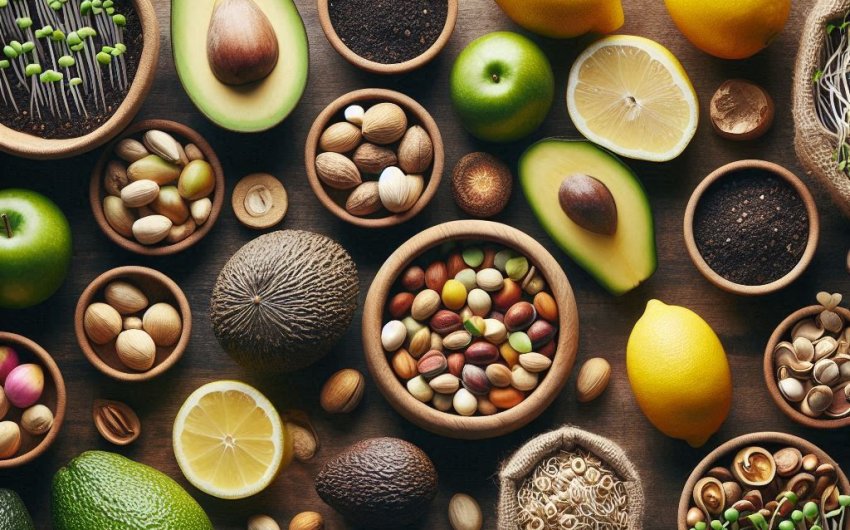
Growing fruits from kitchen scraps is a fascinating and rewarding way to reduce food waste, teach about plant life cycles, and potentially cultivate new plants for your home or garden. While you might not achieve a commercially viable harvest from every scrap, many common fruits can sprout and grow into viable plants from their seeds, pits, or even cuttings. This process is often called regrowing kitchen scraps or food scrap gardening. It’s an exciting experiment that can lead to beautiful houseplants, provide fresh herbs, or, with patience and the right conditions, even produce fruit.
It’s important to manage expectations, though. Fruits grown from seeds (especially those from grocery store produce) will not always be true to type. This means the fruit they eventually produce (if they produce any at all, which can take many years for trees) might not taste exactly like the fruit you originally ate. This is due to cross-pollination and the genetic variability inherent in seeds. However, the joy of seeing something sprout from what would have been waste, and nurturing it into a living plant, is a reward in itself. This guide will explore a variety of fruits that can be started from kitchen scraps, along with tips and tricks for success.
What types of fruits can be grown from seeds found in the kitchen?
Many fruits commonly found in your kitchen can be grown from their seeds, offering a fun and educational gardening project. While not all will produce fruit identical to the parent, or produce fruit quickly, the act of growing them from scratch is deeply satisfying. The key is to understand which fruits are typically grown from seed and how to prepare those seeds for germination.
Here are some popular fruits that can often be started from kitchen scraps:
Citrus Fruits (Lemons, Limes, Oranges, Grapefruits): These are perhaps some of the easiest and most rewarding to start from seed. Just wash the seeds, plant them a half-inch deep in moist potting mix, and keep them warm. They often sprout quickly and grow into attractive, fragrant houseplants, although it can take many years (5-15+) for them to fruit, especially if not a dwarf variety. For best results, consider a seed starting kit.
Avocado: The large pit of an avocado is a classic candidate for regrowing. You can suspend the pit over water with toothpicks, or plant it directly in soil, with the wider end down and about half of the pit exposed. Avocado plants make lovely, leafy houseplants but require very specific tropical conditions and many years to produce fruit, if ever, in a home setting.
AdvertisementMango: The large, flat pit of a mango can also be sprouted. You'll need to carefully open the fibrous outer husk to reveal the true seed inside. Plant this seed in moist soil, half-submerged. Mango trees are tropical and will need warmth and humidity, taking many years to fruit.
Apples and Pears: Seeds from these common fruits can certainly sprout! You'll need to cold stratify them first, which means giving them a period of cold, moist conditions to mimic winter (often done in the fridge for a few months). Plant them about half an inch deep. Apple and pear trees grown from seed are highly unlikely to be true to type (meaning the fruit won't be like the original), and can take 7-10 years or more to fruit.
Stone Fruits (Cherries, Peaches, Plums, Nectarines): Similar to apples, these require cold stratification of their pits (the "stone" is actually the seed enclosed in a hard shell). After stratification, crack open the pit to extract the seed before planting. These, too, will likely not be true to type and take several years to fruit.
Dates: If you have fresh dates (not dried, pitted ones), you can plant the pits directly. They are slow growers but can develop into attractive palm-like plants.
Papaya: The small, black seeds inside a papaya can be washed and planted directly. Papaya plants grow quickly in warm, humid conditions and can fruit in as little as a year if given ideal care.
Dragon Fruit: The tiny black seeds inside a dragon fruit can be washed and sprinkled on top of moist soil. They germinate quickly and grow into a type of cactus. These require specific climbing support and warm, sunny conditions to fruit.
For most of these, especially tropical ones, a sunny window or a grow light (LED grow light) will be crucial, along with consistent moisture. While the fruit yield may be uncertain, the journey of growing a plant from a simple kitchen scrap is an rewarding experience in itself.
What fruits can be regrown from cuttings or parts of the fruit?
Beyond seeds, some fruits can be regrown from cuttings or specific parts of the fruit itself, not just the seeds. This method often has a higher chance of producing fruit that is true to type (genetically identical to the parent plant) and sometimes yields fruit more quickly than growing from seed. These methods focus on rooting vegetative parts of the plant.
Here are some fruits commonly regrown from cuttings or specific parts:
Pineapple (from the crown): This is one of the most popular and relatively easy fruits to regrow. Simply twist or cut off the leafy top (the crown) of a fresh pineapple. Remove a few of the lower leaves to expose about an inch of stem. Let it dry for a day or two to prevent rot, then either suspend it in water until roots form, or plant it directly in a pot with well-draining soil. Pineapple plants can take 2-3 years to fruit, requiring warm, sunny conditions.
Figs (from cuttings): If you have access to a fresh fig branch (even a small piece about 6-8 inches long with a few nodes), you can root it. Remove most of the leaves, leaving 1-2 at the top. Dip the cut end in rooting hormone (rooting hormone powder) and plant it in moist potting mix. Figs are relatively easy to root and, once established, can fruit within a few years.
Grapes (from cuttings): While it's easier to buy grapevines, you can root cuttings from dormant grapevines. Take a 12-18 inch cutting from a healthy cane, ensuring it has at least 3-4 nodes. Plant it deeply in soil, leaving only the top bud exposed. Grapes rooted from cuttings will be true to type and can fruit within 2-3 years.
Pomegranates (from cuttings): Similar to figs, pomegranates can be rooted from hardwood cuttings taken in late winter or early spring. Take 8-10 inch cuttings, dip in rooting hormone, and plant. Pomegranates from cuttings can fruit in 2-3 years.
Kiwi (from cuttings): Kiwi can be propagated from semi-hardwood cuttings. Take 6-8 inch cuttings in summer, remove lower leaves, dip in rooting hormone, and plant in a moist, well-draining mix. Kiwi vines from cuttings will be true to type, but you'll need both male and female plants (unless it's a self-fertile variety) to get fruit, which can take 3-5 years.
Olives (from cuttings): While slow-growing, olive trees can be rooted from semi-hardwood cuttings taken in summer. They require warm conditions and patience.
Passion Fruit (from cuttings): Passion fruit vines can be easily rooted from cuttings taken from healthy, non-flowering stems. They root quickly and can produce fruit within a year or two in ideal climates.
Regrowing from cuttings generally requires a bit more horticultural knowledge and specific conditions (like humidity domes or bottom heat for some), but the payoff of getting a true-to-type fruit plant can be very rewarding. These methods are excellent ways to turn kitchen scraps into productive plants.
What is cold stratification, and why is it important for some fruit seeds?
Cold stratification is a crucial process required by the seeds of many temperate (non-tropical) fruits to break dormancy and prepare for germination. Essentially, it's a way of tricking the seeds into thinking they've gone through a period of cold, moist winter conditions, which signals to them that spring has arrived and it's safe to sprout. Without this simulated winter, the seeds will simply remain dormant and won't germinate, even if conditions like warmth and moisture are present.
Why is it important?
In nature, many fruit trees (like apples, peaches, cherries, plums, and pears) drop their fruit in the fall. Their seeds are then exposed to the cold temperatures and moisture of winter. This cold period breaks down germination inhibitors (chemicals within the seed that prevent premature sprouting) and activates growth hormones, allowing the embryo inside to develop properly. If these seeds were to germinate immediately in the fall, the young seedlings would likely be killed by winter frosts. Cold stratification is nature's way of ensuring the seed waits until conditions are favorable for survival in the spring.
How to Cold Stratify Fruit Seeds from Kitchen Scraps:
You can easily replicate cold stratification at home using your refrigerator.
- Clean the Seeds: First, thoroughly clean the seeds to remove any fruit pulp. Pulp can inhibit germination and promote mold.
- Moisture: Place the cleaned seeds in a moist medium. Good options include:
- Slightly damp sphagnum moss
- Moist paper towel (folded into a small packet)
- Moist sand
- Moist peat moss or vermiculite The medium should be damp, not soaking wet, as too much moisture can lead to rot.
- Container: Put the moist seeds and medium into a resealable plastic bag (like a Ziploc bag) or a small, airtight container. Label it with the fruit type and the date.
- Refrigeration: Place the bag/container in the refrigerator (not the freezer!). The ideal temperature is usually between (33^\circ F) and (41^\circ F) ((1^\circ C) and (5^\circ C)).
- Duration: The required duration varies by fruit, but common periods are:
- Apples, Pears, Cherries, Peaches, Plums: Typically 60-90 days (2-3 months).
- Some require less, some more, so it's good to research the specific fruit.
- Monitor: Check the seeds periodically (every week or two) to ensure the medium stays moist and to check for any signs of mold. If mold appears, rinse the seeds, use fresh moist medium, and return to the fridge. Some seeds might even begin to sprout in the fridge – if so, plant them immediately!
- Planting: Once the stratification period is over, plant the seeds immediately in well-draining potting mix, usually about 1/2 inch deep. Provide warmth and light, and they should germinate within a few weeks.
By understanding and applying cold stratification, you significantly increase your chances of successfully growing fruit trees from kitchen scraps, especially those originating from temperate climates.
How long does it take for fruits grown from kitchen scraps to bear fruit?
This is one of the most frequently asked questions when considering growing fruits from kitchen scraps, and the answer can vary wildly: it often takes a long time, if they produce fruit at all, especially for woody trees. Patience is definitely a virtue when undertaking these projects.
Here's a breakdown of general timelines and factors influencing fruiting:
1. Variability by Fruit Type:
Fastest (Can be a year or two in ideal conditions):
- Papaya: Can fruit in 1-2 years from seed, particularly in consistently warm, humid climates.
- Passion Fruit: Cuttings can fruit in 1-2 years; seeds might take slightly longer.
- Pineapple (from crown): Typically 2-3 years to fruit, sometimes a bit longer for a second fruit.
- Lemons/Limes (from seed in ideal conditions, not always true to type): Can be as little as 3-5 years for some very specific varieties, but more commonly 5-10+ years for many.
Medium (3-7 years, often from cuttings/grafts for true type):
- Figs (from cuttings): 2-3 years, sometimes even the first year for a very mature cutting.
- Grapes (from cuttings): 2-3 years for a meaningful crop.
- Pomegranates (from cuttings): 2-4 years.
- Kiwifruit (from cuttings): 3-5 years (and you need both male and female plants for most varieties).
Slowest (5-15+ years, often from seed, and highly variable):
- Avocado: 5-13 years is commonly cited, but some never fruit, especially indoors or from seeds of hybrid grocery store fruit.
- Mango: 5-8 years, or even 10+ years from seed, depending on variety and climate.
- Apples & Pears: 7-10+ years from seed is typical.
- Stone Fruits (Peaches, Cherries, Plums): 3-5 years for grafted trees, but 5-10+ years from seed is common, and the fruit quality is uncertain.
- Citrus (from most seeds): 5-15+ years is very common.
2. Factors Influencing Fruiting Time:
Propagation Method (Seed vs. Cutting/Graft):
- Seeds: Plants grown from seed (especially from hybrid grocery store fruit) are genetically diverse. They undergo a "juvenile phase" where they only produce vegetative growth and cannot flower or fruit. This phase can last for many years. Additionally, they may not be true to type, meaning the fruit might not resemble the parent fruit.
- Cuttings/Grafting: Plants grown from cuttings or grafts are genetically identical to the parent (true to type) and bypass the juvenile phase. They are essentially mature plant tissue, so they can flower and fruit much earlier, often within 1-3 years. This is why commercial orchards use grafted trees.
Growing Conditions:
- Climate: Tropical fruits require consistent warmth and humidity. Temperate fruits need a distinct cold period. If conditions aren't ideal (e.g., growing a tropical plant indoors in a cold climate), fruiting may be delayed or never happen.
- Sunlight: All fruit plants need abundant sunlight (usually 6-8+ hours of direct sun).
- Soil Health & Nutrients: Healthy, fertile soil provides the energy for fruiting.
- Container Size: For potted plants, the size of the container can restrict growth and delay fruiting.
- Pollination: Some fruits require cross-pollination from a different variety or a male/female pair.
Variety: Some specific varieties are naturally precocious (fruit early), while others take longer.
In essence, growing fruits from kitchen scraps is more often a rewarding exercise in plant propagation and nurturing, rather than a reliable path to a quick fruit harvest. For consistent, timely, and true-to-type fruit production, purchasing grafted fruit trees from a reputable nursery is usually the more practical approach. However, the unexpected success and journey of growing from scratch can be incredibly satisfying.
What is "true to type," and why does it matter for fruit seeds?
The term "true to type" is very important when discussing growing fruits from kitchen scraps, especially from seeds. It refers to whether a plant grown from a seed will produce fruit that is genetically identical to, and therefore tastes, looks, and performs exactly like, the parent fruit from which the seed was taken.
Why it matters:
When you eat a store-bought apple, peach, or citrus fruit, it typically comes from a tree that was propagated asexually, usually through grafting or budding. This means a small piece of a desirable fruit variety (the scion) was joined to the rootstock of another tree. All the fruit produced by that grafted tree will be genetically identical to the scion, ensuring consistency in flavor, size, disease resistance, and ripening time. This is how commercial orchards guarantee quality and predictability.
However, when you plant a seed from that fruit, things are different:
- Genetic Recombination (Sexual Reproduction): Seeds are the result of sexual reproduction, where pollen from one flower fertilizes the ovule of another (or the same) flower. This involves the mixing of genetic material from both parent plants. The resulting seed contains a unique combination of genes, just like children inherit traits from both parents.
- Hybrid Vigor and Variability: Many common commercial fruit varieties are hybrids, meaning they were specifically bred from two different parent varieties to combine desirable traits. The seeds from these hybrid fruits will not "breed true." Instead, they will revert to various genetic combinations from their ancestry, potentially resulting in fruit that is:
- Different in taste: Could be bland, sour, or simply not as flavorful as the original.
- Different in size, color, or texture.
- Less productive: May produce very little fruit, or fruit irregularly.
- More susceptible to diseases: May lack the disease resistance of the parent.
- Takes longer to fruit: Seeds from mature trees often go through a long "juvenile phase" before they can produce fruit.
Implications for Growing from Kitchen Scraps:
- Unpredictable Results: If you plant an apple seed from a 'Honeycrisp' apple, the tree it grows into will almost certainly not produce 'Honeycrisp' apples. It will produce an apple, but its characteristics will be a genetic lottery. The same applies to most stone fruits (peaches, cherries, plums) and many pears.
- Citrus Exception (Partial): Some citrus fruits (particularly lemons and limes) have a phenomenon called nucellar embryony, where some of their seeds produce seedlings that are clones of the mother tree (true to type). However, even within a single fruit, other seeds might be the result of sexual reproduction and thus not true to type. It's still a gamble, and they still take many years to fruit.
- Patience and Experimentation: Growing fruit from seeds from kitchen scraps is best approached as a fun experiment rather than a reliable method for fruit production. You might discover a unique, delicious new variety, or you might get something unpalatable. The primary reward is the joy of growing the plant itself.
For guaranteed true-to-type fruit, growers typically purchase grafted plants from nurseries, which are clones of known, desirable varieties. However, for the adventurous gardener looking to nurture a plant from scratch and see what develops, growing from fruit seeds from kitchen scraps is a wonderful journey into genetic diversity.
What are the best conditions for sprouting fruit seeds indoors?
Successfully sprouting fruit seeds indoors from kitchen scraps requires providing the right set of environmental conditions that mimic what the seeds would experience in nature for successful germination. While specific needs vary slightly by fruit, some general guidelines apply to almost all seeds.
Here are the best conditions for sprouting fruit seeds indoors:
Proper Seed Preparation:
- Cleaning: Thoroughly clean all fruit pulp from the seeds. Pulp contains sugars and inhibitors that can lead to mold or prevent germination. For very fibrous seeds (like mango), you might need to carefully open the outer husk.
- Drying (Optional/Brief): For some seeds (like citrus or avocado), a very brief drying period (a day or two) can prevent immediate rot, but most fruit seeds should be kept moist once extracted if they don't require cold stratification.
- Cold Stratification: As discussed, temperate fruit seeds (apples, peaches, cherries, pears) must undergo cold stratification before planting indoors. This simulates winter and breaks dormancy.
Right Growing Medium:
- Sterile Potting Mix: Use a high-quality, sterile seed-starting mix or potting mix. These mixes are typically light, well-draining, and free of weed seeds and pathogens. Do not use garden soil, as it's too dense and may contain diseases. A good option is Espoma Organic Seed Starter.
- Moisture Retention & Drainage: The mix should retain moisture but drain well to prevent waterlogging, which can cause seeds to rot.
Warmth:
- Most fruit seeds germinate best at warm temperatures, typically between (65^\circ F) and (75^\circ F) ((18^\circ C) and (24^\circ C)).
- For optimal results, especially with tropical seeds like avocado or mango, consider using a seedling heat mat (seedling heat mat). This provides consistent bottom heat, which encourages faster and more uniform germination.
Consistent Moisture:
- The potting mix needs to remain consistently moist, but not soggy. Allowing the soil to dry out completely can kill the germinating embryo.
- Water gently, ideally from the bottom, or use a fine mist sprayer to avoid disturbing the seeds.
- Humidity: For some tropical seeds, creating a mini-greenhouse effect can help. Cover the pot with clear plastic wrap or a plastic dome to trap humidity. Just remember to vent it occasionally to prevent mold.
Light (After Germination):
- Most seeds do not need light to germinate (they need darkness). However, as soon as seedlings emerge, they will need bright light to prevent them from becoming leggy and weak.
- Place them in a very sunny window (south-facing is often best in the Northern Hemisphere) or, even better, under a grow light (full spectrum grow light). Keep the grow light just a few inches above the seedlings and adjust as they grow.
Container:
- Start seeds in small pots or seed-starting trays with drainage holes. Once seedlings have developed their first true leaves (the second set of leaves after the initial "cotyledons"), they can be transplanted to slightly larger pots.
- The pot size will depend on the expected growth of the fruit plant. For long-term indoor growth of tree fruits like avocado or citrus, they will eventually need large containers (large planter pots).
By carefully controlling these environmental factors, you maximize your chances of seeing those exciting first sprouts from your kitchen fruit scraps.
Can I grow fruit trees indoors from scraps?
Yes, you absolutely can grow fruit trees indoors from scraps, particularly from seeds, but it's important to understand the limitations and considerations. While most will grow into beautiful, leafy houseplants, many will rarely, if ever, produce fruit when kept indoors, and those that do can take many years.
Here's what to know about growing fruit trees indoors from kitchen scraps:
Best Candidates for Indoor Growth (as houseplants, with potential for fruit after many years):
- Citrus (Lemon, Orange, Lime, Grapefruit): These are perhaps the most popular and successful indoor "fruit trees" from seed. They grow into attractive, fragrant plants with glossy green leaves. They tolerate indoor conditions relatively well, though they need bright light. Fruiting indoors from seed is possible but typically takes 5-15+ years and requires very specific conditions (temperature fluctuations, pollination, high light).
- Avocado: The large pit sprouts into a beautiful, leafy tree. It makes an excellent houseplant, but will likely never fruit indoors due to size requirements, specific pollination needs, and the long juvenile period (5-13+ years for outdoor trees).
- Mango: Similar to avocado, a mango pit can grow into a lovely tropical houseplant. Like avocados, indoor fruiting is extremely rare and requires extensive patience and ideal tropical conditions.
- Date Palm: Date pits will sprout into elegant, slow-growing palm-like plants that thrive indoors, especially in bright, dry conditions. Fruiting is highly unlikely indoors as they become very large trees.
- Pineapple (from crown): While technically a bromeliad, not a tree, pineapples can be grown indoors from their tops. They take up significant space and need very bright light and warmth. Fruiting can occur in 2-3 years, making it one of the most realistic indoor fruit-producing "scraps."
Challenges for Indoor Fruit Production:
- Light Requirements: Most fruit trees need full sun (6-8+ hours of direct sunlight) to produce flowers and fruit. Indoor light, even from a sunny window, is often insufficient. Supplemental grow lights (plant grow lights) are often necessary.
- Size Constraints: Fruit trees naturally grow very large. While you can keep them pruned, container size limits their overall growth and energy for fruit production. Eventually, they may outgrow even very large pots.
- Pollination: Many fruit trees require pollination to set fruit. Indoors, you won't have natural pollinators (bees, wind). You'll need to hand-pollinate the flowers with a small brush or cotton swab if they bloom.
- Chilling Hours (for Temperate Fruits): Fruits like apples, peaches, and cherries need a specific period of cold temperatures (chilling hours) in winter to break dormancy and set fruit. These cannot be replicated indoors in a warm home, making them highly unlikely to ever fruit indoors from seed. They are best grown outdoors if you want fruit.
- Juvenile Phase: As discussed, seeds from most fruit trees go through a juvenile phase where they only produce vegetative growth and cannot fruit. This phase can last for many years, even decades. Grafted trees bypass this.
- True to Type: Seeds from grocery store fruits often do not grow true to type, meaning the fruit (if any) may not taste or look like the parent.
Tips for Indoor Growth as Houseplants:
- Use Well-Draining Potting Mix: Good drainage is crucial.
- Provide Bright Light: Place near your brightest window or use a grow light.
- Water Consistently: Keep soil moist but not soggy.
- Fertilize: Use a balanced liquid fertilizer during the growing season.
- Humidity: Tropical plants appreciate higher humidity.
- Prune for Shape: Regular pruning can keep the plant a manageable size and encourage bushier growth.
While growing fruit trees indoors from kitchen scraps is a wonderful experiment in nurturing a plant, approach it with the primary goal of growing an attractive foliage plant, and consider any fruit a bonus. For guaranteed fruit production, outdoor planting or purchasing grafted dwarf varieties is generally recommended.
How to prepare fruit seeds for planting from kitchen scraps?
Properly preparing fruit seeds for planting from kitchen scraps is a critical first step to ensure successful germination and give your future plant the best possible start. The preparation method varies depending on the type of fruit and whether it requires cold stratification.
Here are the key steps for preparing various fruit seeds:
Extraction and Cleaning (Universal Step):
- Remove Seeds: Carefully extract the seeds from the fruit pulp.
- Thorough Cleaning: This is the most important step. Rinse the seeds thoroughly under cool running water to remove all traces of fruit pulp, sugar, and juice. Leftover pulp can inhibit germination, attract mold, or cause the seeds to rot. For very sticky seeds, you might need to gently scrub them with a soft brush or rub them between your fingers.
- Dry Briefly (for some): For large seeds like avocado or mango, after cleaning, let them air dry for a day or two in a cool, well-ventilated spot. This helps to prevent immediate rot when planted. For smaller seeds, a brief pat dry is usually sufficient if they are going straight into stratification or planting.
Addressing the Seed Coat/Pit (For Specific Fruits):
- Mango: The large, fibrous outer husk of a mango pit can be carefully opened with a knife (be very careful!) or strong shears to expose the actual seed inside. This speeds up germination.
- Stone Fruits (Peaches, Cherries, Plums, Nectarines): The "stone" (endocarp) is very hard and needs to be cracked open after stratification (or right before, if you're stratifying the extracted kernel). Use a nutcracker or vise. Be extremely careful not to damage the soft seed (kernel) inside.
- Avocado: The hard seed coat of an avocado pit is usually left intact. You can plant it directly or suspend it in water. Some people gently peel the thin brown skin after soaking, but it's not strictly necessary.
Cold Stratification (For Temperate Fruits):
- As mentioned, this is vital for fruits like apples, pears, peaches, cherries, and plums.
- Process: After cleaning, place the seeds in a sealed container or plastic bag with a moist (not wet) medium (e.g., damp paper towel, peat moss, or sand). Store in the refrigerator (at (33^\circ F) to (41^\circ F) or (1^\circ C) to (5^\circ C)) for 60-90 days. Check regularly for moisture and mold.
Scarification (Less Common for Kitchen Scraps):
- Some seeds have very hard seed coats that prevent water absorption. While less common for common kitchen scraps, if a seed isn't germinating, you might try scarification. This involves lightly scratching or nicking the seed coat with sandpaper or a knife (carefully!) to allow water to penetrate. Only do this if specific instructions for that fruit recommend it.
Soaking (Optional for Some):
- For some seeds, a 24-hour soak in lukewarm water before planting can help soften the seed coat and speed up germination. This is particularly useful for citrus seeds.
Once prepared, the seeds are ready to be planted in a suitable seed-starting mix and provided with the appropriate warmth and light conditions (after germination). Proper preparation significantly boosts your chances of seeing those tiny sprouts from your kitchen scraps.
What kind of soil and pots are best for growing fruit plants from scraps?
Choosing the right soil and pots is fundamental for successfully growing fruit plants from kitchen scraps, especially when nurturing them from tiny seeds or cuttings into viable plants. The goal is to provide a growing environment that supports healthy root development, proper drainage, and essential nutrients.
Best Soil for Sprouting and Young Seedlings:
Seed-Starting Mix: For initial sprouting of seeds, use a sterile, lightweight, and well-draining seed-starting mix. These mixes are usually peat-based or coco coir-based, often blended with perlite or vermiculite. They are specifically formulated to:
- Provide excellent drainage to prevent damping-off (a fungal disease that kills young seedlings).
- Retain enough moisture for germination.
- Be free of weed seeds, pathogens, and heavy fertilizers that can harm delicate seedlings.
- A good quality organic seed starting mix is recommended.
Avoid Garden Soil: Do not use soil from your garden. It's too dense, can compact easily, may contain weed seeds, pests, or diseases, and won't provide the optimal conditions for tender young roots.
Best Soil for Transplanting and Growing Mature Fruit Plants (from scraps):
Once your seedlings have developed their first set of true leaves or your cuttings have rooted, they'll need to be transplanted into slightly larger pots with a richer, but still well-draining, potting mix.
High-Quality Potting Mix: Choose a premium potting mix designed for containers. Look for mixes that:
- Are well-draining: Again, good drainage is key for fruit trees, as they hate "wet feet" (roots sitting in soggy soil). Perlite or pumice in the mix helps with this.
- Have good moisture retention: They should hold enough water to keep roots hydrated between waterings. Coco coir, peat moss, or compost help here.
- Contain some organic matter: Compost or aged bark provides slow-release nutrients and improves soil structure.
- Are pH-balanced: Most fruit trees prefer a slightly acidic to neutral pH (around 6.0-7.0).
- A potting mix for fruit trees will have these properties.
Adding Amendments (Optional):
- For established plants, you might want to amend the potting mix with extra perlite for drainage, or a bit of worm castings or compost for added nutrients.
Best Pots for Growing Fruit Plants from Scraps:
- Drainage Holes are Non-Negotiable: Every pot, from the smallest seed-starting tray to the largest container for a mature tree, must have drainage holes. Without them, water will sit at the bottom, leading to root rot and plant death.
- Seed-Starting Trays or Small Pots:
- For germination, small cell trays or 2-4 inch pots are ideal. They conserve space and soil.
- Biodegradable pots (peat pots) can be convenient for direct planting into larger containers later, reducing transplant shock.
- Gradually Increasing Pot Size: As your fruit plant grows, you'll need to gradually "pot up" into larger containers. Don't put a tiny seedling directly into a huge pot; it can lead to root rot from too much unutilized, wet soil.
- Material and Size for Mature Plants:
- Material: Terracotta pots are good for plants that prefer slightly drier conditions as they breathe and promote evaporation. Plastic pots retain moisture better and are lighter. Fabric grow bags (fabric grow bags) are excellent as they provide superior aeration ("air pruning" roots) and drainage, preventing root circling.
- Size: Fruit trees, even dwarf varieties, are large plants and need large containers. For a mature indoor citrus or avocado, you might eventually need a pot that is 15-25 gallons (about 18-24 inches in diameter). The larger the pot, the more stable the moisture and nutrient levels will be, reducing the need for frequent watering and fertilizing.
By selecting the appropriate soil and pots at each stage of your plant's development, you provide the optimal foundation for growing healthy and potentially fruitful fruit plants from kitchen scraps.
What is the difference between a fruit tree and a fruit plant for kitchen scraps?
When discussing growing fruits from kitchen scraps, it's helpful to distinguish between a "fruit tree" and a "fruit plant" because the expectations for fruiting, size, and care can differ significantly.
Fruit Tree (from kitchen scraps):
- Examples: Avocado, mango, citrus (lemon, orange, grapefruit), apple, peach, cherry, plum, date.
- Origin: Almost always grown from the pit or seed of the fruit.
- Growth Habit: These plants naturally grow into woody, perennial trees that can become quite large, even indoors. They develop a central trunk and branches.
- Fruiting Potential (from seed):
- Very Long Juvenile Phase: This is the most significant factor. Seeds from these fruits typically undergo a long "juvenile phase" where they focus solely on vegetative growth (leaves and branches) and cannot produce flowers or fruit. This can last anywhere from 5 to 15+ years, and sometimes never happens if conditions are not ideal or the plant outgrows its indoor space.
- Not True to Type: As discussed, seeds from most commercial fruit trees will not grow true to type. The fruit, if it ever appears, will be a genetic mix and likely won't resemble the parent fruit.
- Indoor Challenges: Growing these trees indoors for fruit is particularly challenging due to size constraints, light requirements, and the need for specific chilling hours (for temperate fruits) or pollination.
- Purpose: Primarily grown as novelty houseplants or as a fun experiment in germination. The chance of edible fruit is a bonus, not a guarantee.
Fruit Plant (from kitchen scraps):
- Examples: Pineapple (from crown), figs (from cuttings), grapes (from cuttings), passion fruit (from cuttings), papaya (from seed, but grows more like a large herbaceous plant than a woody tree).
- Origin: Can be grown from seeds (like papaya, dragon fruit) or, more commonly, from cuttings or specific plant parts (like pineapple crowns, fig branches, grape canes).
- Growth Habit: These may be:
- Vines: Grapes, passion fruit, kiwi.
- Shrubs: Some smaller fig varieties, currants.
- Herbaceous Plants: Papaya.
- Bromeliads: Pineapple. While some can get large, their growth habit is often more manageable indoors than a full-sized tree.
- Fruiting Potential (often better):
- Faster Fruiting: Many of these (especially those from cuttings or crowns like pineapple, figs, grapes) can fruit in 1-3 years because they bypass the juvenile phase. Papaya from seed can also fruit relatively quickly (1-2 years).
- True to Type (from cuttings/parts): When grown from cuttings or parts like a pineapple crown, the resulting plant is a genetic clone of the parent, so the fruit will be true to type. Seeds from fruits like papaya, while not true to type, are often consistent enough for home growing.
- Indoor Feasibility: While still needing ample light, some of these plants are more amenable to indoor container culture and can realistically produce fruit indoors or in a greenhouse (e.g., pineapple, certain dwarf figs, indoor citrus if grafted).
- Purpose: Can be grown both as attractive plants and with a more realistic expectation of producing edible fruit in a home setting, given the right care.
In essence, when you hear about growing fruits from kitchen scraps, "fruit plant" often refers to those that are more likely to produce actual fruit in a reasonable timeframe and size, while "fruit tree" often implies a longer-term, often ornamental, endeavor with a less certain fruit yield from seed.
What is the best way to care for young fruit seedlings grown from scraps?
Once your fruit seeds from kitchen scraps have successfully sprouted, the care for these young fruit seedlings is crucial for their survival and healthy development. They are still very delicate and need consistent attention to grow into strong plants.
Here's the best way to care for young fruit seedlings grown from scraps:
Provide Ample Light IMMEDIATELY:
- As soon as you see the first tiny green sprouts emerge, they need bright light. If they don't get enough light right away, they will become "leggy" (tall, spindly, and weak) as they stretch to find light.
- Place them in the brightest window available, ideally a south-facing one (in the Northern Hemisphere).
- Even better, use a grow light (LED grow light for seedlings) positioned just a few inches above the seedlings. Adjust the light height as they grow to maintain the optimal distance. Provide 12-16 hours of light per day.
Consistent Moisture, Avoid Overwatering:
- Keep the soil consistently moist, but never soggy. Young seedlings are very susceptible to damping-off, a fungal disease caused by overly wet conditions that makes them rot at the soil line.
- Water from the bottom if possible, by placing the seedling pot in a tray of water for 15-30 minutes until the top of the soil feels moist.
- If watering from the top, use a gentle stream or fine mist sprayer to avoid disturbing the tiny seedlings.
- Ensure pots have excellent drainage holes.
Humidity (for some tropicals):
- Some tropical fruit seedlings (like mango, avocado, or citrus in their very early stages) appreciate higher humidity. You can achieve this by covering the pots loosely with a clear plastic dome or plastic wrap, but remember to remove it daily for a few hours to allow air circulation and prevent mold. As they grow, they'll become less reliant on high humidity.
Temperature:
- Maintain a consistent warm temperature, generally between (65^\circ F) and (75^\circ F) ((18^\circ C) and (24^\circ C)). Avoid sudden temperature fluctuations or cold drafts.
Fertilization (Gentle and Later):
- Do not fertilize immediately. Seedling mixes usually contain enough nutrients for the first few weeks of growth.
- Once the seedlings have developed their first true leaves (these are the second set of leaves, which look different from the initial "cotyledons" or seed leaves) and are a few inches tall, you can begin feeding them with a very diluted (1/4 to 1/2 strength) liquid fertilizer. Use a balanced, all-purpose liquid fertilizer (liquid plant food).
Thinning (if multiple sprouts):
- If multiple seeds sprouted in a single pot or cell, thin them out once they are a few inches tall to the strongest single seedling. Gently snip off the weaker ones at the soil line with small scissors, rather than pulling them, to avoid disturbing the roots of the chosen seedling.
Transplanting (Potting Up):
- Once the seedling's roots begin to fill its current pot (you might see roots through the drainage holes), it's time to "pot up" to a slightly larger container (e.g., from a 3-inch pot to a 6-inch pot). This prevents the plant from becoming root-bound and encourages further growth. Use a high-quality potting mix for the transplant.
Pest and Disease Monitoring:
- Regularly inspect your seedlings for any signs of pests (like fungus gnats, aphids) or diseases (like powdery mildew). Address problems quickly with organic solutions like neem oil or insecticidal soap if needed.
By diligently providing these conditions, you give your young fruit seedlings from kitchen scraps the best chance to grow into healthy, thriving plants, whether they eventually fruit or remain beautiful indoor foliage.
Can I put my fruit plants grown from scraps outside?
Whether you can put your fruit plants grown from kitchen scraps outside depends heavily on the type of fruit, your local climate (USDA hardiness zone), and the maturity of the plant. While some plants might eventually thrive outdoors, many tropical fruits grown from seed will remain primarily indoor or greenhouse plants in most temperate climates.
Here's a breakdown of considerations:
1. Climate Compatibility (USDA Hardiness Zone):
- Temperate Fruit Trees (Apples, Pears, Peaches, Cherries, Plums): If you've grown these from seed and they require cold stratification, they are inherently temperate zone plants. If your climate provides sufficient chilling hours (the number of hours below a certain temperature, usually (45^\circ F) or (7^\circ C), during winter) and appropriate summer heat, these plants can eventually be planted outside. However, remember they will take many years to fruit from seed and may not be true to type. They need a permanent outdoor spot.
- Citrus (Lemon, Orange, Lime, Grapefruit): Most citrus varieties are subtropical to tropical. They are hardy only in warmer zones (typically USDA Zones 8-11, depending on variety).
- If you are in a warm, frost-free climate (Zone 9+): Your citrus plant can eventually be planted outside directly in the ground, where it has the best chance of growing large enough and maturing to fruit.
- If you are in a cooler climate (Zone 8 or below): Your citrus will need to be grown in a large container and moved outdoors for the warm summer months and then brought back indoors for winter before temperatures drop below freezing. This is called container gardening or overwintering.
- Tropical Fruits (Avocado, Mango, Papaya, Pineapple, Dragon Fruit): These fruits are strictly tropical and cannot tolerate frost.
- If you are in a tropical/subtropical climate (Zone 9-11+): You can eventually plant these in the ground outside once they are established. They will thrive in warmth and humidity.
- If you are in a temperate climate: These must remain indoor plants or be grown in a greenhouse year-round. They can be moved outside for summer only if temperatures are consistently warm and well above freezing, and brought in well before fall frosts.
2. Plant Maturity and Hardening Off:
- Young Seedlings are Fragile: Never put tiny, young seedlings directly outside. They are used to stable indoor conditions and will be shocked by direct sun, wind, and fluctuating temperatures.
- Hardening Off: Before moving any plant outdoors permanently or for the summer, you must harden it off. This is a gradual process of acclimatizing the plant to outdoor conditions over 1-2 weeks:
- Start by placing the plant in a shady, protected spot for a few hours a day.
- Gradually increase the time it spends outdoors each day.
- Slowly expose it to more sun, wind, and cooler night temperatures.
- Bring it in at night if temperatures are too cold.
- This prevents sunburn, windburn, and transplant shock.
3. Container vs. In-Ground:
- For many indoor fruit plants (especially tropicals in temperate zones), growing them in large containers is the only way to allow them to be moved indoors for winter. This requires heavy pots (rolling plant caddy) or a plant caddy to make moving easier.
- In-ground planting is only suitable if your climate fully supports the fruit tree's long-term needs for chilling hours (if applicable) and warmth.
In summary, while it's exciting to grow fruit plants from kitchen scraps, the ability to move them outdoors and have them thrive (and potentially fruit) is entirely dictated by their natural climate requirements versus your local growing conditions. Many will remain cherished indoor or patio plants, providing green beauty rather than fruit.
What is air pruning, and how can fabric grow bags help?
Air pruning is a beneficial process that encourages the development of a healthy, fibrous root system in container-grown plants, including fruit plants grown from kitchen scraps. It's a natural phenomenon that occurs when roots come into contact with air, causing them to stop growing in length and instead branch out, forming many tiny root tips. Fabric grow bags are exceptionally effective tools for facilitating this process.
How Air Pruning Works:
In traditional hard-sided plastic pots, roots hit the pot wall and then continue to grow in a circular pattern around the inside of the pot. This is called "root circling" or "girdling roots." Over time, these roots can become so tangled and dense that they restrict nutrient and water uptake, eventually strangling the plant.
With air pruning:
- Root Tip Exposure: When a root tip grows to the edge of a porous container (like a fabric grow bag), it comes into contact with the air outside the bag.
- Dehydration and Branching: This exposure to air causes the very tip of the root to dehydrate and die back.
- Lateral Branching: Instead of continuing to circle, the plant then sends out multiple new side roots (lateral branches) from behind the pruned tip.
- Denser Root System: This continuous process of tips dying back and new branches forming leads to a much denser, highly branched, and fibrous root system.
Benefits of Air Pruning for Fruit Plants from Scraps:
- Prevents Root Circling: Eliminates the problem of roots spiraling and girdling, which can stunt growth and even kill plants in conventional pots.
- Healthier Root System: A fibrous, highly branched root system is much more efficient at absorbing water and nutrients from the soil. This leads to a stronger, healthier plant above ground.
- Improved Drainage: Fabric grow bags typically have excellent drainage properties, which complements the air pruning by preventing waterlogging and root rot.
- Better Aeration: The porous fabric allows air to reach the roots, which is vital for root health. Roots need oxygen to thrive.
- Reduces Transplant Shock: Plants grown in air-pruning containers often experience less transplant shock when moved to a larger pot or the ground, because their root system is already well-structured.
- Better for Long-Term Container Growth: For fruit trees or plants grown indoors from scraps that will spend their lives in containers (like container citrus, avocados, or pineapples in non-tropical zones), air pruning helps maintain their vigor and health over many years.
How Fabric Grow Bags Help:
Fabric grow bags (VIVOSUN fabric grow bags) are specifically designed to facilitate air pruning. They are made from breathable, felt-like fabric (often non-woven polypropylene) that allows air to pass through the sides of the container.
- Porous Material: The fabric walls of the bag are permeable to air, allowing root tips to be exposed when they reach the edge.
- Excellent Drainage: The entire bag acts as a drainage surface, preventing water from pooling at the bottom and reducing the risk of root rot.
- Prevents Heat Buildup: In hot climates, plastic pots can get very hot, potentially damaging roots. Fabric bags dissipate heat more effectively, keeping the root zone cooler.
While fabric grow bags might dry out faster than plastic pots (requiring more frequent watering in hot, dry conditions), the benefits of air pruning for developing a robust root system make them an excellent choice for nurturing fruit plants from kitchen scraps into healthy, thriving specimens.