
How do I protect my fruit trees from birds?
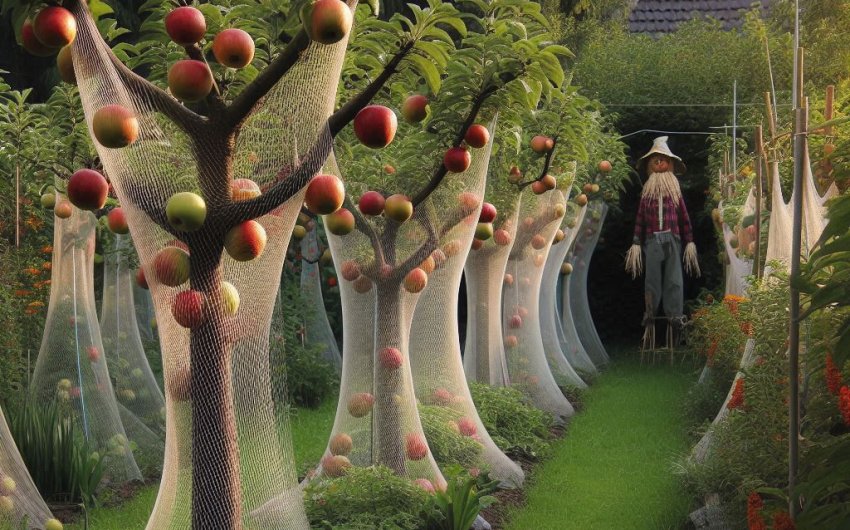
Protecting your fruit trees from birds is a common challenge for many home gardeners and orchardists. While birds can be beneficial in consuming insect pests, their appetite for ripe fruit, especially cherries, berries, and stone fruits, can quickly decimate an entire crop. The good news is that there are many effective and humane ways to deter birds without harming them or resorting to harsh measures. The most reliable methods focus on exclusion, creating physical barriers that prevent birds from reaching the fruit, combined with deterrents that scare them away or make your trees less appealing.
Successful bird protection involves a combination of strategies tailored to the type of fruit tree, the size of your orchard, and the specific bird species causing problems. Early intervention is key; don't wait until birds have discovered your ripening harvest. By implementing preventative measures before the fruit is fully ripe, you can significantly reduce damage and ensure a bountiful, undamaged yield. This guide will explore various techniques, from physical barriers to visual and auditory deterrents, helping you keep your precious fruit safe from hungry feathered friends.
Why do birds eat fruit, and which birds are the biggest culprits?
Birds are drawn to fruit for several compelling reasons, primarily as a valuable food source. Ripe fruit provides essential nutrients, sugars, and water, which are particularly important during breeding season or migration. For many species, fruit is a natural and easily accessible part of their diet.
The types of birds that cause the most significant damage to fruit trees can vary by region, but some common culprits are widely recognized. Robins are notorious fruit eaters, especially fond of cherries and berries. Their strong beaks can quickly peck into ripening fruit, making it unmarketable or leading to spoilage. Starlings are another major problem, often descending in large flocks that can strip a tree of its fruit in a very short time. They are particularly destructive to cherries, grapes, and apples.
Cedar waxwings are also significant fruit predators, known for their love of berries and small stone fruits. They move in flocks and can quickly clear a tree. Jays (such as Blue Jays or Scrub Jays) are opportunistic feeders that will also take fruit, though they might be less of a primary concern than robins or starlings in some areas. Other birds like finches, sparrows, and even mockingbirds can contribute to fruit damage, especially in smaller garden settings.
Understanding which birds are most prevalent in your area and their feeding habits can help you choose the most effective bird deterrents or exclusion methods. For instance, netting might be more crucial for a large flock of starlings than for a few individual robins. Recognizing the "why" behind their behavior helps in devising humane and effective fruit tree protection strategies.
What is bird netting, and how do I install it correctly?
Bird netting is arguably the most effective and widely used method for protecting fruit trees from birds. It works by creating a physical barrier that prevents birds from reaching your ripening fruit. When installed correctly, it's a humane solution that doesn't harm the birds but simply denies them access.
Bird netting is typically made from lightweight, durable, and UV-stabilized polypropylene or nylon. It comes in various mesh sizes, but generally, a mesh small enough to prevent small birds from squeezing through (e.g., 1/2 to 3/4 inch) is best. You can find options like Dalen Gardeneer Bird Netting.
Correct Installation for Fruit Tree Protection:
Timing is Key: Apply netting before the fruit begins to ripen and birds discover it. Once they've tasted your fruit, they'll be much more persistent in trying to get to it. For early-season fruits like cherries, this might mean installing it soon after fruit set. For later fruits like apples, it's when they start to show their ripening color.
Size Matters: Purchase netting large enough to completely cover the entire tree, reaching all the way to the ground. Skimping on size is a common mistake that allows birds to find gaps. Measure the height and widest spread of your tree.
Support Structure (Crucial for trees):
- Small Trees/Bushes: For smaller fruit trees or berry bushes, you might be able to simply drape the netting over, allowing it to rest on the foliage. However, this can still allow birds to peck through the netting if it's directly touching the fruit.
- Larger Trees (Ideal Method): For optimal protection, you want to keep the netting off the fruit and foliage. This requires a simple support structure. You can use PVC pipes, bamboo stakes, or even wooden poles inserted into the ground around the tree, forming a cage-like structure. Tie the tops of the poles together or connect them with crossbeams to create a frame. The netting then drapes over this frame. This prevents birds from landing on the netting and pecking through to the fruit.
Secure the Base: This is the second most critical step. Once the netting is over the tree, gather the bottom edges and secure them tightly to the ground. You can use garden stakes, landscape fabric pins, rocks, or even bury the edges slightly. Any gap at the bottom is an open invitation for birds to walk underneath.
Check for Gaps: After installation, walk around the entire tree and carefully inspect for any holes, tears, or unsecured areas where birds could enter. Repair any damage immediately with zip ties or clips.
Removal: Once harvest is complete, remove the netting, clean it, and store it out of sunlight. This extends its life and prevents it from becoming a hazard to other wildlife or getting tangled in winter winds.
By following these steps, bird netting provides a highly effective and humane barrier, ensuring your delicious fruit remains safe until you're ready to harvest.
Are there alternatives to bird netting for fruit tree protection?
While bird netting is widely considered the most effective method for protecting fruit trees from birds, it's not always practical or desirable for every situation. For those looking for alternatives, a variety of bird deterrents and other strategies can be employed, often in combination, to safeguard your fruit.
One common alternative involves visual deterrents. These items aim to scare birds away by mimicking predators or sudden movements.
- Mylar tape or reflective streamers: These strips of shiny, reflective material flutter in the breeze and catch the sunlight, creating flashes that disorient and deter birds. You can tie them to branches or string them through the tree. While initially effective, birds can become accustomed to them over time, so moving them around occasionally or combining them with other methods is best. You can find rolls of reflective bird deterrent tape.
- Old CDs or aluminum pie plates: Similar to Mylar tape, these reflective objects can be hung from branches to create distracting flashes.
- Predator decoys: Inflatable owls or hawk kites can be placed near fruit trees. For these to be effective, they need to be moved frequently (daily or every few days) to prevent birds from realizing they're not a real threat. A stationary decoy quickly loses its scare factor.
- Scarecrows: Traditional scarecrows can provide some visual deterrence, especially if dressed in bright colors or given moving parts, but their effectiveness is often limited and short-lived unless regularly altered.
Auditory deterrents aim to scare birds with sounds.
- Noise makers: Wind chimes or even radios tuned to talk radio (human voices can sometimes deter) placed in the orchard might offer some limited protection. However, constant noise can be disruptive to neighbors, and birds quickly learn to ignore repetitive sounds.
- Propane cannons: While highly effective in large commercial orchards, these loud devices are usually too disruptive for residential areas and are not a practical solution for most home growers.
Cultural Practices and Sacrificial Plants:
- Harvesting promptly: Picking fruit as soon as it ripens reduces the window of opportunity for birds to cause damage.
- Planting sacrificial crops: If you have space, planting alternative fruits or berries that ripen earlier than your main crop, or that birds prefer, can sometimes draw them away from your more valuable fruit. Mulberries are often cited as a good sacrificial crop for cherries.
- Individual Fruit Protection: For a very small number of fruits, fruit protection bags (small mesh or paper bags tied around individual fruits) can be effective. These are labor-intensive but provide excellent, targeted protection.
While these alternatives can help, they are generally less reliable than netting for comprehensive fruit tree protection, especially against large flocks of persistent birds. Often, a combination of several deterrents works better than relying on just one.
How do scare devices work, and are they effective long-term?
Scare devices for fruit tree protection aim to deter birds by creating a sense of danger or discomfort. These devices primarily fall into two categories: visual deterrents and auditory deterrents. While they can offer immediate relief, their long-term effectiveness is often limited, as birds are intelligent and adaptable creatures who quickly learn what is truly a threat and what is not.
How They Work:
Visual Deterrents: These devices rely on startling birds or mimicking predators.
- Reflective/Shiny Objects: Items like Mylar tape, old CDs, or reflective balloons (often designed to look like predatory eyes) flash in the sunlight and flutter in the wind, creating unpredictable movements and bright light that birds find disorienting and alarming. The idea is to create an environment that feels unsafe or unnatural.
- Predator Decoys: Realistic-looking plastic owls, hawks, or snakes are placed near trees to trick birds into thinking a predator is present. Some decoys even have moving heads or are suspended to flutter like a kite in the wind (owl decoys).
- Scarecrows: The classic scarecrow relies on the human form to intimidate, suggesting human presence and activity.
Auditory Deterrents: These devices use sound to scare birds.
- Noise Makers: Wind chimes, radios, or even more sophisticated devices that emit distress calls of birds or sounds of predators.
- Propane Cannons: Primarily used in large agricultural settings, these devices produce extremely loud blasts at timed intervals to frighten birds away.
Long-Term Effectiveness:
The biggest challenge with most scare devices is habituation. Birds quickly learn to distinguish between a real threat and a harmless object or sound that doesn't actually follow through.
- Visual Deterrents: If a Mylar tape always flashes in the same spot, or an owl decoy never moves, birds will eventually realize there's no danger and resume their feeding. Their effectiveness typically wanes after a few days to a couple of weeks unless actively managed.
- Auditory Deterrents: Similarly, constant or repetitive loud noises become background noise to birds. They learn that the sound isn't accompanied by harm. More advanced auditory systems that randomize sounds or broadcast distress calls might have a slightly longer lifespan of effectiveness but still face habituation.
To improve effectiveness:
- Movement and Variety: The key to prolonging effectiveness is to introduce novelty and unpredictability.
- Move visual deterrents to new locations every few days.
- Change the type of deterrents used (e.g., switch from Mylar tape to an owl decoy).
- Vary the timing and type of auditory deterrents.
- Combine with Other Methods: Scare devices work best when used as part of an integrated approach, especially when combined with physical barriers like bird netting. The netting provides the ultimate protection, while scare devices might deter the initial scouting parties or supplement the protection.
In summary, scare devices are generally a good short-term solution for immediate pest pressure or as a supplemental tool. For consistent and reliable fruit tree protection, especially against determined birds, exclusion methods like netting remain superior.
Can shiny objects or reflective tape deter birds from fruit trees?
Yes, shiny objects and reflective tape are commonly used as visual deterrents to help protect fruit trees from birds. Their effectiveness lies in their ability to create unpredictable flashes of light and movement, which birds perceive as unsettling or threatening.
How they work:
- Light Reflection: The reflective surfaces (like those on Holographic Bird Scare Ribbon or old CDs) catch the sunlight, creating sudden, disorienting flashes. This visual disruption can make birds hesitant to land or feed near the fruit.
- Movement: When tied to branches or strung tautly, the tape or objects flutter and twist in the breeze, adding an element of erratic movement that further spooks birds. This constant, unpredictable motion mimics something potentially alive or dangerous.
- Noise (minor): Some types of reflective tape, particularly those that are wider or stiffer, can also create a rustling or crinkling sound in the wind, adding a minor auditory deterrent.
Types of shiny objects and reflective tape:
- Mylar or Holographic Reflective Tape: This is specifically designed for bird deterrence. It's often a few inches wide and can be tied in strips to branches, or strung across the top of trees and rows. The holographic patterns enhance the light-reflecting qualities.
- Old CDs or DVDs: These can be strung together or individually hung from branches. Their reflective surface creates strong flashes.
- Aluminum Pie Plates or Foil Strips: Similar to CDs, these crinkle and flash, providing a low-cost, readily available option.
- Reflective Balloons or Balls: Some products are designed as large, reflective spheres that can be hung or float above trees, often with "predator eyes" printed on them to enhance the scare factor.
Effectiveness and Limitations:
- Initial Effectiveness: Shiny objects and reflective tape can be quite effective at first, especially when birds are first scouting for food sources. They can deter initial forays and keep smaller, less determined birds away.
- Habituation: The biggest drawback is that birds are intelligent and will eventually become accustomed to these static deterrents if they perceive no actual threat. Once they realize the flashes and movements are harmless, they will simply ignore them and resume feeding. This habituation can occur within a few days to a couple of weeks.
- Partial Coverage: They offer broad deterrence but don't provide the absolute physical barrier of netting. Determined birds can still find ways to peck through or around them if the temptation of ripe fruit is strong enough.
To maximize their effectiveness:
- Combine with Other Methods: Use them in conjunction with other deterrents, especially bird netting, for a multi-layered approach to fruit tree protection.
- Vary Placement: Move the shiny objects or tape to different locations on the tree or in the orchard every few days to prevent birds from getting used to them.
- Increase Density: For stubborn birds, increase the number of reflective elements to create a more overwhelming visual environment.
In summary, shiny objects and reflective tape are good low-cost, initial, or supplemental bird deterrents, particularly useful for smaller orchards or mild bird pressure. However, they are rarely a standalone long-term solution for comprehensive fruit tree protection against persistent bird predation.
Can scarecrows really protect fruit trees from birds?
The image of a scarecrow standing guard in a field is iconic, but when it comes to truly protecting fruit trees from birds, their effectiveness is quite limited, especially in the long term. While they can provide some initial deterrence, birds are intelligent creatures that quickly learn to distinguish between a real threat and a harmless, stationary figure.
How Scarecrows Are Supposed to Work:
A scarecrow's primary mechanism is visual deterrence. It's designed to mimic a human presence, suggesting that a person is actively guarding the crops. Birds, being wary of humans (who are often predators or disruptors of their feeding), might initially avoid the area. Some modern scarecrows are designed with features to enhance their fright factor:
- Movement: Those with arms that flap in the wind or heads that turn can appear more lifelike.
- Reflective Elements: Adding shiny streamers, old CDs, or reflective tape to a scarecrow can incorporate the benefits of visual deterrents discussed earlier, adding flashes of light.
- Realistic Appearance: The more human-like, the better, though birds will still quickly learn.
Limitations and Long-Term Effectiveness:
The main problem with scarecrows for fruit tree protection is habituation.
- Lack of Real Threat: Birds quickly learn that the scarecrow doesn't move, make noise (unless fitted with additional devices), or pose any actual danger. There's no follow-through on the perceived threat.
- Adaptation: Within a few days to a couple of weeks, birds will typically become accustomed to the scarecrow and will resume feeding on your fruit, often perching directly on the scarecrow itself.
- Stationary Nature: A static scarecrow loses its novelty very quickly. Even those with some movement are often too predictable.
How to Potentially Improve Scarecrow Effectiveness (though still limited):
- Frequent Movement: To combat habituation, you would need to move the scarecrow to a different location in the orchard every day or two. This is often impractical for most gardeners.
- Changing Appearance: Altering its clothing or accessories frequently might also help to keep birds guessing.
- Combination with Other Deterrents: Scarecrows might offer a very minor additional layer of deterrence if combined with more effective methods like bird netting or auditory deterrents that are moved or varied frequently. They are best thought of as a part of a multi-faceted integrated pest management approach, rather than a standalone solution.
In conclusion, while a scarecrow can add charm to your garden, it's not a reliable long-term solution for serious fruit tree protection against persistent bird predation. For effective and consistent results, physical barriers like bird netting remain the superior choice.
What is individual fruit bagging, and is it practical for home growers?
Individual fruit bagging is a highly effective, non-chemical method for protecting fruit trees from birds and insect pests. It involves placing small, breathable bags over individual fruits (or small clusters) while they are still young and developing on the tree. This creates a physical barrier directly around each fruit, ensuring it ripens free from damage.
How it Works:
Small bags, usually made of spun-bonded polypropylene (a breathable fabric), specialty paper, or even nylon mesh, are placed over fruits shortly after they have set and reached a small, marble-like size. The bag is then secured around the stem, often with a twist tie, staple, or by simply tying the opening. The material allows for air circulation and sunlight penetration while preventing birds from pecking, and many insects (like apple maggots and codling moths) from laying eggs on the fruit. You can find options like fruit protection bags online.
Benefits of Individual Fruit Bagging:
- Highly Effective Bird Protection: Birds cannot peck through the bags, ensuring pristine fruit.
- Insect Protection: Protects against many common insect pests that lay eggs on developing fruit, such as codling moth larvae, apple maggots, and plum curculio.
- Chemical-Free: No pesticides or repellents are needed.
- Improved Fruit Appearance: Often results in smoother, unblemished fruit skin, as it's protected from minor scrapes, hail, and sunscald.
- Reduced Disease Spread (some cases): Can prevent some insect-vectored diseases or spread of surface mildews.
Practicality for Home Growers:
Individual fruit bagging is definitely practical for home growers, especially for:
- Small Numbers of Trees: If you have just a few fruit trees or even a single tree, bagging can be a manageable task.
- Valuable Fruit: For highly prized varieties or if you want perfectly blemish-free fruit for display or gifting.
- Organically Minded Gardeners: It's a completely organic and humane method.
- Targeted Protection: If only certain branches or sections of your tree are heavily targeted by birds, you can bag just those areas.
Considerations and Drawbacks:
- Labor-Intensive: This is the primary drawback. Bagging hundreds or thousands of fruits on a large tree or in a commercial orchard is extremely time-consuming.
- Cost: While individual bags are inexpensive, the cost can add up for many fruits.
- Timing is Crucial: Bags must be applied early enough to prevent pest egg-laying and bird damage, but after the natural fruit drop.
- Appearance: The bags are visible on the tree, which some gardeners might find aesthetically unpleasing.
Despite being labor-intensive, for a typical backyard fruit tree, individual fruit bagging is a highly effective and satisfying method to ensure a clean, undamaged harvest, making it a valuable tool for fruit tree protection in the home garden.
How can planting sacrificial crops help protect my main fruit trees?
Planting sacrificial crops is a clever and subtle strategy for protecting fruit trees from birds and sometimes even other wildlife. The idea is to deliberately plant alternative food sources that birds prefer, luring them away from your more valuable or desired fruit crops. It's a form of diversionary tactics within an integrated pest management approach.
How it Works:
The effectiveness of sacrificial crops relies on understanding bird preferences and timing. You plant a crop that:
- Is Highly Attractive: The sacrificial crop should be something birds absolutely love and find more appealing than your main fruit crop, at least initially.
- Ripens Earlier or at the Same Time: Crucially, the sacrificial crop needs to ripen either slightly before or concurrently with your main fruit crop. This ensures the birds discover and focus on the alternative food source before your prime fruit becomes irresistible.
Common Sacrificial Crops for Fruit Tree Protection:
- Mulberries: Often cited as an excellent sacrificial crop, especially for protecting cherries. Mulberries ripen earlier than many cherries and are incredibly attractive to a wide range of fruit-eating birds (robins, starlings, cedar waxwings). If you have space, planting a mulberry tree can often take the brunt of bird predation, leaving your cherries untouched.
- Serviceberries (Saskatoon berries): Another early-ripening berry that birds adore. Planting a serviceberry bush near your orchard can draw birds away from other early stone fruits.
- Elderberries: These produce abundant dark berries that many birds enjoy.
- Native Fruiting Shrubs: Research native plants in your area that produce berries or small fruits. These are often well-adapted to your climate and highly attractive to local bird populations, providing a natural diversion.
Benefits of Sacrificial Planting:
- Humane and Non-Lethal: It doesn't harm birds or disrupt their natural behavior patterns, simply redirects them.
- Environmentally Friendly: No chemicals, netting, or constant monitoring of deterrents required. It promotes biodiversity by adding more plants to your landscape.
- Reduces Stress/Damage on Main Crop: By taking the pressure off your primary fruit trees, you can expect a larger, less damaged harvest from them.
- Provides Food for Wildlife: It contributes to the local ecosystem by offering food to birds and other wildlife.
Considerations and Limitations:
- Space Requirements: You need enough space to plant additional trees or shrubs for the sacrificial crop.
- Not a Guarantee: While often effective, it's not foolproof. Extremely high bird pressure or a lack of preferred sacrificial fruit might still lead birds to your main crop.
- Maintenance: Sacrificial plants still require care (watering, occasional pruning).
- Can Attract More Birds: Paradoxically, planting a sacrificial crop might initially attract more birds to your property. The goal is that they stay focused on the sacrificial crop.
For home growers with sufficient space, planting well-chosen sacrificial crops can be a very harmonious and effective long-term strategy in your comprehensive plan for protecting fruit trees from birds.
What role do physical structures play in protecting fruit trees from birds?
Physical structures play a crucial and often highly effective role in protecting fruit trees from birds, particularly when combined with netting. Unlike visual or auditory deterrents that rely on scaring birds away (which they often get used to), physical structures create tangible barriers that physically prevent birds from reaching the fruit. This makes them a cornerstone of reliable, long-term fruit tree protection.
The most common and effective physical structure is a netting support system or fruit cage.
Netting Support Frames/Cages:
- Purpose: These structures are designed to hold bird netting off the fruit and branches. When netting rests directly on the fruit, birds can still land on the netting and peck through the mesh, damaging the fruit. A frame ensures there's a space between the netting and the fruit, making it impossible for birds to reach.
- Materials: Common materials for building these frames include:
- PVC Pipe: Lightweight, relatively inexpensive, easy to cut and assemble using standard PVC connectors. You can build simple square or dome-shaped frames over individual trees or rows.
- Metal Conduit (EMT): More durable and robust than PVC, suitable for larger or more permanent structures. Requires special bending tools but can withstand harsh weather.
- Wood Stakes/Lumber: Can be used to build sturdy, traditional frames. May require more carpentry skills.
- Fiberglass Rods: Flexible and lightweight, often used for hoop houses, these can create arched supports over rows of fruit bushes or smaller trees.
- Design: For individual trees, a simple cage can be built around the tree, extending taller than the mature tree height. For rows, a tunnel-like structure or hoop house can cover multiple trees. The netting is then draped over this frame and secured firmly to the ground. You might consider a walk-in design for easy access to harvest.
Individual Tree Covers:
- For smaller or dwarf fruit trees, pre-fabricated fruit tree covers are available. These are often made of fine mesh and have a drawstring bottom to secure around the trunk. They act like a large "bag" for the entire tree. While convenient, ensure they don't rest too heavily on the fruit.
Greenhouses or High Tunnels:
- For serious growers or those in challenging climates, growing fruit trees within a fully enclosed greenhouse or high tunnel offers the ultimate physical exclusion. These structures provide complete protection from birds (and many other pests), as well as climate control. This is a significant investment but highly effective.
Benefits of Physical Structures:
- Most Reliable: When properly installed, they provide almost 100% reliable bird protection.
- Humane: They don't harm birds.
- Long-Lasting (if well-built): Durable materials can last for many seasons.
- Versatile: Can protect against other pests like squirrels or deer if the mesh is small enough and the structure is robust.
Considerations:
- Cost and Labor: Building robust physical structures can require an initial investment of time and money.
- Aesthetics: Some growers may find large netted structures less appealing than an open orchard.
- Access for Harvest/Pruning: Design the structure to allow easy access for tree maintenance and harvesting. Zippers or removable sections can be helpful.
By investing in sturdy physical structures to support your bird netting, you create an impenetrable barrier that offers the most effective and consistent method for protecting your fruit trees from birds, ensuring a successful harvest.
Can ripening fruit color influence bird damage?
Yes, the color of ripening fruit can significantly influence the likelihood and severity of bird damage to your fruit trees. Birds primarily rely on their vision to locate food, and the visual cues of ripening fruit, especially the change in color, act as a strong signal that the fruit is ready to eat and full of appealing sugars.
Here's how fruit color plays a role:
Attraction to Bright Colors: Many fruit-eating birds are strongly attracted to bright, contrasting colors, particularly red, blue, purple, and black. These colors often indicate ripeness and high sugar content in many fruits. For example:
- Cherries: As cherries turn from green to bright red or dark purple, they become highly visible and irresistible to birds like robins and starlings. This is why cherries are often one of the first fruits to suffer severe bird damage.
- Red Apples: Apples that develop a strong red blush are generally more attractive to birds than green or yellow varieties.
- Blueberries and Blackberries: The deep blue and black colors of these berries are a major draw for birds.
Visual Cue of Readiness: Birds have evolved to recognize these color changes as a sign that the fruit is palatable and nutritious. They will often start sampling fruit as it just begins to turn color, even before it's fully ripe, potentially causing damage that leads to spoilage or secondary pest infestations.
Camouflage (Lack Thereof): As fruit ripens and stands out against the green foliage, it becomes an easy target. Green fruit, by contrast, blends in with the leaves, making it less obvious to foraging birds.
Implications for Fruit Tree Protection:
Understanding the role of color can help you strategize your bird deterrents:
- Timely Application of Netting: Because color is such a strong attractant, it's crucial to deploy your bird netting before the fruit shows significant color change. If you wait until your apples are bright red or your cherries are dark crimson, birds will likely have already discovered them, making them much harder to deter. For instance, putting up the cherry tree netting when the fruit is still green or just starting to blush is ideal.
- Deterrents Before Ripeness: If using visual deterrents like reflective tape or scare devices, introduce them as the fruit begins its color transition. This helps deter birds before they become accustomed to finding food in that spot.
- Harvesting Promptly: As fruit reaches peak ripeness and color, harvest it as quickly as possible. The longer ripe fruit remains on the tree, the greater the window of opportunity for bird damage.
- Consider Green Varieties: If you are growing fruit primarily for personal consumption and bird pressure is extreme, you might consider some green or yellow apple varieties ('Granny Smith', 'Golden Delicious') which might be slightly less attractive than brightly colored red varieties, though this is not a guarantee of protection.
In essence, the vibrant colors of ripening fruit are a beacon for hungry birds. Being proactive with your fruit tree protection methods, especially netting, before these visual signals become too strong, is a key factor in securing your harvest.
How do visual bird deterrents work, and do they last?
Visual bird deterrents are tools designed to scare birds away from fruit trees by making them perceive a threat or an undesirable environment. They work by exploiting birds' natural instincts to avoid danger or novel stimuli. However, their long-term effectiveness is often limited by a phenomenon called habituation.
How Visual Deterrents Work:
Mimicking Predators: Many visual deterrents aim to resemble natural predators of birds, such as owls, hawks, or snakes. Examples include:
- Plastic Owl Decoys: Often placed on a pole or branch, sometimes with rotating heads, to suggest a lurking predator.
- Hawk Kites: Kites designed to look like soaring raptors, flown above the orchard to mimic airborne threats.
- Inflatable Snakes: Placed strategically on branches to startle birds. The idea is that birds see these shapes and avoid the area instinctively.
Disorientation and Startle Effect: Other visual deterrents focus on creating unpredictable or unpleasant sensory input:
- Reflective Mylar Tape/Ribbon: These shiny strips flutter in the wind and reflect sunlight, creating dazzling flashes that disorient and irritate birds. The movement and light suggest instability or danger. (reflective tape)
- Hanging CDs/DVDs: Similar to Mylar tape, these provide strong reflective flashes.
- "Eye Spot" Balloons: Large, colorful balloons with prominent eye patterns printed on them, designed to mimic the eyes of a predator.
Mimicking Human Presence: Scarecrows fall into this category. They aim to suggest human activity, which most wild birds try to avoid.
Do They Last? (The Problem of Habituation):
The effectiveness of most visual deterrents is temporary. Birds are remarkably intelligent and quick learners. They will eventually realize that a stationary owl decoy never moves, an Mylar tape always flutters in the same predictable way, or a scarecrow doesn't actually pose a threat. This process is called habituation.
- Short-Term Success: Visual deterrents are often very effective for the first few days or a week. They can successfully deter initial foraging attempts by birds.
- Waning Effectiveness: Once birds learn that the perceived threat is harmless, they will start to ignore the deterrent. This can happen surprisingly quickly, sometimes within days. They'll often be seen perching on the very deterrents meant to scare them!
Strategies to Improve Longevity (but still not foolproof):
- Frequent Movement: The single most important factor. Move decoys, tapes, or balloons to new locations every 2-3 days. This prevents birds from getting used to a static threat.
- Vary Types: Don't just use one type of deterrent. Rotate between different visual deterrents or combine them with auditory deterrents for a more unpredictable and multi-sensory attack.
- Combine with Physical Barriers: Visual deterrents work best as part of an integrated strategy for fruit tree protection, supplementing the primary and most reliable method: physical exclusion via bird netting. The visual deterrents might keep some birds away, reducing pressure on the netting, but the netting itself is the ultimate safeguard.
In conclusion, visual bird deterrents are useful for initial deterrence or as a supplementary tool in your fruit tree protection arsenal. However, they are generally not effective long-term solutions on their own due to bird habituation, and should not be relied upon as the sole method for serious crop protection.
How can I use auditory deterrents safely and effectively?
Auditory deterrents for protecting fruit trees from birds involve using sounds to scare them away. While they can be effective for short periods, their safe and effective long-term use requires careful consideration to avoid disturbing neighbors and prevent birds from becoming habituated.
How Auditory Deterrents Work:
Auditory deterrents leverage birds' instincts to avoid sounds associated with danger or distress. These sounds can include:
- Predator Calls: Sounds of hawks, owls, or other birds of prey.
- Distress Calls: Calls made by birds when they are in danger or caught by a predator. Hearing these can make other birds think the area is unsafe.
- Hazing Sounds: Loud, sudden, or irritating noises that startle birds. This can range from wind chimes to propane cannons.
- Human Voices/Radio: Some anecdotal evidence suggests that talk radio can deter birds due to the presence of human voices, but this is less reliable.
Types of Auditory Deterrents:
- Wind Chimes: Gentle and aesthetically pleasing, but generally too subtle for serious bird problems. Birds quickly ignore them.
- Alarm Clock/Timers with Noise: Small radios or alarms set to go off at random intervals might provide some temporary startling.
- Sonic/Ultrasonic Devices: Devices that emit high-frequency sounds. Ultrasonic devices (above human hearing) are generally ineffective because birds can't hear in the ultrasonic range. Sonic devices (audible to humans) are essentially noise makers. Many consumer-grade devices are limited in range and effectiveness.
- Recordings/Bird Distress Call Playbacks: More sophisticated systems that play recordings of predator calls or actual bird distress calls. The best ones randomize the calls and intervals to prevent habituation. You can find bird repeller sound devices.
- Propane Cannons: These are the most powerful auditory deterrents, producing extremely loud explosions at timed intervals. They are highly effective for large commercial orchards but are generally unsuitable for residential areas due to the significant noise pollution.
Safe and Effective Use:
Consider Neighbors: This is paramount. Loud or constant auditory deterrents, especially sonic ones, can be a major nuisance to neighbors. Always check local ordinances regarding noise levels and times. For home gardens, quieter, less intrusive options are usually preferred, or only used for very short, targeted periods.
Prevent Habituation: This is the biggest challenge.
- Randomization: Birds quickly get used to predictable sounds. Choose devices that can randomize the type, intensity, and interval of sounds. Don't play the same sound at the same time every day.
- Intermittent Use: Don't leave the device on 24/7. Turn it off for periods and then back on.
- Combine with Visuals: Auditory deterrents are much more effective when combined with visual deterrents (like moving Mylar tape or a regularly repositioned owl decoy). When a bird sees a flash and hears a startling sound, the message of danger is reinforced.
Target Species: Some calls are specific to certain bird species. Research which birds are problematic in your area and if there are specific distress calls effective for them.
Placement: Position speakers or devices strategically so the sound carries effectively through the orchard but doesn't spill unnecessarily into neighboring properties.
Ethical Considerations: Ensure the methods do not harm the birds. The goal is deterrence, not injury.
While auditory deterrents can be part of an integrated bird management strategy, especially for initial deterrence or to supplement physical barriers, they are rarely a standalone, long-term solution for fruit tree protection in a residential setting due to habituation and potential noise complaints. Physical barriers like netting remain the most reliable choice.
What is reflective bird tape, and how long does its effect last?
Reflective bird tape, also commonly known as Mylar tape, holographic bird scare tape, or flash tape, is a widely used visual deterrent designed to scare birds away from areas like fruit trees. It's a non-toxic, inexpensive, and relatively easy-to-use option for fruit tree protection.
How it Works:
Reflective bird tape is typically made from metallicized polyester film. Its effectiveness stems from a combination of two key sensory inputs:
- Light Reflection (Flash): The highly reflective surface of the tape catches sunlight, creating bright, unpredictable flashes as it moves. These sudden bursts of light are disorienting and startling to birds, making the area appear unsettling or dangerous. Holographic versions enhance this effect with rainbow-like shimmering.
- Movement (Flutter): When strung tautly or hung in strips from branches, the lightweight tape flutters, twists, and rustles even in a slight breeze. This erratic motion gives the impression of unpredictable activity, which birds instinctively avoid.
- Sound (Minor): In stronger winds, the tape can also produce a soft, crinkling or humming sound, adding a minor auditory deterrent.
Application:
- Strips: Cut the tape into 2-3 foot long strips and tie them to branches throughout the tree, especially concentrating them near the ripening fruit.
- Strung Lines: For more comprehensive coverage, string taut lines of tape above rows of trees or over the canopy. This creates a shimmering "ceiling" that birds may be reluctant to fly under.
How Long Does Its Effect Last? (The Habituation Factor):
The primary limitation of reflective bird tape is its temporary effectiveness due to habituation.
- Initial Success: The tape is often quite effective when first installed. Birds, being naturally wary of new, unpredictable stimuli, will typically avoid the area. You might see a significant reduction in bird damage for the first few days to a week.
- Rapid Decline: Unfortunately, birds are intelligent and highly adaptable. If the flashing tape doesn't present any actual danger (i.e., no predator attacks or actual harm), they quickly learn that it's just a harmless visual and auditory disturbance. Once they habituate, they will largely ignore the tape and resume feeding on the fruit. This process can happen rapidly, sometimes within 5 to 10 days.
To Extend (but not eliminate) Effectiveness:
- Movement is Key: The most crucial strategy is to move the tape frequently. Change its location on the tree, or re-string it in a different pattern every few days. This keeps the stimulus novel and unpredictable.
- Combine with Other Deterrents: Use reflective tape as part of an integrated pest management (IPM) strategy. It works best when combined with other deterrents, especially physical barriers like bird netting, which provide the ultimate protection. For example, tape might deter scouting birds, while netting prevents actual access to the fruit.
- Use in Conjunction with Sound: Pairing reflective tape with an auditory deterrent (especially one with randomized sounds) can enhance the scare factor.
In summary, reflective bird tape is a good, low-cost short-term deterrent for fruit tree protection, particularly effective for initial deterrence or for low bird pressure. However, it is not a long-term standalone solution for serious bird problems and should be rotated or combined with more robust methods like netting to achieve sustained protection for your valuable fruit harvest. You can find rolls of reflective bird scare ribbon online.
What is the role of habitat modification in reducing bird damage to fruit trees?
Habitat modification is a long-term, ecological approach to protecting fruit trees from birds that focuses on altering the surrounding environment to make your orchard less appealing or accessible to problematic bird species, while potentially encouraging beneficial ones. It's a preventative strategy that works by addressing the reasons birds are attracted to your property in the first place, rather than just trying to scare them away.
Here's how habitat modification plays a role:
Remove Attractants:
- Access to Water: Birds need water. If you have readily available birdbaths, leaky faucets, or standing water near your fruit trees, these can attract and retain bird populations. Consider removing or relocating these water sources if they are directly contributing to fruit damage.
- Alternative Food Sources (Undesired): While sacrificial crops (planted intentionally to divert birds) are beneficial, ensuring you're not inadvertently providing other highly attractive, undesirable food sources nearby is important. This could be things like unharvested berries from ornamental shrubs that ripen just before your fruit, or overflowing bird feeders during ripening season.
- Roosting/Nesting Sites: Dense, overgrown shrubs or old, unused outbuildings near your orchard might provide ideal roosting or nesting sites for species that then prey on your fruit. Judicious pruning or removal of these non-essential structures can make the area less hospitable.
Make the Area Less Inviting/More Exposed:
- Reduce Perching Opportunities: Birds often perch on nearby branches or structures before swooping down on fruit. Pruning back overhanging branches from adjacent trees or structures that provide easy access to your fruit trees can make it harder for birds to launch their attacks.
- Maintain Open Spaces: Keeping the area immediately around your fruit trees clear of dense undergrowth or tall weeds can make birds feel more exposed, which they generally dislike when foraging. This also helps with orchard sanitation.
Encourage Predators (with caution):
- Owl Boxes/Hawk Perches: While controversial, providing nesting boxes for predatory birds (owls, kestrels) or erecting tall perches for hawks can sometimes attract natural predators that might deter fruit-eating birds. However, this is a long-term and uncertain strategy, as predatory birds have diverse diets and might not focus exclusively on the problematic fruit-eaters. It can also bring unintended consequences.
Strategic Planting (as discussed in sacrificial crops and beneficial insects):
- Sacrificial Crops: As detailed earlier, planting highly attractive alternative food sources like mulberries or serviceberries that ripen before or with your main fruit can divert bird attention.
- Beneficial Insectary Plants: While not directly for bird deterrence, promoting biodiversity by planting flowering plants that attract beneficial insects can create a healthier ecosystem where trees are more resilient, and some bird species might focus more on insects than fruit.
Considerations:
- Long-Term Strategy: Habitat modification is not a quick fix. Its effects are often gradual and long-term.
- Balance: It's crucial to balance bird deterrence with the overall health of your garden ecosystem. You want to deter problematic birds without harming beneficial species or disrupting natural processes.
- Complementary to Exclusion: Habitat modification often works best as a complementary strategy to direct exclusion methods like bird netting, especially for severe bird pressure. It creates a less attractive environment, while netting provides the ultimate physical barrier for fruit tree protection.
By thoughtfully modifying the habitat around your fruit trees, you can create an environment that naturally discourages bird damage, contributing to a more sustainable and harmonious approach to fruit tree protection.