
Caterpillar Crisis: Managing Damage from Hungry Larvae
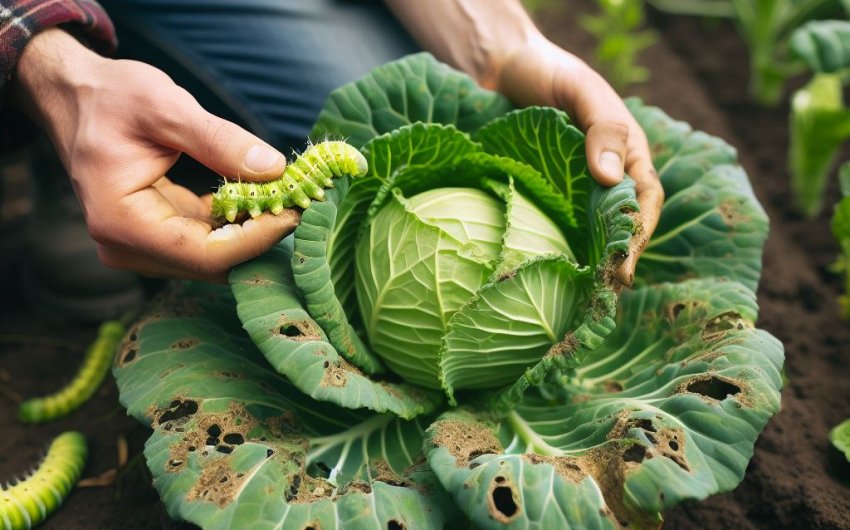
There's nothing quite as satisfying as watching your garden flourish, its leaves vibrant and its blooms abundant. Then, seemingly overnight, you spot the tell-tale signs: ragged holes in leaves, chewed-up edges, or even entire sections of foliage mysteriously vanishing. The culprit is often a caterpillar, the larval stage of moths and butterflies. While some caterpillars transform into beautiful pollinators we cherish, others are simply voracious eaters, capable of causing significant damage to beloved plants, from prized roses to productive vegetable crops. Their seemingly insatiable appetite can quickly turn a thriving garden into a battleground against hungry munchers.
Managing a caterpillar crisis requires a balanced approach, one that respects the role of these creatures in the ecosystem while protecting your plants from severe harm. It’s about more than just eliminating pests; it’s about understanding their life cycles, identifying the specific species, and choosing eco-friendly caterpillar control methods that prioritize the health of your garden and the wider environment. By adopting a watchful eye and employing smart strategies, you can minimize damage from these hungry larvae and maintain a beautiful, healthy garden without resorting to harsh chemicals.
Why Are Caterpillars Such a Problem in Gardens?
While some caterpillars are beneficial (like those that become butterflies), many are considered pests due to their ravenous feeding habits during their larval stage.
What Makes Caterpillars So Destructive?
- Voracious Appetites: Caterpillars are literally eating machines. Their sole purpose in this stage of their life cycle is to eat and grow, building up energy reserves for their transformation into a moth or butterfly. They can consume several times their body weight in plant material daily.
- Rapid Growth: They grow incredibly fast, molting several times. As they get larger, their appetite increases exponentially, meaning a small infestation can quickly escalate into significant damage.
- Diverse Diets: While some caterpillars are very specific in what they eat (e.g., Monarch caterpillars only eat milkweed), others are generalists and will feed on a wide variety of plants, making them a threat to many garden species.
- Stealth: They can be surprisingly good at blending in or hiding on the undersides of leaves, making their presence hard to detect until damage is already visible. Some species mimic twigs or leaves.
What are the Common Types of Damage Caused by Caterpillars?
The type of damage often gives clues about the caterpillar at work.
- Chewed Leaves and Holes: The most common sign. You'll see irregular holes chewed through the leaves, or ragged edges.
- Skeletonization: Some caterpillars eat only the soft tissue of the leaf, leaving behind a network of veins, making the leaf look like a skeleton.
- Defoliation: In severe infestations, caterpillars can completely strip a plant of its leaves, leaving only bare stems. This can severely weaken or even kill plants, especially young ones.
- Frass (Excrement): Small, dark pellets (caterpillar droppings) often found on leaves below where they are feeding. This is a key indicator of their presence.
- Webs or Tents: Some species (like tent caterpillars or fall webworms) spin silken webs or tents around branches, where they live and feed collectively.
- Tunnels in Fruits/Vegetables: Some caterpillars (e.g., codling moth larvae in apples, corn earworms in corn) burrow into fruits or vegetables, making them inedible.
What is a "Crisis" Level of Caterpillar Damage?
A few holes in a leaf are normal and part of a healthy ecosystem. A caterpillar crisis is when:
- Widespread Damage: Damage is evident on a significant portion of your plants, not just a few leaves.
- Rapid Defoliation: Plants are losing leaves quickly, and you can see many caterpillars.
- Threat to Plant Health/Yield: The level of damage threatens the plant's ability to photosynthesize and grow, or significantly reduces your harvest.
- Unacceptable Aesthetics: The damage makes your plants look unsightly beyond your tolerance.
It's important to accept some level of insect feeding as natural. Only intervene when damage truly becomes problematic.
How Do I Identify Common Pest Caterpillars?
Accurate identification is the first step to effective and eco-friendly caterpillar control, as different species respond to different methods.
What are Cabbage Worms and Their Signs?
- Appearance: The larvae of the Cabbage White butterfly. Caterpillars are velvety green, about 1 inch long, blending in well with brassica leaves.
- Damage: Chew ragged holes in leaves of cabbage, broccoli, kale, collards, and other plants in the brassica family. Can tunnel into heads.
- Look For: Green caterpillars on the undersides of leaves. White butterflies fluttering around your cabbage plants.
- Control: Hand-picking. Use Bt (Bacillus thuringiensis) spray. Cover plants with row covers.
How Do I Identify Tomato Hornworms?
- Appearance: Large (up to 4 inches long!), bright green caterpillars with white V-shaped markings on their sides and a distinctive "horn" at their rear. They are the larvae of a Sphingid moth (often called a hummingbird moth).
- Damage: Voracious eaters that can defoliate a tomato plant (or pepper, potato, eggplant) overnight. Often found on upper leaves and stems.
- Look For: Missing leaves, large black frass pellets on leaves below, and the large caterpillar itself (they blend in remarkably well despite their size).
- Control: Hand-picking (drop into soapy water). Look for hornworms with white rice-like capsules on their backs – these are cocoons of parasitic braconid wasps; leave these caterpillars to allow the wasps to complete their life cycle. A UV light for hornworm detection can help spot them at night.
What are Tent Caterpillars and Fall Webworms?
These are social caterpillars that build noticeable silk webs.
- Tent Caterpillars: Build dense, silken "tents" in the crotches of tree branches, often in spring. They leave the tent to feed on leaves, returning to shelter.
- Fall Webworms: Build large, unsightly webs that enclose entire branches, usually in late summer/early fall. They feed within the web.
- Damage: Defoliation of affected branches. Can be severe on young trees.
- Look For: The prominent silken webs.
- Control: Prune out and destroy small tents/webs when first noticed. For larger ones, a strong spray of water can break them apart. Bt can be effective on young larvae. Encourage birds. A pruning pole can reach high branches.
How Do I Spot Cutworms?
- Appearance: Grayish-brown caterpillars that curl into a tight "C" shape when disturbed. They hide in the soil during the day.
- Damage: They chew through the stems of young seedlings at or just below the soil line, causing the plant to fall over ("cut" off).
- Look For: Fallen seedlings, and a C-shaped caterpillar near the base of the damaged plant when you dig slightly.
- Control: Use cardboard collars around seedling stems when planting. Remove weeds where they might hide. Introduce beneficial nematodes that target soil pests.
What are Webworms and Bagworms on Trees?
- Webworms (different from Fall Webworms): Some species create small, individual webs on leaves or twigs.
- Bagworms: Build distinctive spindle-shaped bags from silk and plant debris, often hanging from evergreens. The larvae live and feed inside the bag.
- Damage: Defoliation, often severe on evergreens if unchecked.
- Look For: Webbing or the characteristic bags.
- Control: Hand-pick bags in fall/winter before eggs hatch (for bagworms). Prune out small webworm infestations. Bt can be effective on young larvae when they are feeding outside their bags (for bagworms) or when webs are small.
What Are Eco-Friendly Strategies for Caterpillar Control?
Embracing an eco-friendly approach means focusing on prevention, natural predators, and targeted treatments.
What is Hand-Picking and How is it Effective?
- Direct Removal: This is the most immediate and effective eco-friendly caterpillar control method for smaller infestations or larger caterpillars (like hornworms).
- How to Do It: Put on gardening gloves. Carefully inspect your plants, especially the undersides of leaves and along stems. Pick off caterpillars and drop them into a bucket of soapy water.
- Best Time: Early morning or evening when caterpillars are most active.
- Benefits: No chemicals, instant results, and allows you to preserve beneficial insects. You'll also spot damage early.
How Can I Encourage Natural Predators?
This is a cornerstone of biological pest control. A diverse garden attracts creatures that naturally feed on caterpillars.
- Birds: Many bird species (chickadees, warblers, wrens) are voracious insect eaters, including caterpillars. Provide bird feeders, bird baths, and dense shrubbery for shelter. A squirrel-proof bird feeder can encourage their presence.
- Beneficial Insects:
- Parasitic Wasps: Tiny wasps (many are too small to sting humans) lay their eggs inside or on caterpillars. The wasp larvae then consume the caterpillar. Look for hornworms with white rice-like cocoons – these are parasitic wasp pupae; leave these caterpillars alone!
- Predatory Wasps (e.g., Paper Wasps): Catch and paralyze caterpillars to feed to their young.
- Spiders: Generalist predators that catch various insects, including caterpillars.
- Ground Beetles: Nocturnal predators that hunt caterpillars and other pests on the soil surface.
- Attract Them: Plant a diverse range of nectar-rich flowers (especially those with small, accessible flowers like dill, fennel, yarrow, sweet alyssum) to attract beneficial insects. Avoid broad-spectrum pesticides that kill them.
What is Bacillus thuringiensis (Bt)?
Bacillus thuringiensis (Bt) is a powerful organic caterpillar control option.
- What it Is: A naturally occurring soil bacterium.
- How it Works: When a caterpillar eats plant material sprayed with Bt, the bacteria produce toxins that disrupt the caterpillar's digestive system, causing it to stop feeding and die within a few days.
- Specificity: This is its greatest advantage. Different strains of Bt are specific to different groups of insects. For caterpillars, use Bt kurstaki (BtK). It is generally harmless to humans, pets, beneficial insects (like bees, ladybugs), and other wildlife because it only affects caterpillars that ingest it.
- Application: Mix with water and spray onto the foliage that caterpillars are feeding on. Reapply after rain.
- Best Use: Most effective on young, actively feeding caterpillars. Less effective on large, mature caterpillars. A bottle of Bt liquid concentrate is a good addition to an organic gardener's toolkit.
How Do I Use Row Covers and Other Physical Barriers?
Physical barriers are excellent for preventing moths and butterflies from laying eggs on your plants.
- Floating Row Covers: Lightweight, spun-bound fabrics that are draped over plants and secured at the edges. They allow light and water through but create a physical barrier against flying insects. Perfect for protecting brassicas from cabbage white butterflies. A roll of garden row cover is very versatile.
- Plant Collars: For cutworms, place cardboard or plastic collars (e.g., from toilet paper rolls) around the stems of young seedlings, extending a couple of inches into the soil and a couple of inches above.
- Hand-Picking Eggs: For some large moths or butterflies, you can visually inspect the undersides of leaves for eggs and simply scrape them off or crush them before they hatch.
What Are Preventative Measures for Caterpillar Outbreaks?
A healthy garden is your best defense against significant caterpillar damage.
How Does Maintaining Plant Health Help?
- Strong Plants Resist: Healthy, vigorous plants with robust root systems are better able to withstand minor pest damage and recover more quickly.
- Proper Watering: Avoid both overwatering and underwatering. Stressed plants are more attractive to pests.
- Nutrient Balance: Ensure your plants receive balanced nutrition, primarily through healthy soil rich in organic matter. Avoid excessive nitrogen, which can lead to lush, tender growth that caterpillars love. Use organic plant food to maintain balance.
- Good Air Circulation: Prune plants to improve air circulation, reducing stress and making them less hospitable to some pests.
What Role Does Garden Sanitation Play?
- Remove Debris: Clear away fallen leaves and plant debris in the fall. Many insects, including some moths, overwinter as pupae or eggs in garden litter.
- Weed Control: Keep weeds under control. Weeds can serve as alternative host plants or hiding spots for pests.
- Prompt Removal of Infected Plants: If a plant is heavily infested and beyond saving, remove and dispose of it (don't compost) to prevent pests from spreading to other plants.
Why Plant Diversity is Important?
A monoculture (a garden with only one type of plant) is a giant buffet for a specific pest.
- Confuses Pests: Diverse plantings make it harder for pests to find their preferred host plants, as their scent signals are diffused among many different odors.
- Attracts Beneficials: A wide variety of flowering plants attracts a broader range of beneficial insects (both predators and pollinators), creating a more balanced and resilient ecosystem where pest outbreaks are less likely.
- Resilience: If one plant species is heavily hit by pests, a diverse garden ensures your entire harvest isn't wiped out. Consider a pollinator-friendly garden seed collection.
What is the Importance of Regular Monitoring?
- Early Detection: Regular inspection is key to catching a caterpillar problem when it's small and manageable. Don't wait until you see significant damage.
- Daily Check: Make it a habit to walk through your garden daily, looking closely at the leaves (especially undersides), stems, and fruit.
- Look for Frass: Small black pellets of frass are often the first sign of hidden caterpillars.
- Act Fast: Once you detect a problem, take action immediately to prevent it from escalating. A gardener's magnifying glass can help spot tiny pests.
What Are Common Misconceptions About Caterpillars?
Understanding caterpillars helps you manage them without unnecessary fear or harm.
Are All Caterpillars Bad?
No, absolutely not! This is a crucial point for eco-friendly gardeners.
- Butterfly Larvae: Many caterpillars are the larval stage of beautiful and beneficial butterflies that are crucial pollinators. For example, Monarch caterpillars on milkweed, or Black Swallowtail caterpillars on dill/parsley.
- Ecosystem Role: Caterpillars are also an important food source for many birds and other wildlife.
- Distinguish: Learn to distinguish between pest caterpillars and those that will become beneficial butterflies. A butterfly identification guide for your region can help.
- Tolerate Some Damage: If you want a butterfly garden, you must accept some level of leaf chewing on your host plants. This is a small price to pay for the beauty of adult butterflies.
Will Caterpillars Always Kill My Plants?
No, not usually.
- Defoliation vs. Death: While severe defoliation can weaken a plant and reduce its yield, it doesn't always kill it, especially for mature, healthy plants. They can often regrow leaves.
- Timing of Damage: Damage earlier in the season (when plants are young) or repeated defoliation can be more detrimental.
- Targeted Treatment: Focus on managing populations to prevent severe defoliation, rather than aiming for complete eradication. The goal is to protect your plants and harvest, not to kill every single caterpillar.
Is Bt Safe for All Caterpillars?
BtK (Bacillus thuringiensis kurstaki) is safe for humans, pets, and beneficial insects that are not caterpillars.
- Targets Lepidoptera Larvae: BtK is specifically effective against the larvae of Lepidoptera (moths and butterflies). This means it will also kill the caterpillars of desirable butterflies (like Monarchs).
- Use with Caution: If you use BtK, apply it very carefully only to the affected plants, and ideally, avoid spraying host plants for desirable butterflies (like milkweed). The beauty of Bt is its specificity, but that also means it will harm all target species.
- Not Effective on Non-Caterpillars: BtK will not harm beetles, aphids, mites, or other non-caterpillar pests. You need a different solution for those.