
Deer Dilemma: Protecting Your Plants from Browsing Wildlife
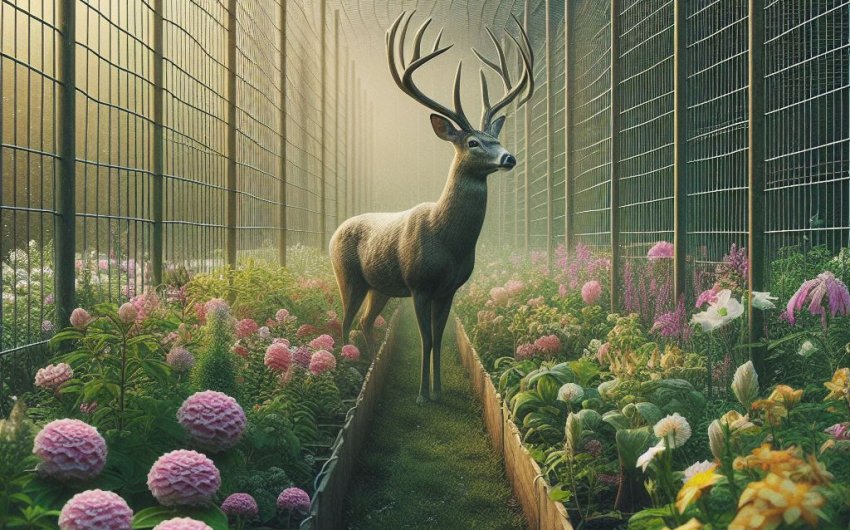
Few experiences are as disheartening for a gardener as waking up to find their cherished plants mysteriously defoliated, tender shoots nipped off, or entire crops disappearing overnight. While many culprits can cause such damage, in suburban and rural areas, the primary architect of this devastation is often the graceful yet voracious deer. These browsing animals, driven by hunger, can turn a thriving garden into a barren landscape in a single night, creating a true deer dilemma for homeowners and horticulturists alike.
Protecting your plants from the relentless browsing of deer requires a strategic and often multi-faceted approach. It's not about outright exclusion, but about making your garden less appealing than the surrounding natural areas, employing clever deterrents, and choosing plants that deer find less palatable. This comprehensive guide will delve into the challenges posed by deer, provide actionable tips for identification, and explore a range of effective methods to safeguard your beloved greenery. Let's learn how to co-exist with wildlife while ensuring your garden remains a haven of uninterrupted growth and beauty.
Why Are Deer a Problem for Gardeners?
How Do Deer Damage Plants?
Deer cause significant damage to plants primarily through their browsing habits and, less commonly, by rubbing their antlers.
- Browsing (Eating): This is the most common form of damage. Deer are herbivores and will eat a wide variety of plants, from tender new shoots and leaves to flowers, fruits, and even bark, especially during times of food scarcity (winter, drought).
- Ragged Edges: Unlike clean cuts left by rabbits or pruning shears, deer lack upper incisors. They bite and tear plant material, leaving ragged, torn edges on stems and leaves.
- Height of Damage: Deer typically browse from ground level up to about 5-6 feet high, which is their reach. Look for damage within this height range.
- Favorite Targets: They are particularly fond of tender, new growth on annuals, perennials, young shrubs, and vegetable crops.
- Antler Rubbing: Male deer (bucks) will rub their antlers against young trees and shrubs, particularly in late summer and fall, to remove velvet or mark their territory.
- Signs: Stripped bark, frayed wood, or broken branches, usually on trunks or larger stems 1-4 inches in diameter. This can girdle a young tree (remove all the bark around the trunk), causing its death.
- Trampling: Large herds of deer can also physically trample plants, especially in smaller garden beds, simply by walking through them.
The type and height of the damage are key clues to identifying deer as the culprit.
What Makes a Garden Attractive to Deer?
A garden can become highly attractive to deer if it offers easily accessible and palatable food sources, especially when natural foraging options are scarce.
- Abundant Food Source: A garden full of tender, well-fertilized, and juicy plants is a veritable buffet compared to tougher, wild forage. Deer prefer young, succulent growth.
- Lack of Predators/Sense of Safety: In suburban areas, deer often feel safer from natural predators (wolves, cougars) than in wilder settings. A quiet backyard with dense shrubbery for cover can become a perceived safe haven.
- Easy Access: An unfenced garden or one with easily breached barriers provides an open invitation.
- Drought Conditions: During periods of drought, when natural vegetation is dry and less appealing, irrigated garden plants become exceptionally attractive.
- Specific Plant Preferences: Deer have a notorious sweet tooth for certain plants, including hostas, daylilies, most roses, impatiens, tulips, peas, beans, and many fruit-bearing plants.
Understanding what draws deer in helps you design a less appealing garden.
Are There Different Types of Deer That Cause Garden Damage?
Yes, while the term "deer" is often used broadly, the specific types of deer that cause garden damage vary by region, with White-tailed deer being the most common culprit in North America.
- White-tailed Deer (Odocoileus virginianus):
- Range: Most common and widespread deer species in North America (eastern and central US, parts of Canada).
- Impact: Responsible for the vast majority of deer damage to gardens in these regions due to their high populations, adaptability to suburban environments, and prolific browsing habits.
- Mule Deer (Odocoileus hemionus):
- Range: Western North America.
- Impact: Also a significant browser of garden plants in their range. They tend to have larger ears and a bounding gait.
- Black-tailed Deer (Odocoileus hemionus columbianus): A subspecies of Mule Deer, found along the Pacific Coast.
- Urban Adaptability: All these deer types have shown remarkable adaptability to urban and suburban environments, leading to increased human-wildlife conflict in residential areas.
While other deer species (like elk, moose) exist, they are generally confined to much wilder, less populated areas and rarely cause direct garden damage to residential properties.
How to Protect Your Plants with Fencing and Barriers?
What Are the Best Fencing Options for Deer?
Fencing is the most effective and reliable way to protect your plants from deer, acting as a physical barrier. However, deer are surprisingly adept jumpers, so the height and type of fencing matter.
- Height is Key: For White-tailed deer, a fence must be at least 7-8 feet tall to be reliably effective. Deer can easily clear 6-foot fences.
- Woven Wire Fencing:
- Material: Heavy-gauge woven wire (e.g., 12.5 gauge) or welded wire mesh.
- Pros: Durable, long-lasting, relatively strong. Can be electrified for added deterrence.
- Cons: Can be expensive for tall heights, may not be aesthetically pleasing for all garden styles.
- Polypropylene Deer Fencing:
- Material: Lightweight, black, UV-stabilized polypropylene mesh.
- Pros: Almost invisible from a distance, less expensive than metal, very easy to install. Can be bought in rolls of 7-8 feet high.
- Cons: Less durable (can be torn by very persistent deer or heavy snow/ice), requires more frequent inspection for damage.
- Electric Fencing:
- Design: Can be a multi-strand high-tensile wire fence with alternating charged and grounded wires, or a single hot wire placed correctly.
- Pros: Highly effective due to the psychological deterrent of a shock. Can be lower height (e.g., 3-5 feet with multiple strands).
- Cons: Requires a power source, needs signage, can be dangerous for pets or children, requires maintenance to keep vegetation away from wires.
- Double Fencing: For highly problematic areas, two parallel 4-5 foot fences spaced about 4-5 feet apart can confuse deer about the jump distance, making them reluctant to try.
The best fencing option balances cost, aesthetics, and effectiveness for your specific deer pressure. A roll of Polypropylene Deer Fence offers a good balance.
How Can I Use Individual Plant Protectors?
Individual plant protectors are a cost-effective way to protect plants that are particularly vulnerable, without fencing the entire garden.
- Tree Guards: For young trees and shrubs, use plastic tree shelters or wire mesh cages around the trunk to prevent deer from rubbing their antlers and stripping bark. Ensure the guards are tall enough (at least 3-4 feet) and wide enough to allow for growth.
- Netting/Cages for Vegetables: For vulnerable vegetable crops (like young peas, beans, lettuce, corn), use mesh netting draped over stakes or create individual wire cages around specific plants. Lightweight bird netting can also be draped over short stakes or hoops.
- Pros: Targeted protection, relatively inexpensive for a few plants, can be temporary.
- Cons: Labor-intensive for large gardens or many plants, can be unsightly, needs to be secured so deer don't push them over or crawl under.
- Material: Look for durable materials like galvanized hardware cloth or plastic mesh that won't rust or degrade quickly from UV.
A package of Deer Protection Netting for Garden can be cut to size for individual plants or small beds.
What Are Effective Deer Repellents?
What Are Commercial Deer Repellents and How Do They Work?
Commercial deer repellents are formulations designed to make plants less appealing to deer through taste or smell. They are a common tool but require consistent reapplication.
- Taste Repellents: These make the plant taste bad to deer. Common active ingredients include putrescent egg solids, capsaicin (chili pepper extract), or bittering agents. Deer take a bite and quickly learn to avoid that plant.
- Smell Repellents: These emit odors that deer find offensive. Common ingredients include dried blood, garlic, mint, or essential oils. The deer are deterred before they even taste the plant.
- Dual-Action: Many effective commercial repellents combine both taste and smell deterrents for stronger impact.
- Application: Sprayed directly onto the plants (foliage, stems).
- How They Work: They work on the principle of learned aversion. Deer quickly learn that certain scents or tastes mean "bad food."
- Limitations:
- Require Reapplication: Their effectiveness diminishes over time due to weathering (rain, sunlight) and new plant growth. They typically need reapplication every 2-4 weeks, or after heavy rain.
- Hunger Drives: Extremely hungry deer (e.g., during winter, severe drought) may still browse repelled plants if other food is scarce.
- Deer Acclimation: Deer can sometimes get used to a particular repellent over time. Rotating between different types of repellents can help.
A popular choice is Liquid Fence Deer & Rabbit Repellent. Always read and follow label instructions carefully.
Can DIY Repellents Be Effective?
DIY repellents can be effective for mild to moderate deer pressure, especially when combined with other deterrents. They often use common household ingredients.
- Pros: Inexpensive, natural, easy to mix.
- Cons: Generally require very frequent reapplication (especially after rain), less consistent results than commercial repellents.
- Common DIY Recipes:
- Egg & Water Spray: Mix 2-3 raw eggs with 1 gallon of water. Let it sit for a day or two (it will smell bad, but that's the point). Strain and spray on plants. The putrescent smell deters deer.
- Soap Flakes: Hang bars of strongly scented soap (e.g., Irish Spring) in mesh bags from branches or on stakes around plants. The strong scent is believed to deter deer.
- Hair Clippings: Scatter human or pet hair clippings around vulnerable plants. Deer associate human scent with danger.
- Garlic/Chili Pepper Spray: Blend garlic cloves or chili peppers with water, strain, and spray. The pungent smell and taste can deter deer. (Capsaicin can be an irritant, so use caution).
- Application: Spray directly onto plants, focusing on new growth. Reapply frequently, especially after rain.
While not foolproof, DIY repellents offer a low-cost, initial deterrent.
What Are Other Strategies for Deer Protection?
How Does Plant Selection Influence Deer Browsing?
Plant selection is a powerful, long-term strategy for minimizing deer browsing, focusing on incorporating plants that deer generally avoid.
- Deer-Resistant Plants: While no plant is truly "deer-proof" (a hungry deer will eat almost anything), many plants are considered "deer-resistant" or "rarely damaged." These plants typically have characteristics deer dislike:
- Strong Aromatic Scents: Many herbs (rosemary, lavender, catmint, sage, mint, oregano) and certain ornamentals (Bee Balm, Yarrow) have scents that deer find unappealing.
- Fuzzy/Hairy Foliage: Lamb's ear, Stachys, or Verbascum have fuzzy leaves deer dislike the texture of.
- Thorny/Prickly: Roses (some varieties, despite their flowers being favorites), certain hollies, or barberries can deter deer with their sharp textures.
- Toxic/Poisonous: Daffodils, foxglove, hellebores, bleeding hearts, monkshood, and euphorbias are generally avoided due to their toxicity.
- Tough/Leathery Leaves: Some evergreens or mature shrubs.
- Consult Local Lists: Check with your local extension office or master gardener program for specific deer-resistant plant lists tailored to your region.
- Strategic Planting: Place deer-resistant plants as a "border" around more vulnerable, deer-favorite plants (e.g., a hedge of lavender around a rose garden).
This long-term approach helps create a garden that is less appealing as a food source. You can often find Deer Resistant Plant Seeds or nursery plants.
What Is the Role of Physical Deterrents?
Physical deterrents aim to startle or frighten deer, making them feel unsafe in your garden. Their effectiveness is often temporary as deer can habituate.
- Motion-Activated Sprinklers: These connect to a garden hose and emit a sudden burst of water when motion is detected.
- Pros: Non-harmful, effective initial deterrent, can be moved.
- Cons: Can be triggered by pets or humans, may run out of water pressure, deer can learn to avoid the area. A Motion Activated Sprinkler Deer Deterrent can protect specific zones.
- Sound Devices: Motion-activated alarms, radios, or wind chimes.
- Pros: Easy to set up.
- Cons: Can be annoying to humans, deer quickly get used to constant sounds.
- Visual Deterrents: Reflective objects (CDs, metallic streamers), shiny Mylar tape, scarecrows, or plastic owls.
- Pros: Inexpensive, easy to implement.
- Cons: Deer habituate quickly, effectiveness wanes rapidly as they learn it's not a real threat.
- String/Fishing Line Barriers: Tying fishing line or thin string between stakes at various heights (e.g., 18 inches and 36 inches) around a vulnerable bed. Deer can't see the line and dislike the sensation of walking into it.
- Pros: Inexpensive, invisible.
- Cons: Not a strong barrier, requires frequent re-tensioning, can be a tripping hazard for humans.
Rotate physical deterrents or combine them with other methods for longer-lasting effectiveness.
How Can I Create an Uninviting Habitat for Deer?
Creating an uninviting habitat for deer around your garden involves making your property less appealing for them to browse or linger.
- Remove Food Sources: Be vigilant about fallen fruit from trees, accessible bird feeders, or easily reached compost piles. These can attract deer.
- Clean Up Debris: Clear away dense brush piles, tall weeds, or overgrown areas near your garden that could provide cover or bedding sites for deer.
- Limit Water Sources (if feasible): While not always practical, reducing accessible standing water sources can make your property less attractive during dry spells.
- Strategic Landscaping: Design your overall landscape to avoid creating natural corridors or hidden pathways that lead directly into your garden.
- Utilize Guard Dogs: A well-trained guard dog can be an effective deterrent, as their presence and scent will often keep deer away.
This is a long-term strategy that works best in conjunction with direct garden protection.
What Is the Importance of Monitoring and Adapting Strategies?
Monitoring and adapting strategies are perhaps the most important aspects of successful deer protection. Deer are intelligent and adaptable, so what works one season might not work the next.
- Regular Observation: Routinely inspect your garden for signs of deer damage. Look for fresh tracks, droppings, antler rubs, and browsing patterns. Note which plants are being targeted.
- Assess Effectiveness: Evaluate how well your current protection strategies are working. Are there new areas of damage despite your fences or repellents?
- Rotate Repellents: If using repellents, regularly switch between different types (e.g., a taste repellent one month, a smell repellent the next) to prevent deer from habituating.
- Layer Approaches: Don't rely on just one method. Combine fencing with repellents, or deer-resistant plants with physical deterrents. A layered approach is much more effective.
- Adjust to Season/Pressure: Increase your efforts during peak deer activity (spring for new growth, winter for food scarcity, fall for antler rubbing). If deer pressure increases in your area, be prepared to upgrade your defenses (e.g., from repellents to fencing).
- Patience and Persistence: Protecting your garden from deer is an ongoing challenge. It requires patience, persistence, and a willingness to learn and adapt.
A proactive and flexible approach is key to winning the deer dilemma.