
Pruning Perfection: Mastering the Art for Healthy Growth
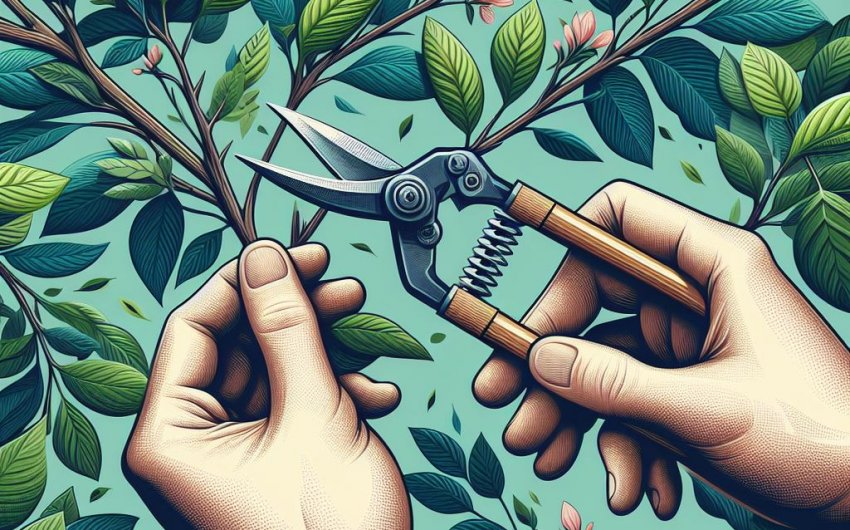
For many new gardeners, the thought of cutting into a living plant can be daunting, even terrifying. There's a common fear of doing something wrong and irrevocably harming a cherished shrub or tree. However, far from being a destructive act, pruning is actually a fundamental practice in plant care, a subtle art that, when mastered, unlocks incredible potential for healthy growth and abundant blooms or harvests. It's a precise conversation with your plants, guiding their development and ensuring their long-term vitality.
Pruning perfection isn't about wielding shears indiscriminately; it's about understanding why and how to make strategic cuts that benefit the plant. From encouraging bushier foliage to promoting fruit production, managing size, and preventing disease, every snip serves a purpose. This guide will demystify the art of mastering the art of pruning, breaking down its core principles, explaining the right tools, and providing clear techniques for various plant types. Get ready to overcome your pruning fears and transform your garden into a more vibrant, resilient, and beautifully shaped landscape.
Why Is Pruning So Important for Plant Health?
Pruning is often seen as a chore, but it's actually one of the most vital tasks in plant care. Its importance for plant health cannot be overstated. It's a proactive way to manage and direct a plant's energy, ensuring its longevity and vigor.
How Does Pruning Remove Dead, Diseased, or Damaged Wood?
One of the most immediate and crucial benefits of pruning is its ability to remove dead, diseased, or damaged wood. This is often called "sanitation pruning" and is essential for the overall health of any plant.
- Dead Wood: Dead branches and stems are no longer productive. They can also become entry points for pests or diseases, or even break off unexpectedly, causing damage to other parts of the plant or nearby structures. Removing them directs the plant's energy to living, growing parts.
- Diseased Wood: If a plant develops a fungal infection, bacterial blight, or other disease, infected branches and leaves act as reservoirs for the pathogens. Pruning off diseased portions promptly helps to prevent the spread of disease to healthy parts of the plant or to other plants in your garden. Always sterilize your pruning tools between cuts when dealing with diseased material.
- Damaged Wood: Branches that are broken, cracked, or severely abraded (e.g., from wind, frost, or accidental impact) are weak points. They are susceptible to further breakage and can also provide easy access for pests and pathogens. Removing them cleanly allows the plant to heal properly.
By regularly performing this type of sanitation pruning, you minimize risks, redirect energy, and improve the overall resilience of your plants, making it a cornerstone of healthy growth.
How Does Pruning Improve Air Circulation and Light Penetration?
Pruning plays a vital role in improving air circulation and light penetration within a plant's canopy, which are critical factors for preventing disease and promoting vigorous growth.
- Air Circulation: A dense, overgrown plant creates a stagnant, humid microclimate within its interior. This moist, still air is the perfect breeding ground for many fungal diseases (like powdery mildew, black spot, and rust). By selectively removing inner branches, crossing limbs, or overcrowded foliage, you open up the plant, allowing air to move freely through the canopy. This helps to dry leaves quickly after rain or watering, significantly reducing disease incidence.
- Light Penetration: Dense canopies also block sunlight from reaching the inner parts of the plant. Sunlight is essential for photosynthesis, the process by which plants make energy. When inner leaves don't get enough light, they become weak, unproductive, and may yellow and drop. For fruit trees, sunlight is crucial for fruit development, size, and flavor. By pruning to open up the canopy, you ensure that light reaches all parts of the plant, promoting robust growth and better fruit production.
This strategic tree and shrub pruning ensures every part of the plant gets the light and airflow it needs, leading to a healthier, more productive specimen.
What Is the Benefit of Pruning for Redirecting Plant Energy?
One of the most profound benefits of pruning is its ability to redirect plant energy. Every plant has a finite amount of energy it can expend on growth, flowering, or fruiting. Pruning allows you to channel that energy where you want it most.
- Encouraging New Growth: When you remove a stem or a terminal bud (the growing tip), the plant's energy that was going to that part is now diverted to other areas. This often stimulates dormant buds (called lateral buds) lower down on the stem to break dormancy and grow into new branches, leading to a bushier, fuller plant. This is a common pruning technique for bushiness.
- Promoting Flowering/Fruiting: For many flowering and fruiting plants, pruning at the right time (e.g., pruning off some vegetative growth) encourages the plant to put more energy into producing blooms and developing fruit, leading to a more abundant harvest. For example, removing excess flowers from a fruit tree (thinning) means the remaining fruits grow larger and sweeter.
- Maintaining Size and Shape: By controlling where growth occurs, pruning allows you to keep a plant within a desired size range, which is especially important for indoor plants or those in small gardens. It also helps in shaping plants to fit your aesthetic vision.
- Revitalizing Older Plants: Removing old, unproductive wood can stimulate a flush of vigorous new growth, essentially rejuvenating an aging plant and extending its productive life.
This strategic plant energy management through pruning helps create a more efficient, productive, and aesthetically pleasing plant.
What Are the Essential Tools and Timing for Pruning?
Before you make any cuts, understanding the essential tools and the optimal timing for pruning is crucial. Using the right equipment and pruning at the right moment can mean the difference between healthy growth and accidental harm.
What Are the Must-Have Pruning Tools and How Do I Clean Them?
Having the must-have pruning tools and knowing how to clean them is paramount for safe, effective, and healthy pruning. Dull or dirty tools can damage plants and spread disease.
- Hand Pruners (Bypass Shears): Your most essential tool for cuts up to 3/4 inch thick. Bypass pruners (blades slide past each other like scissors) are preferred for live stems as they make clean cuts that heal quickly. Anvil pruners (blade meets a flat surface) are best for dead wood as they can crush live stems.
- Loppers: For branches too thick for hand pruners (up to 1.5-2 inches), loppers provide extra leverage due to their long handles.
- Pruning Saw: For branches larger than 2 inches, a pruning saw with sharp teeth is necessary. Various types exist (folding, bow, curved blade).
- Gloves: Protect your hands from thorns, sap, or rough bark.
- Cleaning Your Tools: This is critical to prevent the spread of diseases.
- Before Pruning: Wipe down the blades with a cloth soaked in 70% isopropyl rubbing alcohol (or higher) or a 10% bleach solution.
- Between Cuts (Especially for Diseased Plants): Re-sterilize your tools between each cut if you are pruning diseased plant material to prevent spreading pathogens to healthy parts of the plant.
- After Pruning: Clean off all sap and debris, dry the blades thoroughly, and apply a light coat of oil (like mineral oil or camellia oil) to prevent rust.
Using sharp, clean pruning tools minimizes damage to plant tissue, reduces the risk of disease, and makes the job easier and more effective. A bypass pruning shear set is a great starter.
What Is the Best Time of Year to Prune Different Plant Types?
The best time of year to prune depends heavily on the type of plant and your specific pruning goals. Pruning at the wrong time can reduce flowering or fruit production.
- Dormant Pruning (Late Winter/Early Spring): This is the most common time for major pruning of many woody plants, especially deciduous trees and shrubs (those that lose their leaves in winter).
- Why: The plant is dormant, so it's less stressed. There are no leaves to obscure structure, making it easy to see cuts. Wounds heal quickly when active growth resumes.
- Best For: Fruit trees, most deciduous shrubs, roses (for shaping), and removing dead/diseased/damaged wood.
- After Flowering Pruning (Spring/Early Summer): For spring-flowering shrubs that bloom on "old wood" (wood that grew the previous year), prune immediately after they finish flowering.
- Why: If you prune them in winter, you'll be cutting off next year's flower buds. Pruning after bloom gives them time to produce new wood for next year's flowers.
- Best For: Lilacs, forsythia, rhododendrons, azaleas, hydrangeas (bigleaf types).
- Summer Pruning (Light): Used for specific purposes on actively growing plants.
- Why: To control size, shape, encourage bushiness, or remove water sprouts/suckers. Light summer pruning helps direct energy.
- Best For: Heading back vigorous growth, pinching back herbs or annuals, pruning specific fruit trees (e.g., espaliered forms, summer fruit thinning), or any plant where you want to promote branching without significant size reduction.
- Anytime Pruning: Removing dead, diseased, or damaged wood can (and should) be done at any time of year, as it's a matter of plant health.
Always research the specific pruning schedule for your particular plant species to ensure optimal results. This targeted seasonal pruning is crucial for healthy growth.
How Much Pruning Is Too Much for a Plant?
Knowing how much pruning is too much for a plant is crucial to avoid shocking or severely weakening it. Over-pruning can set a plant back significantly or even lead to its demise.
- The 25% Rule: A general guideline for most mature woody plants (trees and shrubs) is to never remove more than 25% to 30% of the total plant's living foliage and branches in a single pruning session (within a year). Removing more than this can put the plant into severe shock, making it difficult to recover, and potentially leading to leaf drop, stunted growth, or increased susceptibility to pests and diseases.
- Prioritize Your Cuts:
- Always start by removing dead, diseased, or damaged wood. These cuts are for health and typically don't count towards the 25% rule, as the removed material wasn't contributing to photosynthesis anyway.
- Next, address crossing or rubbing branches to improve air circulation and prevent future damage.
- Then, make your cuts for shaping, size reduction, or encouraging new growth, keeping the 25% rule firmly in mind.
- Observe Plant Vigor: A healthy, vigorous plant can tolerate more pruning than a stressed or newly planted one. If a plant is struggling, limit pruning to only essential dead or diseased wood.
- Multiple Sessions: If a plant is severely overgrown and needs extensive reduction or reshaping, it's often better to spread the pruning over two or even three growing seasons rather than attempting one drastic cut. This allows the plant time to recover and regrow.
Being conservative, especially when you're learning, will prevent over-pruning and ensure your plant remains healthy and resilient after tree and shrub pruning.
What Are the Basic Pruning Techniques to Master?
To achieve pruning perfection and promote healthy growth, mastering a few basic pruning techniques is essential. These precise cuts allow you to guide a plant's development effectively.
How Do I Make a "Heading Cut" to Encourage Bushiness?
A heading cut is a fundamental pruning technique for bushiness that promotes fuller, denser growth. It works by removing the plant's apical dominance.
- What it Is: A heading cut involves shortening a stem back to a specific point, usually just above a bud (called a node) or a side branch. It removes the very tip of the stem where the apical bud is located.
- How it Works: The apical bud produces a hormone called auxin, which tells the stem to grow upwards and also suppresses the growth of side shoots (lateral buds) lower down on the stem. When you make a heading cut, you remove this source of auxin. This signals to the dormant lateral buds below the cut to activate and start growing, resulting in new branches forming from that point.
- Making the Cut:
- Identify the Node: Find a healthy bud or a side branch that is facing in the direction you want new growth to go.
- Angle: Make the cut at a slight angle (about 45 degrees) just above (about 1/4 inch or 0.5 cm) the chosen bud or side branch. Angle the cut so the lowest part is opposite the bud and the highest part is just above it, allowing water to shed.
- Clean Cut: Ensure the cut is clean and sharp, without crushing the stem.
- Result: The stem will stop growing vertically from that point, and new branches will emerge from the nodes below the cut, making the plant denser and bushier.
This technique is excellent for shrubs that are getting leggy, promoting branching on fruit trees, or encouraging fullness in many houseplants.
How Do I Make a "Thinning Cut" for Structure and Airflow?
A thinning cut is another core pruning technique that focuses on improving a plant's structure, increasing airflow, and allowing light penetration into the interior.
- What it Is: A thinning cut involves removing an entire branch or stem back to its point of origin (where it connects to a main branch or the main trunk), or back to a larger side branch. You are removing the entire branch, not just shortening it.
- How it Works: Unlike heading cuts that promote bushiness, thinning cuts open up the plant. They don't stimulate dormant buds at the cut point. Instead, they redirect the energy to the remaining branches, making them stronger.
- Making the Cut:
- Identify Target: Choose a branch that is crossing another, growing inward, diseased, dead, damaged, or simply making the plant too dense.
- Cut Point: Cut the branch cleanly back to its point of origin (the "branch collar" on the main stem, the slightly swollen area where it joins) or to a larger, healthy side branch. Avoid leaving a stub, which can invite disease.
- Clean Cut: Make a clean cut without tearing bark.
- Result: A thinning cut creates more open space within the plant, improving air circulation (reducing disease risk) and allowing more sunlight to reach the interior and lower parts of the plant. It results in a more natural-looking, less dense plant.
This tree and shrub pruning method is vital for overall plant health, especially for fruit trees and shrubs prone to fungal issues.
What Is "Limbing Up" to Create a Tree Form?
"Limbing up" (also called "raising the crown" or "trunking") is a pruning technique for shaping plants to create a desired tree form, revealing a clear trunk below the foliage.
- What it Is: This involves systematically removing the lower branches and sometimes lower leaves from a shrub or multi-stemmed plant to create a single, clear "trunk" at the base.
- How it Works: By removing lower growth, you visually define a trunk, lifting the canopy higher. This is primarily an aesthetic choice for landscape shaping, but it can also improve access beneath the plant.
- Making the Cut:
- Identify Desired Trunk Height: Decide how high you want the bare trunk to be.
- Remove Lowest Branches: Using clean, sharp pruning shears or a saw (depending on thickness), remove the lowest branches back to the main stem or trunk, cutting cleanly just outside the branch collar.
- Gradual Process: It's best to do this gradually over several years, especially for larger plants. Removing too many lower branches at once can stress the plant. Don't remove more than 1/3 of the tree's total height in any one year.
- Remove Suckers: Continuously remove any new shoots (suckers) that emerge from the base of the trunk or below your desired trunk line.
- Result: A plant with a defined, often elegant, bare trunk, leading up to a canopy of foliage, creating a classic tree-like silhouette. This is very popular for plants like Fiddle Leaf Figs or Hydrangeas being trained as "tree forms."
This landscape shaping technique is highly effective for altering a plant's appearance to fit a specific design vision.
What Are Crucial Aftercare Tips for Pruned Plants?
Pruning is a significant event for a plant, and proper aftercare is crucial to ensure it recovers quickly, minimizes stress, and produces the desired new growth. Neglecting these plant recovery tips can negate your pruning efforts.
How Do I Manage Sap and Wounds After Pruning?
After making cuts, especially on some types of trees (like maples, birches, or Ficus like the Fiddle Leaf Fig), you might notice sap dripping or weeping from the wounds. Knowing how to manage sap and wounds after pruning is important.
- Sap Weeping:
- It's Normal: For some plants, sap weeping is a natural physiological response. Don't be alarmed. It usually stops on its own within hours or a few days.
- Protect Surfaces: For indoor plants, place a cloth or newspaper under the plant to protect floors or furniture from sticky sap.
- Avoid Over-Wiping: Gently dabbing with a clean cloth is fine, but excessive wiping can actually stimulate more sap flow.
- Pruning Sealers/Paints:
- Generally Not Recommended: For most cuts on most trees and shrubs, pruning sealers or paints are generally not recommended. They were once thought to help, but research has shown they can actually hinder the plant's natural healing process, trapping moisture and promoting decay underneath.
- When to Consider (Rarely): The only times a sealant might be considered are:
- For very large cuts (over 2-3 inches in diameter) on oak trees in areas prone to Oak Wilt (to prevent beetle vectors from entering).
- In very specific situations where extreme moisture or pests are a direct threat to a very slow-healing wound.
- Natural Healing is Best: Plants have natural defense mechanisms to compartmentalize (seal off) wounds. A clean, sharp cut made correctly is the best way to facilitate this natural healing.
Focus on making clean cuts and allowing the plant to heal naturally for optimal wound care for plants.
How Does Watering and Fertilizing Change After Pruning?
Watering and fertilizing needs can change slightly after pruning, as the plant recovers and focuses its energy on new growth.
- Watering:
- Reduce Slightly (Initially): If you've removed a significant amount of foliage, the plant will have fewer leaves to transpire water, so its water needs may temporarily decrease. For a few days after pruning, you might slightly reduce watering frequency or amount.
- Monitor Soil: Always check the soil moisture. Water when the top inch or two (or more, depending on plant) feels dry. Continue deep, thorough watering.
- Consistent Moisture: Ensure the plant does not experience severe drought stress, especially when trying to recover.
- Fertilizing:
- Avoid Immediate Fertilization (unless struggling): If your plant is healthy and you pruned during the active growing season, it might not need immediate fertilization. It has existing energy reserves.
- Support New Growth: If you want to strongly encourage new growth, a balanced fertilizer can be applied (at recommended rates, or diluted) after a few weeks when new buds begin to swell. This provides the nutrients needed to fuel the new growth.
- Avoid Over-Fertilizing: Do not over-fertilize in an attempt to "supercharge" recovery, as this can lead to nutrient burn and further stress the plant.
Adjusting your post-pruning plant care ensures your plant has the right conditions to efficiently bounce back and thrive.
How Long Does It Take for New Growth to Appear?
The timeframe for new growth appearing after pruning varies significantly depending on the plant species, the time of year, the health of the plant, and the type of cut made. Patience is often a virtue in plant recovery.
- Fast Responders (Weeks):
- Many vigorous-growing annuals, herbs (like basil), houseplants (like Pothos, Philodendron, Fiddle Leaf Fig when pruned in spring), and some fast-growing deciduous shrubs.
- You might see tiny new buds swelling and leaves emerging within 2-6 weeks after pruning during their active growing season.
- Moderate Responders (Months):
- Most established deciduous trees and shrubs after dormant pruning.
- Fruiting plants.
- New growth will typically emerge in spring as the weather warms.
- Slow Responders (Longer):
- Some very slow-growing woody plants.
- Plants that were heavily pruned or severely stressed.
- Evergreens generally respond slower to pruning than deciduous plants.
The emergence of new growth is a positive sign that your plant has recovered from pruning and is putting its energy into new development. Continue providing optimal care, and your plant will continue to grow and flourish.