
Battling Bugs: How to Combat Pest Infestation in Your Garden
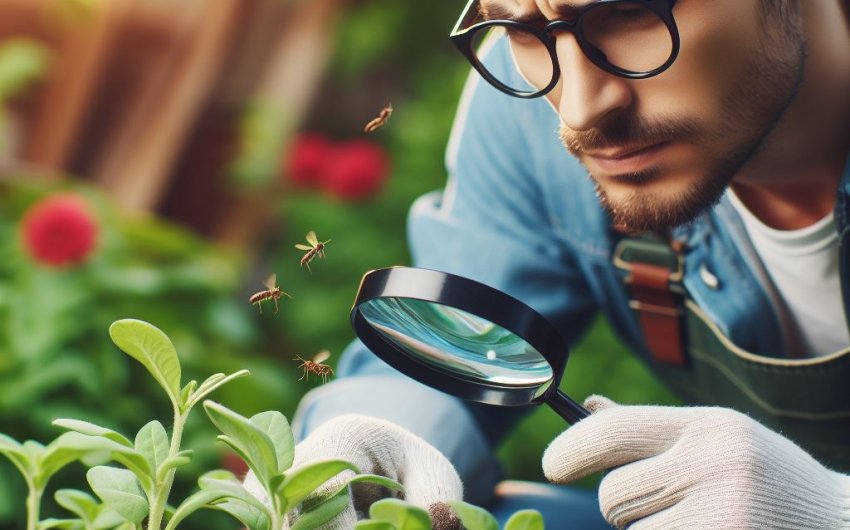
Maintaining a vibrant and healthy garden brings immense satisfaction. However, this joy can quickly diminish when unwelcome visitors – pests – begin to take hold. A pest infestation can quickly damage or even destroy your beloved plants, turning lush foliage into tattered leaves and promising harvests into disappointment. Understanding how to identify common garden pests and, more importantly, how to effectively combat them is a vital skill for any gardener. This comprehensive guide will arm you with the knowledge and strategies to protect your green space, ensuring your plants thrive.
The struggle against garden pests is a common challenge, but it doesn't have to be a losing battle. From tiny aphids to larger slugs, each type of bug presents its own unique set of problems and requires a tailored approach for effective management. We'll explore a range of methods, starting with prevention, moving to organic solutions, and finally discussing when and how to use stronger treatments responsibly. Our goal is to help you create an environment where your plants can flourish without constant attack, maintaining the beauty and productivity of your garden.
What Are the Most Common Garden Pests?
How Can I Identify Aphids?
Aphids are tiny, soft-bodied insects, often found in clusters on new growth, the undersides of leaves, and flower buds. They can be green, black, yellow, brown, or even pink. They pierce plant tissues and suck out the sap, which weakens the plant. Signs of aphid presence include curled or distorted leaves, sticky residue on leaves (called honeydew), and the presence of sooty mold (a black fungus that grows on honeydew). You might also see ants, which are often attracted to the honeydew that aphids produce. They are a very common pest in many gardens.
What Do Spider Mites Look Like?
Spider mites are actually not insects, but tiny arachnids, related to spiders. They are very small, often less than a millimeter, and can be red, green, or brown. They are difficult to see with the naked eye. The most obvious sign of spider mites is fine webbing, especially on the undersides of leaves or between stems. Plants infested with spider mites will often show stippling, which are tiny yellow or white dots on the leaves where the mites have sucked out the plant sap. Leaves may also appear dusty or bronzed, and heavy infestations can cause leaves to turn yellow, brown, and drop off.
How to Spot Slugs and Snails?
Slugs and snails are mollusks that are active mostly at night or during damp, cloudy weather. They feed on a wide variety of plants, leaving irregular holes in leaves, especially tender young seedlings. The most tell-tale sign of their presence is the silvery slime trail they leave behind on leaves, soil, and hard surfaces. Snails carry a visible shell, while slugs do not. They both hide in cool, damp places during the day, such as under pots, rocks, or mulch. They are especially problematic in vegetable gardens.
What Damage Do Caterpillars Cause?
Caterpillars are the larval stage of moths and butterflies. They come in many sizes, shapes, and colors, often with distinct markings or hairs. The damage they cause is very noticeable: they chew holes in leaves, flowers, and fruits. Sometimes they can completely defoliate a plant, meaning they eat all the leaves. You might also see their droppings, which look like small black pellets, on the leaves or around the base of the plant. Different types of caterpillars can cause different types of damage, such as leaf rolling, skeletonizing (eating only the soft parts of the leaf), or boring into stems or fruits.
How Do Whiteflies Affect Plants?
Whiteflies are tiny, white, winged insects that resemble tiny moths. They are often found in clusters on the undersides of leaves. When disturbed, they will fly up in a small cloud. Like aphids, whiteflies feed by sucking sap from plant leaves, which can lead to stunted growth, yellowing leaves, and wilting. They also excrete honeydew, which can lead to sooty mold growth. Whiteflies are particularly problematic in warm climates and greenhouses, where they can reproduce rapidly.
What Are Mealybugs?
Mealybugs are soft-bodied, oval-shaped insects that are covered in a white, cottony wax. They often gather in protected areas of plants, such as leaf axils (where leaves meet stems), along veins, or on the undersides of leaves. They feed by sucking sap, causing stunted growth, yellowing leaves, and distorted plant parts. Like aphids and whiteflies, mealybugs also produce honeydew and can lead to sooty mold. Their waxy coating protects them, making them a bit harder to control than some other pests.
How Can I Prevent Pest Infestations Naturally?
Why Is Companion Planting Effective?
Companion planting involves placing specific plants near each other for mutual benefit, including pest control. Some plants naturally repel certain pests due to their scent or chemical compounds. For example, planting marigolds (especially French marigolds) can deter nematodes and some other soil-borne pests. Nasturtiums can act as a trap crop, drawing aphids away from more valuable plants. Herbs like basil, mint, and rosemary can also deter various insects.
The benefits of companion planting extend beyond just repelling pests. Some combinations can attract beneficial insects (like ladybugs that eat aphids), improve soil health, or even enhance the flavor of nearby vegetables. It's a natural and aesthetic way to create a more resilient garden ecosystem. For a range of deterrent options, consider planting a border of French Marigold Seeds around your vulnerable plants.
How Does Maintaining Garden Cleanliness Help?
A clean garden is a less appealing home for pests. Many pests and their eggs can overwinter in plant debris, weeds, and fallen leaves. Regularly removing these materials can significantly reduce pest populations. This means:
- Weeding regularly: Weeds can harbor pests and also compete with your plants for resources.
- Removing fallen leaves and fruit: These provide hiding places and food sources for slugs, snails, and other ground-dwelling pests.
- Pruning dead or diseased plant parts: Weak or damaged plants are more susceptible to pest attacks. Remove these parts promptly.
- Sanitizing tools: Clean your gardening tools to prevent the spread of diseases and pests from one plant to another.
A tidy garden not only looks better but also breaks the pest life cycle, making it harder for them to establish and reproduce.
Why Is Attracting Beneficial Insects Important?
Beneficial insects are natural enemies of garden pests. These include predators like ladybugs, lacewings, and hoverflies, which feast on aphids, mites, and other soft-bodied pests. Parasitic wasps lay their eggs inside or on pest bodies, eventually killing them. Attracting these helpful insects is a cornerstone of organic pest control.
To draw beneficial insects to your garden, provide them with what they need:
- Food sources: Many beneficial insects feed on pollen and nectar in addition to pests. Plant a variety of flowering plants, especially those with small, open flowers like dill, fennel, cilantro, and cosmos.
- Water sources: A shallow dish of water with pebbles for landing can be a huge help.
- Shelter: Leave some undisturbed areas or create insect hotels where they can overwinter.
By creating a diverse and inviting habitat, you can build a natural army to patrol your garden and keep pest populations in check. A packet of Beneficial Insect Attractant Seeds can kickstart your efforts.
How Does Proper Watering and Fertilizing Influence Pest Resistance?
Healthy plants are better able to withstand and recover from pest attacks. Proper watering and fertilizing play a key role in plant health.
- Watering: Deep, infrequent watering encourages strong root development, making plants more resilient. Overwatering or underwatering can stress plants, making them weak and more attractive to pests. Water the soil, not the leaves, to reduce fungal issues that can also weaken plants.
- Fertilizing: Provide your plants with balanced nutrition. Over-fertilizing, especially with too much nitrogen, can lead to lush, tender growth that is particularly appealing to sucking insects like aphids. Under-fertilizing can lead to weak, stunted plants that are easily overwhelmed by pests. A soil test can help you determine the specific nutrient needs of your garden. Using a balanced, slow-release fertilizer or compost is often best. Consider a FoxFarm Ocean Forest Potting Soil for a good foundation.
By focusing on overall plant vigor, you create an environment where plants can naturally defend themselves.
What Are Some Organic Pest Control Solutions?
When Can I Use Hand-Picking?
Hand-picking is the simplest and most direct method of pest control. It's most effective for larger, slower-moving pests like slugs, snails, caterpillars, and larger beetles. This method is best for small infestations or when you regularly monitor your plants.
The best time to hand-pick slugs and snails is in the evening or early morning, or after rain, when they are most active. For caterpillars, inspect the undersides of leaves and stems. Simply pick off the pests and drop them into a bucket of soapy water to kill them. Regular hand-picking can significantly reduce populations without the need for any sprays. Remember to wear gardening gloves to protect your hands.
How Do Insecticidal Soaps Work?
Insecticidal soaps are a popular organic pest control option for soft-bodied insects like aphids, whiteflies, spider mites, and mealybugs. These soaps work by breaking down the insect's outer protective layer, causing them to dehydrate and die. They are less harmful to beneficial insects than many chemical pesticides, as they only work on contact and do not have residual effects once dry.
To use insecticidal soap, mix it according to the product directions with water in a sprayer. Thoroughly spray all affected parts of the plant, especially the undersides of leaves where many pests hide. Repeated applications may be necessary as new pests hatch or migrate to your plants. Always test a small area of the plant first to ensure it doesn't cause any damage. A good option is Safer Brand Insect Killing Soap.
What Is Neem Oil and How Is It Used?
Neem oil is a natural pesticide derived from the seeds of the neem tree. It's a broad-spectrum organic insecticide that works in several ways:
- Antifeedant: It makes plants less appealing to pests, discouraging them from feeding.
- Growth disruptor: It interferes with the insect's hormone system, preventing them from maturing and reproducing.
- Repellent: Its scent can deter pests.
Neem oil is effective against a wide range of pests, including aphids, spider mites, whiteflies, mealybugs, and some caterpillars. It's also effective against some fungal diseases. Like insecticidal soaps, it has low toxicity to humans and pets and is generally safer for beneficial insects once dry.
To use neem oil, mix it with water and a small amount of mild soap (as an emulsifier) according to the product instructions. Spray thoroughly on all plant surfaces, including the undersides of leaves. Apply in the late evening or early morning to avoid scorching leaves in direct sunlight and to protect beneficial insects that are active during the day. Repeat applications as needed. You can find pure Neem Oil for Plants online.
Can Diatomaceous Earth Help?
Diatomaceous earth (DE) is a natural powder made from the fossilized remains of diatoms, tiny aquatic organisms. It works by causing physical damage to insects. The microscopic sharp edges of DE particles scratch the waxy outer layer of insects, causing them to dehydrate and die.
DE is effective against crawling insects like slugs, snails, earwigs, ants, and some beetle larvae. To use it, simply sprinkle a fine layer of food-grade diatomaceous earth around the base of plants or directly on affected foliage. It becomes ineffective when wet, so you'll need to reapply after rain or watering. Be careful not to inhale the dust while applying. A popular choice is Harris Diatomaceous Earth Food Grade.
What Are Sticky Traps and How Do They Work?
Sticky traps are simple but effective tools for monitoring and sometimes controlling flying insect pests. They are typically bright yellow or blue cards coated with a strong adhesive. The bright colors attract flying insects like whiteflies, aphids, fungus gnats, and some thrips. Once the insects land on the trap, they get stuck.
Sticky traps are excellent for:
- Monitoring: They help you identify which pests are present and gauge the severity of an infestation.
- Mass trapping: In some cases, a large number of traps can help reduce pest populations directly, especially in enclosed spaces like greenhouses.
Place sticky traps near affected plants or throughout your garden. Change them regularly as they fill up with insects or get covered in dust. Look for Garden Sticky Traps Yellow.
When Should I Consider Chemical Pest Control?
What Are the Risks of Chemical Pesticides?
Using chemical pesticides comes with significant risks that should be carefully considered.
- Harm to beneficial insects: Many chemical pesticides are non-selective, meaning they kill both pest insects and beneficial insects like pollinators (bees, butterflies) and natural predators (ladybugs, lacewings). This can disrupt the natural balance of your garden ecosystem and lead to new pest problems in the long run.
- Environmental impact: Pesticides can drift onto neighboring properties, contaminate water sources, and harm wildlife.
- Health risks: Some pesticides can be harmful to humans and pets if not handled properly. Always read and follow all safety instructions on the label.
- Pest resistance: Repeated use of the same chemical pesticide can lead to pests developing resistance, making the product less effective over time.
For these reasons, chemical pesticides should always be a last resort, used only after other, less harmful methods have proven insufficient.
How Do I Choose the Right Chemical Pesticide?
If you decide that a chemical pesticide is necessary, choosing the right product is crucial.
- Identify the pest: Don't spray unless you know what you're spraying for. Different pesticides target different types of insects. Using the wrong product is ineffective and wasteful.
- Read the label carefully: This is the most important step. The label will tell you:
- Which pests the product controls.
- Which plants it can be used on (and which it cannot).
- Application rates and methods.
- Pre-harvest interval (PHI): How long you must wait after spraying before harvesting edible crops.
- Safety precautions and personal protective equipment (PPE) required.
- Environmental hazards.
- Choose targeted products: Look for products that are more specific to your pest problem rather than broad-spectrum options if possible. For instance, a slug bait is more targeted than a general insect killer.
- Consider residual effect: Some pesticides have a long residual effect, meaning they stay active for a longer time. This might be desirable for some persistent pests, but it also increases the risk to beneficial insects.
For example, if dealing with a severe aphid outbreak in non-edible plants, you might look for a systemic insecticide like Bonide Systemic Insect Control which is absorbed by the plant and kills insects that feed on it. Always understand exactly what you are applying.
What Are the Safe Application Practices for Chemical Pesticides?
Safe application practices are non-negotiable when using chemical pesticides.
- Wear PPE: Always wear the personal protective equipment recommended on the product label. This typically includes chemical-resistant gloves, eye protection, long-sleeved shirts, long pants, and closed-toe shoes. For some products, a respirator may be necessary.
- Mix outdoors in a well-ventilated area: Avoid breathing fumes.
- Apply on a calm day: Wind can cause drift, carrying the pesticide onto desirable plants, water sources, or yourself.
- Target the application: Only spray the affected plants or areas. Avoid spraying flowers if pollinators are present, or spray in the early morning or late evening when pollinators are less active.
- Follow dilution rates precisely: More is not better. Over-applying can harm your plants, be less effective, and increase risks.
- Do not apply before rain: Rain can wash away the pesticide, rendering it ineffective and potentially contaminating water.
- Store safely: Keep pesticides in their original containers, out of reach of children and pets, in a cool, dry place.
- Dispose of responsibly: Do not pour leftover pesticides down the drain or into storm sewers. Follow local regulations for disposal of unused product and empty containers.
By adhering to these practices, you minimize risks to yourself, your garden, and the environment.
How Can I Use Traps and Barriers Effectively?
What Are Physical Barriers for Pests?
Physical barriers are a great way to prevent pests from reaching your plants without using any chemicals. These barriers simply create a physical obstruction that pests cannot cross or penetrate.
- Row covers: Lightweight floating row covers can be draped over young plants or entire beds to exclude flying insects like cabbage moths, flea beetles, whiteflies, and aphids. They allow sunlight and water to pass through but keep pests out. Make sure the edges are secured to the ground so pests can't crawl underneath. You can find effective Garden Row Covers online.
- Collars: For protection against cutworms, use cardboard collars around the stems of young seedlings at soil level. These prevent the cutworms from chewing through the stem.
- Copper tape: For slugs and snails, a band of copper tape around raised beds or pots can act as a barrier. The copper reacts with their slime, creating a mild electric shock that deters them. Look for Copper Slug Tape.
- Nets and cages: For larger pests like birds or rabbits, netting or wire cages can protect vulnerable crops.
These barriers are particularly useful for protecting sensitive plants or in areas with high pest pressure.
How Do Beer Traps Work for Slugs and Snails?
Beer traps are a classic and simple method for controlling slugs and snails. These pests are attracted to the yeast and fermented sugars in beer. To make a beer trap:
- Dig a small hole in the garden bed so that a shallow dish or tuna can be buried with its rim at soil level.
- Pour a small amount of stale beer into the dish. Any inexpensive beer will work.
- The slugs and snails will crawl into the dish, fall into the beer, and drown. Check the traps daily and empty them as needed. This method is most effective when used in multiple locations throughout the affected area.
When Can I Use Pheromone Traps?
Pheromone traps use synthetic copies of insect sex hormones to attract male pests of a specific species. These traps are highly species-specific, meaning they will only attract the target pest. Pheromone traps are primarily used for:
- Monitoring: They help you detect the presence of certain pests early and determine their flight periods and population levels. This information helps you decide when to implement other control measures.
- Mass trapping (less common for garden use): In some commercial settings or for very specific pests, a large number of traps can be used to significantly reduce male populations, thereby disrupting mating cycles.
They are particularly useful for moths, such as codling moths that affect apples or tomato hornworm moths. Always ensure you are using the correct pheromone for the pest you are targeting. You can find Codling Moth Pheromone Traps for fruit trees.
What Are Other Advanced Pest Management Techniques?
How Does Integrated Pest Management (IPM) Work?
Integrated Pest Management (IPM) is a holistic, common-sense approach to pest control that emphasizes prevention, monitoring, and using a combination of methods to manage pests with the least possible hazard to people, property, and the environment. It's not about eradicating all pests, but about managing them to acceptable levels.
The core principles of IPM are:
- Prevention: Using good garden practices like companion planting, garden cleanliness, and promoting plant health to deter pests in the first place.
- Monitoring: Regularly inspecting your plants for pests, identifying them correctly, and tracking their populations. This helps you know when action is needed.
- Thresholds: Deciding when a pest population is high enough to cause unacceptable damage, before taking action. Not every pest sighting requires intervention.
- Least-toxic methods first: Starting with the safest and most environmentally friendly methods, like hand-picking, beneficial insects, or insecticidal soaps.
- Targeted treatments: If stronger measures are needed, choosing the most specific and least disruptive option.
- Evaluation: Assessing the effectiveness of your control methods and adjusting your strategy as needed.
IPM helps you make informed decisions, reducing reliance on broad-spectrum pesticides and creating a more balanced and sustainable garden ecosystem.
What Is Crop Rotation and Why Is It Important?
Crop rotation is a simple yet powerful pest and disease management technique, especially effective in vegetable gardens. It involves changing the location of different plant families in your garden beds each season.
The main reasons crop rotation is important are:
- Disrupts pest life cycles: Many pests are specific to certain plant families. If you plant the same crop in the same spot year after year, pests that feed on that crop can build up large populations in the soil. By moving the crop, you break their life cycle and they can't find their preferred food source in that location.
- Reduces soil-borne diseases: Similar to pests, many plant diseases are specific to certain families and can remain in the soil. Crop rotation helps prevent the build-up of these pathogens.
- Improves soil health: Different plants have different nutrient needs and root structures. Rotating crops can help improve soil fertility and structure over time.
For effective crop rotation, divide your garden into sections and rotate plant families (e.g., tomatoes, peppers, potatoes, eggplant are all in the nightshade family; beans, peas, clover are legumes) through different sections each year. Plan your Garden Layout Planner to implement this.
Can Pruning and Trimming Help with Infestations?
Pruning and trimming are effective ways to manage pest infestations, especially in the early stages.
- Remove infested parts: If you spot a small cluster of aphids on a single leaf or a branch heavily infested with mealybugs, simply prune off that affected portion and dispose of it immediately (do not compost it, as the pests might survive). This prevents the infestation from spreading to the rest of the plant.
- Improve air circulation: Dense, crowded plants create humid, still conditions that are ideal for certain pests (like spider mites) and diseases. Strategic pruning to improve air circulation can make your plants less hospitable to these problems.
- Remove weak or diseased growth: Pests are often attracted to stressed or weakened plants. Removing any dead, dying, or diseased branches strengthens the plant and makes it less appealing to invaders.
Always use clean, sharp pruning shears to make clean cuts that heal quickly. An Anvil Pruning Shears can be a valuable tool for this.
How Do I Deal with Specific Pest Problems?
What to Do About Aphids?
Aphids are very common but relatively easy to deal with.
- Blast with water: For light infestations, a strong spray of water from a hose can knock aphids off plants. Repeat every few days until they're gone.
- Insecticidal soap or neem oil: For heavier infestations, spray affected plants thoroughly with insecticidal soap or neem oil, paying special attention to the undersides of leaves.
- Attract beneficial insects: Ladybugs and lacewings are natural predators of aphids. Plant dill, cilantro, or cosmos to attract them. You can even buy Live Ladybugs for Garden to release in your garden.
- Hand-crushing: For small clusters, you can simply crush them with your fingers.
How to Combat Spider Mites?
Spider mites thrive in hot, dry conditions.
- Increase humidity: Misting plants, especially indoor or potted plants, can help deter them.
- Hose off plants: Regularly spray plants vigorously with water, especially the undersides of leaves, to dislodge the mites.
- Neem oil or insecticidal soap: These are effective for spider mites. Ensure thorough coverage.
- Introduce predatory mites: For severe or persistent problems, you can release predatory mites (like Phytoseiulus persimilis), which specifically feed on spider mites. These are available from specialty biological control suppliers.
What Are the Best Ways to Control Slugs and Snails?
Controlling slugs and snails often requires a multi-pronged approach.
- Hand-picking: As mentioned, regularly pick them off, especially at night.
- Beer traps: Set out beer traps to lure and drown them.
- Barriers: Use copper tape around vulnerable plants or beds.
- Reduce hiding places: Eliminate excess mulch, debris, and hiding spots around plants. Keep the garden tidy.
- Diatomaceous earth: Sprinkle DE around the base of plants.
- Organic slug baits: Use iron phosphate-based slug baits. These are much safer for pets and wildlife than older metaldehyde baits. An example is Sluggo Slug & Snail Bait.
How to Manage Caterpillars?
Management depends on the type and number of caterpillars.
- Hand-picking: For larger caterpillars like tomato hornworms, hand-picking is very effective. Look for their droppings on leaves as a clue.
- Bacillus thuringiensis (Bt): This is an organic, naturally occurring soil bacterium that specifically affects caterpillar larvae. When caterpillars eat leaves treated with Bt, they stop feeding and die. It's very safe for other insects, pets, and humans. Apply a product like Bonide Bt Thuricide Concentrate when caterpillars are young and actively feeding.
- Row covers: To prevent adult moths from laying eggs on your plants.
- Attract birds: Birds are natural predators of caterpillars. Encourage them to visit your garden.
What to Do About Whiteflies?
Whiteflies can be tricky due to their rapid reproduction.
- Yellow sticky traps: Place these near affected plants to monitor and reduce populations.
- Vacuuming: For severe infestations, you can use a small handheld vacuum to literally suck whiteflies off the plants, especially in greenhouses. Do this in the morning when they are sluggish.
- Insecticidal soap or neem oil: Thorough and repeated applications are key, focusing on the undersides of leaves.
- Biological control: Introduce Encarsia formosa, a tiny parasitic wasp that specifically attacks whitefly pupae. This is often used in greenhouses.
How to Get Rid of Mealybugs?
Mealybugs are protected by their waxy coating, making them a bit harder to penetrate.
- Rubbing alcohol: For small infestations or on houseplants, dip a cotton swab in rubbing alcohol and directly touch each mealybug. The alcohol dissolves their waxy coating and kills them.
- Insecticidal soap or neem oil: Apply thoroughly and repeatedly. You might need to gently brush the waxy coating to allow the spray to reach the insect.
- Pruning: Remove heavily infested plant parts.
- Introduce beneficial insects: Mealybug destroyers (Cryptolaemus montrouzieri), a type of ladybug, are effective predators.
By understanding the common pests in your garden and employing a mix of preventive, organic, and targeted strategies, you can minimize damage and enjoy a flourishing green space throughout the growing season. Patience and consistent monitoring are your best allies in this ongoing battle against bugs.