
Defending Your Plants: Strategies to Fight Disease Outbreaks
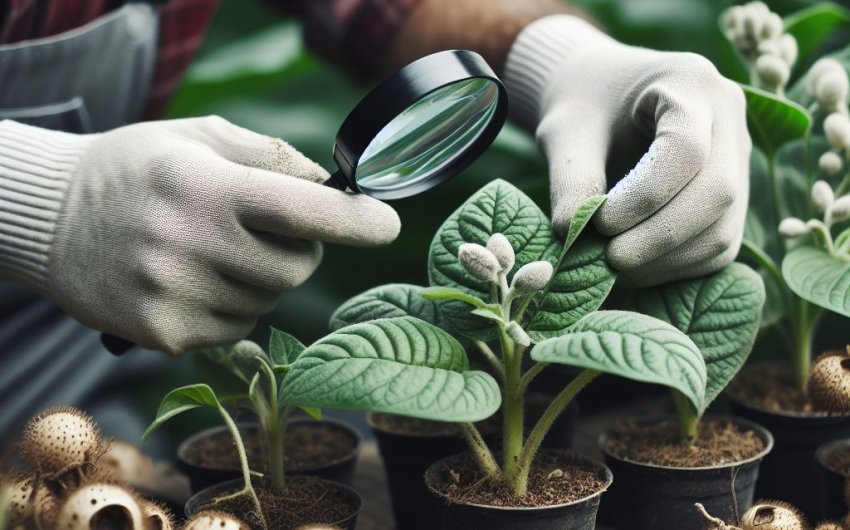
A vibrant garden, brimming with healthy plants, is a source of immense joy and satisfaction. However, even the most meticulous gardener can face the disheartening sight of a plant succumbing to an unknown ailment. Plant diseases, often invisible in their initial stages, can swiftly spread, turning lush foliage into wilted, discolored messes and jeopardizing an entire harvest. Understanding these microscopic threats and equipping yourself with effective strategies to fight disease outbreaks is fundamental to maintaining a thriving green space. It’s a continuous learning curve, but one that empowers you to protect your botanical companions.
From powdery mildew dusting leaves to mysterious wilts causing sudden collapse, the array of plant pathogens is vast and varied. Successfully defending your plants isn't just about reacting to a problem once it appears; it's about proactive prevention, keen observation, and informed intervention. We'll delve into recognizing the subtle clues that hint at an impending infection, explore the environmental factors that contribute to disease spread, and arm you with a comprehensive toolkit of organic and conventional methods to combat these unwelcome invaders. Your garden's resilience depends on your readiness to identify and address the silent threats that lurk within.
What Are Common Plant Diseases?
Understanding what types of plant diseases are common is the first step in defending your plants. Many plant ailments are caused by microscopic organisms, and they each leave different clues. Recognizing these clues helps you figure out what you're up against.
One of the most common fungal diseases is powdery mildew. It looks like a white, powdery coating on the surface of leaves, stems, and sometimes even flowers. It's often found in humid conditions with poor air circulation. While it might not kill the plant immediately, it weakens it, reduces growth, and can make plants look unsightly. It affects many plants, including squash, roses, and lilacs.
Another widespread issue is leaf spots. These appear as circular or irregular spots on leaves, often with different colors (brown, black, yellow, red) and sometimes a distinct border. They can be caused by various fungi or bacteria. Severe leaf spot infections can lead to leaves turning yellow and falling off, weakening the plant. You might see them on tomatoes, hostas, and many fruit trees.
Rust is a fungal disease that creates small, orange, reddish, or brown powdery pustules (blisters) on the undersides of leaves and sometimes on stems. These pustules release spores that look like rust-colored dust. Affected leaves often turn yellow and drop prematurely. It's common on beans, hollyhocks, and various ornamental plants.
Blights are rapid, widespread browning, wilting, and death of plant tissues, often affecting leaves, stems, flowers, and fruits. They can spread very quickly, especially in wet conditions. Examples include early blight and late blight on tomatoes and potatoes, or fire blight on fruit trees.
Wilts cause plants to droop and wither, even when there's enough water in the soil. This often happens because the disease (fungal or bacterial) clogs the plant's vascular system, preventing water from reaching the leaves. Verticillium wilt and Fusarium wilt are well-known examples that affect many vegetables and trees.
Finally, root rot is a serious problem where roots turn mushy, brown, or black and eventually die. This is usually caused by fungi in overly wet or poorly draining soil. Above ground, the plant will look wilted and yellow, much like it's underwatered, because the damaged roots can't absorb water. It's a common killer of houseplants but also affects outdoor plants in soggy conditions. Knowing these common foes is the beginning of strategies to fight disease outbreaks.
What Do Healthy Plant Roots Look Like?
Understanding what healthy plant roots look like is fundamental for defending your plants, especially when trying to diagnose problems. Since roots are hidden underground, they're often overlooked, but they are the lifeline of your plant.
Healthy roots are typically light in color, often white or creamy white. They should appear plump and firm to the touch, not mushy or brittle. Think of them like tiny, healthy strands of spaghetti – flexible but with some resistance. You'll also notice a good network of fine feeder roots branching off from larger ones. These delicate, hair-like roots are primarily responsible for absorbing water and nutrients from the soil.
The root system should generally be well-developed and fill a good portion of the pot (if it's a container plant) or spread out effectively in the soil (if it's an in-ground plant). A strong, extensive root system indicates a plant that is actively growing and efficiently taking up what it needs.
There shouldn't be any foul or sour smell coming from healthy roots or the surrounding soil. A sweet, earthy smell is normal. Also, healthy roots are typically free from any abnormal swellings, lesions, or dark spots.
If you gently slide a potted plant out of its container, healthy roots will often hold the soil together in the shape of the pot, creating a "root ball." They won't fall apart easily. For in-ground plants, carefully digging around the base and gently brushing away soil can reveal the root system.
Any deviation from these characteristics – roots that are dark brown or black, mushy, brittle, sparse, or have a foul odor – is a strong indicator of a problem, often root rot or other soil-borne diseases. A healthy root system is the unseen foundation of a vibrant, thriving plant.
How Do Diseases Spread?
Understanding how diseases spread is crucial for implementing effective strategies to fight disease outbreaks. Plant pathogens, whether fungi, bacteria, or viruses, aren't just magically appearing on your plants. They have various ways of traveling from an infected plant to a healthy one.
One of the most common ways diseases spread is through water. Rain splashing on infected leaves can carry spores or bacteria to healthy leaves on the same plant or to nearby plants. Overhead irrigation, like sprinklers, can do the same. This is why many gardeners recommend bottom watering for houseplants or using drip irrigation for outdoor gardens, especially for susceptible plants like tomatoes.
Wind is another major culprit, particularly for fungal spores. Tiny fungal spores can be carried for miles on air currents, landing on healthy plants and initiating new infections. This is why diseases like powdery mildew or rust can seem to appear out of nowhere.
Insects can act as vectors for many plant diseases, especially viruses and some bacterial infections. When an insect (like an aphid or whitefly) feeds on an infected plant, it picks up the pathogen. Then, when it moves to a healthy plant and feeds again, it transmits the disease. Controlling pest populations is often a key part of disease prevention. You might use insecticidal soap like this Safer Brand Insect Killing Soap to manage pests.
Contaminated tools are a very common way diseases are spread by gardeners themselves. If you prune a diseased plant and then use the same shears on a healthy plant without cleaning and sterilizing them, you can easily transfer the pathogen. The same goes for dirty shovels, trowels, or even garden gloves. Always clean your tools thoroughly, especially after working with sick plants. A simple tool cleaning kit can be found here: Garden Tool Cleaning Kit.
Infected plant material is also a significant source of spread. If you bring new plants, seeds, or even soil into your garden that are already carrying a disease, you can quickly introduce the problem to your healthy plants. Always buy from reputable sources and inspect new plants carefully. Leaving diseased plant debris in the garden or composting it improperly can allow pathogens to survive and re-infect new plants next season.
Finally, soil itself can harbor disease organisms. Many fungal and bacterial pathogens can live in the soil for years, waiting for a susceptible host plant. This is why practices like crop rotation and soil solarization are important long-term strategies. Understanding these pathways of spread helps you put up better defenses.
Can Pests Contribute to Disease Outbreaks?
Yes, absolutely! Pests can significantly contribute to disease outbreaks in your garden, acting as unwitting accomplices for various plant pathogens. Their role is so important that effective strategies to fight disease outbreaks often include integrated pest management.
Many insects act as vectors, meaning they pick up disease-causing organisms (like viruses, bacteria, or fungi) from an infected plant and then transmit them to healthy plants as they feed. It's like a dirty needle passing a disease from one person to another.
Here are some common examples of how pests contribute:
- Aphids and Whiteflies: These tiny, sap-sucking insects are notorious vectors for a wide range of plant viruses. As they pierce plant tissue to feed, they can pick up virus particles and then inject them into the next plant they feed on. Viruses often cause stunted growth, distorted leaves, or unusual patterns of discoloration that can't be cured. Controlling these pests early can prevent viral spread. You can use neem oil spray to deter them: Garden Safe Neem Oil Extract.
- Thrips: These minute insects can also transmit viruses, particularly those that cause mosaic patterns on leaves. Their feeding also creates tiny silvery streaks on foliage.
- Leafhoppers: These jumping insects are known to spread various bacterial and fungal diseases, causing issues like aster yellow and curly top virus.
- Chewing Insects (e.g., Cucumber Beetles): While not typically virus vectors in the same way, insects that chew on plant tissue can create wounds. These wounds serve as entry points for bacterial and fungal pathogens that are present in the environment or on the insect's body.
- Root-feeding Pests: Pests like nematodes (microscopic roundworms) or root maggots damage a plant's root system. This damage weakens the plant, making it more susceptible to soil-borne fungal diseases like Fusarium wilt or root rot. The wounds they create also provide direct entry points for these pathogens.
By weakening plants or directly transmitting pathogens, pests can turn a minor disease presence into a widespread outbreak. Therefore, a comprehensive approach to defending your plants always includes diligent pest monitoring and management alongside direct disease control measures. Healthy plants are better able to resist both pest and disease attacks.
How Can I Prevent Plant Diseases?
The best way to fight disease outbreaks is to prevent them from happening in the first place. Proactive prevention is much more effective than trying to cure a sick plant. Here are key strategies to prevent plant diseases:
Choose Resistant Varieties: When buying seeds or plants, look for varieties that are labeled as disease-resistant. Many vegetable and ornamental plants have been bred to withstand common diseases like Fusarium wilt, powdery mildew, or early blight. This is often indicated by letters on the seed packet (e.g., 'VFN' for resistance to Verticillium, Fusarium, and Nematodes on tomatoes). This is your first line of defense.
Practice Crop Rotation: Don't plant the same type of plant in the exact same spot year after year. Many soil-borne pathogens can survive in the soil even after a diseased plant is removed. By rotating crops (e.g., planting corn where tomatoes were last year), you "starve out" specific pathogens that rely on certain host plants. Aim for a 3-4 year rotation cycle. Keeping a garden planner can help you track your rotations: All-in-One Garden Planner.
Ensure Good Sanitation:
- Clean Tools: Always clean and sterilize your pruning shears, trowels, and other gardening tools, especially after pruning diseased plants. You can use rubbing alcohol or a 10% bleach solution (rinse well afterwards).
- Remove Diseased Material: Promptly remove and discard (do not compost!) any diseased leaves, stems, or whole plants. Bag them and put them in the trash to prevent further spread.
- Cleanliness Around Plants: Remove fallen leaves and plant debris from around the base of plants, as these can harbor pathogens.
Provide Proper Spacing and Air Circulation: Overcrowded plants create humid, stagnant conditions that are perfect for fungal diseases like powdery mildew and rust. Follow recommended spacing guidelines when planting. If necessary, thin out plants to improve air flow.
Water Correctly:
- Water at the Base: Water the soil directly at the base of plants, rather than overhead. Wet foliage creates an ideal environment for many fungal and bacterial diseases.
- Water in the Morning: This allows foliage to dry thoroughly before nightfall.
- Avoid Overwatering: Soggy soil leads to root rot. Ensure your soil drains well. A drip irrigation system like this Rain Bird Drip Irrigation Kit can deliver water directly to the roots.
Maintain Soil Health: Healthy soil promotes healthy roots and a thriving microbial community, some of which can suppress disease-causing organisms. Add organic matter (compost, well-rotted manure) regularly. Perform a soil test to ensure proper nutrient balance. You can get a simple Soil Test Kit to check nutrient levels.
Manage Pests: As discussed, pests can spread diseases. Keep pest populations in check using organic methods like insecticidal soap or introducing beneficial insects.
By consistently applying these preventive strategies, you can significantly reduce the likelihood of disease outbreaks in your garden.
What Role Does Good Air Circulation Play?
Good air circulation plays a critical and often underestimated role in preventing plant diseases, particularly those caused by fungi and bacteria. It's a fundamental aspect of defending your plants.
Many common plant diseases, such as powdery mildew, downy mildew, rust, and various leaf spot diseases, thrive in conditions where plant foliage stays wet for extended periods. When leaves are constantly damp, it creates the perfect environment for fungal spores to germinate and infect the plant tissue. Stagnant, humid air around plants is a breeding ground for these pathogens.
Here's how good air circulation helps:
- Dries Foliage Faster: When there's adequate air movement, moisture on leaves from rain, dew, or irrigation evaporates more quickly. This reduces the "wetness duration" of the leaves, which directly inhibits the germination of fungal spores and the spread of bacterial infections.
- Reduces Humidity Around Plants: Dense, overcrowded planting creates a microclimate where humidity levels are much higher right around the plant leaves. Good air circulation dissipates this trapped humidity, making the environment less hospitable for disease development.
- Strengthens Plants: Plants that grow with good air circulation tend to be stronger and healthier overall. This makes them more resilient and better able to naturally resist opportunistic diseases.
You can promote good air circulation in your garden by:
- Proper Spacing: Always follow the recommended spacing for plants when planting seeds or seedlings. While it might look sparse initially, plants will fill out, and adequate space allows air to move freely between them.
- Thinning: If you've direct-sown seeds or your plants are getting too crowded, thin them out as they grow. Remove weaker or diseased seedlings to give the strong ones plenty of room.
- Pruning and Trimming: Regularly prune out excess or dense foliage, especially in the interior of shrubby plants like tomatoes, squash, or roses. Remove lower leaves that touch the ground, as they can pick up soil-borne pathogens. A good set of Bypass Pruning Shears is essential.
- Staking and Trellising: For vining plants like tomatoes, cucumbers, and beans, providing stakes or trellises lifts the foliage off the ground and improves air circulation, significantly reducing the risk of disease. Using a Garden Trellis Kit can be very beneficial.
By ensuring proper air circulation, you're creating an environment that is naturally less welcoming to many common plant diseases, making it a powerful preventive strategy in your overall efforts to fight disease outbreaks.
How Do I Identify Plant Disease Symptoms?
Identifying plant disease symptoms correctly is the crucial first step in defending your plants and choosing the right strategies to fight disease outbreaks. It's easy to confuse disease symptoms with pest damage, nutrient deficiencies, or even just environmental stress (like too much sun or too little water).
Here's a breakdown of how to identify common disease symptoms:
Observe the Overall Plant:
- Stunted Growth: Is the plant much smaller than it should be for its age or variety?
- Wilting: Are the leaves drooping, even when the soil is moist? This often points to root problems or a vascular wilt disease that clogs the plant's internal water transport system.
- Unusual Growth: Is the plant distorted, bushy in unusual ways, or showing strange patterns?
Examine the Leaves:
- Discoloration:
- Yellowing (Chlorosis): Can be nutrient deficiency, overwatering, or some diseases. If it starts from the bottom and moves up, it might be a nutrient issue. If it's patchy or blotchy, it could be disease.
- Browning/Crisping: Often from underwatering or too much sun, but can be disease if combined with spots or mushiness.
- Dark Spots/Lesions: Look for spots that are circular, irregular, raised, sunken, or have a distinct halo. Note the color, size, and whether they spread. This is a common sign of fungal or bacterial leaf spots.
- White Powdery Coating: Classic sign of powdery mildew.
- Orange/Rust-Colored Pustules: Sign of rust disease, often on the underside of leaves.
- Distortion: Are the leaves curled, crinkled, puckered, or unusually small? This can be a sign of viral infection or sap-sucking pests.
- Holes/Chewing Marks: Usually pest damage, not disease, unless the disease causes tissue death that then falls out.
- Discoloration:
Check Stems and Branches:
- Cankers: Sunken, discolored lesions on stems or branches.
- Soft/Mushy Stems: Often a sign of stem rot or root rot if it occurs at the base.
- Blackening: Rapid blackening of stems or branches can indicate blight or bacterial diseases.
Inspect Flowers and Fruits:
- Spots, Rot, or Discoloration: Can indicate fungal or bacterial infections.
- Mold/Fuzzy Growth: Grey mold (Botrytis) or other fungal growths.
Examine the Roots (if possible):
- Gently pull the plant from its pot or carefully dig around an in-ground plant.
- Healthy roots: White/creamy, firm, plump, earthy smell.
- Diseased roots: Brown, black, mushy, brittle, foul odor, or visible galls/swellings (from nematodes).
Important Tips for Identification:
- Look for patterns: Is the problem affecting one leaf, one branch, or the whole plant? Is it spreading?
- Check new vs. old growth: Some issues affect only new growth, others older growth.
- Consider environmental factors: Has there been recent heavy rain, heatwave, or cold snap?
- Use reliable resources: Consult your local agricultural extension office, university plant diagnostic labs, or trusted gardening websites with clear images. There are also many great plant disease identification books available, such as The Ortho Problem Solver.
By systematically observing these clues, you can make an educated guess about the disease, which then helps you select the most appropriate strategy for fighting the outbreak.
What is the Difference Between Fungal, Bacterial, and Viral Diseases?
Understanding the basic differences between fungal, bacterial, and viral diseases is key to effective plant disease management and defending your plants. Each type of pathogen operates differently and often requires different strategies to fight disease outbreaks.
1. Fungal Diseases:
- Cause: Caused by various types of fungi. Fungi are organisms that get their food from decaying matter or by parasitizing living organisms.
- Symptoms: Very common. Often appear as:
- Spots: Circular or irregular spots (brown, black, yellow) on leaves, stems, fruits (e.g., leaf spot, target spot).
- Powdery/Fuzzy Growth: White, grey, or black powdery/fuzzy coatings on leaves (e.g., powdery mildew, downy mildew, grey mold).
- Rot: Soft, mushy decay of roots, stems, or fruits (e.g., root rot, stem rot, fruit rot).
- Rust-colored pustules: On leaves (e.g., rust).
- Wilting: If the fungus clogs the plant's water transport system (e.g., Fusarium wilt).
- Spread: Primarily by spores carried by wind, splashing water, tools, or infected plant debris.
- Control: Often treatable with fungicides (organic or synthetic), improving air circulation, reducing leaf wetness, and removing infected parts. Copper fungicides like this Bonide Copper Fungicide can be effective.
2. Bacterial Diseases:
- Cause: Caused by microscopic bacteria. Bacteria are single-celled organisms that can multiply rapidly.
- Symptoms: Can be tricky to distinguish from fungal diseases. Often appear as:
- Water-soaked spots: Lesions that look wet and greasy.
- Streaks or stripes: On leaves or stems.
- Galls/Tumors: Abnormal swellings on roots, stems, or leaves (e.g., crown gall).
- Soft Rot: Mushy, smelly decay (often more pungent than fungal rot).
- Blights: Rapid browning and death of tissue, sometimes with oozing.
- Wilting: If bacteria clog the plant's vascular system (e.g., bacterial wilt).
- Spread: Often by splashing water, tools, insects, or infected seeds. They typically enter through wounds or natural openings.
- Control: Difficult to treat once established. Focus heavily on prevention through sanitation, resistant varieties, and controlling insect vectors. Some copper-based bactericides exist, but they are generally less effective than fungicides.
3. Viral Diseases:
- Cause: Caused by viruses, which are extremely tiny particles that hijack a plant's cells to reproduce. They cannot be cultured like fungi or bacteria.
- Symptoms: Often appear as:
- Mosaic patterns: Mottled light and dark green patterns on leaves.
- Distortion/Crinkling: Misshapen, stunted, or curled leaves.
- Stunted Growth: Overall reduction in plant size.
- Yellowing/Chlorosis: Often uneven or patterned.
- Ring spots or streaking.
- Spread: Primarily by insect vectors (like aphids, thrips, leafhoppers), infected seeds, propagation material, or contaminated tools. They do not spread by wind or splashing water.
- Control: There is no cure for viral diseases in plants. Once a plant is infected, it remains infected. The only effective control is to remove and destroy infected plants immediately to prevent further spread. Focus heavily on prevention through resistant varieties, strict sanitation, and rigorous pest control (especially of sap-sucking insects).
Understanding these distinctions helps you pinpoint the likely culprit and apply the most appropriate and effective strategies to keep your garden healthy.
What Are My Treatment Options for Plant Diseases?
Once you've identified a plant disease outbreak, it's time to consider your treatment options. These vary widely depending on the type of disease, its severity, and your preference for organic vs. conventional methods. The goal is always to contain the spread and, if possible, eradicate the disease while defending your plants.
1. Cultural and Mechanical Controls (First Line of Defense): These are often the safest and most important steps, especially for fungal and bacterial diseases.
- Pruning Infected Parts: Immediately remove and dispose of (do not compost!) any diseased leaves, stems, or fruits. Use clean, sharp shears and sterilize them after each cut with rubbing alcohol. This can stop the spread.
- Improve Air Circulation: Thin out dense foliage or stake plants to allow better airflow.
- Adjust Watering: Water at the base of the plant, in the morning, and avoid overhead watering to keep foliage dry. Ensure proper drainage in pots.
- Sanitation: Continue to remove fallen debris and clean tools.
2. Organic/Natural Treatments: These are often preferred by home gardeners who want to avoid synthetic chemicals.
- Neem Oil: This botanical oil acts as an anti-feedant, growth regulator, and can also have fungicidal properties. It's effective against powdery mildew, rust, and some other fungal issues. It's often used as a preventative or early treatment. Use a product like Garden Safe Neem Oil Extract.
- Baking Soda Spray (Homemade): A simple mix of 1 teaspoon baking soda, a few drops of mild liquid soap, and 1 liter of water can sometimes help against powdery mildew by changing the leaf surface pH. Test on a small area first.
- Horticultural Oils: Lightweight oils that smother some fungal spores and also help with pests that spread disease.
- Copper-Based Fungicides/Bactericides: Derived from copper, these are considered organic and are effective against many fungal and bacterial diseases like blights, leaf spots, and mildews. Always follow label directions carefully, as overuse can lead to copper buildup in soil. Find an Organic Copper Fungicide.
- Sulfur Dust/Spray: An old and effective organic fungicide, particularly for powdery mildew and rust. Can be irritating and should not be used in very hot weather.
- Beneficial Microbes: Some products contain beneficial fungi or bacteria (e.g., Bacillus subtilis) that compete with or suppress disease pathogens. These are often used as soil drenches or foliar sprays. A popular example is Serenade Garden Disease Control.
3. Conventional/Synthetic Fungicides: These are chemical products designed to kill or inhibit fungi. They are typically more potent but come with higher risks.
- Always read and follow label directions precisely. This includes mixing ratios, application methods, safety precautions (wearing gloves, masks), and re-entry intervals (how long you must wait before entering the treated area).
- Targeted Use: Select fungicides that are specifically labeled for the disease you are trying to treat and for the plant type.
- Rotation of Chemicals: If you use synthetic fungicides, it's wise to rotate different types (with different active ingredients) to prevent pathogens from developing resistance.
4. Viral Disease Management: As noted earlier, there are no chemical cures for viral diseases. The only treatment option is:
- Immediate Removal and Destruction: Severely infected plants must be removed and destroyed (not composted) to prevent the virus from spreading to other plants. Focus on controlling the insect vectors that transmit the virus.
The best approach often involves an integrated pest management (IPM) strategy, combining preventative cultural practices with targeted organic or, if necessary, synthetic treatments only when really needed.
When Should I Remove an Infected Plant?
Knowing when to remove an infected plant is a critical decision in defending your plants and implementing effective strategies to fight disease outbreaks. While it's hard to part with a struggling plant, sometimes it's the most responsible action to protect the rest of your garden.
You should consider immediately removing and destroying an infected plant in these situations:
Viral Diseases: If you have definitively identified a viral disease (e.g., mosaic virus, curly top virus), removal is absolutely essential. There are no cures for plant viruses. Once a plant is infected, it remains infected and can serve as a continuous source of inoculum, spreading the virus to healthy plants via insect vectors or tools. Bag the entire plant (including the root ball if possible) and dispose of it in the trash; do not compost it.
Severe Systemic Fungal or Bacterial Diseases: For aggressive diseases like vascular wilts (e.g., Verticillium wilt, Fusarium wilt), which affect the plant's internal water transport system, or highly destructive blights that spread rapidly throughout the plant, removal is often the best course of action. These diseases can quickly kill the entire plant and remain in the soil to infect future crops.
High Risk of Spread: If the disease is spreading very quickly to nearby healthy plants, or if you have a highly susceptible crop in close proximity, removing the infected plant can act as a firebreak, containing the outbreak before it consumes your entire garden.
No Effective Treatment: If you've identified the disease and there are no effective organic or conventional treatments available for that specific pathogen on that particular plant, removal is the most practical solution.
Weakened Plant with Persistent Issues: If a plant is repeatedly getting sick, or if it's already severely weakened by a disease and unlikely to recover and produce well, removing it frees up garden space and resources for a healthier plant.
How to Remove: When removing an infected plant, be very careful not to spread the pathogen further.
- Wear gloves.
- Remove the plant (and potentially the surrounding soil if it's a soil-borne disease) carefully, trying not to shake off spores or dislodge infected soil.
- Immediately place the entire plant in a sealed plastic bag.
- Dispose of it in the regular trash; do NOT put diseased plant material in your compost pile, as many pathogens can survive composting temperatures and re-infect your garden.
- Thoroughly clean and sanitize any tools, gloves, and even your shoes that came into contact with the diseased plant or soil. A strong disinfectant like a 10% bleach solution is recommended for tools.
While removal is a last resort, it's a powerful and necessary tool in your arsenal for defending your plants against widespread devastation.