
The Ultimate Guide to Organic Vegetable Gardening
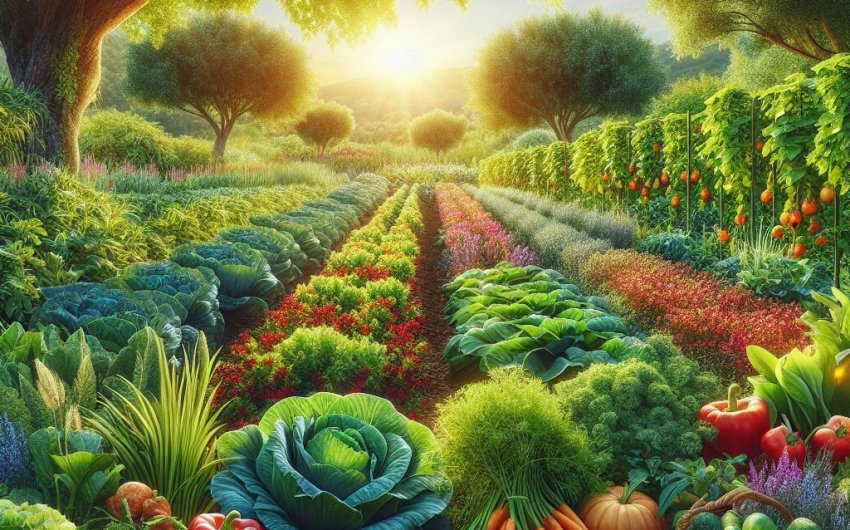
Embarking on an organic vegetable gardening journey is a rewarding endeavor that connects you deeply with nature and provides healthy, delicious produce free from synthetic chemicals. This comprehensive guide will walk you through every essential step, from preparing your soil to harvesting your bounty, all while adhering to sustainable and eco-friendly practices. Discover how to nurture your garden organically for thriving plants and a vibrant ecosystem.
What is Organic Vegetable Gardening?
Understanding the core principles of organic vegetable gardening sets the foundation for a successful and sustainable growing experience. It's more than just avoiding chemicals; it's a holistic philosophy.
Definition of Organic Gardening:
- Beyond "Chemical-Free": While avoiding synthetic pesticides, herbicides, and fertilizers is a cornerstone, organic gardening is fundamentally about working with nature, not against it. It's an approach that prioritizes the long-term health of the soil, plants, and surrounding ecosystem.
- Focus on Soil Health: The philosophy centers on creating and maintaining a living, thriving soil environment. Healthy soil, rich in organic matter and beneficial microorganisms, naturally provides nutrients to plants and helps suppress pests and diseases.
- Ecological Balance: It involves fostering biodiversity, both above and below ground, to create a balanced ecosystem where natural processes manage pests, cycle nutrients, and support plant growth.
Key Principles of Organic Gardening:
- Soil Building:
- No Synthetic Fertilizers: Instead of quick-fix chemical nutrients, organic gardeners rely on compost, aged manure, and natural soil amendments to feed the soil web, which in turn feeds the plants.
- Cover Cropping: Planting specific crops (like clover or vetch) between growing seasons to improve soil structure, add nutrients, and prevent erosion.
- Mulching: Using layers of organic materials (straw, leaves, wood chips) to conserve moisture, suppress weeds, and slowly enrich the soil as they decompose.
- Pest and Disease Management:
- Prevention First: Healthy soil and plants are naturally more resistant.
- Beneficial Insects: Attracting predators (like ladybugs and lacewings) to control pest populations.
- Crop Rotation: Changing the location of crops annually to disrupt pest cycles and prevent nutrient depletion.
- Physical Barriers: Using row covers or hand-picking pests.
- Organic Sprays (Last Resort): Employing natural pesticides like neem oil or insecticidal soap only when necessary and after trying other methods.
- Water Conservation:
- Efficient Irrigation: Using drip irrigation or soaker hoses to deliver water directly to plant roots, minimizing waste.
- Mulch: A thick layer of mulch significantly reduces water evaporation.
- Biodiversity:
- Companion Planting: Growing specific plants together that benefit each other (e.g., deterring pests, improving growth).
- Habitat Creation: Providing habitat for pollinators and beneficial wildlife.
- Seed and Plant Choice:
- Non-GMO and Untreated Seeds: Opting for seeds that haven't been genetically modified or treated with synthetic chemicals.
- Open-Pollinated/Heirloom Varieties: Often preferred for their genetic diversity, flavor, and ability to save seeds.
- Soil Building:
Benefits of Organic Vegetable Gardening:
- Healthier Produce: Food grown without synthetic pesticides has lower chemical residues.
- Improved Flavor and Nutrition: Many believe organically grown vegetables have superior taste and often higher nutrient content due to healthier soil.
- Environmental Protection: Reduces water pollution, protects beneficial insects and wildlife, and promotes soil biodiversity.
- Sustainable Practices: Creates a self-sustaining system that builds soil fertility rather than depleting it.
- Personal Connection: Fosters a deeper connection to where your food comes from and the natural world.
Embracing the principles of organic vegetable gardening transforms your plot into a living ecosystem, delivering nutritious food while nurturing the earth.
How Do You Plan Your Organic Vegetable Garden?
Careful planning is the cornerstone of a successful organic vegetable gardening endeavor. A well-thought-out design saves time, effort, and resources in the long run.
Site Selection - The Most Crucial Step:
- Sunlight is King: Most vegetables need at least 6-8 hours of direct sunlight per day to thrive, especially fruiting plants like tomatoes, peppers, and squash. Leafy greens can tolerate a bit more shade (4-6 hours).
- Observation: Spend a full day observing your potential garden spots, noting how many hours of direct sun each area receives throughout the day and how shadows shift.
- Water Access: Locate your garden reasonably close to a water source. Dragging hoses long distances or hand-carrying water buckets gets tiresome quickly.
- Drainage: Choose a spot with good drainage. Avoid low-lying areas where water pools after rain, as consistently soggy soil leads to root rot.
- Protection: Consider protection from strong winds (which can damage plants or dry out soil) and curious animals (deer, rabbits, etc.). Fencing might be necessary.
- Proximity to Home: A garden closer to your house means you're more likely to tend to it regularly and harvest often.
- Sunlight is King: Most vegetables need at least 6-8 hours of direct sunlight per day to thrive, especially fruiting plants like tomatoes, peppers, and squash. Leafy greens can tolerate a bit more shade (4-6 hours).
Garden Layout - Beds vs. Rows:
- Raised Beds:
- Pros: Excellent drainage, better control over soil quality (you fill them with ideal organic soil), less soil compaction, warmer soil earlier in spring, easier on the back (less bending). Ideal for organic vegetable gardening as it helps isolate and manage soil health.
- Cons: Higher initial cost for materials (wood, stone, metal) and soil, can dry out faster in hot climates.
- Size: Aim for beds no wider than 3-4 feet so you can reach the center without stepping on the soil. Length can vary.
- Materials: Choose untreated wood (cedar, redwood, locust) or metal. You can find cedar raised garden beds online.
- In-Ground Beds (Traditional Rows or Wide Beds):
- Pros: Lower initial cost, natural drainage (if soil is good), can accommodate larger planting areas.
- Cons: More susceptible to soil compaction, takes longer to improve existing soil, rows can be less efficient in space use.
- Wide Beds: If planting in-ground, consider wide beds (2-4 feet wide) instead of single rows to maximize planting space and minimize pathways.
- Raised Beds:
Drawing Your Garden Plan:
- Measure and Map: Sketch out your chosen area to scale. Mark existing features like house walls, fences, large trees, and water spigots.
- Sunlight Paths: Draw how sunlight moves across the garden throughout the day at different times of the year (consider summer and spring/fall).
- Plot Your Plants:
- Tallest to North: Place taller plants (like pole beans, corn, sunflowers) on the north side of the garden (in the Northern Hemisphere) to avoid shading shorter plants.
- Succession Planting: Plan for multiple harvests by planting small batches of quick-growing crops (radishes, lettuce) every 2-3 weeks.
- Crop Rotation: If planning for multiple years, map out how you'll rotate plant families to different beds annually (e.g., tomatoes won't go back into the same spot for 3-4 years). This is crucial for organic vegetable gardening to prevent disease and pest buildup.
- Pathways: Ensure enough space for pathways (18-24 inches wide) between beds for easy access.
Creating a Planting Schedule:
- Know Your Zone: Determine your USDA Hardiness Zone or local equivalent to understand your average last and first frost dates. This dictates when you can safely plant.
- Seed Packets: Read seed packets for planting times (indoor vs. outdoor sowing), days to maturity, and spacing.
- Warm-Season vs. Cool-Season:
- Cool-Season Crops: (Lettuce, spinach, peas, broccoli, cabbage, carrots, radishes) Prefer cooler weather, often planted in early spring and fall.
- Warm-Season Crops: (Tomatoes, peppers, squash, beans, corn, cucumbers) Need warm soil and warm temperatures, planted after all danger of frost has passed.
A thoughtful plan before you dig ensures your organic vegetable gardening efforts are efficient and yield a bountiful harvest.
How Do You Prepare the Soil for Organic Gardening?
The soil is the heart of your organic vegetable gardening system. Healthy, living soil provides the foundation for vigorous plant growth. Unlike conventional methods, organic soil preparation focuses on building long-term fertility rather than short-term boosts.
Assess Your Existing Soil:
- Visual and Feel Test:
- Clay Soil: Heavy, sticky when wet, hard and cloddy when dry. Drains slowly.
- Sandy Soil: Gritty, falls apart easily, drains very quickly.
- Loam: Ideal. Crumbly, holds moisture but drains well, earthy smell.
- Drainage Test: Dig a hole about 1 foot deep and fill it with water.
- Good Drainage: Drains in a few hours.
- Moderate Drainage: Drains within 12-24 hours.
- Poor Drainage: Water remains after 24 hours.
- Soil Test: This is highly recommended, especially for new gardeners or new beds. A professional soil test (from your local extension office or a reputable lab) will tell you:
- pH Level: How acidic or alkaline your soil is. Most vegetables prefer a slightly acidic to neutral pH (6.0-7.0).
- Nutrient Levels: Levels of nitrogen (N), phosphorus (P), potassium (K), and micronutrients.
- Organic Matter Content: Crucial for organic gardening.
- Recommendations: The test results will often provide specific recommendations for organic amendments to balance your soil. You can get a home soil test kit for basic information, but a lab test is more comprehensive.
- Visual and Feel Test:
The No-Till or Low-Till Approach:
- Principle: Organic gardening often advocates for minimal soil disturbance. Tilling (deep digging) can destroy beneficial soil structure, disrupt the soil food web (microbes, fungi, worms), and release stored carbon into the atmosphere.
- Instead of Tilling:
- Layering (Lasagna Gardening): Build new beds by layering organic materials directly on top of existing grass or weeds (cardboard, leaves, straw, compost, etc.). This slowly breaks down into rich soil.
- Broadforking: For established beds, use a broadfork to gently loosen compacted soil without inverting the layers, preserving soil structure. A broadfork garden tool is a great investment.
- Light Digging: If initial digging is necessary to prepare a new bed, do it gently and minimally.
Building Soil Fertility with Organic Matter:
- Compost is Key: Add a generous layer (2-6 inches) of finished compost to your garden beds annually, especially before planting. This is the cornerstone of organic soil health. It improves structure, provides nutrients, and boosts microbial life. You can find organic compost for gardens.
- Aged Manure: Well-rotted manure (from chickens, cows, horses) is an excellent source of nutrients and organic matter. Ensure it's fully aged (6+ months) to avoid burning plants with fresh manure.
- Cover Crops: Plant cover crops (e.g., clover, vetch, rye) in off-seasons. They protect soil from erosion, suppress weeds, and when tilled under (or "chopped and dropped" for no-till), they add organic matter and nutrients. Look for garden cover crop seeds.
- Leaf Mold: Decomposed leaves provide a fantastic source of carbon and improve soil structure.
Adjusting Soil pH and Nutrients (Based on Soil Test):
- Raising pH (Making it less acidic): If your soil is too acidic, add garden lime (calcium carbonate or dolomitic lime).
- Lowering pH (Making it more acidic): If your soil is too alkaline, add elemental sulfur or peat moss.
- Nutrient Boosts (Natural Amendments):
- Nitrogen: Blood meal, fish emulsion, alfalfa meal.
- Phosphorus: Bone meal, rock phosphate.
- Potassium: Greensand, kelp meal, wood ash (use sparingly, can raise pH).
- Application: Apply amendments as recommended by your soil test, typically by sprinkling on the surface and lightly raking in.
By focusing on these organic soil preparation techniques, you create a living, fertile foundation that will nourish your vegetables for years to come in your organic vegetable gardening efforts.
How Do You Plant and Nurture Organic Vegetables?
With your soil prepared, it's time to bring your organic vegetable gardening plan to life! Proper planting and consistent nurturing are key to healthy growth and abundant harvests.
Choosing Seeds and Starts:
- Organic Seeds: Look for seeds labeled "organic" or "OMRI Listed." This means they were produced without synthetic pesticides or fertilizers. You can buy organic vegetable seeds online.
- Non-GMO and Untreated: Ensure seeds are non-GMO (genetically modified organism) and untreated (no chemical fungicides or insecticides applied).
- Heirloom vs. Hybrid:
- Heirloom: Open-pollinated varieties passed down through generations. They grow true to type from saved seeds, often prized for unique flavors.
- Hybrid: Created by crossing two different parent plants. Often have desirable traits (disease resistance, high yield) but saving seeds won't produce the same plant.
- Organic Transplants (Starts): If buying young plants from a nursery, look for "organic" certified starts to ensure they haven't been grown with prohibited chemicals.
Planting Techniques:
- Direct Sowing: Planting seeds directly into the garden bed. Best for root crops (carrots, radishes), beans, peas, corn, and some leafy greens. Follow seed packet instructions for depth and spacing.
- Starting Indoors: Giving seeds a head start indoors under lights. Ideal for warm-season crops with long growing seasons (tomatoes, peppers, eggplants) or delicate seedlings (lettuce, broccoli) to protect them from early pests/weather. Use seed starting trays with domes.
- Transplanting: Gently harden off (acclimate to outdoor conditions) indoor-started seedlings before planting them in the garden. Dig a hole slightly larger than the root ball, place the plant, and backfill gently. Water immediately.
Watering Consistently:
- Deep and Infrequent: Aim for deep watering that encourages roots to grow down into the soil, rather than shallow, frequent watering that keeps roots near the surface.
- When to Water: Feel the soil. Water when the top inch or two feels dry.
- Best Time: Water in the early morning to allow foliage to dry before nightfall, reducing fungal disease risk.
- Efficient Methods:
- Drip Irrigation/Soaker Hoses: Deliver water directly to the root zone, minimizing waste and keeping foliage dry. An automatic drip irrigation kit is highly efficient.
- Hand Watering: Use a watering can or hose with a gentle sprayer at the base of plants.
- Mulch: A thick layer of organic mulch (straw, shredded leaves, wood chips) around plants significantly reduces water evaporation, conserves moisture, and moderates soil temperature.
Organic Fertilization and Feeding:
- Feed the Soil, Not the Plant: Unlike synthetic fertilizers that directly feed plants, organic fertilizers nourish the soil microorganisms, which then make nutrients available to the plants.
- Compost: The primary organic fertilizer. Topdress beds with a fresh layer of compost annually or semi-annually.
- Compost Tea: Brewed from finished compost, this liquid provides a microbial boost and gentle nutrients.
- Organic Amendments: Supplement with specific organic amendments if soil tests show deficiencies:
- Blood Meal/Alfalfa Meal: For nitrogen boost (good for leafy greens).
- Bone Meal/Rock Phosphate: For phosphorus (good for fruiting and root crops).
- Kelp Meal/Greensand: For potassium and micronutrients.
- A bag of organic garden fertilizer will provide balanced nutrition.
- Liquid Feeds: Use organic liquid fertilizers like fish emulsion or liquid seaweed for quick nutrient boosts during peak growth periods.
Weed Control (Organic Methods):
- Mulch: A thick layer of mulch (2-4 inches) is the most effective organic weed control. It blocks sunlight, preventing weed seeds from germinating.
- Hand-Weeding: The old-fashioned way. Remove weeds when they are small; they're easier to pull and haven't competed much with your vegetables. Use a hand weeder tool.
- Hoeing: Use a hoe to lightly disturb the soil surface and cut down young weeds. Avoid deep hoeing which can bring up new weed seeds.
- Close Spacing: Planting vegetables closer together (while still allowing for good air circulation) can help shade out weeds once the plants grow.
- Weed Barriers (limited use): Cardboard or thick newspaper layers under mulch can suppress tough weeds for a season.
By carefully planting and consistently nurturing your vegetables with these organic practices, you'll ensure a thriving organic vegetable gardening plot.
How Do You Manage Pests and Diseases Organically?
One of the biggest challenges in organic vegetable gardening is managing pests and diseases without resorting to synthetic chemicals. The organic approach focuses on prevention, promoting healthy plants, and supporting natural ecological balance.
Prevention is the Best Defense:
- Healthy Soil, Healthy Plants: The single most important step. Plants grown in rich, biologically active soil with balanced nutrients are inherently more resistant to pests and diseases.
- Right Plant, Right Place: Choose vegetable varieties that are well-suited to your local climate and soil conditions. Stressed plants are magnets for problems.
- Proper Spacing: Give plants enough room for good air circulation. Crowded plants are more susceptible to fungal diseases.
- Cleanliness: Remove diseased plant parts immediately. Sanitize tools between uses. Clean up garden debris at the end of the season to eliminate overwintering sites for pests and pathogens.
- Watering Wisely: Water the soil, not the foliage, especially in the evening, to reduce fungal issues.
Promoting Beneficial Insects (Natural Predators):
- Attract Them: Plant beneficial insect attractors like dill, fennel, cilantro, cosmos, sunflowers, marigolds, and calendula. These provide nectar and pollen for beneficial insects. A pollinator seed mix can help.
- Know Your Allies: Recognize common beneficial insects like:
- Ladybugs: Feast on aphids.
- Lacewings: Larvae eat aphids, mealybugs, spider mites.
- Praying Mantises: Eat a wide variety of insects.
- Hoverflies: Larvae eat aphids.
- Parasitic Wasps: Lay eggs inside pest larvae, killing them.
- Avoid Harmful Sprays: Do not use broad-spectrum pesticides, as they will kill beneficial insects along with pests.
Physical and Cultural Controls:
- Hand-Picking: For larger pests like tomato hornworms or slugs, physically remove them from plants. Do this early in the morning or evening. Wear gardening gloves.
- Row Covers: Lightweight fabric covers can physically exclude insect pests (like cabbage worms, squash bugs, cucumber beetles) from young plants. Remove them during flowering for pollination. A roll of garden row cover fabric is versatile.
- Sticky Traps: Yellow sticky traps can catch flying insect pests like whiteflies and fungus gnats.
- Beer Traps: Shallow dishes of beer buried flush with the soil attract and drown slugs and snails.
- Crop Rotation: Crucial for disease and pest prevention. Do not plant vegetables from the same family in the same spot more than once every 3-4 years. This breaks disease and pest life cycles.
- Companion Planting: Strategically planting certain vegetables and herbs together to deter pests or attract beneficial insects.
- Marigolds (around tomatoes) to deter nematodes.
- Nasturtiums (trap crops for aphids).
- Basil (improves tomato growth and deters flies).
- Garlic/onions (deter various pests).
Organic Sprays (As a Last Resort):
- Only use these when other methods have failed, and target the specific pest or disease. Always follow label directions carefully.
- Insecticidal Soap: Effective against soft-bodied insects like aphids, whiteflies, and spider mites. Works by suffocating them.
- Neem Oil: A natural botanical insecticide/fungicide that disrupts insect feeding and reproduction, and can inhibit fungal growth.
- Bacillus thuringiensis (Bt): A naturally occurring bacterium specific to caterpillars. Harmless to humans, pets, and other insects.
- Copper or Sulfur-Based Fungicides: Organic options for certain fungal diseases, but use sparingly as they can accumulate in the soil. A copper fungicide spray is commonly used.
Organic pest and disease management requires observation, patience, and a holistic approach, but it's essential for truly sustainable organic vegetable gardening.
When and How Do You Harvest Organic Vegetables?
The culmination of your organic vegetable gardening efforts is the harvest! Knowing when and how to pick your produce ensures the best flavor, extends the harvest period, and keeps your plants productive.
Timing is Everything:
- Days to Maturity (DTM): Check seed packets or plant tags for "Days to Maturity." This provides an estimate from planting (or transplanting) to the first harvest. However, DTM is an estimate; actual timing depends on weather, soil, and variety.
- Visual Cues: This is the most important indicator. Look for:
- Size: Is the vegetable the right size for its variety? (e.g., zucchini are best small, while winter squash need to be fully mature).
- Color: Is it the expected color? (e.g., green beans are green, ripe tomatoes are red/yellow/orange).
- Firmness: Is it firm but not hard? (e.g., ripe peppers).
- Texture: Is it smooth or rough as expected?
- Ease of Picking: Does it detach easily from the plant, or does it require a strong tug? (e.g., ripe tomatoes should twist off easily).
Harvesting Techniques (Tools and Tips):
- Harvesting Shears/Clippers: Invest in a good pair of sharp, clean gardening shears. This prevents damage to the plant, which can inhibit future production.
- Beans and Peas: Pick regularly to encourage more production. Snap or cut pods off the vine, avoiding tearing.
- Leafy Greens (Lettuce, Spinach, Kale, Swiss Chard):
- "Cut and Come Again": Harvest outer leaves first, leaving the inner leaves to continue growing. This allows for multiple harvests from the same plant.
- Whole Head: For head lettuce, cut the entire head at the base when firm.
- Tomatoes: Gently twist the fruit until the stem breaks at the knuckle joint. Pick when fully colored and slightly soft.
- Peppers: Cut the stem just above the fruit. Pick when firm and fully colored.
- Cucumbers/Zucchini: Pick when small and tender for best flavor. Larger ones tend to be seedy. Cut the stem, don't twist.
- Root Vegetables (Carrots, Radishes, Beets):
- Check Size: Gently brush away some soil to see the top of the root.
- Pull Gently: Loosen soil around the root, then pull steadily.
- Broccoli/Cauliflower:
- Broccoli: Cut the main head when tight and firm. Side shoots will often develop for later harvests.
- Cauliflower: Harvest when the head is firm and white (or colored for specialty varieties).
- Herbs: Snip off leaves or stems as needed. Regular harvesting encourages bushier growth.
Frequency of Harvest:
- Regularity is Key: Many vegetables (beans, peas, cucumbers, zucchini, peppers, leafy greens) produce more the more frequently you harvest. If you leave mature fruit/pods on the plant, it signals the plant to stop producing.
- Daily Check: During peak season, check your garden daily for ripe produce.
Post-Harvest Care:
- Clean and Store: Wash vegetables gently to remove soil. Store them according to their specific needs (some prefer refrigeration, others cool dark places).
- Eat Fresh: The best part of organic vegetable gardening is enjoying your harvest fresh from the garden!
- Preserve: Consider canning, freezing, or drying excess produce to enjoy later.
Enjoy the delicious fruits (and vegetables!) of your labor. The satisfaction of harvesting your own organically grown food is truly one of the greatest rewards of organic vegetable gardening.