
Mastering Raised Bed Gardening: Tips and Tricks
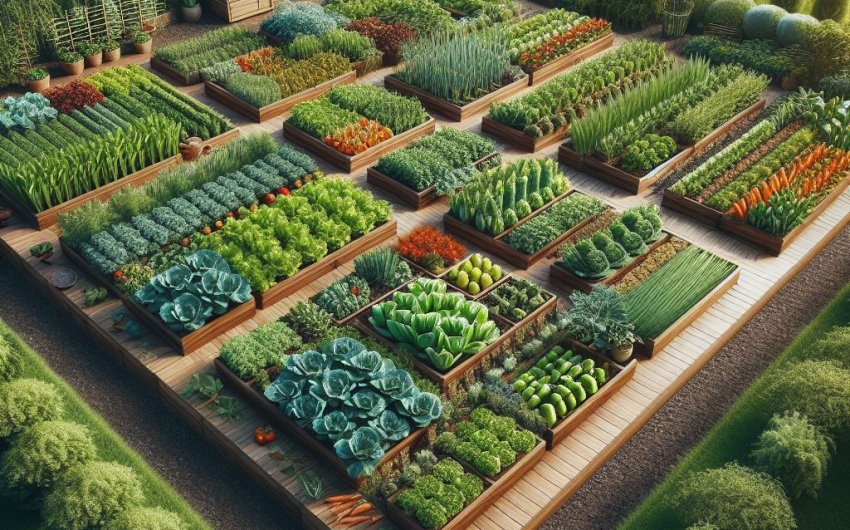
Mastering raised bed gardening unlocks a world of benefits, offering improved soil control, better drainage, and reduced physical strain compared to traditional in-ground planting. These elevated growing spaces provide an ideal environment for nurturing healthy plants, from vibrant vegetables to bountiful herbs and colorful flowers. By understanding key strategies and applying effective techniques, you can maximize your harvest and enjoy a more efficient and rewarding gardening experience.
Why Should You Choose Raised Beds for Your Garden?
Raised beds have become incredibly popular among gardeners of all experience levels, and for good reason. They offer numerous advantages over traditional in-ground gardening, addressing common challenges and making gardening more accessible and productive.
What Are the Advantages of Raised Beds?
Choosing to garden in raised beds can significantly improve your growing success and make the entire process more enjoyable. Their elevated nature and contained environment provide several distinct benefits.
- Improved Soil Quality: This is arguably the biggest advantage. You get to control the exact composition of your soil. You can fill your raised bed with a rich, well-draining blend of raised bed soil mix and compost, tailor-made for your plants, without worrying about native soil quality, compaction, or heavy clay. This leads to healthier roots and more vigorous plant growth.
- Better Drainage: Raised beds naturally drain more efficiently than in-ground gardens, preventing waterlogging that can lead to root rot. Excess water can flow away freely, ensuring roots get the oxygen they need. This is especially beneficial in areas with heavy clay soils or high rainfall.
- Extended Growing Season: The soil in raised beds warms up faster in the spring because it's elevated and exposed to more sunlight. This allows you to plant earlier. Similarly, the soil stays warmer later into the fall, extending your harvest season.
- Reduced Weeds: While not entirely weed-free, raised beds typically have far fewer weeds than traditional gardens. The clean, purchased soil mix is less likely to contain weed seeds, and the elevated height makes any weeding that does occur much easier on your back and knees.
- Easier Accessibility: The elevated height means less bending, kneeling, and stooping, making gardening more comfortable, especially for individuals with mobility issues or back problems. This ergonomic benefit is a major draw for many gardeners.
- Pest Control: The raised sides can deter some ground-dwelling pests (like slugs and snails) and can make it easier to install barriers like copper tape for slugs or fencing to keep out larger critters.
- Defined Garden Space: Raised beds create clear, attractive boundaries for your garden, giving it a neat and organized appearance. This can integrate gardening beautifully into your landscape design.
- Denser Planting: Because you don't walk on the soil in a raised bed, it remains uncompacted. This allows you to plant crops closer together than in traditional rows, maximizing your yield in a smaller footprint (often referred to as intensive gardening or square foot gardening).
What Are the Best Materials and Sizes for Raised Beds?
Choosing the right materials and dimensions for your raised beds is a fundamental step that impacts their durability, aesthetics, and ease of use. Consider longevity, cost, and how the material complements your garden design.
What Materials Should I Use for My Raised Beds?
The material you choose for your raised bed walls affects its lifespan, cost, and appearance. Each option has its pros and cons.
- Wood:
- Cedar: This is a popular choice due to its natural resistance to rot and insects, making it a long-lasting option without chemical treatment. Cedar raised garden beds are durable and attractive.
- Redwood: Similar to cedar in its rot resistance and aesthetic appeal, though often more expensive and harder to source depending on your location.
- Douglas Fir/Pine: More affordable, but less rot-resistant. If using these, consider lining the interior with pond liner material or using food-safe wood preservatives on the exterior to extend their life.
- Avoid: Chemically treated lumber (like older pressure-treated wood) as it can leach harmful chemicals into your soil. Look for "ACQ" (Alkaline Copper Quaternary) treated wood if you must use pressure-treated, as it's considered safer for gardens, but natural rot-resistant wood is always preferred.
- Metal:
- Galvanized Steel: Increasingly popular, galvanized steel raised beds are durable, rust-resistant, and have a modern, sleek look. They absorb and radiate heat, which can be beneficial in cooler climates for warming the soil.
- Corrugated Metal: Often used for a rustic or industrial aesthetic. It's strong and long-lasting.
- Considerations: Can get very hot in direct sun, potentially overheating soil on the edges. Painting the exterior a lighter color can help mitigate this.
- Stone/Brick/Concrete Blocks:
- Pros: Extremely durable, long-lasting, and offer a classic, permanent look. Excellent at retaining heat.
- Cons: More labor-intensive and expensive to build. Once in place, they are very difficult to move. Can take up more planting space due to thicker walls. Look for concrete retaining wall blocks that are non-toxic.
- Recycled Plastic/Composite:
- Pros: Very durable, rot-proof, insect-proof, and virtually maintenance-free. Made from recycled materials, making them an eco-friendly choice. Often mimic the look of wood. Recycled plastic raised beds are a good option.
- Cons: Can be more expensive upfront than some wood options.
What Are the Ideal Dimensions for Raised Beds?
The size of your raised bed impacts accessibility, soil volume, and the types of plants you can grow. Strategic dimensions improve functionality and make gardening easier.
- Width:
- Maximum 4 Feet: This is the most critical dimension. A width of no more than 4 feet (1.2 meters) allows you to comfortably reach the center of the bed from either side without stepping on the soil. This prevents soil compaction.
- Ideal: 3 feet (0.9 meters) is often even more comfortable for many gardeners, allowing easy access.
- Length:
- Flexible: The length can be as long as you desire or as your space allows. Common lengths are 6, 8, or 12 feet. Consider how easily you can move around the bed.
- Height:
- Minimum 6-8 Inches (15-20 cm): This provides enough depth for most shallow-rooted vegetables and improves drainage.
- Ideal 10-12 Inches (25-30 cm): This depth is excellent for most vegetables and herbs, offering good root development and significantly better drainage and warmth.
- Maximum 18-24 Inches (45-60 cm): For maximum ergonomic comfort (less bending) and growing deep-rooted crops, this height is ideal. However, it requires a significant amount of soil to fill.
- Considerations: Taller beds mean more soil, which can increase initial cost and effort to fill.
How Do You Prepare and Fill Your Raised Beds?
Proper preparation and filling are crucial for establishing a healthy and productive raised bed garden. This foundational work sets the stage for thriving plants and abundant harvests.
What Should I Do Before Filling?
Before you start adding soil, a few preparatory steps will ensure your raised bed is ready for planting and performs its best.
- Choose the Right Location: Select a spot that receives at least 6-8 hours of direct sunlight per day for most vegetables. Ensure it's reasonably level or can be leveled with a bit of digging. Consider proximity to a water source.
- Clear the Area: Remove any existing weeds, grass, or debris from the footprint of your raised bed.
- Level the Ground: Use a garden level to ensure the base of your bed is level. This prevents one side from holding more water than the other and ensures even plant growth.
- Install a Weed Barrier/Liner (Optional but Recommended):
- Purpose: To prevent weeds and grass from growing up into your raised bed from below. It also helps deter burrowing pests.
- Materials: Lay down a layer of cardboard (remove all tape and labels), thick layers of newspaper, or a specialized weed barrier fabric for raised beds at the bottom of your raised bed before filling. Cardboard and newspaper will break down over time, adding organic matter. Avoid plastic sheeting as it prevents drainage.
What is the Best Way to Fill a Raised Bed?
Filling a raised bed efficiently and effectively can save money and improve soil quality. The "lasagna gardening" method or layered approach is often recommended.
- Bottom Layer (Bulky Organic Matter - Optional): For very deep beds (18+ inches), you can start with a layer of bulky organic matter to reduce the amount of expensive topsoil needed and create a slow-release nutrient source as it breaks down.
- Materials: Logs (untreated), branches, wood chips, straw bales, old leaves, grass clippings (non-treated), or old cardboard boxes. This mimics the "Hugelkultur" method.
- Depth: This layer should ideally be no more than the bottom 1/3 to 1/2 of your bed.
- Middle Layer (Carbon-Rich Material - Optional): If you've used a thick woody bottom layer, you might consider a layer of more carbon-rich material.
- Materials: Shredded leaves, straw, or untreated wood shavings.
- Main Fill (Quality Soil Blend): This is the most crucial layer where your plants will primarily grow their roots.
- Mixture: A good raised bed mix is typically 60% high-quality topsoil, 30% compost (finished compost, not raw), and 10% perlite or vermiculite for aeration and drainage. You can buy pre-made raised bed soil blends.
- Benefits: This mix provides excellent drainage, good aeration, and a rich supply of nutrients, creating an ideal growing medium for most plants.
- Top Layer (Compost/Fertilizer):
- Finish with Compost: Top off the bed with a few inches of good quality compost.
- Amendments: You can also mix in some slow-release organic granular fertilizer like blood meal, bone meal, or a balanced organic fertilizer according to your plant's needs.
- Water Thoroughly: After filling, water the entire bed deeply. This will help settle the soil and activate the beneficial microbes. You may need to top up the soil after a few days as it settles.
What Are Smart Planting Strategies for Raised Beds?
The confined nature of raised beds allows for unique and highly efficient planting strategies that maximize yield and promote plant health in a smaller footprint. Moving beyond traditional rows is key.
How Does Intensive Planting Work?
Intensive planting, often associated with square foot gardening, focuses on planting crops closer together than in conventional rows, making the most of every square inch in your raised bed.
- Maximize Space: Instead of single rows, plant in a grid pattern or a staggered arrangement. This utilizes the entire surface area of the bed, allowing you to grow more plants in a smaller space.
- No Wasted Pathways: Since you don't walk inside raised beds, all the space is dedicated to growing. This means more plants per square foot.
- Mound Planting: For vining plants like squash or cucumbers, create small mounds. This provides good drainage for the plant's crown and allows the vines to trail over the side of the bed.
- Visual Planning: Use a measuring tape or string to divide your bed into square foot sections for easy planning and organization, especially if following a square foot gardening guide.
What Is Companion Planting?
Companion planting involves placing specific plants together that benefit each other, whether by deterring pests, attracting beneficial insects, improving growth, or enhancing flavor.
- Pest Deterrence:
- Marigolds: Plant marigolds near vegetables to repel nematodes and other pests.
- Basil: Plant basil near tomatoes to deter tomato hornworms and whiteflies.
- Garlic/Onions: Can deter aphids and other sap-sucking insects.
- Attracting Beneficial Insects:
- Dill, Fennel, Cilantro: Allow some of these herbs to flower to attract predatory insects like ladybugs, lacewings, and hoverflies that feed on aphids and other pests.
- Growth Enhancement:
- Legumes (Beans/Peas): These fix nitrogen in the soil, benefiting nearby heavy feeders like corn or squash.
- Shade Provision:
- Tall Plants for Shade: Plant tall crops (e.g., pole beans, corn) to provide shade for more heat-sensitive plants (e.g., lettuce, spinach) during the hottest parts of summer.
- Support and Structure:
- Corn and Beans: The "Three Sisters" method (corn, beans, and squash) is a classic example where corn provides a trellis for beans, beans fix nitrogen for corn, and squash shades the soil.
How Do I Implement Vertical Gardening?
Vertical gardening in raised beds maximizes space by encouraging plants to grow upwards, making it ideal for vining crops or adding layers of interest.
- Trellises and Supports: Install garden trellises, stakes, or cages directly into your raised bed to support climbing plants.
- Vining Vegetables: Grow cucumbers, pole beans, peas, vining squash, and certain tomatoes (indeterminate varieties) vertically.
- Fruits: Some vining fruits like certain melon varieties can also be trained vertically with proper support.
- Arch Trellises: Consider an arch trellis over a raised bed to create a beautiful and productive tunnel for climbing plants.
- Staking and Tying: As plants grow, gently tie them to their supports using soft ties or clips to encourage upward growth and prevent breakage.
- Benefits:
- Space Saving: Greatly increases your growing capacity in a small area.
- Improved Airflow: Vertical growth enhances air circulation, reducing disease.
- Easier Harvesting: Fruits and vegetables are easier to spot and pick at eye level.
What Are Essential Watering and Fertilizing Tips?
Effective watering and mindful fertilizing are key to a thriving raised bed garden. Because raised beds drain so well, they often have different moisture and nutrient needs than in-ground gardens.
How Should I Water My Raised Beds?
Raised beds tend to dry out faster than in-ground gardens, especially if they are tall and exposed to sun and wind. Consistent and appropriate watering is vital.
- Check Soil Moisture Regularly: Don't rely on a fixed schedule. Instead, check the soil moisture daily, especially during hot, dry weather. Stick your finger 2-3 inches deep into the soil. If it feels dry, it's time to water.
- Deep, Infrequent Watering: When you water, water deeply and thoroughly until water drains from the bottom of the bed. This encourages roots to grow deeper, making the plants more resilient. Frequent, shallow watering encourages shallow root systems.
- Morning is Best: Water in the morning to allow foliage to dry before nightfall, reducing the risk of fungal diseases. Watering in the heat of the day can lead to rapid evaporation.
- Gentle Application: Use a watering wand with a gentle spray or a watering can with a rose head to avoid washing away seeds or damaging delicate plants.
- Drip Irrigation/Soaker Hoses: Consider installing a drip irrigation system for raised beds or soaker hoses. These deliver water directly to the root zone, minimizing evaporation and ensuring efficient water use. They are particularly useful for busy gardeners.
How Should I Fertilize My Raised Beds?
While you start with rich soil, plants are heavy feeders, and nutrients will be depleted over time. Regular fertilization helps maintain plant vigor and productivity.
- Start with Rich Soil: As mentioned in filling the bed, begin with a soil mix rich in compost and organic matter. This provides a slow-release base of nutrients.
- Top Dressing with Compost: Annually, especially at the beginning of the growing season, add a 1-2 inch layer of fresh compost to the top of your raised bed. This naturally replenishes nutrients and improves soil structure.
- Balanced Organic Fertilizer: For heavy feeders or if your plants show signs of nutrient deficiency, supplement with a balanced organic granular fertilizer or a liquid feed.
- Granular: Mix into the top few inches of soil before planting or sprinkle around established plants according to package directions.
- Liquid: Apply a diluted liquid seaweed fertilizer or fish emulsion every 2-4 weeks during the active growing season.
- Read Plant Needs: Different plants have different nutrient requirements. Tomatoes and corn are heavy feeders, while root vegetables prefer less nitrogen. Tailor your feeding to your specific crops.
- Avoid Over-Fertilizing: More isn't always better. Too much fertilizer can burn plant roots or lead to excessive leafy growth at the expense of fruits.
What Are Advanced Tips for Maximizing Yield and Health?
Once you've mastered the basics, several advanced techniques can further boost your raised bed garden's productivity, resilience, and long-term health. These strategies focus on optimizing growing conditions and efficient resource use.
How Can I Practice Succession Planting?
Succession planting involves planting crops in staggered intervals to ensure a continuous harvest throughout the growing season, rather than having all your crops mature at once.
- Staggered Planting: Instead of planting an entire bed of lettuce seeds at once, plant a small row every 2-3 weeks. This ensures you have a fresh supply of lettuce over a longer period.
- Follow-Up Planting: As one crop finishes its production or is harvested, immediately plant a new crop in its place.
- Example 1: After harvesting early spring radishes or spinach, plant heat-loving beans or cucumbers in the same spot.
- Example 2: Once your early summer lettuce bolts (goes to seed), replace it with fall crops like kale or broccoli.
- Benefits: Maximizes the use of your raised bed space over the entire growing season, provides a steady supply of fresh produce, and helps manage pest cycles by breaking up continuous plantings of the same crop.
What Is Crop Rotation?
Crop rotation involves changing the location of different plant families in your garden each season. This is crucial for maintaining soil health and preventing the buildup of pests and diseases specific to certain crops.
- Why it's Important:
- Nutrient Management: Different plants use different nutrients from the soil. Rotating helps balance nutrient depletion. For example, nitrogen-fixing legumes (beans, peas) can follow heavy feeders (corn, tomatoes).
- Pest and Disease Control: Many pests and diseases overwinter in the soil or target specific plant families. By moving plant families around, you disrupt their life cycle and prevent them from building up in one spot.
- Simple Rotation Plan: Divide your crops into groups (e.g., leafy greens, root vegetables, fruiting vegetables, legumes). Aim to plant a different group in each section of your raised bed annually.
- Year 1: Section A - Leafy Greens, Section B - Root Vegetables
- Year 2: Section A - Root Vegetables, Section B - Fruiting Vegetables (or Legumes)
- Record Keeping: Keep a simple garden journal to record what you planted where each year. This makes it easy to plan your rotations for the following seasons. A garden journal for planning can be very helpful.
How Can I Use Cover Cropping or Green Manure?
Cover cropping or green manure involves planting specific crops not for harvest but to benefit the soil, especially during off-seasons.
- Purpose: After harvesting your main crops, especially if you plan to leave the bed fallow (empty) for a period, planting a cover crop protects the soil, adds organic matter, and prevents nutrient leaching.
- Benefits:
- Soil Improvement: Improves soil structure, aeration, and drainage.
- Nutrient Addition: Leguminous cover crops (e.g., clover, vetch) fix nitrogen in the soil. Other cover crops accumulate nutrients, which are released when they are tilled under.
- Weed Suppression: Smothers weeds by competing for light and resources.
- Erosion Control: Protects bare soil from wind and water erosion.
- Common Cover Crops for Raised Beds:
- Clover: Clover seeds are good nitrogen fixers.
- Winter Rye: Excellent for adding organic matter and suppressing weeds.
- Buckwheat: Grows quickly, good for short fallow periods.
- Incorporation: Before your next planting season, either dig the cover crop into the soil (before it goes to seed) or cut it down and let it decompose on the surface as a "chop and drop" mulch.
How Does Mulching Benefit Raised Beds?
Mulching involves applying a layer of organic material to the soil surface. This simple practice offers a multitude of benefits for raised beds.
- Moisture Retention: Mulch acts as a blanket, reducing water evaporation from the soil. This means you'll water less frequently, conserving water.
- Weed Suppression: A thick layer of mulch (2-4 inches) smothers weed seeds and blocks sunlight, significantly reducing weed growth.
- Temperature Moderation: Mulch insulates the soil, keeping it cooler in summer and warmer in winter, which helps stabilize root temperatures.
- Soil Improvement: As organic mulch breaks down, it adds valuable organic matter to the soil, improving its structure, fertility, and microbial life.
- Cleanliness: Keeps fruits and vegetables off the soil, reducing rot and making them cleaner to harvest.
- Common Mulch Materials for Raised Beds:
- Straw: Clean straw (not hay, which has seeds) is lightweight, affordable, and breaks down well.
- Wood Chips/Shredded Bark: Longer-lasting but can tie up nitrogen as they decompose. Best for pathways or around established woody plants.
- Compost: Acts as both a mulch and a slow-release fertilizer.
- Shredded Leaves: Free, readily available in fall, and decompose beautifully.
By applying these thoughtful mastering raised bed gardening: tips and tricks, you'll cultivate a more productive, manageable, and enjoyable garden space, yielding bountiful harvests and enriching your connection with nature.