
The Ultimate Guide to Choosing Porch Flowers for Every Season
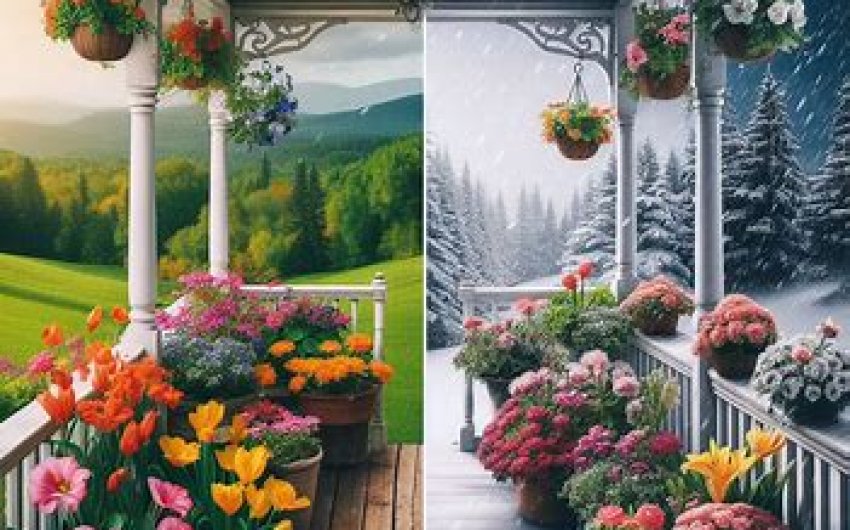
Choosing porch flowers for every season means selecting plants that thrive in your local climate and complement seasonal aesthetics. Focus on hardy annuals and perennials that tolerate varying temperatures, adding seasonal colors, textures, and festive charm to your entryway year-round.
What should I consider before choosing porch flowers for any season?
Before diving into specific porch flowers for every season, it's crucial to evaluate your porch's unique environmental conditions and your personal preferences. A little planning ensures your chosen plants will thrive and provide continuous beauty throughout the year.
Key considerations for year-round porch flowers:
- Light Conditions: This is the most critical factor.
- Full Sun: 6+ hours of direct sun (south/west-facing, unobstructed).
- Partial Sun/Part Shade: 3-6 hours of sun (east-facing, or some filtered afternoon sun).
- Full Shade: Less than 3 hours of direct sun (north-facing, or heavily obstructed).
- Observation: Observe your porch at different times of day to understand its light profile.
- Climate Zone (USDA Hardiness Zone): Knowing your zone helps you select plants that can survive your winters (for perennials) or thrive during your specific growing seasons.
- Space and Size:
- Porch Size: A small bistro porch might need compact arrangements, while a grand porch can handle large planters and multiple groupings.
- Plant Mature Size: Consider how large a plant will get.
- Container Choice:
- Material: Terracotta (dries faster), plastic (retains moisture), ceramic (good insulation), metal (can heat up quickly in sun).
- Drainage: Crucial! All pots must have drainage holes.
- Size: Larger pots offer more insulation and retain moisture longer, reducing watering frequency.
- Watering & Maintenance Commitment:
- Be realistic about how often you're willing to water, fertilize, and deadhead. Some plants are far thirstier or more demanding than others.
- Aesthetics & Style:
- Home Style: Choose plants and containers that complement your home's architecture and color.
- Color Palette: Do you want vibrant, bold, or serene colors?
- Pet/Child Safety: If you have curious pets or small children, be aware of any toxic plants.
Which porch flowers are best for vibrant spring displays?
Spring is the season of renewal, and your porch can burst with fresh color with the right porch flowers. The best choices for vibrant spring displays thrive in cooler temperatures, offering a cheerful welcome after winter's chill.
Top spring porch flowers:
- Pansies & Violas (Viola x wittrockiana & V. cornuta):
- Light: Full sun to part shade.
- Why they're great: Cold-tolerant, come in an astonishing array of colors, often with charming "faces." Can be planted in fall for early spring blooms.
- Impact: Create dense carpets of vibrant color.
- Tulips (Tulipa species, often forced in pots):
- Light: Full sun to part shade.
- Why they're great: The quintessential spring flower. Can buy pre-forced potted tulips or plant bulbs in fall.
- Impact: Classic, elegant, and vibrant burst of color.
- Daffodils (Narcissus species, often forced in pots):
- Light: Full sun to part shade.
- Why they're great: Cheerful yellow, white, or orange blooms. Deer-resistant.
- Impact: Bright, sunny, and heralds spring's arrival.
- Hyacinths (Hyacinthus orientalis):
- Light: Full sun to part shade.
- Why they're great: Fragrant, dense flower spikes in blues, purples, pinks, and white.
- Impact: Adds incredible fragrance and strong vertical interest.
- Ranunculus (Ranunculus asiaticus):
- Light: Full sun.
- Why they're great: Ruffled, multi-petaled blooms in jewel tones. Elegant and romantic.
- Impact: Adds sophistication and lush texture.
- Primroses (Primula vulgaris):
- Light: Part shade to full shade.
- Why they're great: Compact plants with vibrant blooms in a wide color range.
- Impact: Perfect for shady spots, providing cheerful color at ground level.
- Dianthus (Dianthus species):
- Light: Full sun.
- Why they're great: Often called "Pinks" for their color or fringed petals. Hardy, fragrant, and come in various shades of pink, red, and white.
- Impact: Adds a charming, cottage-garden feel.
- Forget-Me-Nots (Myosotis sylvatica):
- Light: Part shade to full shade.
- Why they're great: Delicate blue flowers create a lovely, ethereal carpet.
- Impact: Perfect for softening edges and filling in around taller plants.
Which porch flowers thrive in the heat of summer?
The heat of summer demands resilient porch flowers that can withstand intense sun, high temperatures, and often drier conditions. The best choices for vibrant summer displays are heat-tolerant annuals and some tough perennials that will provide continuous color when other plants wilt.
Top summer porch flowers:
- Petunias (Petunia hybrida):
- Light: Full sun.
- Why they're great: Prolific bloomers, available in every color imaginable, many trailing varieties. New "Supertunia" and "Wave Petunia" series are especially heat tolerant.
- Impact: Create abundant, cascading explosions of color.
- Geraniums (Pelargonium x hortorum):
- Light: Full sun.
- Why they're great: Classic porch flower, sturdy, vibrant colors (red, pink, white, orange). Drought-tolerant once established.
- Impact: Provide strong, traditional bursts of color.
- Calibrachoa (Calibrachoa hybrid - Million Bells):
- Light: Full sun.
- Why they're great: Resemble miniature petunias, bloom tirelessly, and cascade beautifully. Very heat tolerant.
- Impact: Continuous, jewel-toned spills of color.
- Lantana (Lantana camara):
- Light: Full sun.
- Why they're great: Extremely heat and drought tolerant, attracts butterflies, colorful clusters of flowers often changing color.
- Impact: Adds vibrant, long-lasting color and attracts pollinators.
- Verbena (Verbena hybrid):
- Light: Full sun.
- Why they're great: Sprawling, trailing plants with clusters of small flowers in purple, pink, red, or white. Very tough in heat.
- Impact: Softens container edges with continuous blooms.
- Coleus (Coleus scutellarioides):
- Light: Full sun to full shade (depending on variety).
- Why they're great: Grown for its incredible foliage colors and patterns (not flowers). Provides continuous color without needing deadheading. Many sun-tolerant varieties now exist.
- Impact: Adds dramatic color and texture, especially bold tropical vibes.
- Begonias (Begonia species, especially Dragon Wing or Rex):
- Light: Part shade to full shade.
- Why they're great: Excellent for shady porches, offering continuous blooms (Dragon Wing) or stunning foliage (Rex). Heat tolerant in shade.
- Impact: Brightens dark spots with flowers or vibrant leaves.
- New Guinea Impatiens (Impatiens hawkeri):
- Light: Part sun to part shade.
- Why they're great: Disease resistant, large, vibrant flowers, and attractive foliage. Thrive in hot, humid shade.
- Impact: Large, colorful blooms for shadier spots.
- Zinnias (Zinnia elegans - dwarf varieties):
- Light: Full sun.
- Why they're great: Easy to grow, bright, cheerful blooms, and heat-loving. Attracts butterflies.
- Impact: Adds country charm and continuous color.
- Portulaca (Portulaca grandiflora - Moss Rose):
- Light: Full sun.
- Why they're great: Succulent foliage, vibrant, rose-like flowers. Extremely drought and heat tolerant.
- Impact: Creates a carpet of color in the driest, sunniest spots.
Which porch flowers are ideal for colorful fall displays?
As summer wanes, the best porch flowers for colorful fall displays embrace the season's rich palette of golds, reds, oranges, and deep purples. These plants tolerate cooler temperatures and often feature robust blooms or vibrant foliage, creating a warm and inviting atmosphere.
Top fall porch flowers:
- Mums (Chrysanthemum):
- Light: Full sun.
- Why they're great: The quintessential fall flower. Available in a huge range of colors (rust, gold, burgundy, purple, orange, white) and flower forms.
- Impact: Provide an instant burst of dense, autumnal color.
- Pansies & Violas (Viola x wittrockiana & V. cornuta):
- Light: Full sun to part shade.
- Why they're great: Planted in fall, they offer vibrant color through cool weather, often surviving mild winters to rebloom in spring.
- Impact: Cheerful and long-lasting color, excellent for layered plantings.
- Ornamental Cabbage & Kale (Brassica oleracea):
- Light: Full sun to part shade.
- Why they're great: Not true flowers, but their vibrant, often ruffled or variegated leaves (pinks, purples, creams, greens) intensify in color with cooler temperatures.
- Impact: Provide dramatic texture and color, becoming more striking as the weather gets colder.
- Celosia (Celosia argentea):
- Light: Full sun.
- Why they're great: Unique feathery or cockscomb-like flowers in fiery reds, oranges, yellows, and purples.
- Impact: Adds dramatic texture and intense fall colors.
- Dianthus (Dianthus species):
- Light: Full sun.
- Why they're great: Many varieties are cold-tolerant and continue to bloom well into fall, often with red or pink blooms.
- Impact: Adds a delicate pop of color and often a spicy fragrance.
- Fountain Grass (Pennisetum setaceum 'Rubrum'):
- Light: Full sun.
- Why they're great: While an ornamental grass, its burgundy foliage and feathery plumes offer significant autumnal color and texture.
- Impact: Adds height, movement, and a rich, deep color to arrangements.
- Sedum (Sedum spectabile or 'Autumn Joy'):
- Light: Full sun.
- Why they're great: Perennial grown for its robust flower heads that bloom in late summer and gradually turn shades of pink, red, and rust through fall.
- Impact: Provides lasting structure and evolving fall color.
- Dusty Miller (Senecio cineraria):
- Light: Full sun.
- Why they're great: Its silvery-white, fuzzy foliage provides a beautiful cool contrast to the warm fall colors and is quite cold-hardy.
- Impact: Brightens arrangements and adds unique texture.
Which porch accents can provide beauty in winter?
Even when the ground is frozen, your porch can maintain beauty and seasonal charm with the right winter accents. While true porch flowers are scarce, incorporating cold-hardy greenery, berries, and festive elements creates an inviting display.
Top winter porch accents:
- Evergreen Boughs & Wreaths:
- Why they're great: Fresh cuttings from fir, pine, cedar, or cypress provide vibrant green color and a fresh scent that lasts for weeks or months in cold weather.
- Impact: Classic, festive, and provides structure.
- Berries & Branches:
- Holly branches: Bright red berries and glossy green leaves.
- Winterberry (Ilex verticillata): Brilliant red berries on bare branches.
- Dogwood branches: Red-stemmed varieties add vibrant color.
- Birch logs/branches: Natural, rustic texture.
- Impact: Adds pops of color, natural texture, and vertical interest.
- Potted Evergreens (Dwarf Conifers):
- Why they're great: Small dwarf conifers (like dwarf Alberta spruce, juniper, or boxwood) in pots provide year-round structure and can be decorated seasonally.
- Impact: Offer permanent greenery that can be reused year after year.
- Cyclamen (Cyclamen persicum):
- Light: Part shade to full shade.
- Why they're great: If protected from severe frost, these delicate flowers bloom in shades of pink, red, and white during winter.
- Impact: Provides a rare burst of actual flower color in winter, but needs mild winter temperatures.
- Hellebores (Helleborus species - Lenten Rose/Christmas Rose):
- Light: Part shade to full shade.
- Why they're great: Extremely cold-hardy perennial, often blooming in late winter/early spring with nodding flowers in various colors.
- Impact: Provides sophisticated, early winter flower interest that can survive snow.
- Forced Bulbs (for short-term display):
- Why they're great: Bring potted Paperwhites (Narcissus tazetta), Hyacinths, or Amaryllis outdoors during mild winter days for a fragrant, colorful display. Bring them in during freezing temperatures.
- Impact: Adds cheerful, unexpected flower color and fragrance.
- Hardy Herbs:
- Decorative Elements:
- Lanterns: With battery-operated candles.
- Holiday Ornaments: Ornaments on small evergreens.
- Natural Elements: Pinecones, gourds (early winter), decorative ribbon.
How do I create cohesive seasonal transitions with porch flowers?
Creating cohesive seasonal transitions with porch flowers involves thoughtful planning that ensures your displays flow seamlessly from one season to the next. The goal is to avoid abrupt changes and maintain a welcoming, well-maintained look year-round.
Strategies for cohesive seasonal transitions:
- Layering and Underplanting:
- Spring to Summer: Plant later-emerging annuals among your spring bulbs. As tulips and daffodils fade, the annuals (e.g., Petunias, Marigolds) will grow to fill the space and take over the bloom.
- Summer to Fall: Integrate fall-interest plants (e.g., Ornamental Kale, Sedum) into your summer arrangements in late summer. As petunias fade, the fall plants grow larger.
- Use Perennials as Anchors:
- Concept: Incorporate cold-hardy perennials or dwarf shrubs (e.g., Boxwood, Dwarf Conifers, Hellebores) in your containers. These provide permanent structure and greenery throughout all seasons.
- Strategy: Simply swap out the annual fillers around these anchors seasonally.
- Color Palette Transition:
- Spring: Fresh pastels, bright yellows, crisp whites.
- Summer: Vibrant, bold hues, hot pinks, fiery reds, tropical mixes.
- Fall: Rich golds, oranges, burgundies, deep purples.
- Winter: Silvers, deep greens, whites, icy blues.
- Strategy: Choose transition colors. For example, some yellow petunias can bridge to golden mums in fall.
- Foliage First Approach:
- Many plants offer stunning foliage that changes with the seasons (e.g., Coleus, Heuchera). Use these for continuous color and texture even when flowers aren't abundant.
- Seasonal Container Swaps:
- Concept: Instead of replanting every single container, keep some standard evergreen containers and swap out smaller accent pots seasonally.
- Example: A large evergreen topiary stays put, but surrounding smaller pots might hold spring pansies, summer petunias, fall mums, and winter greenery.
- Embrace Seasonal Decor:
- Beyond plants, use seasonal decorative elements like ribbons, gourds, lanterns, or fairy lights to help ease the transition and add festive cheer.
What are essential tips for maintaining porch flowers for year-round beauty?
Maintaining your porch flowers for every season requires consistent care tailored to each plant's needs and the changing weather. Adhering to essential maintenance tips ensures your porch remains a welcoming and vibrant display year-round, regardless of the season.
Essential maintenance tips for year-round porch flowers:
- Watering is Key:
- Frequency: Container plants dry out much faster than in-ground plants. Check daily, sometimes twice a day in hot summer. Reduce watering significantly in fall and winter.
- Thoroughness: Water until water drains from the bottom.
- Tools: A good watering can and a soil moisture meter are invaluable.
- Fertilize Regularly:
- Growing Season: Most annuals and actively growing perennials need regular feeding (every 2-4 weeks) with a balanced liquid fertilizer.
- Slow-release: Consider incorporating slow-release granular fertilizer at planting for continuous feeding.
- Winter: Reduce or stop fertilizing.
- Deadhead Spent Blooms:
- Why: Removing faded flowers (deadheading) redirects the plant's energy from seed production back into producing more blooms, ensuring a continuous show.
- Frequency: Daily or weekly, depending on the plant.
- Pruning and Pinching:
- Pinching: Pinch back leggy annuals to encourage bushier growth and more flowers.
- Pruning: Remove any yellowing, diseased, or damaged foliage throughout the year.
- Pest and Disease Monitoring:
- Regular checks: Inspect your plants regularly for signs of pests (aphids, spider mites) or diseases.
- Treatment: Address issues quickly with organic insecticidal soap or neem oil as needed.
- Protect from Extreme Weather:
- Frost: Bring tender annuals indoors or cover them with a frost blanket during unexpected freezes.
- High Heat: Move shade-loving plants to shadier spots, increase watering.
- Wind: Ensure tall plants are staked or pots are heavy to prevent tipping.
- Refresh Soil Annually:
- When replanting containers, always use fresh, high-quality potting mix. Nutrients deplete and soil structure degrades over time.
- Winter Protection for Perennials in Pots:
- In colder zones, perennials in pots are more vulnerable than those in the ground.
- Options: Move pots to an unheated garage, wrap pots with burlap or bubble wrap, or place them together against a warm wall and mulch heavily.
Choosing the right porch flowers for every season transforms your entryway into a welcoming, colorful, and dynamic extension of your home. By considering your porch's conditions, planning for seasonal transitions, and maintaining consistent care, you can enjoy a continuously blooming display all year long.