
How Can I Create a Composting Program for a College Campus?
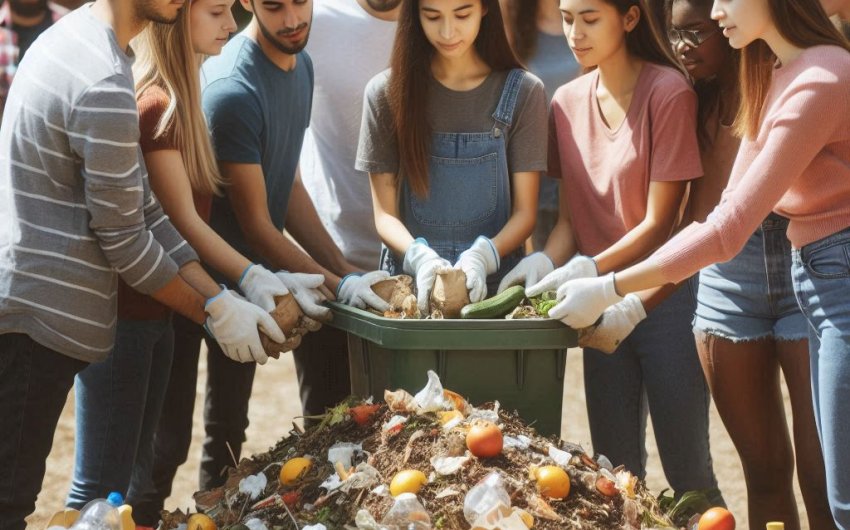
A composting program on a college campus is a powerful way to reduce waste, promote sustainability, and engage students in environmental stewardship. Colleges generate a significant amount of food waste and other organic materials daily, making them ideal places to implement composting initiatives. By turning cafeteria scraps, yard waste, and even paper products into valuable compost, a campus can not only reduce its landfill contributions but also create nutrient-rich soil that can be used for campus landscaping or gardening projects.
In this guide, we’ll walk through the steps to create a successful composting program on a college campus, from gaining administrative support to educating students and staff on best practices for participation.
1. Gain Administrative Support and Build a Team
The first step in creating a composting program on a college campus is securing the support of the administration and building a dedicated team of individuals who are passionate about sustainability.
Secure Administrative Support
Presenting the idea of a composting program to college administrators requires a well-thought-out proposal. Highlight the environmental, financial, and social benefits of composting. Be prepared to address potential concerns about logistics, costs, and maintenance.
- Environmental benefits: Explain how composting reduces landfill waste, lowers greenhouse gas emissions, and helps the college meet its sustainability goals.
- Financial savings: Reducing waste through composting can lower the costs associated with waste disposal and reduce the need for chemical fertilizers for campus landscaping.
- Student engagement: A composting program provides an opportunity for students to engage in hands-on sustainability efforts, enhancing their educational experience.
Build a Team
Forming a dedicated team is essential for the success of a college composting program. This team may include students, faculty, staff, and campus organizations that have a vested interest in environmental sustainability.
- Student sustainability clubs: Partner with student groups such as environmental clubs or sustainability committees to help lead the initiative and ensure ongoing student involvement.
- Campus facilities staff: Facilities management will play a key role in the collection and processing of compost materials. Ensure they are involved early on to address any operational challenges.
- Faculty support: Professors from departments like environmental science, biology, or agriculture can offer expertise and integrate the composting program into the academic curriculum.
2. Conduct a Waste Audit
Before launching the composting program, it’s important to understand the amount and type of organic waste the campus generates. A waste audit will help identify potential sources of compostable materials, such as food waste from dining halls, coffee grounds from campus cafes, and yard waste from landscaping.
Steps to Conduct a Waste Audit
Identify key waste-generating areas: Focus on areas like dining halls, cafes, dormitories, and outdoor spaces where organic waste is commonly produced.
Sort and weigh waste: Work with a team to collect and sort waste by category (e.g., food scraps, paper products, yard waste). Weigh each category to determine how much waste could be diverted to composting.
Analyze the results: Use the data from the audit to estimate the potential volume of compostable materials generated weekly or monthly. This will help determine the size and scope of the composting system you need to implement.
3. Choose the Right Composting Method
There are several composting methods suitable for college campuses, and choosing the right one depends on factors such as the volume of waste, available space, and the level of involvement you expect from students and staff.
Types of Composting Systems for College Campuses
1. Traditional Compost Piles or Windrows
Traditional compost piles or windrows involve layering organic waste in large, open piles that decompose naturally over time. This method is ideal for campuses with plenty of outdoor space and requires minimal upfront costs.
- Pros: Low cost, easy to manage with minimal equipment.
- Cons: Requires significant space, regular turning, and monitoring for moisture and temperature.
To maintain a traditional compost pile, you’ll need a dedicated outdoor space and tools such as a compost thermometer and a garden fork to aerate the pile regularly.
2. In-Vessel Composting
In-vessel composting systems are enclosed units that accelerate the composting process by controlling temperature, moisture, and airflow. These systems are ideal for campuses that generate large amounts of food waste but have limited outdoor space.
- Pros: Faster composting process, minimal odor, suitable for urban campuses.
- Cons: Higher upfront cost, requires regular maintenance and monitoring.
You can find in-vessel composting systems designed for medium to large-scale waste management, making them perfect for dining halls or student unions that produce a high volume of food scraps.
3. Vermicomposting
Vermicomposting uses earthworms to break down organic waste into nutrient-rich castings. This method is particularly well-suited for indoor or small-scale composting efforts, such as in dormitories or classrooms.
- Pros: Great for smaller-scale projects, minimal space required, educational opportunities.
- Cons: Requires consistent care and monitoring, sensitive to temperature fluctuations.
Vermicomposting can be done in worm bins that can be placed indoors or in sheltered outdoor areas. The resulting worm castings can be used in campus gardens or landscaping projects.
4. Bokashi Composting
Bokashi composting is an anaerobic process that ferments organic waste using Bokashi bran. This method is ideal for campuses that want to compost all types of food waste, including meat and dairy, which are typically excluded from traditional composting.
- Pros: Can handle all food waste, compact and odor-free, quick process.
- Cons: Requires additional space for post-fermentation composting or soil incorporation.
Bokashi bins can be placed in kitchens or cafeterias for easy collection of food waste, and the fermented material can later be added to garden beds or a traditional compost pile.
4. Establish Collection and Processing Systems
Once you’ve chosen a composting method, it’s time to set up collection and processing systems that make it easy for students, faculty, and staff to participate in the program.
Collection Bins
Place compost bins in key locations across campus, such as:
- Dining halls: Collect food scraps from meal prep and post-consumer waste.
- Dormitories: Encourage students to collect food scraps and other compostable materials in their rooms.
- Cafes and coffee shops: Collect coffee grounds and paper products.
- Classrooms and offices: Collect paper waste, lunch scraps, and biodegradable materials.
Label the bins clearly with a list of acceptable and unacceptable items to avoid contamination. Ensure that bins are easy to access and regularly emptied into larger composting systems.
Processing and Maintenance
Assign a team to manage the composting process, including turning the compost pile (if using a traditional method), monitoring moisture levels, and maintaining the collection bins. Facilities staff or student volunteers can be responsible for this part of the program.
Equip the team with necessary tools like compost turners, aerators, and compost thermometers to ensure that the compost piles remain active and healthy.
5. Engage and Educate the Campus Community
A successful composting program relies on the active participation of the entire campus community. Education and outreach are crucial for ensuring that everyone knows how to compost properly and understands the benefits of the program.
Host Educational Workshops
Offer workshops and informational sessions to educate students, staff, and faculty about the composting process, what items are compostable, and why composting is important. You can partner with environmental science professors or sustainability groups to host these events.
Workshops can cover topics like:
- How to compost in dorm rooms: Teach students how to use small compost bins in their rooms and how to contribute to the larger campus system.
- The benefits of composting: Explain the environmental benefits of diverting organic waste from landfills and using compost for campus gardens.
Create Composting Signage
Place signage near compost bins to guide users on what can and cannot be composted. Include images and clear instructions to reduce contamination and confusion.
Use Social Media and Campus News
Promote the composting program through the college’s social media channels, newsletters, and website. Share tips, success stories, and data on how much waste is being composted. This will help raise awareness and encourage more people to participate.
6. Utilize the Finished Compost
Once the composting system is up and running, the finished compost can be used to benefit the campus. There are several ways to utilize the compost on-site, contributing to a more sustainable and self-sufficient campus.
Campus Gardens and Landscaping
Use the finished compost to enrich the soil in campus gardens, flower beds, and landscaping projects. Compost improves soil structure, provides essential nutrients, and enhances plant growth, reducing the need for synthetic fertilizers.
- Community gardens: If your campus has a community garden, the compost can be used to grow vegetables, herbs, and flowers that are shared with the campus community.
- Landscaping projects: Compost can also be used in landscaping areas around buildings, improving the health of trees, shrubs, and grassy areas.
Sell or Donate Compost
If your composting program generates more compost than is needed on campus, consider selling or donating it to local farmers, community gardens, or other sustainability initiatives. This not only supports local agriculture but also helps raise funds for maintaining the composting program.
7. Monitor and Improve the Program
Once your college composting program is in place, it’s important to monitor its progress and make improvements as needed. Regularly review the program to ensure it is meeting its goals and address any challenges that arise.
Track Metrics
Track metrics such as the amount of waste diverted from landfills, the volume of compost produced, and participation rates. Use this data to demonstrate the success of the program to administrators and encourage ongoing support.
- Waste diversion rates: Measure how much organic waste is being composted compared to how much was previously sent to the landfill.
- Compost quality: Regularly test the quality of the compost to ensure it meets the needs of the campus landscaping or gardening projects.
Address Challenges
Over time, you may encounter challenges such as contamination in compost bins, lack of participation, or logistical issues with collection and processing. Address these challenges by refining your education and outreach efforts, adjusting collection schedules, or expanding the composting system as needed.
By following these steps and engaging the campus community, you can successfully implement a composting program that reduces waste, enhances sustainability, and provides educational opportunities for students. From waste audits to composting methods and ongoing education, each step of the process contributes to a cleaner, greener campus environment.