
Benefits & Techniques for Composting Spent Coffee Grounds in Urban Gardening
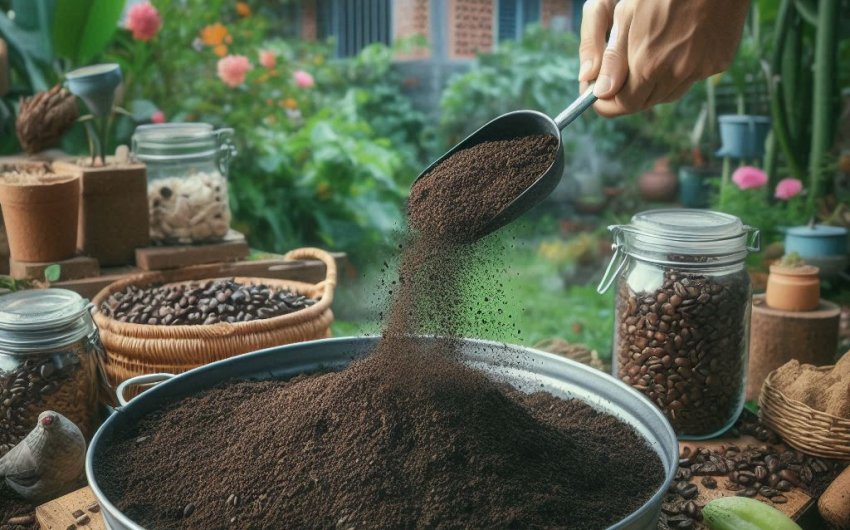
Composting spent coffee grounds in urban gardening is a sustainable way to recycle organic waste while enriching your soil with nutrients that promote healthy plant growth. Coffee grounds are rich in essential minerals, making them an excellent addition to your compost pile or directly to your garden beds. Whether you’re growing vegetables, herbs, or flowers in small city plots or containers, coffee grounds can play a vital role in enhancing your garden’s productivity.
In this guide, we'll explore the benefits of composting spent coffee grounds and the best techniques to integrate them into your urban garden. From improving soil structure to enhancing microbial activity, coffee grounds offer a range of advantages for urban gardeners.
Benefits of Composting Spent Coffee Grounds
Spent coffee grounds are more than just kitchen waste—they are a valuable resource that can improve the health and productivity of your urban garden. Below are some key benefits of composting coffee grounds:
1. Rich in Nutrients
Coffee grounds are packed with essential nutrients that are beneficial for plant growth. They contain nitrogen, phosphorus, potassium, calcium, magnesium, and trace minerals, all of which contribute to healthier soil and more productive plants.
- Nitrogen: Coffee grounds are an excellent source of nitrogen, a key nutrient that promotes leafy green growth in plants. Nitrogen also plays a critical role in photosynthesis, helping plants convert sunlight into energy.
- Phosphorus: This nutrient supports strong root development and encourages flowering and fruiting, making coffee grounds particularly useful for flowering plants and vegetables like tomatoes.
- Potassium: Potassium regulates water uptake in plants and enhances overall resilience, making them more resistant to drought and disease.
These nutrients make coffee grounds a great supplement for urban gardeners looking to improve their soil without relying on synthetic fertilizers.
2. Enhances Soil Structure
When added to compost or directly to the soil, coffee grounds improve the soil structure, helping it retain moisture and nutrients. This is especially beneficial in urban gardens, where soil quality can often be poor or compacted due to limited green space or contamination from city activities.
- Improved aeration: Coffee grounds can help loosen compacted soil, allowing air, water, and nutrients to reach plant roots more effectively.
- Increased water retention: The grounds help the soil retain moisture, which is particularly important in urban settings where gardens may dry out quickly due to heat or limited watering.
The addition of coffee grounds also encourages beneficial microorganisms and worms, which further enhance soil health and nutrient availability.
3. Acts as a Natural Pest Repellent
Coffee grounds have natural pest-repelling properties, making them an eco-friendly option for urban gardeners who want to deter unwanted insects without using harmful chemicals.
- Slugs and snails: The texture of coffee grounds creates a barrier that slugs and snails are less likely to cross, protecting delicate plants like lettuce and seedlings.
- Ants: Sprinkling coffee grounds around plants can help deter ants and other small pests from invading your garden beds.
4. Increases Microbial Activity
Coffee grounds are a great source of food for microorganisms in the soil. These microorganisms break down organic matter into nutrients that plants can easily absorb, improving the overall soil ecosystem.
- Microbial growth: The high nitrogen content in coffee grounds boosts microbial activity, helping to break down other compost materials faster and improving the quality of your compost.
- Fungal growth: Certain beneficial fungi thrive in environments enriched with coffee grounds, which can help establish a symbiotic relationship with plant roots, further enhancing nutrient uptake.
5. Reduces Waste and Supports Sustainability
Composting spent coffee grounds is an excellent way to reduce waste and promote sustainable urban gardening. Millions of pounds of coffee grounds are discarded daily, and by repurposing them in your garden, you help divert this waste from landfills and contribute to a more sustainable urban ecosystem.
By integrating coffee grounds into your compost or soil, you also reduce the need for chemical fertilizers, further supporting environmentally-friendly gardening practices.
Techniques for Composting Coffee Grounds
Composting coffee grounds in an urban garden can be done in several ways. Depending on your garden’s size, available space, and the type of plants you’re growing, you can either add coffee grounds directly to the soil or incorporate them into your compost pile.
Here are the most effective techniques for using spent coffee grounds in urban gardening:
1. Add Coffee Grounds to a Compost Pile
The most common way to use coffee grounds in urban gardening is by adding them to your compost pile. Coffee grounds are considered a "green" material, meaning they are rich in nitrogen, which helps balance the carbon-to-nitrogen ratio in your compost.
Steps to Compost Coffee Grounds
Collect coffee grounds: Start by collecting used coffee grounds from your own household or even local coffee shops. Many cafes are happy to give away their used grounds, as it helps reduce their waste.
Layer with other materials: In your compost pile, mix coffee grounds with carbon-rich "brown" materials like shredded newspaper, dried leaves, or wood chips. This ensures a balanced compost pile and prevents it from becoming too wet or compacted.
Turn the compost regularly: To speed up decomposition and prevent the pile from becoming too acidic, turn your compost pile regularly with a compost aerator or garden fork. This helps aerate the pile and allows the coffee grounds to break down evenly.
Monitor moisture levels: Coffee grounds can hold moisture, so be mindful of the overall moisture content in your compost. It should be as damp as a wrung-out sponge.
Adding coffee grounds to your compost pile enriches the finished compost with valuable nutrients and improves its overall texture and structure.
2. Use Coffee Grounds as a Soil Amendment
If you don’t have a compost pile or want to directly enhance your soil, coffee grounds can be used as a soil amendment. This is particularly beneficial for urban gardeners working with compacted or poor-quality soil.
How to Apply Coffee Grounds Directly to Soil
Dry the coffee grounds: Before applying coffee grounds to your soil, let them dry out slightly to prevent them from clumping together. Spread them in a thin layer on a sheet of paper or tray and let them air dry.
Sprinkle around plants: Once dry, sprinkle a thin layer of coffee grounds around your plants, making sure not to apply too much in one spot. A layer that is too thick can create a barrier that water and air cannot penetrate.
Incorporate into the soil: Gently rake the coffee grounds into the top layer of soil using a hand rake or garden tool to ensure they are evenly distributed. This will prevent the grounds from forming a crust that can repel water.
Water thoroughly: After applying the coffee grounds, water the soil well to help the nutrients seep into the soil and become available to your plants.
Using coffee grounds as a soil amendment improves soil structure, adds valuable nutrients, and increases water retention, making it an excellent practice for urban gardening in containers or small plots.
3. Vermicomposting Coffee Grounds
Vermicomposting is the process of using worms, particularly red wigglers, to break down organic matter into nutrient-rich worm castings. Coffee grounds are a fantastic addition to a vermicomposting system because they are rich in nitrogen and help feed the worms, which in turn create high-quality compost.
Vermicomposting with Coffee Grounds
Set up a worm bin: If you don’t already have one, start by setting up a worm composting bin. The bin should have adequate ventilation and drainage to create the perfect environment for the worms.
Add bedding material: Layer the bottom of the bin with bedding material like shredded newspaper or cardboard. This will help keep the bin moist while providing structure for the worms to move through.
Introduce coffee grounds gradually: Start by adding small amounts of coffee grounds to the worm bin. Coffee grounds should be balanced with carbon-rich materials to prevent the bin from becoming too acidic. Mix the coffee grounds into the bedding material to avoid clumping.
Monitor the bin: Worms enjoy coffee grounds, but too much acidity can be harmful. Keep an eye on the bin’s pH level, and ensure that the bedding material is moist but not soggy.
The worms will break down the coffee grounds into nutrient-rich castings, which can be harvested and used as a powerful organic fertilizer for your urban garden.
4. Make Coffee Ground Mulch
Coffee grounds can be used as a mulch in urban gardens to help suppress weeds, retain moisture, and regulate soil temperature. However, coffee grounds alone are not ideal as a primary mulch due to their fine texture, which can compact and create a barrier for water and air.
How to Use Coffee Grounds as Mulch
Mix with other mulching materials: Combine coffee grounds with coarser materials like wood chips, straw, or dry leaves. This will create a balanced mulch that allows for better air circulation while still providing the benefits of coffee grounds.
Apply around plants: Spread a thin layer of this coffee ground and mulch mixture around the base of your plants, making sure not to apply it too close to the stems to prevent mold or rot.
Water as needed: After applying the mulch, water your plants as usual to help the coffee grounds integrate into the soil.
This coffee ground mulch will help control weed growth, regulate soil moisture, and gradually release nutrients as it breaks down.
5. Brew Compost Tea with Coffee Grounds
Compost tea is a liquid fertilizer made by steeping compost or organic materials in water, allowing the nutrients to leach into the water. Coffee grounds can be used to brew a nutrient-rich compost tea that you can apply to your garden as a foliar spray or soil drench.
How to Make Compost Tea with Coffee Grounds
Add coffee grounds to a bucket: Fill a large bucket with water and add a few handfuls of spent coffee grounds.
Steep for a few days: Let the coffee grounds steep in the water for 2-3 days. Stir the mixture occasionally to help release nutrients into the water.
Strain the mixture: After steeping, strain out the coffee grounds using a fine mesh strainer or cheesecloth, leaving you with nutrient-rich compost tea.
Apply to plants: Use the compost tea as a liquid fertilizer by applying it directly to the soil around your plants or as a foliar spray.
Compost tea made from coffee grounds provides a nutrient boost and can help plants grow more vigorously in urban gardens.
Composting spent coffee grounds is an effective and eco-friendly practice that offers a wealth of benefits for urban gardeners. By using techniques such as adding them to compost piles, mixing them directly into the soil, or vermicomposting, you can improve the health and productivity of your urban garden while reducing food waste.