
How Do I Compost Bakery Waste Like Bread and Pastry Scraps Effectively?
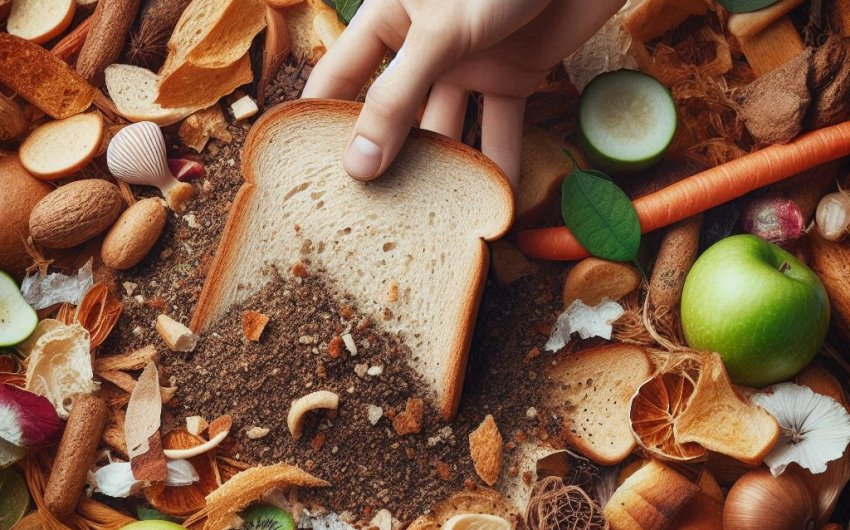
Composting bakery waste, such as stale bread, leftover pastries, and dough scraps, is an excellent way to reduce food waste while creating nutrient-rich organic matter for your garden. Bakery waste is biodegradable, making it a suitable material for composting when handled correctly. However, composting these items requires a bit more care than traditional composting due to their higher carbohydrate content, fats, and sugar levels. By following proper composting techniques, you can successfully convert bakery waste into valuable compost for your plants and soil.
In this guide, we will explore the best practices and methods to compost bread and pastry scraps effectively. We'll cover everything from balancing compost ingredients, managing moisture and odors, and using different composting systems to get the best results.
Why Compost Bakery Waste?
Composting bakery waste, like stale bread, muffins, croissants, and other baked goods, helps divert organic material from landfills where it can contribute to methane emissions, a potent greenhouse gas. Instead, this organic matter can be broken down through the composting process to produce rich, fertile soil that improves the health of gardens, flower beds, and even agricultural fields.
Bread and pastries are high in carbohydrates, which decompose into sugars and attract microorganisms that aid in the composting process. However, due to their high sugar and fat content, they can also attract pests if not managed properly. Learning how to compost bakery waste correctly ensures that these items break down efficiently without creating unpleasant odors or attracting animals.
What Bakery Items Can Be Composted?
Most baked goods are compostable, but not all bakery waste is created equal. Here’s a breakdown of what bakery items can and cannot be composted.
Compostable Bakery Waste
- Stale bread: Bread is a perfect candidate for composting as long as it’s broken down into smaller pieces to speed up the decomposition process.
- Pastry scraps: Pastries like croissants, muffins, and doughnuts can be composted, although they may take longer to break down due to fats and sugars.
- Unfrosted cakes: Cakes that do not have a heavy layer of frosting or icing can be composted, as long as they are chopped into smaller chunks.
- Crackers and dry snacks: Stale or broken crackers can be added to compost as they are easily broken down.
Avoid Composting
- Frosted or iced baked goods: Frosting and icing contain a lot of sugar and fats, which can slow down the composting process and attract pests.
- Baked goods with high oil content: Deep-fried items like doughnuts or oil-rich pastries should be avoided in compost due to the fats, which can create a rancid smell.
- Moldy baked goods: While small amounts of mold on bread are not harmful to compost, heavily moldy items can introduce unwanted pathogens. If the mold is minor, it’s safe to add the material to your compost pile.
Steps to Compost Bakery Waste
Composting bread and pastry scraps is not difficult, but following a few best practices will ensure that these carbohydrate-rich foods break down effectively and contribute to a healthy compost pile.
1. Break Down the Bakery Waste
Large pieces of bread and pastry take longer to decompose, so it’s important to break down the material before adding it to your compost bin. Tear or chop the bread and pastries into small pieces to increase their surface area and speed up the decomposition process.
- Tearing bread into small pieces: This will allow for faster microbial breakdown.
- Chopping larger pastries: Break down muffins, croissants, and doughnuts into smaller sections to ensure they don’t form clumps in the compost pile.
2. Balance the Compost Ingredients
Bakery waste is high in nitrogen, which classifies it as a "green" material in composting terms. To compost these items effectively, you need to balance them with carbon-rich "brown" materials such as dried leaves, straw, or shredded paper. Without this balance, your compost pile may become too moist and start to smell.
Green vs. Brown Ratio
A proper compost pile should contain a ratio of about 2:1 brown materials (carbon-rich) to green materials (nitrogen-rich). Bakery waste falls into the green category, so for every portion of bread or pastry scraps you add, you should mix in two portions of carbon-rich materials such as:
By ensuring this balance, your compost pile will remain aerobic (oxygen-rich), preventing bad odors and ensuring efficient decomposition.
3. Manage Moisture Levels
Bread and pastries can absorb a lot of moisture, which is great for microbial activity but can also lead to an overly wet compost pile. Too much moisture can cause your compost to become anaerobic, resulting in a foul smell. To avoid this, manage moisture carefully.
- Check moisture levels: Your compost pile should feel like a damp sponge—moist but not waterlogged. If the pile is too wet, add more carbon-rich materials like sawdust or dry leaves to absorb excess moisture.
- Water sparingly: If the pile feels dry, add water gradually using a watering can or hose, being careful not to oversaturate the pile.
4. Turn the Compost Regularly
To ensure the bread and pastry scraps decompose efficiently, turn the compost pile regularly to provide oxygen to the microorganisms that break down organic matter. Use a compost aerator or garden fork to turn the pile every few weeks.
- Aeration: Regular turning keeps the pile from becoming compacted, which allows air to flow through and speeds up the composting process.
- Mix thoroughly: Make sure to mix the bakery waste well with other materials to prevent it from clumping together, which can lead to slow decomposition or attract pests.
5. Prevent Pests
Because bakery waste contains sugars and carbohydrates, it can attract pests such as rodents, raccoons, and insects if not composted properly. Here are a few tips to prevent pests from disturbing your compost pile:
- Bury the waste: Always bury bread and pastry scraps deep within the compost pile, at least 6-8 inches below the surface. This will prevent pests from smelling and accessing the food waste.
- Use a closed compost bin: If pests are a concern, consider using a compost tumbler or a closed compost bin to keep rodents and other animals away from your compost pile.
- Add a layer of brown materials: Cover the top of the compost pile with a layer of dried leaves or wood chips to mask the scent of the bakery waste.
6. Use Bokashi Composting for Bakery Waste
Another effective method for composting bakery waste is Bokashi composting, an anaerobic process that uses fermentation to break down food waste, including high-fat and high-sugar items like bread and pastries. This method can be particularly useful for composting baked goods that contain fats or oils, which may take longer to decompose in traditional compost piles.
Steps for Bokashi Composting
- Use a Bokashi bin: A Bokashi composting bin is airtight, creating the anaerobic environment needed for fermentation. Place your bakery waste inside the bin.
- Layer with Bokashi bran: Sprinkle Bokashi bran (a mixture of wheat bran and beneficial microbes) over each layer of bread or pastries added to the bin.
- Seal the bin: After adding the food scraps, tightly seal the bin to prevent oxygen from entering.
- Ferment: Allow the bakery waste to ferment for about two weeks. The result is a pre-compost that can be buried directly in the soil or added to a traditional compost pile to finish breaking down.
Bokashi composting is an excellent option for urban composters or those with limited space, as it allows you to compost items like bread, pastries, and even small amounts of dairy and meat without attracting pests or creating odors.
7. Vermicomposting Bread and Pastry Scraps
Vermicomposting is the process of using worms, particularly red wigglers, to break down organic waste into nutrient-rich compost. While worms can consume small amounts of bakery waste, you’ll need to be careful with the quantities and types of baked goods added to a worm bin.
Tips for Vermicomposting Bakery Waste
- Small portions: Worms can digest bread and pastry scraps, but it’s important to feed them in small quantities. Overloading the bin with sugary or fatty items can cause the bin to smell and may harm the worms.
- Avoid excess sugar: Stick to plain, unsweetened bread and pastries when using vermicomposting. Avoid feeding worms frosted cakes or pastries with high sugar content.
- Balance with bedding: Ensure there’s enough bedding material like shredded newspaper or cardboard to balance the moisture content and prevent the bin from becoming too wet.
Composting Challenges with Bakery Waste
Composting bakery waste, while beneficial, does present a few challenges. The high sugar and fat content of certain baked goods can slow down decomposition or cause issues like odors, pests, or anaerobic conditions if not managed properly. Here are a few common challenges and how to overcome them:
1. Preventing Odors
Because bakery waste can break down quickly and become moldy, it’s essential to manage odors. Keep your compost pile well-aerated and avoid adding too much bakery waste at once. Always mix bakery items with carbon materials to absorb moisture and prevent smells.
2. Managing Fatty Foods
Items like croissants or butter-filled pastries contain fats, which can slow down the composting process and attract pests. If you need to compost fatty bakery waste, use Bokashi composting to ferment these items before adding them to your main compost pile.
3. Keeping Pests at Bay
If you notice that rodents or other pests are attracted to your compost pile, make sure you are burying the bakery waste deep within the pile or using a sealed compost bin. Regularly turn the pile and cover it with brown materials to keep odors—and pests—at bay.
4. Ensuring Decomposition of Sugars
Sugars can decompose rapidly, creating a wet and sticky environment in the compost pile. Always balance the sugar content of bakery waste with high-carbon materials like wood chips or dry leaves to absorb excess moisture and keep the pile balanced.
By managing these challenges and following the best practices outlined above, you can effectively compost bakery waste and transform bread, pastries, and other baked goods into rich, valuable compost for your garden.