
Methods for Composting Yard Trimming from Tree Care & Landscaping Service
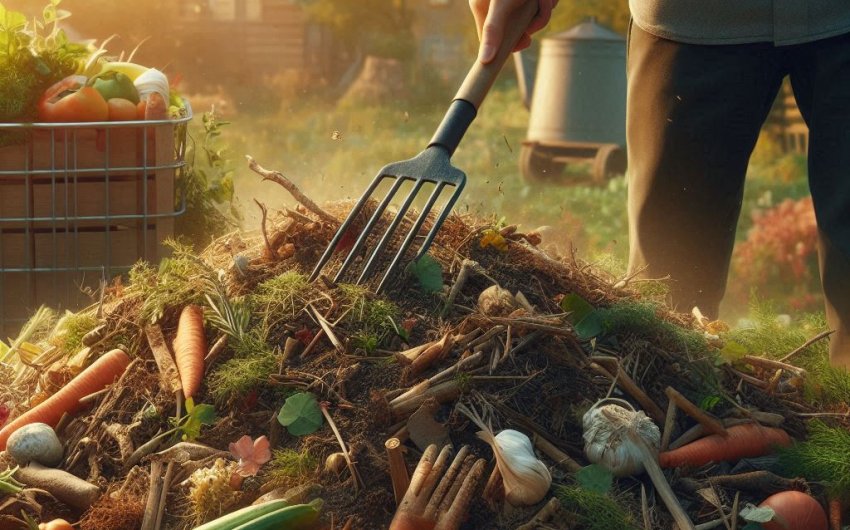
Yard trimmings from tree care and landscaping services are a valuable resource that can be turned into nutrient-rich compost. These materials, including branches, leaves, grass clippings, and other organic debris, are perfect for composting, and when managed correctly, they break down into a useful product that improves soil health, promotes plant growth, and reduces the need for chemical fertilizers.
Composting yard trimmings is an eco-friendly way to manage waste generated from tree care and landscaping activities, while also providing sustainable benefits for your garden or agricultural land. This guide explores various methods for composting yard trimmings, highlighting best practices for turning organic waste into high-quality compost.
Why Compost Yard Trimmings?
Yard trimmings, particularly from tree care and landscaping services, can be bulky and require proper disposal. Instead of sending them to landfills, composting offers a sustainable alternative that transforms this waste into a valuable soil amendment. The compost made from yard trimmings is rich in organic matter and essential nutrients, such as nitrogen, phosphorus, and potassium, which are beneficial for plants.
Composting yard trimmings provides numerous benefits, including:
- Reducing landfill waste: Composting helps divert large amounts of yard debris from landfills, reducing environmental impact.
- Creating nutrient-rich soil: Compost improves soil structure, increases moisture retention, and provides a slow release of nutrients.
- Supporting sustainable landscaping: Composting contributes to a circular economy, where waste is repurposed to enrich soil rather than being discarded.
Types of Yard Trimmings Suitable for Composting
Not all yard trimmings are created equal. When composting organic waste from tree care and landscaping services, it’s important to understand the materials that can and cannot be composted.
Materials Ideal for Composting
Leaves: Fallen leaves are high in carbon and make excellent compost material. Shredding leaves before composting can speed up the decomposition process.
AdvertisementGrass clippings: Fresh grass clippings are rich in nitrogen, making them an ideal addition to the compost pile. Be sure to mix grass clippings with carbon-rich materials to avoid a slimy, smelly compost pile.
Tree branches: Larger branches and twigs need to be chipped or shredded before composting. Using a wood chipper or shredder can reduce the size of these materials, making them easier to break down in the compost pile.
Hedge trimmings: Clippings from bushes and hedges are also suitable for composting, provided they are finely chopped or shredded to speed up decomposition.
Garden debris: Weeds, dead plants, and other organic matter from gardening can be composted, as long as they are not invasive or treated with chemicals.
Materials to Avoid in Composting
- Diseased plants: Composting plant materials infected with diseases can spread pathogens to other plants when the compost is used in the garden.
- Treated wood: Wood treated with chemicals should never be composted, as the chemicals can leach into the soil and harm plants.
- Invasive species: Certain invasive plants can survive the composting process and spread when the compost is applied to the garden.
Methods for Composting Yard Trimmings
There are several methods available for composting yard trimmings, each suited to different types of waste and available space. These methods vary in complexity, but all can effectively break down tree and landscaping debris into high-quality compost.
1. Traditional Compost Pile
A traditional compost pile is one of the simplest and most common methods for composting yard trimmings. This method involves layering organic materials in an open pile, allowing microorganisms and natural processes to break down the waste over time.
How to Build a Traditional Compost Pile
Location: Choose a well-drained, shady spot in your yard for the compost pile. Ensure the area has good airflow to prevent odors and allow for efficient decomposition.
Layering: Start with a base layer of coarse materials like wood chips or twigs to promote aeration. Alternate layers of carbon-rich materials (browns), such as dried leaves and small branches, with nitrogen-rich materials (greens), such as grass clippings and fresh plant matter.
Maintain moisture: The compost pile should be kept as moist as a wrung-out sponge. Water the pile as needed and cover it during heavy rains to avoid saturation.
Turning the pile: To speed up the decomposition process, turn the pile every few weeks using a compost aerator or a pitchfork. This helps introduce oxygen, which is essential for aerobic decomposition.
A traditional compost pile can take several months to a year to produce finished compost, depending on the size of the materials and how frequently the pile is turned.
2. Compost Bins
For those who prefer a more contained composting system, compost bins are an excellent option. Compost bins help keep yard trimmings organized, reduce odors, and protect the pile from pests.
Types of Compost Bins
Stationary bins: These bins are static containers where yard waste is layered and left to decompose. While they require occasional turning, stationary bins are low-maintenance and ideal for small to medium-sized yards.
Tumbling bins: Tumbling composters are designed to make turning the compost easier. The bin can be rotated, ensuring the materials are well-mixed and oxygenated. Tumbling bins tend to produce compost faster than stationary bins.
Wire bins: A simple, DIY compost bin can be created using wire mesh or chicken wire. These open bins allow for excellent airflow while keeping the compost contained.
Compost bins are particularly useful for homeowners with limited space or those who want to keep their compost area tidy.
3. Vermicomposting
Vermicomposting is the process of using worms, particularly red wigglers (Eisenia fetida), to break down organic matter into nutrient-rich worm castings. This method is especially useful for composting smaller yard trimmings, such as grass clippings and leaves, and works well in both indoor and outdoor settings.
Steps for Vermicomposting
Set up a worm bin: Use a vermicompost bin with proper drainage and ventilation to house the worms. Add bedding material such as shredded newspaper, cardboard, or coconut coir.
Add yard trimmings: Chop or shred yard trimmings like leaves and grass clippings into smaller pieces before adding them to the worm bin. Avoid adding large branches or woody material, as worms cannot break these down efficiently.
Maintain the bin: Keep the bin moist and place it in a cool, shaded area. Feed the worms regularly with small amounts of organic material, and avoid overloading the bin.
Vermicomposting produces high-quality compost, known as worm castings, which can be used as a powerful organic fertilizer for plants and garden beds.
4. Chip and Mulch
For larger yard trimmings like branches and tree limbs, chipping and mulching is an effective way to manage waste. A wood chipper can reduce large pieces of wood into smaller chips, which can then be used as mulch for garden beds, pathways, or even composting.
Benefits of Mulching Yard Trimmings
Suppresses weeds: Applying mulch made from chipped branches and tree limbs helps block sunlight, preventing weeds from growing.
Retains soil moisture: Mulch helps the soil retain moisture by reducing evaporation, which is especially important during hot, dry seasons.
Improves soil structure: As the mulch decomposes, it adds organic matter to the soil, improving its structure and fertility.
5. Hot Composting
Hot composting is a method that uses higher temperatures to speed up the decomposition process, breaking down yard trimmings in a matter of weeks. This method requires careful management of the compost pile to achieve the necessary temperatures (between 130°F and 160°F), which are ideal for killing weed seeds and pathogens.
How to Hot Compost Yard Trimmings
Create a large compost pile: To achieve high temperatures, the compost pile should be at least 3x3 feet in size. Layer a mix of carbon-rich materials like leaves and twigs with nitrogen-rich materials like grass clippings.
Maintain moisture and airflow: Keep the pile moist and turn it every few days to introduce oxygen. Use a compost thermometer to monitor the temperature.
Speed of decomposition: With proper management, hot composting can produce finished compost in as little as four to six weeks.
Hot composting is ideal for landscaping services that generate large amounts of yard trimmings and need to compost materials quickly.
6. Trench Composting
Trench composting, also known as in-ground composting, involves digging a trench in the garden and burying yard trimmings directly in the soil. This method is simple and requires minimal maintenance, as the trimmings decompose naturally underground over time.
Steps for Trench Composting
Dig a trench: Dig a trench or hole about 12-18 inches deep in an area of your garden where you want to improve the soil.
Add yard trimmings: Fill the trench with yard trimmings, such as leaves, grass clippings, or small branches. Cover the material with soil and allow it to decompose.
Planting area: After a few months, the buried yard trimmings will break down, enriching the soil with organic matter. You can plant directly in the composted area, as the decomposed materials will provide nutrients to support plant growth.
Trench composting is ideal for managing small amounts of yard waste and improving specific areas of the garden.
7. Bokashi Composting
Bokashi composting is a fermentation-based composting method that uses a special Bokashi bran to break down organic matter in an anaerobic environment. While this method is typically used for kitchen scraps, it can also be applied to yard trimmings such as leaves and grass clippings.
How Bokashi Composting Works
Layer yard trimmings: Add small amounts of finely chopped yard trimmings to a Bokashi bin, layering them with Bokashi bran.
Seal the bin: Bokashi composting is anaerobic, so the bin must be airtight. Allow the contents to ferment for two to four weeks.
Bury the pre-compost: After fermentation, the Bokashi compost can be buried in the garden or added to a traditional compost pile for further decomposition.
Bokashi composting is a fast, efficient way to handle smaller amounts of yard trimmings, particularly for urban gardeners or homeowners with limited space.
Using Compost from Yard Trimmings in Landscaping
Once your yard trimmings have been successfully composted, the resulting product can be used in various landscaping applications to improve soil health and promote plant growth. Compost made from tree care and landscaping services is rich in organic matter and can be applied to:
- Garden beds: Work compost into flower or vegetable beds to improve soil fertility.
- Lawns: Spread a thin layer of compost over your lawn using a compost spreader to provide nutrients and improve soil structure.
- Shrubs and trees: Add compost around the base of trees and shrubs to promote healthy root growth and improve water retention.
Composting yard trimmings from tree care and landscaping services not only provides an eco-friendly waste management solution, but it also creates a valuable resource that can enhance the health and beauty of your landscape.