
How Can I Utilize Compost from Fish Waste in Aquaculture Systems?
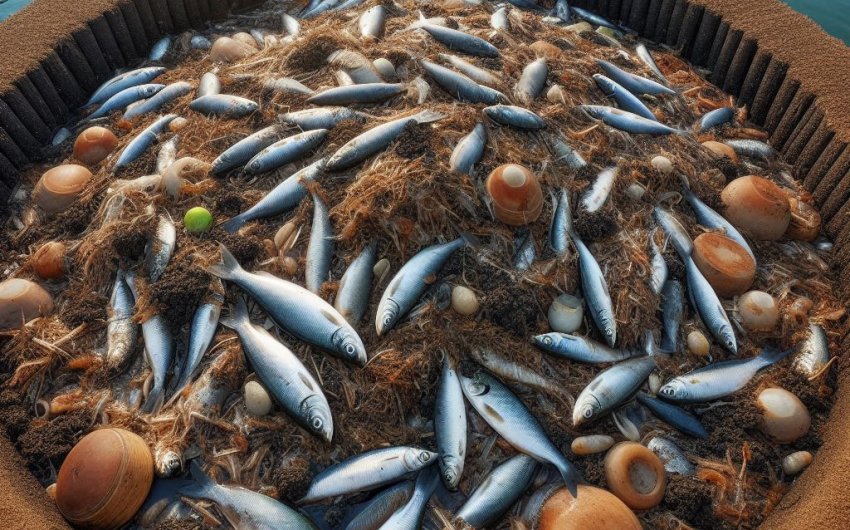
Aquaculture, the practice of farming fish and other aquatic organisms, produces a significant amount of waste in the form of uneaten feed, fish feces, and other organic material. While managing this fish waste is crucial for maintaining water quality and ensuring the health of the aquatic life, it also presents an incredible opportunity. Fish waste is rich in nutrients that can be converted into valuable compost for agriculture or gardening. By utilizing compost made from fish waste, aquaculture systems can achieve greater sustainability, close nutrient cycles, and create high-quality organic fertilizer.
In this blog, we’ll explore how to efficiently use compost derived from fish waste in aquaculture systems, the benefits it offers, and the different methods you can implement to integrate composting into your aquaculture practices.
Understanding the Nutrient Content of Fish Waste
Fish waste, including fish feces and leftover feed, contains high levels of essential nutrients such as nitrogen, phosphorus, potassium, and trace elements. These nutrients are critical for plant growth, making fish waste compost a potent organic fertilizer.
- Nitrogen: Fish waste is a rich source of nitrogen, which is vital for plant growth and leaf development. High nitrogen content helps plants produce healthy, green foliage.
- Phosphorus: This nutrient promotes root development and flowering. The phosphorus in fish waste helps improve soil structure and supports strong, healthy root systems in plants.
- Potassium: Also present in fish waste, potassium is crucial for plant metabolic processes and helps regulate water uptake, making plants more resistant to drought.
These nutrients make fish waste an ideal component for composting, particularly when combined with other organic materials such as plant matter or wood chips. Composting fish waste not only reduces the waste burden on the aquaculture system but also provides a valuable resource for use in agriculture or gardening.
Composting Fish Waste in Aquaculture Systems
Composting is a biological process that breaks down organic materials, such as fish waste, into a nutrient-rich humus. There are several ways to compost fish waste in aquaculture systems, each with its own advantages. The key to successful composting is managing the balance between carbon-rich materials (browns) and nitrogen-rich materials (greens) to create an environment where microorganisms can thrive and break down the waste efficiently.
1. Vermicomposting with Fish Waste
Vermicomposting is an eco-friendly and highly effective method for converting fish waste into rich organic compost using earthworms. Worms feed on the fish waste, digesting it and excreting nutrient-rich castings, which are highly beneficial for plant growth.
How to Set Up Vermicomposting for Fish Waste
- Create a worm bin: Start with a vermicompost bin that provides adequate ventilation and drainage.
- Layer bedding materials: Use shredded paper, straw, or coconut coir as bedding material for the worms.
- Add fish waste: Place small amounts of fish waste into the bin, avoiding overloading, which could cause odors or slow the composting process.
- Monitor moisture and temperature: Worms thrive in moist, cool environments, so maintain proper moisture levels and keep the bin in a shaded location.
Vermicomposting produces high-quality compost that can be used in gardens, potted plants, or agricultural fields. The worm castings are especially rich in nutrients, making them an excellent organic fertilizer.
2. Aerobic Composting of Fish Waste
Aerobic composting is another efficient way to manage fish waste in aquaculture systems. This process relies on aerobic microorganisms (those that need oxygen) to break down organic materials into compost. By adding oxygen, either by turning the compost pile or using a forced aeration system, you can accelerate the decomposition of fish waste and reduce unpleasant odors.
How to Compost Fish Waste Aerobically
- Gather compost materials: Combine fish waste with carbon-rich materials like sawdust, leaves, straw, or wood chips. The ideal ratio is 1 part fish waste to 2 parts carbon-rich materials to balance the nitrogen content.
- Create the compost pile: Form a compost pile or use a compost bin that allows for air circulation. Ensure the pile is moist but not too wet.
- Turn the pile regularly: Aerate the pile every few days by turning it with a garden fork or using a compost aerator. This introduces oxygen, helping microorganisms break down the organic material more quickly.
- Monitor temperature: The compost pile will heat up as microorganisms decompose the fish waste. Keep the temperature between 120-160°F for optimal composting.
Aerobic composting is an effective way to reduce fish waste while producing a nutrient-rich compost that can be applied to gardens or agricultural fields.
3. Anaerobic Composting or Bokashi
Anaerobic composting, also known as the Bokashi method, is a fermentation-based composting process that doesn’t require oxygen. It is an excellent way to handle fish waste, especially if you are composting indoors or in small spaces. In this process, fish waste is fermented using specific microorganisms in an airtight container, creating a pre-compost that can later be added to traditional compost piles or directly to the soil.
Steps for Bokashi Composting
- Use a Bokashi bin: Set up a Bokashi composting bin with an airtight seal to prevent oxygen from entering.
- Layer fish waste: Add small amounts of fish waste to the bin, layering it with Bokashi bran (a mixture of wheat bran and microorganisms).
- Seal the bin: Ensure the lid is tightly sealed after each addition to maintain the anaerobic environment.
- Ferment for 2-4 weeks: Let the waste ferment in the bin. The process creates a pickled mixture that is ready to be added to the soil or a traditional compost pile for further breakdown.
Bokashi composting is fast and efficient, making it an excellent option for aquaculture operations where space is limited. The fermented fish waste can be easily integrated into garden soil as a potent fertilizer.
Benefits of Using Fish Waste Compost in Agriculture and Gardening
Using compost made from fish waste provides numerous benefits for both aquaculture systems and agriculture or gardening practices. Here are some of the key advantages:
1. Nutrient-Rich Organic Fertilizer
Fish waste compost is incredibly rich in essential nutrients like nitrogen, phosphorus, and potassium. These nutrients promote robust plant growth, improving yield and overall plant health. Fish-based compost can be used as an all-natural alternative to synthetic fertilizers, helping to support organic farming and gardening practices.
- Nitrogen helps promote leafy growth, which is crucial for crops like lettuce, spinach, and cabbage.
- Phosphorus supports root development and improves flowering and fruiting in plants.
- Potassium enhances plant resilience, aiding in water regulation and disease resistance.
2. Soil Health and Microbial Activity
Applying compost made from fish waste to the soil enhances its structure and fertility. The organic matter in the compost improves the soil’s ability to retain moisture and nutrients, while also promoting the growth of beneficial microorganisms. These microorganisms break down organic material and help release nutrients to the plants, leading to better soil health and more productive crops.
- Compost increases soil porosity, improving aeration and drainage.
- The organic matter in fish waste compost feeds beneficial soil organisms like earthworms and microbes, enhancing soil fertility.
3. Sustainable Waste Management
Incorporating fish waste composting into an aquaculture system creates a more sustainable operation by reducing waste and reusing valuable resources. Instead of disposing of fish waste, it can be transformed into a resource that benefits both agriculture and gardening, reducing the environmental impact of the aquaculture industry.
By composting fish waste, you help close the nutrient loop, returning essential nutrients back to the soil where they can support new plant growth. This reduces the need for chemical fertilizers and minimizes the environmental footprint of both aquaculture and agriculture.
Applications of Fish Waste Compost in Agriculture and Gardening
The compost produced from fish waste can be used in a variety of agricultural and gardening applications. Its rich nutrient content makes it a versatile and highly beneficial soil amendment for different types of plants.
1. Using Fish Waste Compost in Vegetable Gardens
Fish waste compost is ideal for use in vegetable gardens, where plants need high levels of nutrients for optimal growth. Adding fish compost to garden soil improves its fertility and boosts the growth of crops like tomatoes, cucumbers, and root vegetables.
- Application method: Before planting, work the fish compost into the soil using a garden tiller to ensure even distribution of nutrients. You can also top-dress existing plants by applying a layer of compost around the base of the plants.
- Plant health: The high nitrogen content in fish compost promotes leafy growth, while phosphorus enhances root development, leading to healthier, more productive vegetable plants.
2. Fertilizing Fruit Trees with Fish Waste Compost
Fruit trees benefit greatly from the use of fish waste compost due to its balanced nutrient content and ability to improve soil structure. Applying compost around the base of fruit trees like apple, peach, or citrus trees enhances fruiting and overall tree health.
- How to apply: Spread fish waste compost in a wide ring around the base of each fruit tree, avoiding direct contact with the trunk. Use a garden rake to lightly work the compost into the soil surface, where it can slowly release nutrients over time.
- Frequency: Compost can be applied once or twice per year, ideally in early spring before the growing season begins and in fall to support root development during dormancy.
3. Compost for Flower Beds and Ornamental Plants
In addition to food crops, fish waste compost can be used to fertilize flower beds and ornamental plants. Its nutrient-dense composition supports vibrant blooms and enhances the overall beauty of your landscape.
- For flowering plants: Work fish waste compost into the soil of flower beds before planting or as a top-dressing around existing plants. This helps produce more colorful and abundant blooms, as the nutrients from the fish compost are released slowly over time.
- For shrubs and perennials: Add fish compost around the base of shrubs and perennials like roses or hydrangeas to improve soil quality and support healthy root growth.
4. Using Fish Waste Compost in Lawn Care
Applying fish waste compost to lawns can improve soil structure, enhance grass growth, and promote a deep green color. It’s a natural alternative to chemical fertilizers, offering slow-release nutrients that keep the lawn healthy throughout the growing season.
- Top-dressing: Spread a thin layer of fish waste compost over your lawn using a compost spreader or rake. This provides nutrients while also helping to retain moisture and improve soil texture.
- Soil amendment: If your lawn has compacted soil or poor drainage, fish compost can be incorporated into the soil before reseeding to improve conditions for grass growth.
Using Fish Waste Compost in Hydroponics and Aquaponics
In hydroponic and aquaponic systems, fish waste can be directly utilized as a natural fertilizer for plants. In aquaponics, for example, the fish waste produced by the fish is broken down by bacteria into nutrients that can be absorbed by plants. The plants, in turn, clean the water, creating a sustainable, symbiotic relationship between the fish and the plants.
- Aquaponic systems: Fish waste acts as a natural fertilizer for plants growing in an aquaponic setup. The water is recirculated, with the plants removing waste products and providing clean water back to the fish.
- Hydroponic systems: Compost tea made from fish waste compost can be used as a nutrient solution in hydroponic systems. Dilute the compost tea and use it to feed plants grown in a hydroponic system for a steady supply of natural nutrients.