
Challenges and Solutions for Composting Coffee Grounds & Filters in Bulk
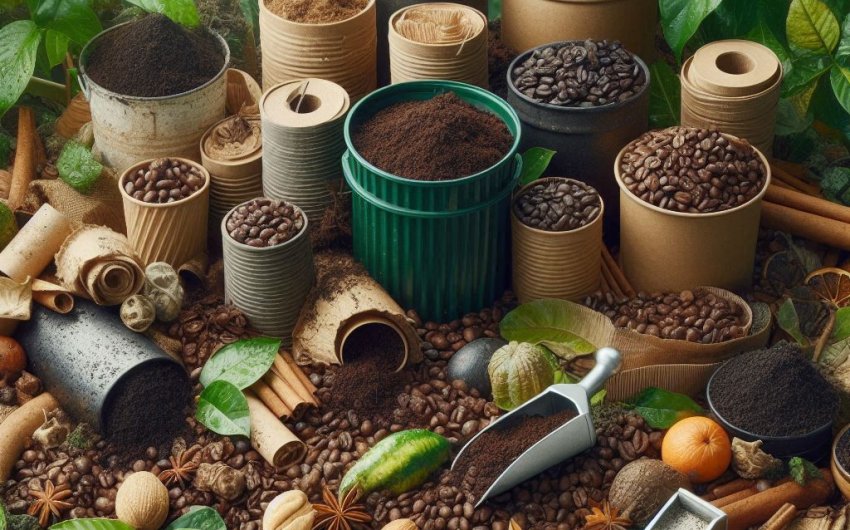
Composting is an eco-friendly solution to manage organic waste, turning everyday materials into nutrient-rich soil amendments. Among the various waste products that can be composted, coffee grounds and coffee filters present an abundant and valuable source of organic matter, especially in large quantities. However, while composting small amounts of coffee waste is relatively straightforward, scaling up to handle large quantities introduces unique challenges.
This blog will explore the specific challenges involved in composting coffee grounds and coffee filters in large volumes, along with practical solutions to effectively manage these materials. Whether you're running a café, a coffee roastery, or simply looking for ways to deal with high amounts of coffee waste, this guide will help you navigate the process and turn coffee waste into a beneficial resource.
The Importance of Composting Coffee Grounds and Filters
Coffee grounds are rich in nitrogen, making them an excellent green material for composting. They contain essential nutrients like nitrogen, phosphorus, potassium, magnesium, and calcium, which are beneficial for plants and soil. On the other hand, coffee filters are usually made from paper and are considered a brown, carbon-rich material in composting.
When combined, coffee grounds and filters can help balance the carbon-to-nitrogen ratio in a compost pile, promoting decomposition and improving soil fertility. However, scaling up to compost large amounts requires careful management.
Challenges of Composting Coffee Grounds in Large Quantities
1. Imbalance in the Carbon-to-Nitrogen Ratio
One of the primary challenges of composting large quantities of coffee grounds is maintaining the proper balance between carbon (brown materials) and nitrogen (green materials). Coffee grounds are nitrogen-rich, which means they can lead to an overabundance of nitrogen in the compost pile if not properly balanced with carbon-rich materials.
An excess of nitrogen can cause the compost to become slimy, wet, and foul-smelling. This happens because too much nitrogen leads to anaerobic decomposition, which slows down the composting process and creates an environment where oxygen is limited.
Solution: To avoid nitrogen overload, it's important to mix coffee grounds with enough carbon-rich materials such as wood chips, dry leaves, or straw. A general rule of thumb is to aim for a carbon-to-nitrogen ratio of about 30:1. In large-scale composting systems, ensuring proper ratios may require sourcing additional carbon materials to complement the high volume of nitrogen-rich coffee grounds.
2. Overaccumulation of Coffee Grounds
When composting large amounts of coffee grounds, another common challenge is the overaccumulation of this material in the compost pile. Coffee grounds are fine in texture, which can lead to compaction and poor aeration. When coffee grounds are added in bulk without mixing them properly, they can form dense, compacted layers that prevent airflow, leading to anaerobic conditions.
Anaerobic decomposition produces unpleasant odors, and it significantly slows down the breakdown of organic matter.
Solution: To combat compaction, it’s crucial to mix the coffee grounds thoroughly with other compost materials. Consider using compost turning tools or pitchforks to regularly turn the compost pile, ensuring proper aeration. By breaking up compacted layers, oxygen can circulate throughout the pile, promoting aerobic decomposition and speeding up the composting process.
Adding bulky carbon-rich materials like shredded paper, cardboard, or wood shavings can also help prevent compaction and improve aeration.
3. Odor Management
Composting large amounts of nitrogen-rich materials like coffee grounds can sometimes result in unpleasant odors, especially if the pile becomes too wet or unbalanced. The high nitrogen content in coffee grounds can lead to the production of ammonia if not properly mixed with carbon materials.
In commercial settings like cafés or coffee production facilities, managing odors becomes even more critical, as it can affect the surrounding environment.
Solution: To manage odors effectively, ensure that the compost pile is well-aerated and that the moisture levels are balanced. Turning the pile frequently with a compost aerator can help prevent odors from forming by keeping the decomposition process aerobic. Additionally, adding brown materials, such as dry leaves, wood chips, or sawdust, can absorb excess moisture and balance out the nitrogen-rich grounds.
4. Composting Biodegradable Coffee Filters
Another challenge arises when composting coffee filters in large quantities. Many coffee filters are made from paper, which is biodegradable and compostable. However, some filters are treated with chemicals or are made from synthetic materials, which can hinder the composting process. In addition, the sheer volume of coffee filters in a large-scale composting system can slow down decomposition if they aren't broken down or shredded before being added to the pile.
Solution: Before composting, it's essential to check whether the coffee filters are made from biodegradable, untreated paper. If you're dealing with a high volume of filters, consider shredding them or tearing them into smaller pieces to speed up the decomposition process. Adding shredded coffee filters to the pile not only ensures faster breakdown but also contributes to the carbon content of the compost, balancing the nitrogen-rich coffee grounds.
For businesses, using compostable coffee filters made from 100% biodegradable materials can simplify the process and ensure that no harmful chemicals enter your compost.
5. Managing High Moisture Content
Coffee grounds tend to retain moisture, which can cause problems when composting large quantities. If the compost pile becomes too wet, it can lead to anaerobic decomposition and create a slimy, foul-smelling compost heap. High moisture content can also cause the pile to compact, further limiting airflow and slowing down the composting process.
Solution: To manage moisture effectively, it's essential to monitor the wetness of your compost pile. Ideally, the compost should be as moist as a wrung-out sponge. If your compost is too wet, add dry carbon-rich materials like straw, dry leaves, or shredded paper to absorb excess moisture.
If you're dealing with a large-scale operation, using a compost moisture meter can help you monitor and regulate the water content in your compost pile more accurately. Regularly turning the pile will also help to redistribute moisture and prevent water from pooling at the bottom.
Solutions for Large-Scale Coffee Ground and Filter Composting
1. Implementing a Windrow Composting System
For large-scale composting operations, windrow composting is a practical solution. Windrows are long rows of organic material that are periodically turned to maintain aeration and promote decomposition. This system is particularly useful for composting large volumes of coffee grounds and coffee filters, as it allows for better airflow and temperature regulation.
With windrow turners, you can automate the process of turning the compost, making it more efficient to manage high volumes of material. This method also allows for better moisture control, as the large rows enable evaporation and prevent the pile from becoming too compacted.
2. Using Compost Tumblers for Medium-Sized Operations
If you're not ready for the scale of windrow composting, using compost tumblers is a great alternative for medium-sized composting systems. Tumblers make it easy to mix coffee grounds, filters, and other organic materials, ensuring proper aeration and faster decomposition.
Tumblers also help contain moisture, reducing the risk of odors and leaching. By rotating the compost regularly, you can prevent compaction and promote even decomposition throughout the pile. This method is ideal for cafés, restaurants, or small roasteries dealing with significant but not overwhelming amounts of coffee waste.
3. Establishing Partnerships for Waste Diversion
For businesses producing large quantities of coffee grounds and filters, partnering with local farms, community gardens, or composting facilities is a sustainable way to divert waste from landfills. Many farms and gardens are eager to receive nitrogen-rich materials like coffee grounds, which can enhance the fertility of their soil.
Additionally, collaborating with a commercial composting facility can relieve the burden of managing large-scale composting on-site. These facilities often have the infrastructure and expertise to process large amounts of organic waste efficiently, ensuring that it turns into high-quality compost.
4. Creating Vermicomposting Systems
Vermicomposting, or composting with earthworms, is another effective solution for managing coffee waste in larger quantities. Earthworms, particularly red wigglers, are excellent at breaking down nitrogen-rich materials like coffee grounds, converting them into nutrient-dense worm castings.
Setting up a vermicomposting system can help speed up the decomposition process for coffee grounds and filters. The worms digest organic matter, breaking it down into a highly valuable fertilizer for plants. Vermicomposting systems can be scaled to meet the needs of small and medium-sized businesses, and they provide an eco-friendly way to process large volumes of organic material.
5. Utilizing Bokashi Composting for Faster Results
Bokashi composting is a fermentation-based composting method that can help break down coffee grounds and filters more quickly than traditional composting. In this method, bokashi bran, which contains beneficial microbes, is added to the compost to accelerate the breakdown of organic materials.
This method is particularly useful for businesses with limited space for compost piles, as bokashi systems can be used indoors or in compact areas. Additionally, bokashi composting produces less odor and requires less frequent turning, making it a convenient solution for handling large amounts of coffee waste.
Best Practices for Composting Coffee Grounds and Filters
1. Shredding Filters for Faster Decomposition
To speed up the decomposition of coffee filters, it's best to shred them before adding them to the compost pile. Shredded filters will break down more quickly and evenly, reducing the time it takes to convert them into usable compost.
2. Layering Coffee Grounds with Carbon-Rich Materials
Always layer coffee grounds with carbon-rich materials to maintain a balanced compost pile. By alternating layers of grounds and brown materials such as straw, dry leaves, or wood chips, you’ll create the ideal environment for microbes to thrive and break down the organic material effectively.
3. Monitoring Temperature and Moisture
Large-scale composting systems need regular monitoring to ensure that temperature and moisture levels are optimal for decomposition. Using a compost thermometer can help you track the internal temperature of your pile, ensuring that it reaches the ideal range for microbial activity.