
How Can I Effectively Compost Citrus Waste from Juice Production?
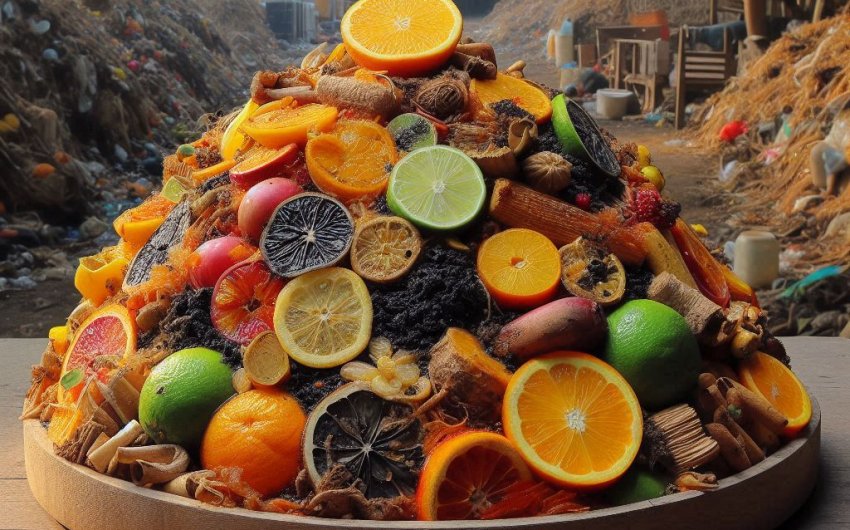
Composting is one of the most effective ways to manage organic waste, including byproducts from juice production. When it comes to handling citrus waste, many wonder if these acidic materials can be effectively composted. Citrus fruits such as oranges, lemons, and limes are common in juice production, but they often come with misconceptions surrounding their impact on compost piles due to their acidity and oil content.
In this comprehensive guide, we'll cover everything you need to know about how to compost citrus waste efficiently. From managing the pH balance in your compost pile to turning citrus peels into valuable organic matter, this blog will explore proven methods and useful tips for composting citrus waste from juice production.
Understanding Citrus Waste in Juice Production
Citrus fruits are used extensively in juice production, especially in commercial settings. This process generates a large amount of waste, including peels, pulp, and seeds. While most people think of these as acidic, they can be an excellent addition to a compost system when properly managed.
Juice production often leaves behind tons of citrus peels and pulp. These materials are rich in organic matter, containing vital nutrients that can benefit your compost pile. However, it is important to learn how to balance the carbon-to-nitrogen ratio and manage acidity to ensure your compost decomposes efficiently.
For home gardeners and small-scale farmers, composting citrus waste from juice production can become an eco-friendly practice, reducing waste and creating nutrient-dense soil amendments for gardens, orchards, and crops. Whether you're managing a home compost bin or running a 10-acre farm layout, understanding the specifics of composting citrus is essential.
The Science Behind Citrus Composting
1. Carbon-to-Nitrogen Ratio
Citrus waste primarily consists of citrus peels, which are classified as "green" compost materials. These are high in nitrogen and should be balanced with "brown" compost materials rich in carbon, such as dry leaves, sawdust, or shredded paper. Striking the right carbon-to-nitrogen ratio is critical to composting success. An ideal ratio is about 30 parts carbon to 1 part nitrogen (30:1), which supports microbial activity and promotes decomposition.
Since citrus waste is nitrogen-heavy, adding carbon-rich materials like wood chips or straw can help offset the nitrogen content and maintain balance in your compost pile.
2. Acidity Levels in Citrus Waste
One of the common concerns with composting citrus waste is its acidity. Citrus fruits contain citric acid, which can lower the pH level of your compost pile, potentially affecting microbial activity. However, studies have shown that when citrus is mixed with other organic materials, its acidity becomes neutralized over time.
It's important to mix citrus waste with other non-acidic materials like grass clippings, vegetable scraps, or manure. This helps reduce the overall acidity in the compost pile, ensuring that decomposition processes occur smoothly without inhibiting beneficial microorganisms.
3. Decomposition Time
Due to their thicker rinds, citrus peels can take longer to decompose than other organic materials. However, chopping citrus waste into smaller pieces can accelerate this process. Using compost grinders or shredders can help break down peels and pulp faster, allowing the compost to mature within a shorter period.
Step-by-Step Guide to Composting Citrus Waste
1. Prepare Citrus Waste for Composting
Before adding citrus waste to your compost pile, it’s essential to prepare it properly. Start by chopping or shredding citrus peels into smaller pieces. This increases the surface area for microbes to act on, speeding up the decomposition process.
If you're dealing with large quantities of citrus waste from juice production, a heavy-duty shredder can make the task more manageable. The finer you shred the peels, the faster they will break down in the compost pile.
2. Balance the Carbon-Nitrogen Ratio
As mentioned earlier, composting citrus waste requires balancing its high nitrogen content with adequate carbon-rich materials. Start by layering citrus peels with carbon-rich ingredients such as cardboard, pine needles, or dry leaves. This layering method ensures that the overall compost stays aerated, preventing the pile from becoming too wet or compacted.
You can follow a simple rule of thumb by adding three parts carbon (brown materials) to one part nitrogen (green materials). This will help the compost stay balanced and promote rapid decomposition.
3. Monitor Moisture Levels
Composting citrus waste requires maintaining optimal moisture levels in the compost pile. The ideal compost pile should be as moist as a wrung-out sponge. Too much moisture will slow down decomposition and create anaerobic conditions, while too little moisture will halt microbial activity.
If your compost pile becomes too dry, consider adding water or mixing in moisture-rich materials such as kitchen scraps and fruit peels. If it's too wet, turn the pile more frequently and add dry materials like shredded newspaper or wood chips.
4. Aerate Your Compost Pile Regularly
Proper aeration is key to composting citrus waste effectively. Microbes that break down organic material require oxygen to thrive. If the compost pile lacks oxygen, it will turn anaerobic and produce foul odors.
Turning your compost pile every few weeks using a compost turning tool will help aerate the pile and speed up decomposition. This process allows oxygen to circulate, ensuring that aerobic microorganisms can efficiently break down the citrus waste.
5. Add Compost Activators
To speed up the decomposition of citrus waste, you can use compost activators or microbial inoculants that encourage microbial activity. These products introduce beneficial bacteria and fungi into the compost pile, helping to break down tough materials like citrus peels more quickly.
6. Avoid Adding Too Much Citrus at Once
In a commercial juice production setting, it’s easy to accumulate large quantities of citrus waste. However, it’s important not to overwhelm your compost pile with too much citrus waste at once. Overloading the pile with citrus peels can create an acidic environment, which may slow down the composting process.
Instead, add citrus waste in small batches and layer it with other organic materials. This prevents the pile from becoming too acidic and ensures that the composting process remains balanced.
Common Misconceptions About Composting Citrus Waste
There are several misconceptions surrounding the composting of citrus waste. Let's debunk some of these myths:
1. "Citrus Peels are Too Acidic for Compost"
While citrus peels are indeed acidic, their impact on the overall pH of the compost pile is often exaggerated. When mixed with other organic materials, the acidity is neutralized over time, making them safe to compost. Additionally, the composting process itself helps balance pH levels.
If you're concerned about acidity, consider testing the pH of your compost pile using a compost pH tester and adjust the pH by adding materials like garden lime or eggshells to raise the pH.
2. "Citrus Peels Attract Pests"
Another myth is that citrus waste attracts pests like rodents and insects. While citrus fruits contain oils that may deter certain pests, composting citrus waste in a properly managed system will not attract unwanted visitors. Ensuring your compost pile is well-aerated and regularly turned will prevent it from becoming an attractive habitat for pests.
If you're concerned about pests, consider using a compost bin with a secure lid, which can keep unwanted critters out while maintaining the right conditions for decomposition.
3. "Citrus Oils Inhibit Composting"
It's often believed that citrus oils, especially from lemons and oranges, can inhibit composting by killing beneficial bacteria. While citrus oils do have antimicrobial properties, they break down relatively quickly in a compost pile. As long as you’re maintaining a well-balanced compost pile with diverse materials, the oils won’t pose a significant problem.
To avoid any potential issues, simply chop or shred citrus waste into smaller pieces before adding it to your pile. This helps the oils disperse and speeds up decomposition.
Practical Tips for Large-Scale Citrus Waste Composting
For those in the juice production industry or operating on a larger scale, composting citrus waste can present unique challenges. Here are some practical tips for handling large amounts of citrus waste:
1. Use a Large Compost System
If you're composting citrus waste from large-scale juice production, you’ll need a compost system that can handle significant volumes of organic material. Consider using commercial composters or large tumblers that can process a higher quantity of waste efficiently.
These systems often come with features like temperature control and aeration systems, making them ideal for handling citrus peels, pulp, and other byproducts.
2. Incorporate Windrow Composting
For large-scale operations, windrow composting is a highly effective method for managing citrus waste. In this process, organic waste is formed into long rows (windrows) that are regularly turned to facilitate aeration. This method is particularly useful for industrial-level composting, where the amount of citrus waste is significant.
By following the steps outlined above, citrus waste from juice production can be effectively composted on a large scale, producing valuable compost for agricultural use.
3. Create Citrus Compost Teas
Another way to make use of citrus waste from juice production is to create compost teas. By steeping finished compost in water, you can create a nutrient-rich liquid fertilizer that can be applied to plants and crops.
To make compost tea, simply place finished compost (including composted citrus waste) in a compost tea brewer and allow it to steep for several days. The resulting liquid can be diluted and used to feed plants, providing essential nutrients like nitrogen, potassium, and phosphorus.