
10 Common Houseplant Pests and How to Get Rid of Them
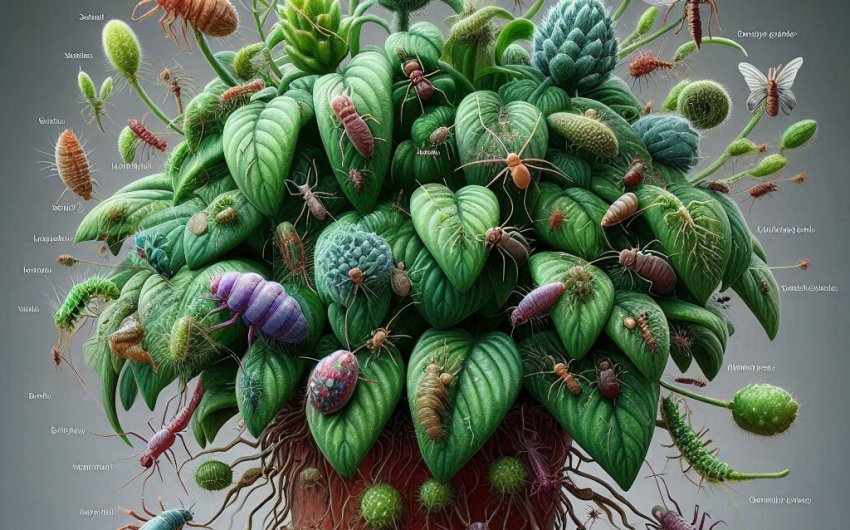
Encountering unwelcome visitors on your cherished indoor greenery is a common frustration for many plant enthusiasts. Understanding the most 10 common houseplant pests and how to get rid of them without resorting to harsh chemicals is a fundamental skill for maintaining a thriving indoor jungle. While it might seem daunting, identifying these tiny invaders early and employing natural, consistent treatment methods can restore your plants' vitality and ensure your home remains a sanctuary for both you and your flourishing botanical companions.
Why Do Houseplants Get Pests, and What's the First Step?
Before diving into specific pests and treatments, it's helpful to understand why houseplants are susceptible to infestations and what immediate actions you should take.
Why Houseplants Get Pests
Houseplants are living organisms, and like any living thing, they can attract pests. Several factors contribute to their vulnerability:
- Stress: A stressed plant is a weak plant. Overwatering, underwatering, insufficient light, nutrient deficiencies, or extreme temperatures can weaken a plant, making it more susceptible to pest attacks. Healthy, vigorous plants are naturally more resistant.
- Bringing Them Home: Pests often hitchhike into your home on new plants from nurseries, garden centers, or even cuttings from friends. Always inspect new plants thoroughly before introducing them to your existing collection.
- Outdoor Exposure: If you move your houseplants outdoors for the summer, they can pick up pests that will then come inside with them in the fall.
- Lack of Natural Predators: Indoors, there are no natural predators (like ladybugs or lacewings) to keep pest populations in check, allowing infestations to escalate rapidly.
- Ideal Conditions for Pests: Our warm, stable indoor environments can sometimes be perfect breeding grounds for certain pests, allowing them to multiply quickly without interruption.
The Golden Rule: Inspect, Inspect, Inspect!
The single most important tip for pest management is regular inspection.
- Weekly Check-ups: Make it a habit to inspect your houseplants thoroughly at least once a week.
- Where to Look: Pay close attention to:
- Undersides of leaves: Many pests hide here.
- Leaf axils: The joints where leaves meet stems.
- New growth: Tender new leaves are often a favorite feeding spot.
- Stems and petioles: Look for sticky residue, webbing, or visible insects.
- Soil surface: Fungus gnats often hover here.
- Early Detection: Catching an infestation early makes it much easier to control without harsh chemicals.
First Line of Defense: Isolation and Manual Removal
If you spot pests, take these immediate steps:
- Isolate the Plant: Immediately move the infested plant away from your other houseplants to prevent the pests from spreading.
- Manual Removal/Rinsing: For small infestations, you can often manually remove pests (squish them or wipe them off with a damp cloth). For larger numbers, take the plant to a sink or shower and gently rinse the foliage (especially the undersides of leaves) with a gentle spray of water. This physically dislodges many pests.
What Are the 10 Common Houseplant Pests and How to Get Rid of Them Naturally?
Here are the most frequent unwanted visitors you'll encounter on your indoor plants, along with effective chemical-free strategies for eradication.
1. Aphids (Aphidoidea)
Aphids are small, soft-bodied insects, typically green, black, yellow, or pink, often found clustered on new growth, leaf undersides, and flower buds. They suck sap from plants, causing distorted or yellowing leaves and sometimes leaving behind sticky residue (honeydew).
Identification
- Appearance: Tiny (1/16-1/8 inch), pear-shaped insects, often found in colonies. Can be green, black, yellow, red, or gray. Some may have wings.
- Damage: Distorted, curled, or yellowing new leaves; sticky residue (honeydew) on leaves or surfaces below; sooty mold (black fungus) growing on honeydew.
How to Eliminate Them Naturally
- Strong Water Spray: For light infestations, take the plant to a sink or shower and blast them off with a strong, but gentle, stream of water. Repeat every few days.
- Manual Removal: Wipe them off with a damp cloth or cotton swab dipped in rubbing alcohol.
- Insecticidal Soap: Mix 1-2 tablespoons of liquid dish soap (pure castile soap is best) with 1 gallon of water. Spray thoroughly, coating all parts of the plant, especially leaf undersides. The soap suffocates the aphids. Repeat every 5-7 days for 2-3 weeks to target newly hatched eggs. A ready-to-use Safer Brand Insect Killing Soap is also available.
- Neem Oil: A natural botanical insecticide. Mix according to package directions and spray weekly. It acts as an anti-feedant and growth disruptor. A Bonide Neem Oil Concentrate is a good option.
2. Spider Mites (Tetranychidae)
Spider mites are tiny arachnids (not insects) that are very difficult to see with the naked eye. They thrive in hot, dry conditions and are notorious for forming fine webbing on plants.
Identification
- Appearance: Barely visible as tiny red, brown, or black dots. Often identified by their fine, delicate webbing on leaves, especially between stems and petioles.
- Damage: Tiny yellow or brown speckles (stippling) on leaves; dull, pale, or bronzed foliage; overall decline in plant vigor. Severely infested leaves may appear dusty.
- Test: Hold a white piece of paper under a leaf and tap the leaf. If tiny specks fall and start to crawl, it's likely spider mites.
How to Eliminate Them Naturally
- Increase Humidity: Spider mites hate humidity. Mist your plants regularly, or place them on a pebble tray filled with water (ensure the pot isn't sitting in water).
- Strong Water Spray: Isolate the plant and thoroughly rinse all foliage, especially the undersides, with a strong stream of water. This physically removes many mites and webbing.
- Insecticidal Soap: Thoroughly spray the plant with insecticidal soap solution (as for aphids). The key is complete coverage, ensuring the soap makes direct contact with the mites. Repeat every 5-7 days for several weeks.
- Neem Oil: Effective for spider mites. Apply as a spray every 7-10 days.
- Wiping: For plants with large, smooth leaves, wipe down both sides of each leaf with a damp cloth or a cloth dipped in insecticidal soap.
3. Mealybugs (Pseudococcidae)
Mealybugs are soft-bodied, oval-shaped insects covered in a white, cottony, waxy coating. They typically cluster in leaf axils, along stems, and on the undersides of leaves, sucking sap from the plant.
Identification
- Appearance: Small (1/8-1/4 inch), white, fuzzy, segmented insects resembling tiny bits of cotton. Often found in crevices and protected areas.
- Damage: Stunted growth; yellowing, wilting, or dropping leaves; sticky honeydew and black sooty mold; white cottony masses (egg sacs) on stems and leaves.
How to Eliminate Them Naturally
- Rubbing Alcohol Swab: For light infestations, dip a cotton swab or cotton ball in rubbing alcohol (70% isopropyl alcohol) and directly dab each mealybug and any cottony masses. The alcohol dissolves their protective waxy coating. Repeat every few days until gone.
- Strong Water Spray: Blast them off with a strong stream of water from a sink or shower.
- Insecticidal Soap: Spray thoroughly with insecticidal soap, ensuring excellent coverage. Repeat every 5-7 days.
- Neem Oil: Apply Neem oil spray weekly.
- Pruning: For heavily infested leaves or stems, it might be best to prune off and discard the affected parts.
4. Scale Insects (Coccoidea)
Scale insects appear as small, immobile bumps on plant stems and leaves. They are protected by a hard, waxy shell (armored scale) or a soft, waxy covering (soft scale), making them challenging to treat. They suck sap, weakening the plant.
Identification
- Appearance: Small (1/16-1/4 inch), oval or round, brown, black, or white bumps on stems and leaf undersides. They look like raised lesions and do not move.
- Damage: Yellowing leaves; stunted growth; sticky honeydew and sooty mold; overall decline in plant health.
How to Eliminate Them Naturally
- Manual Removal: For small infestations, use a fingernail, a soft brush, or a cotton swab dipped in rubbing alcohol to scrape or rub off individual scale insects. This is the most effective method for armored scale.
- Insecticidal Soap/Neem Oil: For soft scale (which lacks the impenetrable shell), thorough and repeated applications of insecticidal soap or Neem oil can be effective, as they can penetrate the softer waxy coating or reach the crawler (mobile) stage of the insect. Repeat every 7-10 days for several weeks.
- Pruning: Remove and discard heavily infested stems or leaves.
5. Fungus Gnats (Sciaridae)
Fungus gnats are tiny, black, mosquito-like flies that hover around the soil surface of houseplants. While the adults are mostly a nuisance, their larvae live in the soil and feed on fungi, organic matter, and sometimes delicate plant roots, especially seedlings.
Identification
- Appearance: Small (1/8 inch), dark-bodied, mosquito-like flies that fly weakly and often walk on the soil surface.
- Damage: Yellowing leaves and stunted growth in severe infestations (from larval feeding); mainly a nuisance in adult form.
How to Eliminate Them Naturally
- Let Soil Dry Out: The most effective method! Fungus gnat larvae thrive in consistently moist soil. Allow the top 1-2 inches (or more) of soil to dry out completely between waterings. This kills off the larvae.
- Bottom Watering: Water your plants from the bottom up (letting the pot sit in a saucer of water) to keep the top layer of soil drier.
- Sticky Traps: Use yellow sticky traps placed horizontally on the soil surface or vertically near the plant to catch adult gnats. This helps reduce the adult population, preventing more egg-laying. A Garsum Yellow Sticky Trap can be effective.
- Hydrogen Peroxide Drench: Mix 1 part 3% hydrogen peroxide with 4 parts water. Water your plants with this solution. It will fizz as it kills larvae and fungal spores in the soil.
- Beneficial Nematodes: For persistent problems, introduce beneficial nematodes (Steinernema feltiae) to the soil. These microscopic worms prey on fungus gnat larvae. A packet of Nemasys Biological Fungus Gnat Killer contains these.
6. Thrips (Thysanoptera)
Thrips are tiny (often less than 1/10 inch), slender insects, often black or straw-colored, that feed by rasping plant tissue and sucking up the exuded sap. They can cause widespread damage and transmit plant viruses.
Identification
- Appearance: Very small, elongated, cigar-shaped insects. Often seen crawling or flying (some have fringed wings).
- Damage: Silvery or bronzed streaks/stippling on leaves (especially undersides); distorted or curled new growth; deformed flowers; tiny black dots (their droppings) on leaves.
How to Eliminate Them Naturally
- Strong Water Spray: Rinse plants thoroughly and frequently.
- Sticky Traps: Use blue or yellow sticky traps to catch adults.
- Insecticidal Soap/Neem Oil: Thoroughly spray both sides of leaves, stems, and buds with insecticidal soap or Neem oil. Thrips often hide in tight crevices, so ensure good coverage. Repeat applications every 5-7 days for several weeks are essential to break their life cycle.
- Pruning: Remove and discard any heavily infested or damaged leaves and flowers.
7. Whiteflies (Aleyrodidae)
Whiteflies are tiny, white, moth-like insects that fly up in a cloud when a disturbed plant is disturbed. They feed on the undersides of leaves, sucking sap.
Identification
- Appearance: Tiny (1/16 inch), winged, white insects that resemble tiny moths. They are often found on the undersides of leaves and fly around vigorously when disturbed.
- Damage: Yellowing, wilting, or stunted leaves; sticky honeydew and sooty mold.
How to Eliminate Them Naturally
- Strong Water Spray: Blast them off with a strong stream of water, focusing on leaf undersides.
- Vacuuming: For serious infestations, a small handheld vacuum can be used to literally vacuum up the adult whiteflies, reducing their numbers quickly.
- Sticky Traps: Use yellow sticky traps to catch adults.
- Insecticidal Soap/Neem Oil: Thorough and repeated applications of insecticidal soap or Neem oil (especially on leaf undersides) are crucial to control whiteflies, as their various life stages are often present. Apply every 3-5 days for 2-3 weeks.
8. Fungus Gnats (Another Look: Larval Stage Damage)
We already covered adults, but understanding the larval stage is key.
- Larvae: Tiny, clearish-white worms with black heads, living in the soil.
- Damage: While they primarily feed on decaying organic matter and fungus, in severe infestations or on young, delicate seedlings, they can chew on fine root hairs, causing wilting, stunted growth, and even plant death.
How to Eliminate Larval Stage Naturally
- Dry Out Soil: The absolute best method. Allow the top 1-2 inches of soil to dry out completely between waterings.
- Bottom Watering: Helps keep the top soil layer dry where larvae develop.
- Hydrogen Peroxide Drench: As mentioned before, 1 part 3% hydrogen peroxide to 4 parts water, applied as a soil drench, effectively kills larvae.
- Mosquito Bits: Sprinkle Mosquito Bits on the soil surface and water in. They contain Bacillus thuringiensis israelensis (BTI), a natural bacterium that kills mosquito and gnat larvae but is harmless to other organisms.
9. Springtails (Collembola)
Springtails are tiny, jumping insects often found in moist soil. They are usually harmless scavengers, feeding on decaying organic matter and fungi, but can be alarming when seen in large numbers.
Identification
- Appearance: Very tiny (less than 1/10 inch), white, gray, or brown insects that jump or spring when disturbed (using a tail-like appendage). Often seen scurrying on the soil surface or saucers.
- Damage: Generally harmless to healthy plants, though large populations can occasionally nibble on delicate roots of seedlings. Primarily a sign of consistently moist soil and abundant decaying organic matter.
How to Eliminate Them Naturally
- Reduce Soil Moisture: Like fungus gnats, springtails thrive in wet conditions. Allow the top few inches of soil to dry out completely between waterings.
- Improve Drainage: Ensure your potting mix is well-draining and your pots have drainage holes.
- Remove Excess Organic Matter: Don't leave large pieces of decaying food scraps on the soil surface.
10. Root Mealybugs (Rhizoecus spp.)
Root mealybugs are a more insidious pest because they live entirely in the soil, feeding on plant roots. They are often overlooked until the plant shows severe signs of decline.
Identification
- Appearance: Small, white, fuzzy, cottony masses or individual white insects on the roots or inner pot walls when you unpot the plant. They create a powdery white residue around roots.
- Damage: Stunted growth; yellowing, wilting, or dropping leaves despite proper watering; overall decline in plant health that looks like a severe nutrient deficiency or root rot (but without the mushiness of rot). Plants may eventually die.
How to Eliminate Them Naturally
- Unpot and Inspect: If you suspect root mealybugs, unpot the plant and carefully inspect the roots and inner pot walls.
- Rinse Roots: Gently rinse off as much soil as possible from the roots under lukewarm running water to expose the bugs.
- Rubbing Alcohol Root Soak: For small, sturdy plants, you can dip the entire root ball in a diluted solution of rubbing alcohol (1 part 70% isopropyl alcohol to 3-4 parts water) for 15-20 minutes. This will kill the mealybugs. Allow roots to air dry for a few hours before repotting.
- Repot: Repot the plant into a clean pot with fresh, sterile potting mix. Discard the old soil (do not reuse it).
- Systemic Neem Treatment: Water the plant with a diluted Neem oil solution (as per package directions) as a drench. Neem can be absorbed by the roots and act systemically against root-feeding pests. Repeat periodically.
- Beneficial Nematodes: Certain species of beneficial nematodes can prey on root mealybugs. Research specific types available for this purpose.
What Are General Best Practices for Houseplant Pest Prevention?
The best defense against houseplant pests is a strong offense that focuses on prevention and maintaining optimal plant health.
1. Quarantine New Plants
Always, always, always quarantine new plants before introducing them to your existing collection. Keep new arrivals in a separate room for 2-4 weeks, inspecting them daily for any signs of pests. This simple step can prevent widespread infestations.
2. Inspect Regularly
As mentioned, regular inspection is your most powerful tool. Make weekly checks a habit, paying close attention to hidden spots. Early detection is key.
3. Maintain Optimal Plant Health
A healthy, thriving plant is inherently more resilient to pest attacks.
- Proper Light: Ensure your plants receive adequate and appropriate light for their species. Stressed plants from low light are more vulnerable.
- Correct Watering: Avoid overwatering, which leads to soggy soil and root rot, weakening the plant. Also, prevent severe underwatering.
- Appropriate Humidity: Some plants thrive with higher humidity (e.g., ferns, calatheas), and a lack of it can stress them, making them susceptible to spider mites. Consider humidifiers or pebble trays.
- Nutrient Balance: Provide balanced nutrients through appropriate fertilization, but avoid over-fertilizing.
- Good Air Circulation: Ensure plants aren't too crowded, allowing for good airflow, which helps prevent fungal issues and some pests.
4. Cleanliness and Hygiene
Maintain a clean environment for your plants.
- Wipe Leaves: Regularly wipe down leaves with a damp cloth to remove dust. Dust can hinder photosynthesis and can also hide pests.
- Clean Tools: Sterilize pruning shears and other tools before and after use.
- Remove Debris: Remove any fallen leaves, spent flowers, or debris from the soil surface, as these can provide hiding places or food for pests.
5. Repot with Fresh Potting Mix
When repotting, always use fresh, sterile potting mix. Never reuse old potting mix from an infested plant, as it may contain eggs or larvae.
6. Avoid Taking Houseplants Directly Indoors from Outdoors
If you move houseplants outdoors for summer, inspect them meticulously before bringing them back inside for fall. It's often best to give them a thorough rinse and a preventative spray with insecticidal soap or Neem oil before the indoor transition.
By mastering these identification and chemical-free elimination techniques, along with practicing consistent prevention, you can confidently manage common houseplant pests, ensuring your indoor plants remain vibrant and healthy members of your home.