
Why Are My Houseplant Leaves Turning Yellow? Causes and Solutions
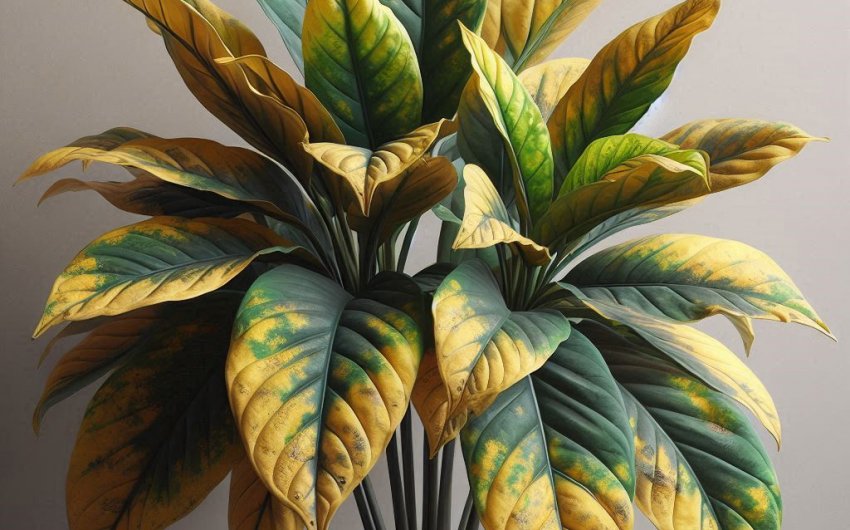
Observing your houseplant leaves turning yellow can be a disheartening sight for any plant parent, signaling that something is amiss in its environment or care routine. This common issue, known as chlorosis, occurs when leaves lose their green pigment, chlorophyll, which is essential for photosynthesis. Unraveling the precise cause behind your yellowing leaves requires a bit of detective work, as various factors, from watering habits to nutrient deficiencies, can contribute to this distress signal from your plant.
What Does It Mean When Houseplant Leaves Turn Yellow?
When houseplant leaves turn yellow, it's a clear indication that the plant is under some form of stress. The yellowing occurs because the plant is losing chlorophyll, the green pigment responsible for capturing sunlight and converting it into energy (photosynthesis). Without enough chlorophyll, the plant can't produce the food it needs to survive and thrive. This condition is broadly known as chlorosis.
The Role of Chlorophyll in Plant Health
Chlorophyll is vital for a plant's survival and is what gives leaves their characteristic green color.
- Photosynthesis: Chlorophyll absorbs light energy, which is then used to convert carbon dioxide and water into glucose (sugar for energy) and oxygen.
- Energy Production: Without sufficient chlorophyll, the plant cannot produce enough energy to grow, maintain its health, or fight off diseases.
- Nutrient Indicator: The production of chlorophyll requires specific nutrients, primarily nitrogen and iron, among others. Yellowing often points to a deficiency in these or other factors that prevent their uptake.
Different Patterns of Yellowing
The pattern of yellowing leaves can often provide clues about the underlying cause.
- Overall Yellowing (Uniform): The entire leaf turns yellow evenly. This might suggest a systemic issue affecting the whole plant, such as general nutrient deficiency or a severe watering problem.
- Yellowing from Edges Inward: The yellowing starts at the leaf margins and progresses towards the center. This often points to issues like overwatering, underwatering, or sometimes nutrient burn from too much fertilizer.
- Yellowing Between Veins (Interveinal Chlorosis): The veins of the leaf remain green, while the tissue between them turns yellow. This is a classic symptom of specific nutrient deficiencies, most commonly iron, manganese, or zinc.
- Yellowing on Old vs. New Leaves:
- Older (Lower) Leaves Turning Yellow: Often a natural process of aging, or a sign of nitrogen deficiency or underwatering. Plants may reallocate nutrients from older leaves to support new growth.
- New (Upper) Leaves Turning Yellow: More concerning, often indicating a deficiency in immobile nutrients like iron, or issues with pH, or severe root problems.
- Yellowing with Other Symptoms:
- Yellow and Droopy: Often a sign of overwatering or root rot.
- Yellow and Crispy: Usually indicates underwatering or very low humidity.
- Yellow and Spotty: Can suggest fungal disease or pest infestation.
Understanding these patterns helps narrow down the potential reasons why your houseplant leaves are turning yellow.
Why Are My Houseplant Leaves Turning Yellow: Watering Issues
Improper watering is by far the most common reason houseplant leaves turn yellow. Both too much and too little water can stress a plant, leading to the same visible symptom, but for different physiological reasons. Getting your watering routine right is fundamental to healthy indoor plants.
Overwatering and Root Rot
Overwatering is the leading cause of houseplant leaves turning yellow and often leads to the death of the plant.
- How it Happens: When you water too frequently or in too large a quantity, the soil stays saturated for prolonged periods. This deprives the roots of oxygen, as the water fills all the air pockets in the potting mix.
- Impact on Roots: Without oxygen, the roots begin to suffocate and die, leading to root rot. Rotted roots can't absorb water or nutrients, even if they are present in the soil.
- Symptoms:
- Yellowing Leaves: Often starting with older, lower leaves, which may also feel soft or mushy.
- Droopy or Wilting Leaves: Even though the soil is wet, the plant looks thirsty because the roots aren't functioning.
- Stunted Growth: Overall lack of vigor.
- Foul Odor from Soil: A tell-tale sign of rotting roots.
- Mushy Stem Base: In severe cases, the stem near the soil line may feel soft or mushy.
- Solution for Overwatering:
- Stop Watering: Do not water again until the top few inches of soil (or more, depending on the plant) are dry.
- Improve Drainage: Ensure your pot has drainage holes. If it doesn't, repot immediately into a pot with holes.
- Check for Root Rot: Gently remove the plant from its pot. Healthy roots are usually white or light-colored and firm. Rotted roots are brown/black and mushy.
- Trim Rotted Roots: If root rot is present, use clean, sharp scissors to trim away all affected roots.
- Repot (if needed): Repot into fresh, well-draining potting mix in a clean pot (or the same one after sterilizing it).
- Adjust Watering Habits: Learn your plant's specific watering needs. Use a moisture meter or the "finger test" (stick your finger 2-3 inches into the soil) to determine when to water.
Underwatering
While less immediately deadly than overwatering, consistent underwatering can also cause houseplant leaves to turn yellow and stress your plant.
- How it Happens: The plant doesn't receive enough water to support its physiological processes. The cells in the leaves lose turgor (internal pressure) and eventually, the plant begins to shut down.
- Impact on Roots: Roots can shrivel and die from prolonged dryness, making it harder for them to absorb water when it is eventually provided.
- Symptoms:
- Yellowing Leaves: Often starting with older leaves, which may also become crispy, dry, and sometimes curled.
- Droopy or Limp Leaves: The plant looks severely thirsty.
- Dry, Compacted Soil: The potting mix pulls away from the edges of the pot.
- Stunted Growth: Overall lack of vitality.
- Leaf Drop: Leaves may simply fall off, especially older ones.
- Solution for Underwatering:
- Water Thoroughly: Give the plant a deep, thorough watering until water drains from the bottom.
- Bottom-Watering: If the soil is extremely dry and hydrophobic (repels water), place the pot in a tray or sink filled with water for 30 minutes to an hour, allowing it to soak up water from the bottom.
- Regular Monitoring: Establish a consistent watering schedule based on your plant's needs, light conditions, and pot size. Check the soil regularly.
Drainage Issues
Even with proper watering habits, poor drainage in the pot or potting mix can mimic overwatering problems.
- Blocked Drainage Holes: Ensure the pot's drainage holes are not blocked.
- Heavy Potting Mix: If your potting mix is too dense or old and compacted, it will retain too much moisture. Repotting into a fresh, well-draining potting mix is the solution. Add more perlite or coarse sand if necessary.
Why Are My Houseplant Leaves Turning Yellow: Light and Temperature
Light and temperature play crucial roles in a plant's ability to photosynthesize and grow. Imbalances in these environmental factors can also cause houseplant leaves to turn yellow.
Not Enough Light (Low Light Conditions)
Most indoor plants, even those labeled "low light tolerant," still require some light for photosynthesis. Prolonged exposure to insufficient light can cause yellowing.
- How it Happens: Without adequate light, the plant cannot produce enough energy (chlorophyll). It may start to shed older leaves to conserve energy for new growth, or the entire plant may appear pale and yellow.
- Symptoms:
- Overall Pale Yellowing: Leaves may become uniformly pale or yellowish-green.
- Yellowing and Dropping of Older Leaves: The plant sacrifices older leaves to direct energy to new (often leggy) growth.
- Stunted or Leggy Growth: New growth is sparse, stretched, and weak.
- Loss of Variegation: Variegated leaves (with white, yellow, or pink patterns) may revert to solid green.
- Solution for Low Light:
- Move the Plant: Relocate the plant to a brighter spot, closer to a window, but avoid direct, harsh sunlight unless it's a high-light plant.
- Add Supplemental Lighting: Consider using a grow light to provide additional light, especially during winter months or in dark rooms.
Too Much Light (Sunburn)
While less common indoors, direct, intense sunlight can also harm houseplant leaves, leading to a form of yellowing or bleaching.
- How it Happens: Direct, unfiltered sunlight can be too intense for many indoor plants adapted to filtered light in their natural habitat. This can scorch the leaves, damaging chlorophyll.
- Symptoms:
- Bleached Yellow or White Patches: Areas exposed to intense light may turn a pale yellow, white, or even brown and crispy.
- Crispy Edges: Similar to underwatering, but specifically on sun-exposed leaves.
- Occurs on Leaves Facing the Window: The damage is usually localized to the leaves receiving the most direct sun.
- Solution for Too Much Light:
- Move the Plant: Relocate the plant to a spot with bright, indirect light.
- Provide Shade: If moving isn't an option, use sheer curtains or blinds to filter the intense sunlight.
Temperature Stress
Sudden or extreme temperature changes can also cause houseplant leaves to turn yellow as a stress response.
- Cold Drafts/Temperature Drops: Exposure to cold drafts from open windows, doors, or placement near AC vents can shock a plant, causing leaves to yellow and drop.
- Too Hot: Placing a plant too close to a heat register, fireplace, or other heat source can dry it out rapidly and cause stress.
- Symptoms:
- Sudden Yellowing and Dropping: Often affects multiple leaves rapidly.
- Wilting: Leaves may appear limp.
- Solution for Temperature Stress:
- Stable Environment: Maintain consistent room temperatures within the plant's preferred range.
- Avoid Extremes: Keep plants away from heating/cooling vents, drafty windows, and exterior doors.
Why Are My Houseplant Leaves Turning Yellow: Nutrient Deficiencies and Excesses
Even with perfect watering and light, if your houseplant leaves are turning yellow, the problem might lie in what (or what isn't) in their soil – specifically, nutrient levels. Plants need a balanced diet, and deficiencies or excesses of certain nutrients can disrupt chlorophyll production.
General Nutrient Deficiency
Over time, plants deplete the nutrients in their potting mix. Without replenishment, they can become generally malnourished.
- How it Happens: As plants grow, they absorb nutrients from the soil. If you don't fertilize regularly or haven't repotted in a long time, the available nutrients diminish.
- Symptoms:
- Overall Pale Green to Yellow: The entire plant may look washed out.
- Stunted Growth: Slow or no new growth.
- Older Leaves Yellowing First: Plants often move mobile nutrients (like nitrogen) from older leaves to support new growth, causing older leaves to yellow and drop first.
- Solution:
- Regular Fertilization: Implement a consistent fertilization schedule during the plant's active growing season (spring and summer). Use a balanced indoor plant fertilizer at the recommended dilution.
- Repotting: Repot your plant every 1-2 years into fresh potting mix to replenish nutrients and refresh the soil structure.
Specific Nutrient Deficiencies
Certain key nutrients, when lacking, manifest in specific yellowing patterns.
- Nitrogen (N) Deficiency:
- Symptoms: Most common deficiency. Older leaves turn uniformly yellow first, often dropping prematurely. New growth may be pale green.
- Solution: Use a fertilizer higher in nitrogen (the first number in the N-P-K ratio), or incorporate worm castings into the soil.
- Iron (Fe) Deficiency:
- Symptoms: Newer leaves show interveinal chlorosis (yellowing between green veins). Often affects plants that prefer acidic soil but are grown in alkaline conditions.
- Solution: Adjust soil pH (if too high) or use an iron supplement for plants. Ensure proper drainage and avoid overwatering, as root issues can also limit iron uptake.
- Magnesium (Mg) Deficiency:
- Symptoms: Older leaves show interveinal chlorosis, starting from the leaf margins and moving inward. Often confused with potassium deficiency.
- Solution: Add Epsom salts (magnesium sulfate) to your watering routine (1 teaspoon per gallon of water, monthly).
- Other Micronutrient Deficiencies (Manganese, Zinc, Copper):
- Symptoms: Often cause interveinal chlorosis on new or older leaves, depending on mobility. Can be harder to diagnose without a soil test.
- Solution: Use a comprehensive fertilizer that includes micronutrients. Ensure proper soil pH, as it affects micronutrient availability.
Nutrient Excess (Fertilizer Burn)
Just as too little nutrient is harmful, too much can also cause houseplant leaves to turn yellow.
- How it Happens: Over-fertilizing leads to a buildup of salts in the soil. These salts can draw water out of the roots, effectively dehydrating the plant even if the soil is wet, and directly burn roots.
- Symptoms:
- Yellowing or Browning Leaf Tips/Edges: Often starts at the very edges and tips, looking scorched.
- Stunted Growth: Despite plenty of fertilizer.
- White Crust on Soil Surface or Pot Rim: Visible salt accumulation.
- Dropping Leaves: Leaves may fall off, often after browning/yellowing.
- Solution for Fertilizer Burn:
- Flush the Soil: Take the plant to a sink or bathtub and slowly pour a large volume of clean water through the soil (at least 2-3 times the pot's volume). This flushes out excess salts.
- Reduce Fertilizing: Dilute your fertilizer more than recommended, or fertilize less frequently.
- Use Slow-Release: Consider slow-release indoor plant fertilizer for a more controlled nutrient supply.
pH Imbalance
The pH of your potting mix affects the availability of nutrients to your plant. If the pH is too high (alkaline) or too low (acidic), certain nutrients can become unavailable, leading to deficiencies even if they are present in the soil.
- How it Happens: Using tap water with a high pH, or improper potting mix can shift the soil pH.
- Symptoms: Can mimic various nutrient deficiencies, especially iron or manganese, as these are often tied to pH levels.
- Solution:
- Test Soil pH: Use a soil pH test kit to determine your soil's current pH.
- Adjust pH:
- To lower (make more acidic): Add a small amount of peat moss or use a fertilizer formulated for acid-loving plants.
- To raise (make more alkaline): Add a small amount of dolomitic lime.
- Repot: If the pH issue is severe, repotting into fresh potting mix with the correct pH is the quickest solution.
Why Are My Houseplant Leaves Turning Yellow: Pests, Diseases, and Other Stressors
Beyond environmental factors and nutrient issues, sometimes houseplant leaves turn yellow due to biotic stressors like pests and diseases, or other general forms of plant shock. Identifying these less common causes requires careful observation.
Pest Infestations
Sap-sucking pests can weaken a plant, causing houseplant leaves to turn yellow as they drain the plant's vital fluids.
- Spider Mites: Tiny arachnids that cause fine webbing and stippling (tiny yellow or white dots) on leaves, especially on the undersides. Leaves eventually yellow and may appear dull.
- Solution: Isolate the plant. Use a strong stream of water to dislodge them. Apply neem oil spray or insecticidal soap. Increase humidity, as they thrive in dry conditions.
- Mealybugs: Small, cottony-looking insects often found in leaf axils or on stems. They suck sap, causing yellowing, distorted growth, and sometimes sticky honeydew.
- Solution: Dab them with a cotton swab dipped in rubbing alcohol. For severe infestations, use insecticidal soap or neem oil.
- Aphids: Small, soft-bodied insects (green, black, or brown) clustered on new growth or undersides of leaves. They suck sap, causing yellowing, curling leaves, and sticky honeydew.
- Solution: Blast them off with water. Use insecticidal soap or neem oil.
- Scale Insects: Small, hard-shelled bumps on stems and leaves. They suck sap, causing yellowing, decline, and honeydew.
- Solution: Scrape them off with your fingernail or a dull knife. Treat with rubbing alcohol, insecticidal soap, or neem oil.
General Pest Control:
- Inspect Regularly: Check your plants thoroughly, especially the undersides of leaves, when watering.
- Isolate Infested Plants: Prevent pests from spreading to other plants.
- Consistent Treatment: Repeated applications of treatments are often necessary to break pest life cycles.
Fungal and Bacterial Diseases
While often causing spots or rot, some plant diseases can lead to generalized yellowing leaves.
- Fungal Leaf Spots: Can start as yellow spots that turn brown or black, often with a yellow halo.
- Root Rot (revisited): As discussed, root rot (often caused by fungal pathogens in overly wet soil) is a primary cause of yellowing.
- Solutions:
- Improve Air Circulation: Ensure good airflow around plants.
- Avoid Overhead Watering: Water at the soil level to keep foliage dry.
- Prune Affected Leaves: Remove diseased leaves to prevent spread.
- Fungicides: In severe cases, a fungicide for houseplants might be necessary, but addressing cultural issues (like overwatering) is usually key.
Transplant Shock
Repotting a plant can be stressful, causing temporary yellowing leaves as it adjusts.
- How it Happens: Roots are disturbed during repotting, making it harder for the plant to absorb water immediately. It's a temporary shock as the plant tries to establish new root connections.
- Symptoms:
- Yellowing of older leaves or a general dullness of foliage a few days or weeks after repotting.
- Temporary wilting.
- Solution:
- Be Gentle: Minimize root disturbance during repotting.
- Water In Well: Water thoroughly after repotting.
- Provide Stable Conditions: Keep the plant in a consistent, moderate environment (avoiding extremes of light, temperature, or drafts) for a few weeks to allow it to recover. Avoid fertilizing immediately after repotting.
Aging and Natural Leaf Drop
Sometimes, yellowing leaves are a completely normal and healthy part of a plant's life cycle.
- How it Happens: Older leaves, typically at the very bottom of the plant, have a finite lifespan. As they age, the plant reabsorbs their nutrients to use for new growth, and the leaves naturally yellow and drop off.
- Symptoms:
- Only a few lower leaves turn yellow and then fall off.
- New growth appears healthy.
- No other signs of stress.
- Solution: This is natural! Simply prune off the yellowing leaves with clean pruning shears once they are completely yellow.
Table: Quick Troubleshooting Guide for Yellowing Leaves
| Symptom Pattern | Likely Cause(s) | Common Solution(s) |
|---|---|---|
| Old leaves turn yellow, mushy, droopy | Overwatering, Root Rot, Poor Drainage | Reduce watering frequency, check drainage, repot if root rot. |
| Old leaves turn yellow, crispy, dry | Underwatering, Low Humidity, Heat Stress | Water more deeply, increase humidity (pebble tray/humidifier), move from heat source. |
| New leaves yellow, green veins | Iron Deficiency, pH Imbalance, Lack of Manganese | Check pH, use iron supplement, ensure proper drainage. |
| Overall pale yellowing, stunted growth | General Nutrient Deficiency, Low Light | Fertilize regularly, move to brighter spot, consider grow light. |
| Yellow spots/patches, webbing | Spider Mites | Inspect closely, mist, use neem oil/insecticidal soap. |
| Yellowing after repotting | Transplant Shock | Provide stable conditions, be patient, avoid overwatering. |
| Only a few bottom leaves yellowing | Natural Aging | No action needed, remove leaves as they turn fully yellow. |
By systematically observing the patterns and symptoms of your houseplant leaves turning yellow, you can effectively diagnose the underlying problem and apply the appropriate solutions, leading to healthier, happier plants.