
Maximizing Space: Compact Pallet Compost Bin Designs for Urban Gardens
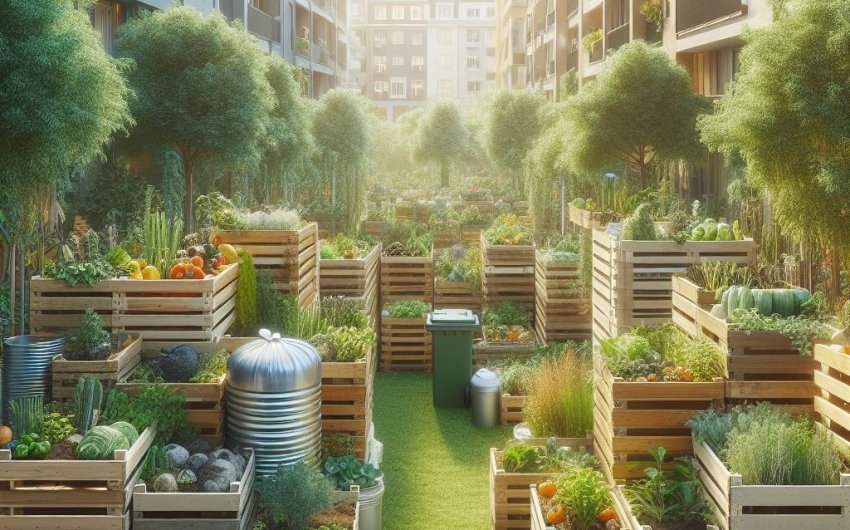
For urban gardens, compact pallet compost bin designs are an excellent solution for maximizing space and efficiently creating nutrient-rich compost. These DIY bins are cost-effective, easy to build, and adaptable to various small outdoor areas, allowing you to transform kitchen and yard waste into valuable soil amendment.
Why are compact pallet compost bins ideal for urban gardens?
Compact pallet compost bin designs are perfectly suited for urban gardens because they effectively address the primary challenges of limited space and resource availability. These DIY solutions maximize composting potential within small footprints, making sustainable waste management accessible for city dwellers.
Benefits of compact pallet compost bins for urban gardens:
- Space Maximization: Utilizes vertical space or fits into narrow areas, making composting feasible on balconies, small patios, or compact backyard corners.
- Cost-Effective: Pallets are often free or very inexpensive, significantly reducing the cost of building a compost bin compared to buying a commercial unit.
- Upcycling/Sustainability: Repurposes discarded wooden pallets, contributing to waste reduction and sustainable living.
- Easy to Build (DIY-Friendly): Most designs require basic tools and minimal carpentry skills, making them accessible even for beginner DIYers.
- Good Airflow: The gaps between pallet slats inherently provide excellent aeration, which is crucial for efficient, odorless composting.
- Adaptable & Scalable: Designs can be modified to fit almost any awkward space or expanded if more composting capacity is needed.
- Produces Valuable Compost: Turns kitchen scraps and yard waste into nutrient-rich compost, improving garden soil and reducing the need for purchased fertilizers.
- Reduces Landfill Waste: Diverts organic waste from landfills, lessening environmental impact.
What should I consider before building a compact pallet compost bin?
Before you start building your compact pallet compost bin design, a few key considerations will ensure your project is successful, efficient, and well-suited for your urban garden. Planning ahead helps you choose the right design and materials, maximizing space and avoiding common composting pitfalls.
Key considerations for building a pallet compost bin:
- Pallet Quality and Safety:
- Heat Treated (HT): Only use pallets stamped "HT" (Heat Treated). This means they were treated with heat to prevent pests, not chemicals.
- Avoid Methyl Bromide (MB): NEVER use pallets stamped "MB," as they were chemically treated with methyl bromide, which is toxic.
- Condition: Look for pallets in good condition, free from excessive rot, mold, or strong chemical smells.
- Source: Local businesses, hardware stores, construction sites often give away pallets. Always ask permission.
- Location in Your Urban Garden:
- Shade/Partial Shade: Place the bin in a spot that receives some shade, especially during the hottest part of the day. This prevents the compost from drying out too quickly.
- Drainage: Ensure the location has good drainage. Avoid placing directly on concrete without aeration beneath, or in a spot where water pools.
- Accessibility: Easy access for adding scraps, turning compost, and harvesting finished compost.
- Proximity: Not too far from your kitchen for scraps, but also not directly against your house or a neighbor's fence (to prevent moisture issues or deter pests).
- Odor (usually minimal with good practice): While well-maintained compost shouldn't smell, consider neighbors.
- Desired Size and Capacity:
- "Compact": How much waste do you generate? A single bin is good for small amounts; a two or three-bay system allows for continuous composting.
- Standard Pallet Size: Approximately 40x48 inches (100x120 cm). Design based on this.
- Tools and Materials Needed:
- Basic: Hammer, nails/screws, drill, power drill, heavy-duty gloves, safety glasses.
- Optional: Saw (reciprocating saw for dismantling), wire/zip ties.
- Composting Method:
- Hot Composting: Requires turning, needs 3 bays ideally.
- Cold Composting: "Set it and forget it," but takes longer. One or two bins are fine.
What are the easiest compact pallet compost bin designs for beginners?
For beginners, the easiest compact pallet compost bin designs focus on simplicity, minimal tools, and quick assembly, making composting accessible for any urban garden. These designs effectively utilize pallets to create functional bins without requiring extensive carpentry skills.
Easiest compact pallet compost bin designs:
- The 3-Sided Bin (Lean-To Style):
- Description: This is the simplest design, perfect for a beginner. It uses three pallets to form three sides, leaning against an existing sturdy wall or fence.
- Materials: 3 HT-stamped pallets, heavy-duty zip ties or wire, or screws/nails for more permanence.
- How-to:
- Stand one pallet upright, resting against a wall or fence (this will be the back).
- Stand a second pallet perpendicular to the first, forming a side. Secure the two pallets together using zip ties or screws.
- Repeat with the third pallet on the other side.
- (Optional): Place a piece of hardware cloth or chicken wire over the front opening to keep animals out, securing it with more zip ties.
- Pros: Very quick to build, minimal tools, utilizes existing structure, good airflow.
- Cons: Only 3 sides, relies on a sturdy backdrop.
- The 4-Sided Wire-Secured Bin:
- Description: A freestanding cube made from four pallets.
- Materials: 4 HT-stamped pallets, heavy-gauge wire or bungee cords (for easy turning), or screws/nails for permanence.
- How-to:
- Stand four pallets upright to form a square.
- Securely wire or screw the corners together. If using wire/bungee cords, you can easily undo one side for turning the compost.
- Pros: Freestanding, completely enclosed, excellent airflow. Easy to access for turning (if one side is removable).
- Cons: A bit more effort than the 3-sided, needs to be stable.
- Simple Stacked Pallet Bin (for aeration/height):
- Description: Two pallets laid flat on top of each other, forming a base, with vertical sides.
- Materials: 5 HT-stamped pallets (1 for the base, 4 for the sides), screws/nails or heavy-duty wire/zip ties.
- How-to:
- Lay one pallet flat on the ground as the base.
- Stand the remaining four pallets upright around the base pallet to form the sides of a square.
- Securely fasten the corners.
- Pros: Provides extra airflow underneath, raises the bin off the ground (good for patios), and offers more capacity.
- Cons: Uses more pallets, slightly taller to fill.
How do I build a two-bay or three-bay pallet compost system for continuous composting?
Building a two-bay or three-bay pallet compost system is an advanced yet highly efficient way to manage your composting, especially for an active urban garden. These multi-bay designs are perfect for continuous, hot composting, ensuring a steady supply of rich compost by allowing you to process different stages simultaneously.
Steps for a multi-bay pallet compost system:
- Gather Supplies:
- 6 or 9 HT-stamped pallets (6 for two bays, 9 for three bays).
- Heavy-duty outdoor screws (e.g., deck screws 3-4 inches) and a power drill.
- Optional: Hardware cloth or chicken wire for rodent proofing, heavy-duty hinges for removable front panels.
- Heavy-duty gloves, safety glasses.
- Layout and Foundation:
- Choose Level Ground: Select a level spot in a shaded or partially shaded area with good drainage.
- Mark footprint: Lay out your pallets to ensure the desired size. A two-bay system will be 2 pallets wide, 1 pallet deep. A three-bay system will be 3 pallets wide, 1 pallet deep.
- Two-Bay System (6 Pallets):
- Back: Stand three pallets upright side-by-side to form the back wall. Securely screw them together where they meet.
- Sides: Stand one pallet perpendicular at each end of the back wall to form the two outer side walls. Screw these securely to the back wall.
- Divider: Place one remaining pallet in the middle, parallel to the side walls, creating a divider between the two bays. Screw it to the back wall and the front opening.
- Front (Optional Removable Panels): For easy turning, you can cut a pallet in half lengthwise (carefully!) to make two shorter front panels for each bay. Attach these with heavy-duty hinges for a door, or simply lean them against the front and secure with bungee cords/wire.
- Three-Bay System (9 Pallets):
- Back: Stand four pallets upright side-by-side to form the back wall (or three if you're leaning against an existing fence). Securely screw them together.
- Sides: Stand one pallet perpendicular at each end of the back wall. Secure.
- Dividers: Place two pallets in the middle, parallel to the side walls, forming two internal dividers. Screw securely.
- Front (Optional Removable Panels): Similar to the two-bay, create removable front panels for each of the three bays.
- Secure All Connections: Use plenty of screws to ensure the structure is robust and stable.
- Rodent Proofing (Optional but Recommended for Urban):
- Staple hardware cloth (1/4 inch mesh) to the inside bottom and sides of each bay to deter rodents. This is especially important if you're adding food scraps.
- Usage:
- Bay 1 (Active): Add fresh "greens" and "browns."
- Bay 2 (Working): Actively turn material from Bay 1 into here for faster decomposition.
- Bay 3 (Curing): Material from Bay 2 moves here to finish decomposing into rich, usable compost.
How can I modify a pallet compost bin for better rodent proofing in an urban setting?
Modifying a pallet compost bin design for better rodent proofing is essential in an urban garden where rats and mice are common. Proactive measures, even with a compact design, can prevent pests from turning your compost bin into an unwelcome home, ensuring your composting efforts are clean and efficient.
Modifications for rodent-proof pallet compost bins:
- Hardware Cloth Lining (Essential):
- Material: Use sturdy, galvanized hardware cloth with a small mesh size (1/4 inch is ideal, no larger than 1/2 inch).
- Application:
- Bottom: Staple the hardware cloth securely to the bottom of your compost bin (or lay a piece on the ground before setting up the pallet sides). Bend the edges upwards slightly to create a continuous barrier.
- Sides: Staple the hardware cloth to the inside of all pallet walls, covering the gaps between the slats. Ensure there are no large openings.
- Overlap: Overlap edges by at least 2 inches and secure tightly.
- Why: Creates a physical barrier that rodents cannot chew through or squeeze through.
- Secure Lid:
- Material: Use another pallet, a piece of plywood, or heavy-duty plastic sheeting for a lid.
- Application: Secure the lid to the top of the bin. For a pallet lid, you can attach it with heavy-duty hinges to one of the back pallets for easy lifting.
- Why: Prevents rodents (and other animals like raccoons) from easily entering from the top.
- Smallest Openings:
- Application: If your bin has removable front panels, ensure they fit snugly with minimal gaps. Cover any remaining gaps with more hardware cloth or thick wooden battens.
- Why: Rodents can squeeze through surprisingly small openings.
- Raised Base (Optional but Recommended):
- Concept: Place your entire compost bin on a solid base (e.g., concrete slabs, pavers) and line the bottom with hardware cloth that extends slightly beyond the base.
- Why: Makes it harder for burrowing rodents to tunnel underneath the bin.
- Bury Edges (Optional):
- Concept: For an even more secure setup, bury the bottom edge of the hardware cloth (around the perimeter of the bin) 6-12 inches deep.
- Why: Deters burrowing rodents that might try to get under the base.
- Avoid Attractants:
- Practice: Do not put meat, dairy, oily foods, or pet waste into your compost.
- Why: These items are strong attractants for rodents and other scavengers.
- Bury Food Scraps: Always bury new kitchen scraps deep within the compost pile to minimize odors and deter pests.
- Active Composting:
- Practice: Maintain an actively decomposing compost pile (good balance of greens/browns, moisture, aeration). A hot compost pile is less appealing to rodents.
What are the best compost ingredients for a compact pallet bin in an urban garden?
For a compact pallet compost bin design in an urban garden, selecting the right compost ingredients is crucial for efficient decomposition and producing nutrient-rich compost. Focus on a balanced mix of "greens" (nitrogen-rich) and "browns" (carbon-rich) to maximize space and speed up the process.
Best compost ingredients for urban garden bins:
"Greens" (Nitrogen-rich for quick heating/decomposition):
- Kitchen Scraps (Small Pieces):
- Examples: Vegetable and fruit peels/cores, coffee grounds (including filter), tea bags, eggshells (crushed).
- Why: Readily available, add nitrogen and moisture. Always bury deep within the pile to deter pests.
- Fresh Grass Clippings:
- Examples: Grass from your lawn (if not chemically treated).
- Why: Excellent source of nitrogen. Use thinly to avoid creating a slimy, smelly mat. Mix with browns.
- Garden Weeds (Before Seeding!):
- Examples: Young weeds, especially non-seeding types.
- Why: Adds green matter. Avoid perennial weeds (like bindweed) and weeds with mature seeds.
- Plant Trimmings:
- Examples: Small, fresh cuttings from annuals, perennial herbaceous stems (chopped).
- Why: Adds green matter.
"Browns" (Carbon-rich for bulk, aeration, and microbe energy):
- Shredded Leaves:
- Examples: Fallen leaves from deciduous trees (maple, oak, elm).
- Why: Excellent bulk, readily available in fall, breaks down well. Shredding them (e.g., with a leaf shredder or lawnmower) speeds up decomposition.
- Wood Chips/Sawdust (Untreated):
- Examples: From untreated lumber.
- Why: Adds carbon, improves aeration. Use sparingly, as they decompose slowly and can temporarily tie up nitrogen.
- Straw:
- Examples: From hay bales (ensure it's not hay with seeds).
- Why: Excellent for aeration and carbon.
- Cardboard (Shredded):
- Examples: Undyed, non-glossy cardboard (e.g., delivery boxes, toilet paper rolls).
- Why: Adds carbon, great for absorbing excess moisture. Shred into small pieces.
- Newspaper (Shredded):
- Examples: Black and white newspaper.
- Why: Adds carbon. Use sparingly, and mix well.
- Dried Plant Stems/Trimmings:
- Examples: Dead annuals, spent perennial stalks (chopped).
- Why: Good source of carbon.
Items to AVOID in an urban compost bin (especially for rodent proofing):
- Meat, Bones, Dairy Products, Fats/Oils: Attract pests, smell bad, decompose slowly.
- Pet Waste (Dog/Cat Feces): Contains pathogens.
- Diseased Plants: Can spread disease.
- Weeds with Seeds: Will germinate in your compost.
- Treated Wood: Contains chemicals.
How do I manage a compact pallet compost bin for fast, efficient composting?
Managing a compact pallet compost bin design for fast, efficient composting in an urban garden requires understanding the core principles of decomposition: balancing greens and browns, maintaining moisture, ensuring aeration, and regular turning. This active management makes your vertical garden magic produce compost quickly.
Key management tips for fast, efficient composting:
- Maintain a 3:1 Carbon-to-Nitrogen Ratio ("Browns" to "Greens"):
- "Browns" (Carbon-rich): Dried leaves, straw, shredded cardboard, wood chips. Provide energy for microbes and bulk for aeration.
- "Greens" (Nitrogen-rich): Kitchen scraps, fresh grass clippings, fresh plant trimmings. Provide protein for microbes.
- Why: This ratio is ideal for microbial activity. Too much green leads to a smelly, slimy pile. Too much brown leads to a slow, dry pile.
- Tip: Add kitchen scraps (greens) with a layer of dried leaves or shredded cardboard (browns) to balance.
- Keep it Moist (Like a Wrung-Out Sponge):
- Why: Microbes need water to survive and decompose materials.
- How: Add water when turning if the pile feels dry. It should feel damp, not dripping wet. If too wet, add more browns. Use a soil moisture meter to check deep inside the pile.
- Ensure Good Aeration (Oxygen is Key):
- Why: Composting is an aerobic (oxygen-requiring) process. Lack of oxygen leads to smelly, slow, anaerobic decomposition. Pallets naturally provide some, but turning is crucial.
- How: Turn your compost pile regularly. Ideally, once a week for hot composting. Use a compost aerator tool or a pitchfork to mix and introduce air.
- Impact: Turning speeds up decomposition and prevents odors.
- Chop Ingredients into Smaller Pieces:
- Why: Smaller pieces have more surface area for microbes to work on, accelerating decomposition.
- How: Chop kitchen scraps, shred leaves, cut up plant stems.
- Build to the Right Size:
- Why: A compost pile needs sufficient mass to heat up properly. Aim for at least 3x3x3 feet (1 cubic yard) for effective hot composting. Even compact bins should aim for decent volume.
- Impact: Smaller piles may decompose slower (cold composting).
- "Hot Composting" (for speed):
- Concept: Requires a minimum size, proper greens/browns ratio, moisture, and frequent turning. The pile will heat up to 120-160°F (49-71°C).
- Benefit: Produces compost in weeks/months.
- Using a multi-bay system: Ideal for hot composting, allowing you to move material through stages.
- Monitor Temperature (Optional):
- A compost thermometer helps you track the internal temperature to ensure it's "cooking."
What are common troubleshooting tips for compact pallet compost bins?
Even with the best intentions, you might encounter issues with your compact pallet compost bin design. Knowing how to troubleshoot common problems ensures your composting process remains efficient and enjoyable, ultimately leading to successful urban gardens.
Common compost bin troubleshooting tips:
- Compost Pile Smells Bad (Like Ammonia or Rotting Eggs):
- Cause: Too much nitrogen ("greens"), not enough oxygen (needs turning), or too wet.
- Solution:
- Add "browns": Mix in shredded leaves, straw, or shredded cardboard.
- Turn: Mix the pile thoroughly to aerate it.
- Reduce wet scraps: Temporarily hold off on adding fresh, wet kitchen scraps.
- Compost Pile Isn't Heating Up / Decomposing Slowly:
- Cause: Not enough nitrogen ("greens"), too dry, not enough mass, or lack of aeration.
- Solution:
- Add "greens": Mix in fresh grass clippings, coffee grounds, or fresh kitchen scraps.
- Add water: Moisten the pile until it's like a wrung-out sponge.
- Increase size: If too small, add more materials.
- Turn: Mix to introduce oxygen.
- Chop: Ensure materials are chopped small enough.
- Compost Pile is Attracting Pests (Rodents, Flies):
- Cause: Adding meat, dairy, oily foods, or pet waste. Food scraps not buried. Lack of rodent proofing.
- Solution:
- STOP adding prohibited items.
- Bury scraps: Always bury new kitchen scraps deep within the pile's center.
- Rodent proof: Add hardware cloth lining and a secure lid (see "Rodent Proofing" section).
- Turn aggressively: A hot, active pile is less attractive.
- Trap (if necessary): For existing rodents, use traps outside the bin.
- Compost is Too Dry / Dusty:
- Cause: Not enough moisture.
- Solution: Add water when turning until it feels like a wrung-out sponge.
- Compost is Too Wet / Slimy:
- Cause: Too much moisture, not enough "browns," or lack of aeration.
- Solution:
- Add "browns": Mix in shredded leaves, straw, or shredded cardboard.
- Turn: Mix the pile thoroughly to aerate it.
- Improve drainage: Ensure the bin's location has good drainage.
- Ants in the Compost:
- Cause: Often attracted to dry, high-carbon materials or small food particles.
- Solution: Moisten the pile (ants don't like wet conditions). Turn the pile to disrupt their nests.
- Flies in the Compost:
- Cause: Exposed food scraps or too much fresh "green" material on the surface.
- Solution: Bury all new kitchen scraps deeply. Add a layer of "browns" (leaves, straw) after adding greens. Turn the pile.
Maximizing space and efficiency in your urban gardens with compact pallet compost bin designs is a rewarding way to practice sustainable gardening. By carefully planning, building, modifying for pest control, selecting the right ingredients, and actively managing your compost, you can consistently produce nutrient-rich amendment that transforms your garden.