
From Pallet to Productive: How to Optimize Your Compost Bin for Nutrient-Rich Soil
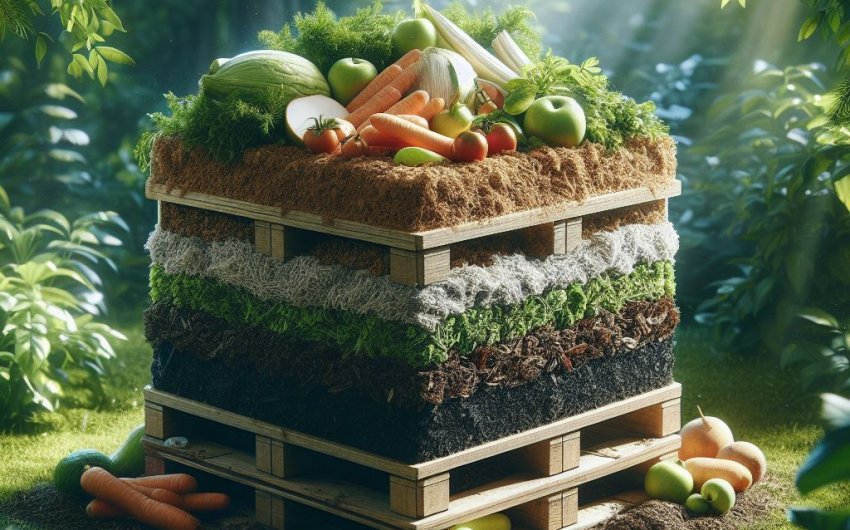
To optimize your compost bin for nutrient-rich soil and go from pallet to productive, focus on a balanced mix of "greens" and "browns," meticulous moisture control, and consistent aeration. Active management encourages rapid decomposition, transforming waste into invaluable organic matter that supercharges your garden.
Why is nutrient-rich compost essential for a thriving garden?
Nutrient-rich compost is often called "black gold" by gardeners, and for good reason—it's absolutely essential for a thriving garden. This decomposed organic matter enriches the soil in ways that synthetic fertilizers simply cannot, forming the backbone of a healthy and productive growing environment.
Benefits of nutrient-rich compost for a thriving garden:
- Feeds the Soil, Not Just the Plant: Compost introduces and feeds the complex "soil food web" (beneficial bacteria, fungi, earthworms, protozoa). These microbes are crucial for breaking down organic matter and making nutrients available to plants.
- Slow-Release Nutrients: As microbes decompose compost, they gradually release essential macro and micronutrients. This provides a steady, balanced diet for plants, preventing nutrient leaching and runoff.
- Improves Soil Structure (Dramatically!):
- For clay soils: Compost creates larger pore spaces, improving aeration and drainage, making heavy soil lighter and easier to work.
- For sandy soils: Compost acts like a sponge, significantly increasing water and nutrient retention, preventing nutrients from washing away.
- Overall: Creates friable, crumbly soil that's ideal for root growth.
- Enhances Water Retention: Compost can hold several times its weight in water, helping gardens withstand drought and reducing the need for frequent watering.
- Balances Soil pH: Compost acts as a natural buffer, helping to stabilize soil pH and bringing it closer to the optimal range for most plants, making nutrients more accessible.
- Suppresses Pests and Diseases: A healthy, biologically diverse soil ecosystem (fostered by compost) naturally suppresses many harmful soil-borne pathogens and pests. Healthy plants grown in healthy soil are also more resilient.
- Reduces Need for Synthetic Fertilizers: By building natural soil fertility, compost reduces or eliminates the reliance on chemical fertilizers, saving money and benefiting the environment.
- Promotes Strong Root Growth: Looser, more nutrient-rich soil allows roots to penetrate deeper and spread wider, leading to stronger, healthier plants.
- Reduces Waste: Diverts kitchen scraps and yard waste from landfills, supporting sustainable living.
What is the ideal balance of "greens" and "browns" for nutrient-rich compost?
Achieving the ideal balance of "greens" (nitrogen-rich) and "browns" (carbon-rich) is the most fundamental secret to optimizing your compost bin for nutrient-rich soil. This precise ratio ensures rapid decomposition and produces valuable compost, transforming your efforts from pallet to productive.
Understanding the 3:1 Carbon-to-Nitrogen Ratio:
- The Golden Ratio: The scientific ideal ratio of carbon to nitrogen (C:N) for efficient composting is roughly 25-30 parts carbon to 1 part nitrogen (25-30:1).
- In practice: This translates to a volumetric ratio of approximately 3 parts "brown" materials to 1 part "green" materials.
- Why this ratio?
- Carbon: Provides the energy source for the microorganisms that break down the compost. It also prevents the pile from becoming slimy and smelly.
- Nitrogen: Provides the protein necessary for microorganisms to multiply and grow. It fuels the decomposition process.
- Impact: A balanced ratio ensures rapid microbial activity, which generates heat (for "hot composting") and breaks down materials efficiently, resulting in a dark, crumbly, nutrient-rich final product.
Top "Greens" (High Nitrogen):
- Kitchen Scraps: Vegetable and fruit peels/cores, coffee grounds (with filters), tea bags. (Avoid meat, dairy, fats).
- C:N Ratio: ~15-20:1
- Fresh Grass Clippings:
- C:N Ratio: ~15-25:1
- Fresh Plant Trimmings: Green leaves, soft annual stems, garden weeds (before going to seed).
- C:N Ratio: ~10-30:1
- Manures (Composted): Chicken, cow, horse manure (ensure it's composted and not fresh).
- C:N Ratio: ~5-25:1
Top "Browns" (High Carbon):
- Dried Leaves:
- C:N Ratio: ~40-80:1
- Shredded Cardboard: (Undyed, non-glossy, e.g., delivery boxes, toilet paper rolls).
- C:N Ratio: ~150-200:1
- Straw:
- C:N Ratio: ~40-100:1
- Wood Chips/Sawdust (Untreated):
- C:N Ratio: ~100-500:1 (Decompose slowly, use sparingly).
- Shredded Newspaper (Black & white):
- C:N Ratio: ~170:1
Practical Application: The Layering Method
- Start with a layer of browns: This provides a base for aeration and absorbs moisture.
- Add a layer of greens: Spread your kitchen scraps or grass clippings.
- Cover with another layer of browns: This helps prevent odors and deters pests.
- Repeat: Continue layering, ensuring each "green" layer is surrounded by "browns."
- Moisten: Lightly water each layer as you build, ensuring it's damp, not soggy.
How does consistent moisture control impact compost quality?
Consistent moisture control is a critical factor in optimizing your compost bin for nutrient-rich soil. Microorganisms, the tiny workers responsible for decomposition, absolutely depend on adequate water to thrive. Too dry, and the process grinds to a halt; too wet, and it becomes a smelly, anaerobic mess.
The impact of moisture control on compost quality:
- Fuels Microbial Activity:
- Mechanism: Microorganisms need water for their metabolic processes. They "swim" in the water film surrounding organic particles to access food and nutrients.
- Impact: Optimal moisture (like a wrung-out sponge) allows microbes to work efficiently, leading to rapid decomposition and heat generation (for hot composting).
- Aids Nutrient Dissolution:
- Mechanism: Water helps dissolve nutrients from organic materials, making them available for microbial uptake and later for plants.
- Impact: Contributes to the overall nutrient richness of the final compost.
- Prevents Drying Out (Slow Decomposition):
- Mechanism: A dry compost pile goes dormant. Microbial activity significantly slows down or stops.
- Impact: Decomposition takes much longer, and the compost quality might be inconsistent.
- Prevents Waterlogging (Anaerobic Conditions):
- Mechanism: Too much water displaces air within the pile, creating anaerobic conditions (without oxygen).
- Impact: Leads to slow decomposition, foul odors (rotting egg smell), and produces less beneficial compost. It can also create an environment for undesirable microorganisms.
- Maintains Pile Structure:
- Mechanism: Proper moisture helps materials adhere slightly, preventing excessive drying and dustiness, and supporting the pile's structure.
How to achieve consistent moisture control:
- The "Squeeze Test": The ideal compost pile should feel like a wrung-out sponge. When you squeeze a handful of material, a few drops of water should come out.
- Add Water When Dry: If the pile feels dry, water it thoroughly with a hose nozzle or watering can when you turn it.
- Add "Browns" When Too Wet: If the pile is soggy, add more carbon-rich "brown" materials (shredded leaves, straw, shredded cardboard) to absorb excess moisture. Turning the pile will also help aerate it and dry it out.
- Cover the Bin (Optional): A lid or tarp can help prevent the pile from drying out too quickly in hot, sunny, or windy weather, or from becoming waterlogged during heavy rains.
- Bury Wet Scraps: Always bury fresh, wet kitchen scraps deep inside the pile, surrounded by drier browns. This helps distribute moisture and prevents odors.
- Use a Compost Thermometer: High heat during hot composting is a good indicator of active microbial activity, which requires consistent moisture.
How does proper aeration optimize compost decomposition?
Proper aeration is fundamentally important for optimizing compost decomposition and transitioning your pallet to productive nutrient-rich soil. Microbes, the engines of composting, are mostly aerobic (require oxygen). Without sufficient air, the decomposition process becomes slow, smelly, and produces less beneficial compost.
The impact of aeration on compost decomposition:
- Fuels Aerobic Microbes:
- Mechanism: The vast majority of beneficial composting microorganisms (bacteria, fungi) require oxygen to efficiently break down organic matter.
- Impact: Good aeration promotes the growth and activity of these fast-acting, odor-free microbes, leading to rapid decomposition.
- Prevents Anaerobic Conditions:
- Mechanism: Lack of oxygen creates an anaerobic (oxygen-lacking) environment. This favors different types of microbes that work much slower and produce unpleasant byproducts (sulfur compounds, methane).
- Impact: Prevents foul odors (like rotting eggs or ammonia) and speeds up the entire composting process.
- Heat Generation:
- Mechanism: Aerobic decomposition releases heat. For "hot composting" (fastest method), oxygen is crucial for reaching and maintaining high temperatures (120-160°F or 49-71°C).
- Impact: High temperatures kill weed seeds and pathogens, resulting in cleaner, safer compost.
- Dries Excess Moisture:
- Mechanism: Turning the pile helps to air out overly wet sections, preventing waterlogging and maintaining optimal moisture levels.
- Impact: Prevents slimy, compacted layers.
- Balances Pile (indirectly):
- Mechanism: Turning also mixes the "greens" and "browns," distributing nutrients and microbes evenly throughout the pile.
- Impact: Ensures all parts of the pile are actively decomposing.
How to achieve proper aeration:
- Turn Your Compost Pile Regularly (The Best Method!):
- Frequency: For fast, "hot" composting, turn the pile every 2-4 days when it's hot (above 120°F). For slower composting, turn every 1-2 weeks.
- Method: Use a pitchfork or compost aerator tool to mix the outer, cooler material into the center and break up compacted areas.
- Two/Three-Bay System: Ideal for turning, allowing you to easily move material from one bay to another.
- Chop Ingredients:
- Smaller pieces allow more air to circulate between them.
- Layer Materials:
- Alternating layers of coarse "browns" (like straw or wood chips) with "greens" helps create air pockets. Avoid compacting layers.
- Build the Right Size:
- A pile that's too small won't heat up. One that's too large can become dense and oxygen-deprived in the center. Aim for at least 3x3x3 feet (1 cubic yard) for effective hot composting.
- Utilize Pallet Gaps: The natural gaps in your pallet compost bin design provide passive aeration, but active turning is still essential.
How do I know my compost is ready, and what are common troubleshooting tips?
Knowing when your compost is ready is the exciting culmination of optimizing your compost bin for nutrient-rich soil. However, occasionally, issues arise. Effective troubleshooting tips ensure your journey from pallet to productive compost is successful, even if you hit a snag.
How to know your compost is ready:
When your compost is ready, it will exhibit several distinct characteristics:
- Appearance: Dark brown or black in color.
- Texture: Crumbly, earthy, and uniform, resembling rich soil. You should no longer recognize the original ingredients (no identifiable food scraps, leaves, etc.).
- Smell: Pleasant, earthy smell, like forest soil after rain. It should not smell sour, ammoniac, or rotten.
- Temperature: The pile will have cooled down to ambient (air) temperature. If it's still warm in the center, it's still actively decomposing.
Common troubleshooting tips for compost bins:
- Compost Pile Smells Bad (Ammonia or Rotten Eggs):
- Cause: Too much nitrogen ("greens"), not enough oxygen (needs turning), or too wet.
- Solution:
- Add "browns": Mix in shredded leaves, straw, or shredded cardboard. Aim for a 3:1 brown-to-green ratio.
- Turn: Mix the pile thoroughly to aerate it.
- Dry out: If too wet, spread it out slightly for a few hours.
- Compost Pile Isn't Heating Up / Decomposing Slowly:
- Cause: Not enough nitrogen ("greens"), too dry, not enough mass, or lack of aeration.
- Solution:
- Add "greens": Mix in fresh grass clippings, coffee grounds, or fresh kitchen scraps.
- Add water: Moisten the pile until it's like a wrung-out sponge.
- Increase size: If too small, add more materials to build critical mass.
- Turn: Mix to introduce oxygen.
- Chop: Ensure materials are chopped into smaller pieces.
- Compost is Attracting Pests (Rodents, Flies, Ants):
- Cause: Adding prohibited items (meat, dairy, oils), exposed food scraps, or lack of rodent proofing.
- Solution:
- STOP adding prohibited items.
- Bury scraps: Always bury new kitchen scraps deep within the pile's center.
- Rodent proof: Ensure your pallet compost bin design has hardware cloth lining and a secure lid.
- Turn aggressively: A hot, active pile is less attractive to pests.
- Trap (if necessary): For existing rodents, use traps outside the bin.
- Flies: If too many flies, cover the top with a thick layer of dry browns or a tarp.
- Compost is Too Dry / Dusty:
- Cause: Not enough moisture.
- Solution: Add water when turning until it reaches the wrung-out sponge consistency.
- Compost is Too Wet / Slimy:
- Cause: Too much moisture, not enough "browns," or lack of aeration.
- Solution:
- Add "browns": Mix in shredded leaves, straw, or shredded cardboard.
- Turn: Mix the pile thoroughly to aerate it and help it dry.
- Improve drainage: Check if the bin's location has good drainage.
Optimizing your compost bin for nutrient-rich soil is a sustainable and deeply rewarding practice. By diligently balancing "greens" and "browns," controlling moisture, ensuring aeration through regular turning, and effectively troubleshooting any issues, you can efficiently transform your garden waste from pallet to productive black gold, supercharging the health and vitality of your entire garden.