
Building a Budget-Friendly DIY Compost Bin: A Step-by-Step Guide
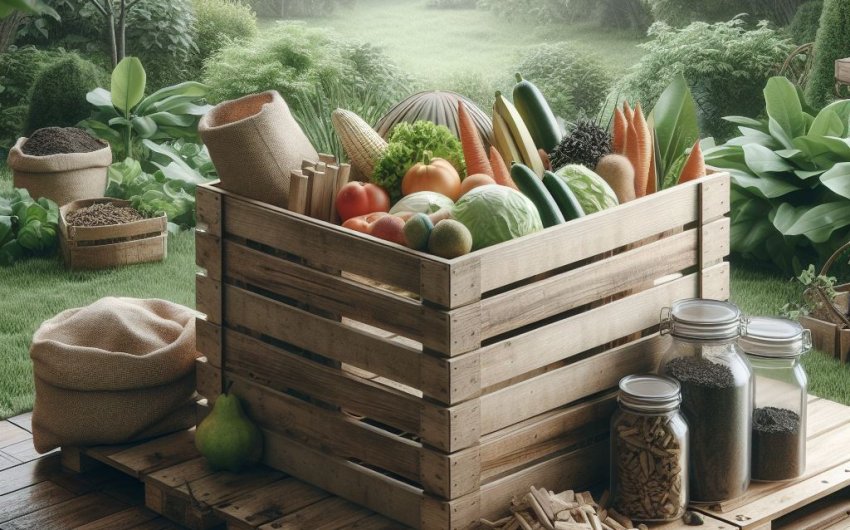
Building a budget-friendly DIY compost bin is a straightforward process that transforms kitchen and yard waste into valuable garden gold. This step-by-step guide will walk you through easy, cost-effective designs using repurposed materials like pallets or wire, making composting accessible for everyone.
Why should I build a DIY compost bin instead of buying one?
Building a DIY compost bin offers numerous advantages over purchasing a pre-made one, especially if you're looking for a budget-friendly solution. It allows for customization, sustainability, and can be a rewarding project that transforms your waste into valuable garden resources.
Benefits of building a DIY compost bin:
- Cost Savings: The primary driver. Many DIY bins can be built for very little money, often using repurposed materials (like pallets or wire) that are free or cheap. Commercial bins can be surprisingly expensive.
- Customization: You can design a bin that perfectly fits your space (small urban garden, large backyard), your needs (single batch, continuous, hot composting), and your aesthetic preferences.
- Sustainability & Upcycling: Gives new life to discarded materials, reducing waste and promoting eco-friendly practices.
- Learning Opportunity: The process of building teaches you about materials, construction, and the mechanics of composting, deepening your understanding of the process.
- Durability: You can choose high-quality, weather-resistant materials to ensure your bin lasts for many years.
- Satisfying Project: There's a real sense of accomplishment in creating something functional and beneficial for your garden with your own hands.
- Efficiency: Some DIY designs (like multi-bay pallet bins) are highly efficient for active composting, often outperforming basic tumblers.
What materials are best for a budget-friendly DIY compost bin?
For a budget-friendly DIY compost bin, selecting the right materials is crucial for keeping costs down while ensuring functionality and durability. Focusing on repurposed or inexpensive options allows you to build an effective bin without breaking the bank, as outlined in this step-by-step guide.
Top materials for a budget-friendly DIY compost bin:
- Wooden Pallets (Often Free!):
- Pros: Excellent for airflow, sturdy, easy to connect. Often free from local businesses (ask first!).
- Cons: Can be heavy, need to check for chemical treatments (only use HT-stamped pallets – heat treated; NEVER use "MB" stamped pallets – chemically treated). Can be rough with splinters.
- Best for: Sturdy, multi-bay bins.
- Hardware Cloth / Chicken Wire:
- Pros: Inexpensive, lightweight, excellent airflow, good for quick, simple bins.
- Cons: Less durable than wood for very large piles, can sag over time. Mesh size needs to be small enough to contain compost but allow air (1/2 to 1 inch is good).
- Best for: Simple cylinder bins, adding rodent proofing.
- Plastic Lawn Fencing / Garden Border Rolls:
- Pros: Lightweight, easy to cut and shape, relatively inexpensive.
- Cons: Can be less sturdy, may not last as long as other options, generally smaller capacity.
- Best for: Small, temporary, or beginner bins.
- Used Lumber (Scrap Wood):
- Pros: Can be repurposed from old fences, decks, or construction scraps.
- Cons: Needs to be untreated wood. Requires more cutting and measuring than pallets.
- Best for: More custom-sized bins, often with a more finished look.
- Metal T-posts / Rebar / Stakes:
- Pros: Inexpensive, sturdy, provide vertical support for wire or fabric bins.
- Cons: Requires driving into the ground.
- Best for: Anchoring wire bins or simple enclosed areas.
- Heavy-Duty Zip Ties / Wire / Rope:
- Pros: Cheap, easy way to connect pallets or wire fencing without tools.
- Cons: May need to be replaced periodically due to UV degradation (zip ties) or rust (wire).
- Best for: Quick assembly, temporary bins.
- Screws / Nails (for wood bins):
- Pros: Provide a strong, permanent connection for wooden bins.
- Cons: Requires a drill/hammer.
- Best for: Robust, multi-bay pallet bins.
- Tools: Hammer, drill, heavy-duty gloves, safety glasses. Wire cutters if using wire.
What is the easiest DIY compost bin design for a beginner?
For a beginner embarking on building a budget-friendly DIY compost bin, the easiest design is a single 3-sided pallet bin. It requires minimal tools and construction, making it a perfect entry point into composting without a steep learning curve.
Step-by-step guide for the easiest DIY compost bin (3-Sided Pallet Bin):
- Gather Materials:
- 3 HT-stamped wooden pallets (approximately 40x48 inches each). You can often get these for free from local businesses.
- Heavy-duty zip ties or strong wire (for securing).
- Heavy-duty gloves and safety glasses.
- Optional: Drill and screws if you want a more permanent connection.
- Choose Your Location:
- Select a spot in your garden that has good drainage and receives some shade (prevents the pile from drying out too quickly).
- This design works best leaning against an existing sturdy wall or fence.
- Assemble the Back Panel:
- Stand one pallet upright against your chosen wall or fence. This will be the back of your bin. Ensure it's stable.
- Attach the Side Panels:
- Take a second pallet and stand it upright, perpendicular to one end of the back pallet.
- Align the corners of the two pallets.
- Securely fasten them together using several zip ties or by wrapping with strong wire. If using screws, pre-drill holes to prevent splitting the wood, then screw them together.
- Attach the Second Side Panel:
- Repeat step 4 with the third pallet on the other side of the back panel. You now have three sides forming a "U" shape.
- Reinforce (Optional but Recommended):
- If using zip ties or wire, double-check that all connections are very tight.
- For added rodent proofing, you can staple hardware cloth to the inside of the pallets, covering the gaps.
- Start Composting!
- Begin adding your layers of "greens" and "browns."
How do I build a simple wire mesh compost bin?
Building a simple wire mesh compost bin is one of the most budget-friendly DIY compost bin options, perfect for beginners and those who need a lightweight, easily movable bin. This step-by-step guide creates an efficient design with excellent airflow.
Step-by-step guide for a simple wire mesh compost bin:
- Gather Materials:
- Hardware cloth (galvanized, 1/2-inch or 1-inch mesh size, about 10-12 feet long and 3 feet high). Choose a smaller mesh (1/4 inch) for better rodent proofing but be aware it's harder to work with.
- Heavy-duty zip ties or florist wire (for securing the ends).
- Wire cutters (essential!).
- Heavy-duty gloves and safety glasses (wire can be sharp!).
- Optional: 3-4 metal T-posts or sturdy stakes for extra support.
- Choose Your Location:
- Select a level spot in your garden with good drainage and some shade.
- Form the Cylinder:
- Unroll the hardware cloth carefully (it will want to spring back).
- Bring the two ends together to form a cylinder (or square, if preferred). The size of your bin will depend on how much wire you use. A 10-foot length will make about a 3-foot diameter cylinder.
- Secure the Ends:
- Overlap the cut ends of the wire by at least 6-8 inches.
- Securely fasten them together using several heavy-duty zip ties or by weaving florist wire through the mesh. Ensure there are no large gaps.
- Anchor the Bin (Optional but Recommended):
- If using T-posts, drive them into the ground around the inside or outside perimeter of the cylinder (e.g., at 12, 4, and 8 o'clock positions).
- Secure the wire mesh to the T-posts with more zip ties or wire. This prevents the bin from shifting.
- Add a Lid (Optional):
- You can cut a circular or square piece of hardware cloth for a lid, or use a piece of old plywood or a tarp. This helps retain moisture and deters some animals.
- Start Composting!
- Begin adding your layers of "greens" and "browns."
Tips for wire mesh bins:
- Rodent Proofing: For urban settings, a 1/4-inch mesh hardware cloth is best, but harder to bend.
- Turning: To turn the compost, simply unfasten one side of the cylinder, step back, and use a pitchfork to turn the pile. Once turned, re-secure the cylinder.
How do I build a sturdy single-bay pallet compost bin?
Building a sturdy single-bay pallet compost bin is an excellent budget-friendly DIY project for gardeners seeking a robust and well-aerated system. This design, detailed in this step-by-step guide, creates a freestanding, durable bin from repurposed wooden pallets, ensuring efficient composting.
Step-by-step guide for a sturdy single-bay pallet compost bin:
- Gather Materials:
- 4 HT-stamped wooden pallets.
- Heavy-duty outdoor screws (e.g., deck screws, 3-4 inches long).
- Power drill with appropriate drill bits (for pre-drilling and driving screws).
- Heavy-duty gloves, safety glasses.
- Optional: Hardware cloth (1/4 inch) and staple gun for rodent proofing.
- Optional: Heavy-duty hinges for a removable front door.
- Choose Your Location:
- Select a level spot in your garden with good drainage and some shade.
- Assemble the Sides (The Square):
- Stand two pallets upright, perpendicular to each other, to form an "L" shape (this will be a back and a side).
- Align the corners. Pre-drill pilot holes to prevent splitting the wood, then screw them together securely with 3-4 screws.
- Repeat with the remaining two pallets to complete the square, forming the four sides of the bin. Ensure all four corners are securely fastened.
- Add a Lid (Optional but Recommended):
- Use a fifth pallet, a piece of exterior-grade plywood, or heavy-duty plastic as a lid.
- You can simply rest it on top, or for easier access and security, attach it with heavy-duty hinges to one of the back pallets.
- Rodent Proofing (Optional but Recommended):
- Line the inside bottom and sides of the bin with 1/4-inch hardware cloth. Staple it securely, ensuring no large gaps.
- For extra protection, you can bury the bottom edge of the hardware cloth 6-12 inches deep around the perimeter of the bin.
- Front Access (Optional):
- If you want a removable front for easier turning or harvesting, you can leave one side unsecured with screws and use bungee cords or strong wire to hold it in place. Or, dismantle one pallet and build a front "door" with individual slats that slide in and out.
- Start Composting!
- Begin layering your "greens" and "browns."
How do I build an efficient two-bay pallet compost bin?
An efficient two-bay pallet compost bin is a highly effective and budget-friendly DIY solution for gardeners who want to practice continuous or "hot" composting. This step-by-step guide details how to construct a system that allows you to manage active and curing compost simultaneously, ensuring a steady supply of rich soil amendment.
Step-by-step guide for an efficient two-bay pallet compost bin:
- Gather Materials:
- 6 HT-stamped wooden pallets.
- Heavy-duty outdoor screws (e.g., deck screws, 3-4 inches long).
- Power drill with appropriate drill bits.
- Heavy-duty gloves, safety glasses.
- Optional: Hardware cloth (1/4 inch) and staple gun for rodent proofing.
- Optional: Heavy-duty hinges and additional pallet wood for removable front panels.
- Choose Your Location:
- Select a level spot in your garden with good drainage and some shade.
- Assemble the Back Wall:
- Stand three pallets upright side-by-side to form a long back wall.
- Align their edges and securely screw them together where they meet. Use multiple screws for each connection.
- Add the Two Outer Side Walls:
- Take two more pallets. Stand one perpendicular to each end of the back wall (forming the outer side walls of the two bays).
- Securely screw these side pallets to the back wall.
- Install the Central Divider:
- Take the final pallet. Stand it upright in the middle of the structure, parallel to the two outer side walls. This will serve as the divider between your two composting bays.
- Securely screw this central divider pallet to the back wall and to the outer two side pallets (where it makes contact). This creates two distinct compartments.
- Add Lids (Optional but Recommended):
- You can use two separate pallets (or pieces of plywood) as lids for each bay. Attach them with heavy-duty hinges to the back wall, or simply rest them on top.
- Create Removable Front Panels (Highly Recommended for Efficiency):
- For each bay, you'll want a front panel that can be easily removed for turning the compost.
- Option 1 (Simple): Leave the front open and use bungee cords or wire to temporarily hold a pallet in place.
- Option 2 (More Functional): Carefully dismantle some pallets into individual planks. Create vertical "slots" on the inside of the front-facing pallets (on either side of the opening) by screwing in small wood blocks. Then, slide loose pallet planks down into these slots to form a removable front wall that can be taken out layer by layer.
- Rodent Proofing (Optional but Recommended):
- Line the inside bottom and sides of both bays with 1/4-inch hardware cloth, stapling securely.
- Start Composting!
- Bay 1: For fresh "greens" and "browns."
- Bay 2: For actively turning and curing compost.
How do I maintain my DIY compost bin for long-term productivity?
Maintaining your DIY compost bin effectively ensures long-term productivity and a continuous supply of nutrient-rich compost. Consistent care, as outlined in this step-by-step guide, prevents issues, speeds decomposition, and keeps your budget-friendly system efficient.
Key maintenance tips for long-term compost bin productivity:
- Maintain the Carbon-to-Nitrogen Ratio (3:1 Browns to Greens):
- Why: This balance is crucial for microbial activity and prevents odors.
- How: As you add kitchen scraps ("greens"), follow with a layer of "browns" (dried leaves, shredded cardboard).
- Control Moisture Levels (Like a Wrung-Out Sponge):
- Why: Microbes need water. Too dry, decomposition stops; too wet, it becomes anaerobic and smelly.
- How: Water the pile when it feels dry. Add more browns if it's too wet. Cover the bin to prevent excessive drying or waterlogging. Use a soil moisture meter for deep checks.
- Ensure Good Aeration (Turn Regularly!):
- Why: Oxygen is vital for aerobic decomposition. Lack of oxygen leads to slow decomposition and odors.
- How: Turn your compost pile frequently with a pitchfork or compost aerator tool. For hot composting, turn every 2-4 days when the pile is hot. For cold composting, turn every 1-2 weeks.
- Multi-bay advantage: Easy to "turn" by simply moving material from one bay to the next.
- Chop/Shred Ingredients:
- Why: Smaller pieces decompose much faster due to increased surface area.
- How: Chop kitchen scraps, shred leaves (leaf shredder or lawnmower), cut up garden waste.
- Bury Food Scraps:
- Why: Prevents odors and deters pests (rodents, flies).
- How: Always add fresh kitchen scraps to the center of the pile, then cover them with a layer of "browns."
- Monitor Temperature (Optional):
- A compost thermometer helps you track the internal temperature. A hot pile (120-160°F or 49-71°C) indicates active decomposition and means you're doing things right.
- Rodent Proofing (If Applicable):
- Regularly check for any breaches in your hardware cloth lining or gaps in the lid. Repair promptly.
- Harvest Finished Compost:
- Why: Once compost is dark, crumbly, and earthy-smelling, it's ready to use. Removing it makes space for new material.
- How: In a single bin, you might need to empty it to get to the finished compost at the bottom. In a multi-bay system, you harvest from the final bay.
Building a budget-friendly DIY compost bin is a rewarding project that empowers you to transform kitchen and yard waste into a precious resource. By following this step-by-step guide and maintaining your bin with proper ratios, moisture, and aeration, you'll ensure long-term productivity and consistently harvest nutrient-rich compost to enrich your garden for years to come.