
Creative Upcycling: Turn Trash into Treasure with a DIY Outdoor Compost Bin
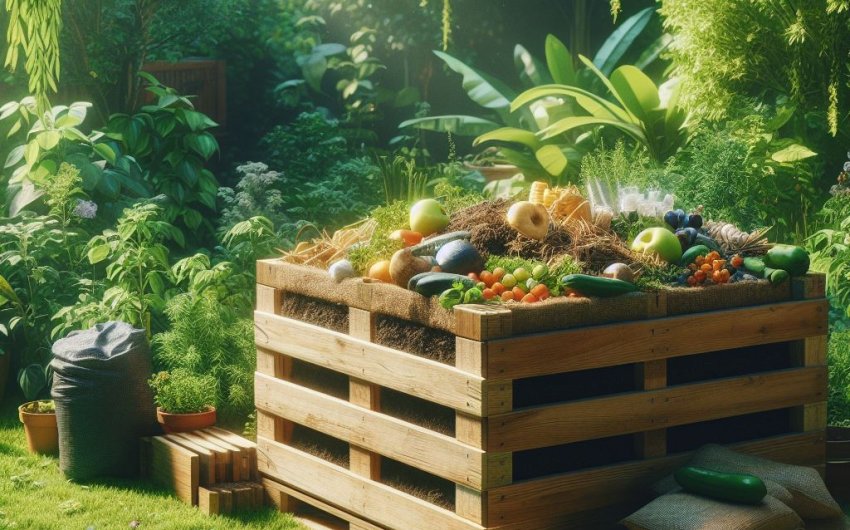
Creative upcycling is a fantastic way to turn trash into treasure with a DIY outdoor compost bin, transforming discarded materials into a functional and sustainable garden asset. By repurposing items like plastic bins, old pallets, or chicken wire, you can create an efficient composting system that benefits your garden and reduces landfill waste.
Why is creative upcycling beneficial for building an outdoor compost bin?
Creative upcycling is incredibly beneficial for building an outdoor compost bin because it turns discarded materials into valuable garden infrastructure. This approach not only saves money but also promotes environmental sustainability, allowing you to turn trash into treasure while enriching your garden soil.
Benefits of creative upcycling for compost bins:
- Cost Savings: The primary benefit. Many upcycled materials are free or very inexpensive, drastically reducing the cost compared to buying a new commercial compost bin.
- Environmental Sustainability: Diverts waste from landfills, giving old items a new purpose and reducing your ecological footprint.
- Unique & Personalized: Creates a one-of-a-kind compost bin that reflects your creativity and personal style, adding character to your garden.
- Accessible DIY Project: Many upcycled designs require minimal tools and skills, making them feasible for beginners.
- Resourcefulness: Encourages problem-solving and inventive thinking about waste.
- Good for Small Spaces: Many upcycled designs can be adapted to fit compact urban gardens or tight backyard corners.
- Efficient Composting: With proper design, upcycled bins can provide excellent aeration and decomposition conditions.
What common household trash items can I use to DIY an outdoor compost bin?
Your home and local community are filled with common household trash items that can be repurposed into creative upcycling projects for a DIY outdoor compost bin. Looking beyond their original use reveals a wealth of materials ready to be transformed.
Top household trash items for a DIY outdoor compost bin:
- Plastic Storage Bins/Totes:
- Why they're great: Often readily available, durable, lightweight, and come with lids.
- DIY Idea: Drill numerous holes (1/2 to 1 inch) in the sides and bottom for aeration and drainage. Secure the lid.
- Best for: Small, compact, batch composting or worm composting (vermicomposting). A large plastic storage tote is a perfect start.
- Old Pallets (Wooden):
- Why they're great: Often free, sturdy, and inherently provide excellent airflow due to gaps.
- DIY Idea: Connect 3-4 pallets with wire, zip ties, or screws to form a simple square or U-shaped bin.
- Best for: Larger, robust compost bins, multi-bay systems.
- Caution: Only use "HT" (heat treated) stamped pallets, never "MB" (methyl bromide treated).
- Chicken Wire / Hardware Cloth Scraps:
- Why they're great: Inexpensive, flexible, excellent for aeration, lightweight.
- DIY Idea: Form a cylinder, connect ends with wire or zip ties.
- Best for: Simple, cylindrical bins, or lining other bins for rodent proofing.
- Old Garbage Cans (Plastic or Metal):
- Why they're great: Come with lids, good capacity, sturdy.
- DIY Idea: Drill numerous holes in the sides and bottom for aeration. Secure the lid tightly.
- Best for: Compact, upright compost bins, especially if rodent proofing is a concern (metal cans are best).
- Old Tires (Stacked):
- Why they're great: Free, durable, hold heat well.
- DIY Idea: Stack 3-5 tires to create a composting tower.
- Best for: Hot composting due to heat retention. Can be visually heavy, may need to be disguised.
- Broken Laundry Baskets (Plastic):
- Why they're great: Already have holes for aeration, lightweight.
- DIY Idea: Stack a few, or use individually for very small compost batches.
- Best for: Very small, beginner bins.
- Unused Wood Scraps (from construction, old fences):
- Why they're great: Can be cut to size for custom bins.
- DIY Idea: Build a simple wooden box with gaps for aeration.
- Best for: More customized, aesthetic bins. Ensure wood is untreated.
- Empty Plastic Barrels (Food Grade):
- Why they're great: Large capacity, often free from food processing companies (ensure food-grade).
- DIY Idea: Cut in half to make two open bins, or modify into a tumbling composter.
- Best for: Larger-scale composting.
What is the simplest way to turn a plastic bin into an outdoor compost bin?
The simplest way to turn trash into treasure by transforming a plastic bin into a DIY outdoor compost bin involves basic drilling to ensure proper airflow and drainage. This is one of the easiest creative upcycling projects, perfect for beginners in small gardens.
Step-by-step guide for a plastic bin compost bin:
- Gather Materials:
- 1 large plastic storage bin/tote with a lid (18-30 gallon recommended). You can find large plastic storage totes with lids easily.
- Power drill with a 1/2-inch to 1-inch drill bit.
- Heavy-duty gloves and safety glasses.
- Prepare the Bin:
- Ensure the bin is clean and dry.
- Drill Drainage Holes (Bottom):
- Flip the bin over. Drill several (10-15) 1/2-inch to 1-inch holes evenly spaced across the entire bottom surface. These are essential for drainage and some bottom aeration.
- Drill Aeration Holes (Sides):
- Drill numerous (20-30+) 1/2-inch to 1-inch holes evenly spaced around all four sides of the bin, from top to bottom. Make sure to get plenty of holes for good airflow.
- Drill Holes in the Lid (Optional but Recommended):
- Drill a few (5-10) 1/2-inch to 1-inch holes in the lid. This allows for additional airflow.
- Choose Your Location:
- Place the bin on a level surface in a shaded or partially shaded area of your garden. Ensure good drainage beneath the bin (e.g., on soil, gravel, or bricks to allow airflow underneath).
- Start Composting!
- Begin layering your "greens" (kitchen scraps, fresh grass clippings) and "browns" (shredded leaves, shredded cardboard).
- Crucial tip: Always bury fresh food scraps deep within the pile and cover with browns to deter pests.
Tips for plastic bin composting:
- Turning: This type of bin needs regular turning for efficient decomposition. You can either use a compost aerator tool to manually aerate, or, for smaller bins, simply roll the entire bin on its side to mix contents.
- Moisture: Monitor moisture carefully; plastic retains moisture well, so avoid overwatering.
- Rodent Proofing: The secure lid helps deter rodents. Ensure holes aren't too large for small critters.
How do I build a simple compost bin from chicken wire or hardware cloth?
Building a simple outdoor compost bin from chicken wire or hardware cloth is one of the quickest and most budget-friendly DIY options. This creative upcycling project transforms readily available mesh into an efficient and well-aerated composting cylinder, perfect for easy access and turning.
Step-by-step guide for a wire mesh compost bin:
- Gather Materials:
- Chicken wire or Hardware cloth (galvanized, 1/2-inch to 1-inch mesh size). You'll need a roll about 10-12 feet long and 3 feet high. (Choose smaller mesh like 1/4 inch hardware cloth for better rodent proofing, but note it's harder to work with).
- Wire cutters (essential!).
- Heavy-duty gloves and safety glasses.
- Optional: 3-4 metal T-posts or sturdy stakes for anchoring.
- Optional: Heavy-duty zip ties or extra wire for securing.
- Choose Your Location:
- Select a level spot in your garden with good drainage and some shade.
- Form the Cylinder:
- Carefully unroll the wire mesh. Bring the two cut ends together to form a cylinder (or a square, if you prefer). The size of your bin depends on the length of wire you use; a 10-foot length makes about a 3-foot diameter cylinder.
- Secure the Ends:
- Overlap the cut ends of the wire by at least 6-8 inches.
- Securely fasten them together by bending the cut wire ends around the opposing mesh, or by using several heavy-duty zip ties or pieces of florist wire. Ensure there are no large gaps.
- Anchor the Bin (Optional but Recommended):
- If using T-posts, drive them into the ground around the inside or outside perimeter of the cylinder (e.g., at 12, 4, and 8 o'clock positions).
- Secure the wire mesh to the T-posts with more zip ties or wire. This prevents the bin from shifting or being blown over.
- Add a Lid (Optional but Recommended for Pest Deterrence):
- You can cut a circular or square piece of the same wire mesh for a lid, or use a piece of old plywood or a tarp. This helps retain moisture and deters some animals. Secure it with a rock or bungee cord.
- Start Composting!
- Begin layering your "greens" and "browns."
Tips for wire mesh bins:
- Turning: To turn the compost, simply unfasten one side of the cylinder (if secured with wire/zip ties), step back, and use a pitchfork to turn the pile. Once turned, re-secure the cylinder.
- Rodent Proofing: Chicken wire (larger holes) is not rodent proof. Use 1/4-inch hardware cloth if rodents are a concern.
How do I build a three-sided pallet compost bin for simple backyard composting?
Building a three-sided pallet compost bin is a fantastic creative upcycling project, turning readily available wooden pallets into a simple, efficient, and budget-friendly DIY outdoor compost bin. This design is easy for beginners and perfect for backyard composting against a sturdy structure.
Step-by-step guide for a three-sided pallet compost bin:
- Gather Materials:
- 3 HT-stamped wooden pallets (approximately 40x48 inches each). You can often get these for free by asking local businesses.
- Heavy-duty zip ties or strong wire (for securing).
- Heavy-duty gloves and safety glasses.
- Optional: Drill and outdoor screws for a more permanent connection.
- Optional: Hardware cloth (1/4 inch) and staple gun for rodent proofing.
- Choose Your Location:
- Select a level spot in your garden with good drainage and some shade.
- This design is meant to lean against an existing sturdy wall or fence. Ensure the wall/fence can support the weight.
- Assemble the Back Panel:
- Stand one pallet upright against your chosen wall or fence. This will form the back of your bin.
- Ensure it is flush with the wall/fence and stable.
- Attach the Side Panels:
- Take a second pallet and stand it upright, perpendicular to one end of the back pallet.
- Align the corners. Securely fasten them together using several heavy-duty zip ties or by wrapping with strong wire.
- If using screws, pre-drill pilot holes to prevent splitting the wood, then screw them together in a few places.
- Attach the Second Side Panel:
- Repeat Step 4 with the third pallet on the other side of the back panel.
- You now have three sides forming a "U" shape, open at the front.
- Reinforce and Rodent Proof (Optional but Recommended):
- Double-check that all connections are very tight, especially if using zip ties or wire.
- For added rodent proofing, staple 1/4-inch hardware cloth to the inside of the pallet walls, covering all the gaps. Extend it slightly down onto the ground.
- Start Composting!
- Begin adding your layers of "greens" and "browns."
Tips for three-sided pallet bins:
- Turning: While not as easy as a multi-bay, you can still turn by working from the open front, using a compost aerator tool or pitchfork.
- Aesthetic: The natural look of pallets often blends well into garden settings.
How do I manage an upcycled outdoor compost bin for optimal results?
Managing an upcycled DIY outdoor compost bin effectively is key to achieving optimal results and truly transforming your trash into treasure. This step-by-step guide focuses on the core principles of composting, ensuring your creative upcycling project yields nutrient-rich garden gold.
Key management tips for optimal compost results:
- The Golden Ratio (3:1 Browns to Greens):
- Why: This ratio of carbon-rich ("browns") to nitrogen-rich ("greens") fuels microbial activity, prevents odors, and speeds decomposition.
- How: Aim for roughly three parts brown material (dried leaves, shredded cardboard, straw) to one part green material (kitchen scraps, fresh grass clippings). Layer them as you add.
- Moisture Control (Like a Wrung-Out Sponge):
- Why: Microbes need water. Too dry, decomposition stops; too wet, it becomes anaerobic and smelly.
- How: The pile should feel consistently damp, not soggy. Add water when turning if it feels dry. Add more browns if it's too wet. Cover the bin to prevent extreme drying or waterlogging. Use a soil moisture meter for deep checks.
- Aeration (Turn Regularly!):
- Why: Oxygen is vital for fast, odor-free, aerobic decomposition.
- How: Turn your compost pile regularly. Ideally, every 2-4 days for hot composting, or every 1-2 weeks for slower composting. Use a pitchfork or compost aerator tool to mix and introduce air.
- Chop Ingredients Smaller:
- Why: Smaller pieces have more surface area for microbes to work on, accelerating decomposition.
- How: Chop kitchen scraps, shred leaves (leaf shredder or lawnmower), cut up garden waste.
- Bury Food Scraps:
- Why: Prevents odors and deters pests (rodents, flies).
- How: Always add fresh kitchen scraps to the center of the pile, then cover them immediately with a layer of "browns."
- Avoid Prohibited Items:
- Why: Meat, dairy, oily foods, pet waste, diseased plants, and weeds with seeds attract pests and/or cause problems.
- How: Stick to approved compostable materials.
- Monitor Temperature (Optional):
- A compost thermometer helps you track internal temperature. A hot pile (120-160°F or 49-71°C) means active decomposition.
- Patience: Composting takes time. Even hot composting takes weeks to months.
What are common troubleshooting tips for upcycled compost bins?
Even with careful creative upcycling, issues can arise with your DIY outdoor compost bin. Knowing how to troubleshoot common problems ensures your composting efforts remain efficient and productive, helping you successfully turn trash into treasure.
Common compost bin troubleshooting tips:
- Compost Pile Smells Bad (Like Ammonia or Rotten Eggs):
- Cause: Too much nitrogen ("greens"), not enough oxygen (needs turning), or too wet.
- Solution:
- Add "browns": Mix in shredded leaves, straw, or shredded cardboard.
- Turn: Mix the pile thoroughly to aerate it.
- Dry out: If too wet, spread it out slightly for a few hours.
- Compost Pile Isn't Heating Up / Decomposing Slowly:
- Cause: Not enough nitrogen ("greens"), too dry, not enough mass, or lack of aeration.
- Solution:
- Add "greens": Mix in fresh grass clippings, coffee grounds, or fresh kitchen scraps.
- Add water: Moisten the pile until it's like a wrung-out sponge.
- Increase size: If too small, add more materials to build critical mass (aim for 3x3x3 feet).
- Turn: Mix to introduce oxygen.
- Chop: Ensure materials are chopped into smaller pieces.
- Compost is Attracting Pests (Rodents, Flies, Ants):
- Cause: Adding prohibited items (meat, dairy, oils), exposed food scraps, or lack of rodent proofing.
- Solution:
- STOP adding prohibited items.
- Bury scraps: Always bury new kitchen scraps deep within the pile's center.
- Rodent proof: Ensure your DIY outdoor compost bin has a secure lid and rodent-proof lining (e.g., 1/4-inch hardware cloth).
- Turn aggressively: A hot, active pile is less attractive to pests.
- Trap (if necessary): For existing rodents, use traps outside the bin.
- Compost is Too Dry / Dusty:
- Cause: Not enough moisture.
- Solution: Add water when turning until it reaches the wrung-out sponge consistency.
- Compost is Too Wet / Slimy:
- Cause: Too much moisture, not enough "browns," or lack of aeration.
- Solution:
- Add "browns": Mix in shredded leaves, straw, or shredded cardboard.
- Turn: Mix the pile thoroughly to aerate it and help it dry.
- Improve drainage: Check if the bin's location has good drainage underneath.
- Ants in the Compost:
- Cause: Often attracted to dry, high-carbon materials or small food particles.
- Solution: Moisten the pile. Turn the pile to disrupt their nests.
- Flies in the Compost:
- Cause: Exposed food scraps or too much fresh "green" material on the surface.
- Solution: Bury all new kitchen scraps deeply. Add a layer of "browns" after adding greens. Turn the pile.
Creative upcycling provides an excellent, budget-friendly path to building a DIY outdoor compost bin, allowing you to efficiently turn trash into treasure. By understanding the materials, choosing the right design, and actively managing your compost pile, you'll produce nutrient-rich amendment that nourishes your garden for years to come.