
5 Eco-Friendly Materials for Crafting Your Own Outdoor Compost Bin
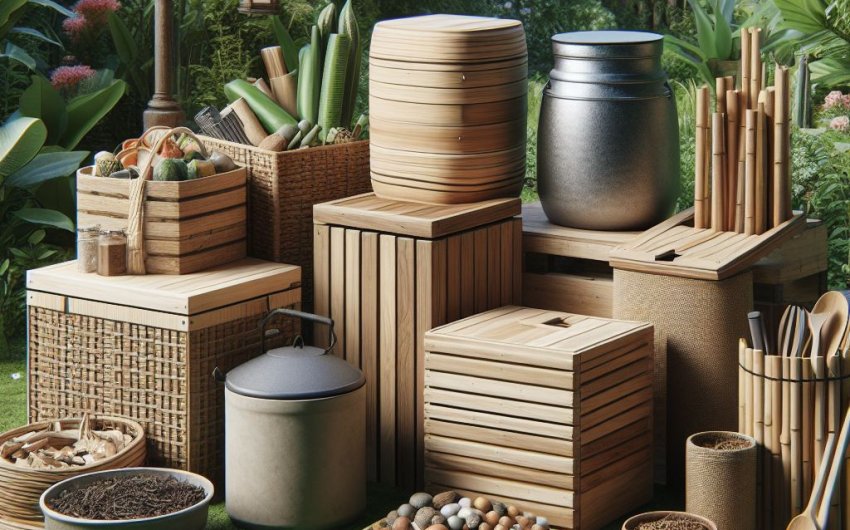
Crafting your own outdoor compost bin with eco-friendly materials promotes sustainable gardening practices and efficiently recycles organic waste. Five excellent choices include reclaimed wooden pallets, chicken wire/hardware cloth, repurposed plastic bins, untreated scrap lumber, and straw bales, all offering cost-effective and environmentally conscious composting solutions.
Why are eco-friendly materials essential for an outdoor compost bin?
Choosing eco-friendly materials for crafting your own outdoor compost bin aligns perfectly with the sustainable goals of composting itself. It's about minimizing your environmental footprint from start to finish, ensuring your compost bin not only benefits your garden but also the planet.
Benefits of using eco-friendly materials for compost bins:
- Reduces Waste: Repurposes discarded items that would otherwise end up in landfills, contributing to a circular economy.
- Non-Toxic: Avoids the use of treated woods or plastics that could leach harmful chemicals into your compost (and subsequently your garden soil).
- Sustainable Sourcing: Utilizes materials that are natural, renewable, or recycled, lowering demand for virgin resources.
- Cost-Effective: Many eco-friendly options are free (like pallets) or very inexpensive, making composting accessible to more gardeners.
- Enhances Composting Process: Many natural materials (like wood or wire) provide inherent aeration and breathability, crucial for efficient decomposition.
- Blends with Nature: Natural materials often look more aesthetically pleasing and blend seamlessly into a garden environment.
- Supports a Healthy Garden: Ensures the compost you create is free from undesirable chemicals, contributing to truly organic garden soil.
What are the benefits and cautions of using reclaimed wooden pallets for a compost bin?
Reclaimed wooden pallets are a top choice among eco-friendly materials for crafting your own outdoor compost bin due to their accessibility and inherent structure. They offer excellent benefits for composting, but also come with crucial cautions regarding their origin and treatment.
Benefits of reclaimed wooden pallets for a compost bin:
- Cost-Effective (Often Free): Pallets are frequently discarded by businesses, making them a free or very low-cost material source.
- Excellent Airflow: The gaps between the wooden slats naturally provide fantastic aeration, which is vital for efficient, odorless decomposition (aerobic composting).
- Sturdy Structure: Pallets are designed to be strong and durable, providing a robust frame for your compost bin.
- Easy to Assemble: With minimal tools, pallets can be quickly connected to form simple three- or four-sided bins.
- Modular: Easily expanded into multi-bay systems for continuous composting.
- Natural Aesthetic: Wood blends well into a garden setting.
Cautions when using reclaimed wooden pallets:
- Chemical Treatment (Crucial!):
- Only use "HT" (Heat Treated) pallets: Look for a stamp on the side of the pallet that clearly says "HT." This means the wood was heat-treated to prevent pests, which is safe for composting.
- NEVER use "MB" (Methyl Bromide) pallets: Pallets stamped "MB" were chemically treated with methyl bromide, a highly toxic pesticide. These chemicals can leach into your compost and garden soil, making it unsafe.
- Avoid unmarked pallets: If you can't find a stamp, don't use it. Better safe than sorry.
- Condition of the Pallet:
- Inspect for damage: Avoid pallets that are excessively splintered, rotten, moldy, or broken, as they won't last or be safe to handle.
- Cleanliness: Check for any strong chemical smells, grease stains, or other contaminants that might have spilled on the pallet during its previous life.
- Handling:
- Pallets can be heavy and prone to splinters. Always wear heavy-duty gloves and safety glasses when working with them.
- Sourcing:
- Always ask permission before taking pallets from businesses. Many will gladly let you have them.
Why are chicken wire and hardware cloth excellent eco-friendly materials for a DIY compost bin?
Chicken wire and hardware cloth are excellent eco-friendly materials for crafting your own outdoor compost bin due to their affordability, simplicity, and superb aeration capabilities. They provide an easy and efficient way to create a functional bin, perfect for beginners looking for a quick DIY solution.
Benefits of chicken wire/hardware cloth for a compost bin:
- Cost-Effective: Both are relatively inexpensive materials, especially if you can find scraps.
- Superb Aeration: The open mesh design allows for maximum airflow throughout the compost pile, which is crucial for fast, aerobic (odorless) decomposition.
- Lightweight & Easy to Move: Bins made from wire are light, making them easy to set up, relocate, or even disassemble for turning.
- Simple Construction: Typically involves forming a cylinder and securing the ends, requiring minimal tools (just wire cutters and pliers).
- Good for Small Spaces: Can be formed into various sizes to fit compact areas.
- Durable (Galvanized): Galvanized wire resists rust, making the bin last for many seasons.
Cautions when using chicken wire/hardware cloth:
- Rodent Proofing:
- Chicken wire (larger hexagonal holes): Not rodent proof. Mice and rats can easily squeeze through. If rodents are a concern (especially in urban areas or if you're adding kitchen scraps), use hardware cloth with a smaller mesh size.
- Hardware cloth (smaller square holes): Choose 1/4-inch or 1/2-inch mesh galvanized hardware cloth for effective rodent proofing. Note that smaller mesh is stiffer and harder to work with.
- Sharp Edges: Cut edges of wire can be very sharp. Always wear heavy-duty gloves and safety glasses during construction.
- Stability: A simple cylinder may need anchoring with metal T-posts or stakes to prevent it from shifting or blowing over in strong winds, especially when it's not full.
- Compost Retention: Very small or finely shredded compost material might fall through larger mesh sizes.
What are the advantages and considerations of using repurposed plastic bins for a compost bin?
Repurposed plastic bins offer a convenient and straightforward solution for crafting your own outdoor compost bin with eco-friendly materials. They are readily available and simple to modify, though their efficiency depends on proper aeration and moisture management.
Advantages of repurposed plastic bins for a compost bin:
- Readily Available & Inexpensive: Often found cheaply at hardware stores, big box stores, or even as discards. Many homes already have them.
- Easy to Modify: Simple to drill holes for aeration and drainage, requiring minimal tools.
- Contains Moisture Well: Plastic is non-porous, so it helps retain moisture, which can be an advantage in dry climates or for busy gardeners (less frequent watering).
- Rodent Deterrent (with lid): A sturdy, tightly fitting lid on a plastic bin can effectively deter rodents and other scavenging animals.
- Portable: Lightweight (when empty) and easy to move if needed.
- Compact: Ideal for small spaces like balconies, patios, or tight corners in an urban garden.
Considerations when using repurposed plastic bins:
- Aeration (Crucial!): Plastic is non-porous, so you must drill numerous, large holes (1/2 to 1 inch diameter) in the bottom and all sides for adequate airflow. Insufficient holes will lead to slow, smelly, anaerobic composting.
- Drainage: Ensure drilled holes in the bottom are sufficient and the bin is placed on an elevated surface (bricks, gravel) to allow water to drain freely and air to circulate underneath.
- Moisture Management: While plastic retains moisture, it can also lead to over-saturation if not managed. Monitor moisture levels carefully; if it becomes too wet, add more "browns" and turn.
- Material Quality: Look for durable, food-grade plastic bins if possible, especially if you're concerned about chemical leaching. Avoid brittle plastics that will degrade quickly in sunlight.
- Turning: Turning the compost in a rigid plastic bin can be more challenging than in open-sided bins. You may need a specialized compost aerator tool or, for smaller bins, physically roll the bin to mix its contents.
- Sun Exposure: In full sun, dark plastic can absorb a lot of heat, potentially drying out the pile too quickly. Consider placing in partial shade.
How can untreated scrap lumber or straw bales be used as eco-friendly compost bin materials?
Untreated scrap lumber and straw bales offer distinct yet highly effective eco-friendly materials for crafting your own outdoor compost bin. Both provide unique benefits for decomposition and aesthetics, allowing for versatile DIY solutions that enhance your garden's sustainability.
1. Untreated Scrap Lumber
- Benefits:
- Customization: Allows you to build a compost bin to any exact size and shape, fitting awkward spaces.
- Durable: With proper construction, untreated lumber can last for many years.
- Aesthetic: Can be built to blend seamlessly into a garden design, offering a more finished look than pallets.
- Recycling: Gives a second life to wood that might otherwise be discarded.
- Cautions/Considerations:
- Untreated only: Absolutely crucial to use untreated wood. Pressure-treated lumber contains chemicals (like CCA in older wood) that can leach into your compost and garden soil.
- Source: Look for scraps from construction sites (with permission!), old untreated fences, or discarded untreated decking.
- Construction: Requires more carpentry skills (measuring, cutting, screwing/nailing) than pallets or wire bins. Build with gaps between slats for aeration.
- Cost: While potentially free, sourcing specific sizes might involve some cost.
2. Straw Bales
- Benefits:
- Compostable: The bin itself becomes part of the compost, adding a massive amount of carbon-rich "brown" material.
- Excellent Insulation: Bales retain heat incredibly well, making them ideal for "hot composting" and allowing the pile to break down quickly.
- Aesthetic: Offers a rustic, natural, and charming look that blends beautifully into a garden setting.
- Easy Setup: Simply stack bales to form a bin. No tools required (beyond string to tie them).
- Cost-Effective: Bales are relatively inexpensive, especially if purchased directly from a farm.
- Cautions/Considerations:
- Source: Ensure you get straw (hollow stalks, no seeds) not hay (which is full of seeds and will sprout everywhere).
- Temporary: The bales themselves will slowly decompose over time, so the bin is not permanent.
- Rodents: The cozy, insulated nature of straw bales can be attractive to rodents. Consider lining the inside bottom and sides with hardware cloth for better proofing, especially if adding kitchen scraps.
- Weight: Bales are heavy once wet.
- Moisture: Can dry out on the outside but retain moisture heavily on the inside, requiring mindful watering.
What is the best compost bin material for my specific garden needs?
Choosing the best eco-friendly materials for crafting your own outdoor compost bin ultimately depends on your specific garden needs, budget, available space, and desired level of commitment. Each material offers distinct advantages, making your choice a personalized decision in turning trash into treasure.
Choosing the best compost bin material for your needs:
| Feature | Reclaimed Pallets | Chicken Wire/Hardware Cloth | Repurposed Plastic Bins | Untreated Scrap Lumber | Straw Bales |
|---|---|---|---|---|---|
| Cost | Often free | Very low | Low (often already owned) | Low (if sourced freely) | Low |
| Ease of Build | Easy (connects with minimal tools) | Very Easy (cut & form cylinder) | Very Easy (drill holes) | Medium (requires cutting/measuring) | Very Easy (stack) |
| Aeration | Excellent (gaps between slats) | Excellent (open mesh) | Requires drilled holes (less inherent) | Good (build with gaps) | Good (large air pockets, but can compact) |
| Rodent Proofing | Poor (gaps), requires hardware cloth lining | Poor (chicken wire), Good (small mesh hardware cloth) | Good (with secure lid) | Variable (depends on tightness of build) | Poor (rodents can tunnel), requires lining |
| Durability | Good (if HT wood is solid) | Good (galvanized) | Good (if quality plastic) | Very Good (if quality wood) | Temporary (composts over time) |
| Space Suitability | Medium to Large (standard pallet size) | Small to Medium (flexible size) | Small to Medium (compact) | Variable (customizable) | Medium (large footprint per bale) |
| Aesthetics | Rustic, blends naturally | Rustic, industrial, less concealed | Utilitarian, easily disguised or painted | Natural, can be refined | Rustic, charming |
| Composting Type | Good for Hot or Cold, excellent for Multi-Bay | Good for Hot or Cold (easy to turn) | Good for Cold/Batch, Vermicomposting | Good for Hot or Cold, Multi-Bay | Excellent for Hot (insulation) |
| Specific Cautions | Must be HT-stamped | Sharp edges, may need anchoring | Must drill many holes, avoid too wet | Must be untreated wood | Get straw, not hay; can attract rodents |
Recommendation based on common needs:
- Beginner/Small Space/Budget Priority: Repurposed plastic bin (with drilled holes) or a simple chicken wire cylinder.
- Moderate Gardener/Good Backyard Space/Budget Priority: Three or four-sided pallet bin (checking "HT" stamp!).
- Active/Hot Composting/Urban/Rodent Concerns: Multi-bay pallet system (lined with hardware cloth) or a rodent-proof plastic bin.
- Aesthetic Focus/Custom Size: Untreated scrap lumber.
- Unique/Highly Insulated: Straw bales (with rodent proofing if needed).
Crafting your own outdoor compost bin with eco-friendly materials is a deeply rewarding step towards sustainable gardening. Whether you choose the rugged charm of reclaimed pallets, the simplicity of wire, or the convenience of repurposed plastic, you're actively engaged in a creative upcycling process that transforms trash into treasure, enriching your garden and benefiting the planet.