
Revolutionize Your Garden with a Compost Turner: Tips and Tricks!
Why Should You Care About Composting?
Composting is like magic for your garden. It turns kitchen scraps and yard waste into a rich, dark material called compost. Think of it as superfood for your plants. This amazing stuff makes your soil healthy, helps plants grow big and strong, and even saves you money on store-bought fertilizers. Plus, it's great for the environment because it reduces waste going to landfills. If you're serious about a vibrant garden, then composting is your secret weapon. It improves soil structure, holds water better, and provides essential nutrients slowly over time.
What Makes Compost So Special?
Compost is teeming with tiny living things, like bacteria and fungi. These microbes break down organic matter into forms plants can easily use. It’s like they’re making a delicious, easy-to-digest meal for your plants. When you add compost to your garden, you're not just adding nutrients; you're also adding life to your soil. Healthy soil means healthy plants that are more resistant to pests and diseases. It's a natural, sustainable way to garden.
How Does Composting Help the Environment?
Every year, tons of food scraps and yard waste end up in landfills. When this organic material breaks down without air, it produces a powerful greenhouse gas called methane. Methane is much worse for the climate than carbon dioxide. By composting, you keep these materials out of landfills, reduce methane emissions, and create a valuable resource for your garden instead. It's a win-win for your plants and the planet.
What's a Compost Turner and Why Do You Need One?
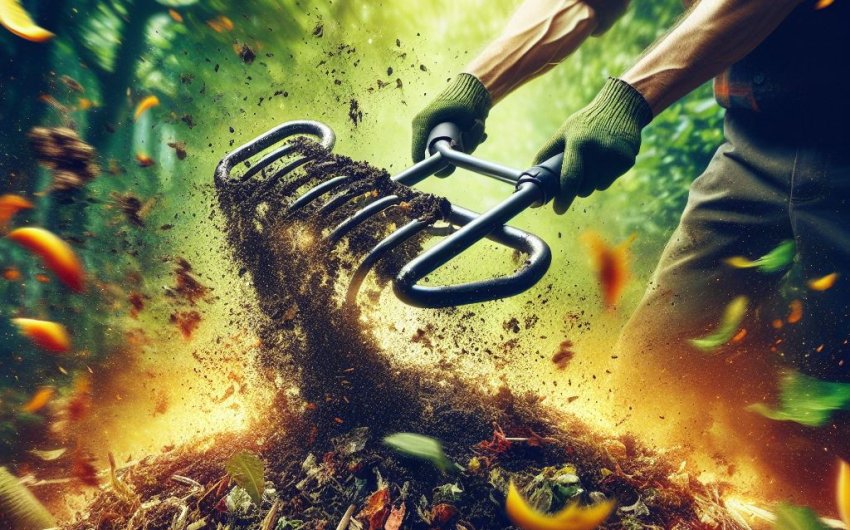
Imagine you have a big pile of ingredients for a cake. To make the cake taste good, you need to mix all those ingredients together really well. A compost turner does the same thing for your compost pile. It’s a tool that helps you mix and aerate your compost. Why is mixing so important? Because it brings air into the pile, which is essential for the helpful microbes that do all the hard work. Without enough air, your compost pile can get smelly and break down slowly. A good compost turner makes turning your pile much easier and more effective. It helps create the perfect environment for fast, efficient composting.
How Does a Compost Turner Work?
There are a few different types of compost turners, but they all have the same goal: to mix your compost. Some are long, T-shaped tools with a corkscrew end, like the Mantis ComposT-Twin. You push it into your pile, twist it, and pull it out, bringing material from the bottom to the top. Others are more like pitchforks, but designed specifically for turning compost. No matter the design, the idea is to get air into the center of the pile and move materials around so everything breaks down evenly.
What Happens If You Don't Turn Your Compost?
If you don't turn your compost, it can become a slow, smelly mess. Without air, different types of microbes take over, and they produce foul odors, like rotten eggs. The composting process also slows down significantly, taking much longer to break down your waste into usable compost. Turning ensures your pile gets enough oxygen, which keeps the good, aerobic (air-loving) microbes happy and working efficiently. It also prevents the pile from becoming matted down and compact.
What Are the Different Types of Compost Turners?
Choosing the right compost turner depends on your compost setup and how much effort you want to put in. Each type has its pros and cons. Understanding these differences will help you pick the best tool for your garden. From simple hand tools to more elaborate systems, there’s a compost turner for every gardener.
Handheld Compost Turners (Aerator Tools)
These are the most common and often the most affordable. They look like a long stick with a handle and a turning mechanism at the end, such as the Compost Crank. Some have a corkscrew design, while others have foldable wings that open when you pull them up. You simply plunge them into your compost pile and twist or pull to mix. They are great for smaller to medium-sized piles and require a bit of physical effort. They are lightweight and easy to store.
Pitchforks or Digging Forks
While not specifically designed as compost turners, a sturdy pitchfork or digging fork can be used to turn your compost pile. It’s more labor-intensive than a dedicated compost turner, as you'll be lifting and turning sections of the pile. However, if you already own one, it can be a good starting point. Look for a fork with strong tines that won't bend easily when dealing with heavy, dense compost.
Compost Tumblers
If you prefer a more hands-off approach and want fast results, a compost tumbler might be for you, like the Dual Batch Tumbler Composter. These are enclosed bins that spin, allowing you to mix your compost simply by turning a handle or rotating the drum. Tumblers keep pests out, retain heat well, and can produce compost much faster than traditional piles. They come in various sizes, from small backyard models to larger ones. They are usually more expensive than handheld turners, but the convenience can be worth it.
Large-Scale Mechanical Turners
For very large compost operations, like community gardens or farms, there are specialized mechanical compost turners. These are often machines that drive over rows of compost, lifting and mixing the material. These are not typically used by home gardeners, but it’s good to know they exist for bigger projects. They are designed for efficiency and high volume.
How Do You Choose the Best Compost Turner for Your Garden?
Picking the right compost turner isn't too tricky once you know what to look for. Consider a few things before you buy. Think about how much compost you make, how often you want to turn it, and how much you're willing to spend.
Consider Your Composting Volume
If you have a small garden and produce only a little kitchen and yard waste, a simple handheld compost aerator or even a pitchfork might be all you need. For larger gardens or if you’re composting for multiple households, a compost tumbler could save you a lot of time and effort. The volume of your compost pile directly impacts the type of tool that will be most efficient for you.
Think About Your Physical Ability
Turning a compost pile, even with a good tool, requires some physical effort. If you have back problems or limited mobility, a compost tumbler that you simply crank might be a better choice than a manual aerator. Handheld turners can be strenuous if your compost pile is very large or dense. Choose a tool that fits your physical capabilities to avoid injury and make composting enjoyable.
Evaluate Your Budget
Compost turners vary widely in price. Handheld aerators are usually the most affordable, costing anywhere from \$20 to \$50. Compost tumblers can range from \$100 to several hundred dollars, depending on their size and features. Decide how much you’re willing to invest based on your composting goals and frequency. Remember, a good tool is an investment in your garden’s health.
Check for Durability and Material
Look for a compost turner made from sturdy materials. Stainless steel or durable powder-coated steel are good choices for handheld tools, as they resist rust and wear. For tumblers, look for UV-protected plastic or metal that can withstand outdoor conditions. Read reviews to see if other users have experienced issues with the product’s longevity. A well-made tool will last for years.
How Often Should You Turn Your Compost Pile?
Turning your compost pile is like giving it a breath of fresh air. How often you do it depends on how fast you want your compost to "cook" and how much effort you're willing to put in. More turning usually means faster compost.
The "Hot" Composting Method
If you're aiming for hot composting, which means getting your compost ready quickly (in a few weeks to a couple of months), you'll need to turn it often. Ideally, you should turn a hot compost pile every 2-4 days, especially when it's actively heating up. You'll know it's hot if you can feel warmth when you stick your hand into the pile. This frequent turning helps maintain the high temperatures needed for rapid decomposition and prevents the pile from becoming anaerobic.
The "Cold" Composting Method
Cold composting is a more relaxed approach. You simply pile up your materials and let nature take its course. This method takes much longer, usually several months to a year or more. With cold composting, you don't need to turn the pile as often. Once a week, or even once a month, is usually enough to aerate it and mix the materials. It's less work, but you'll have to be more patient.
When to Turn: Signs Your Compost Needs Air
Your compost pile will give you clues when it needs turning. If it starts to smell bad (like rotten eggs or ammonia), it means it's not getting enough air. A strong ammonia smell indicates too much nitrogen and not enough carbon. If the pile seems to have stopped breaking down, or if it feels dense and heavy, it's probably time to turn it. Regular turning also helps to re-distribute moisture throughout the pile, preventing dry spots.
Don't Over-Turn Your Compost!
While turning is important, you don't want to overdo it. If you turn your pile too frequently, especially a hot pile, you can cool it down too much, slowing down the decomposition process. The goal is to aerate it without losing too much heat. Find a balance that works for your composting style.
What Are the Best Techniques for Using a Compost Turner?
Using a compost turner effectively can make a big difference in the quality and speed of your compost. It’s not just about poking holes; it’s about mixing and aerating thoroughly.
For Handheld Aerator Tools
With a tool like the Garden Compost Aerator, plunge the tool deep into the center of your compost pile. If it has a corkscrew design, twist it as you push it down. Once it's fully inserted, pull it straight up. As you pull, the wings or corkscrew will bring material from the bottom to the top, introducing air. Repeat this motion several times, moving around the entire pile, making sure to get to the edges. Aim to turn the entire pile, not just the top layer.
For Pitchforks or Digging Forks
When using a pitchfork, start by digging into one side of your compost pile. Lift a section of the pile and flip it over to a new spot, next to the original pile or onto a separate area if you’re moving it. Continue this process, turning sections until the entire pile has been moved and mixed. This method is effective for thoroughly mixing, but it requires more physical effort and space. It’s a good way to see all the layers of your compost.
For Compost Tumblers
Using a compost tumbler is the easiest. Simply add your "greens" (nitrogen-rich materials like food scraps) and "browns" (carbon-rich materials like dry leaves) to the drum. Close the lid, and then rotate the tumbler several times. Many tumblers have fins or bars inside that help to mix the materials as you turn. Turn it every few days, especially when you add new material. The key is consistent turning to keep the process moving.
Mixing Wet and Dry Materials
As you turn, pay attention to the moisture level of your compost. If it's too dry, add a little water as you turn. If it's too wet, add some dry, carbon-rich materials like shredded cardboard or dry leaves. Turning helps distribute moisture evenly, which is crucial for microbial activity. A good compost pile should feel like a damp sponge.
Safety First!
Always wear gloves when turning your compost, as it can contain sharp objects or unpleasant materials. If you’re using a handheld tool, ensure your footing is stable. For tumblers, make sure the lid is securely closed before turning. Safety is important when working in the garden.
What Materials Should You Add to Your Compost Pile?
A healthy compost pile needs a good mix of "greens" and "browns." Think of it like a balanced diet for your compost. Getting the right mix is key to successful and odor-free composting.
"Greens" (Nitrogen-Rich Materials)
These materials are high in nitrogen and tend to be moist. They provide the "fuel" for the microbes that break down your compost.
- Fruit and vegetable scraps: Peels, cores, leftover bits from cooking.
- Coffee grounds and tea bags: Great activators and add nitrogen.
- Grass clippings: Fresh grass is high in nitrogen; use in moderation to avoid matting and odor.
- Plant trimmings: Soft green stems and leaves from your garden.
- Manure: From herbivores like chickens, cows, or horses. Avoid pet waste from carnivores.
"Browns" (Carbon-Rich Materials)
These materials are high in carbon and are usually dry and woody. They provide the "body" of your compost and help with aeration.
- Dry leaves: An excellent source of carbon; collect them in the fall.
- Shredded cardboard: Toilet paper rolls, paper towel rolls, cereal boxes (remove tape and labels).
- Shredded newspaper: Avoid glossy paper or colored inks.
- Wood chips or sawdust: Use in moderation, as they break down slowly.
- Straw or hay: Good for adding bulk and aeration.
- Twigs and small branches: Break them into smaller pieces for faster breakdown.
The Ideal Carbon-to-Nitrogen Ratio
For optimal composting, aim for a ratio of about 25-30 parts carbon to 1 part nitrogen (C:N ratio). Don't get too hung up on exact measurements; just remember to have more browns than greens by volume. If your pile is too high in nitrogen (too many greens), it might smell like ammonia. If it's too high in carbon (too many browns), it will break down very slowly. A good mix ensures a balanced and efficient composting process.
Materials to AVOID in Your Compost Pile
Some things should never go into your compost pile, as they can attract pests, spread disease, or simply not break down.
- Meat, bones, and dairy products: Attract rodents and other pests, and can smell bad.
- Fats, oils, and grease: Attract pests and can slow down decomposition.
- Diseased plants: Could spread diseases to your garden when you use the compost.
- Weeds with seeds: You'll just be spreading weeds around your garden.
- Pet waste (from carnivores): Can contain harmful pathogens.
- Treated wood or sawdust: Contains chemicals that can harm your plants.
- Pesticide-treated materials: Don't add chemicals to your organic compost.
What Are the Benefits of Using a Compost Turner?
Using a compost turner might seem like an extra step, but it brings many benefits that make your composting journey more rewarding and efficient. It's truly a tool that can revolutionize your garden's health.
Faster Composting
This is one of the biggest advantages. By regularly aerating and mixing your pile, a compost turner helps the microbes work faster. They get the oxygen they need to break down materials quickly. A well-aerated, actively turned pile can produce finished compost in a matter of weeks, compared to months or even a year for an unturned pile.
Prevents Odors
A smelly compost pile is usually a sign of too little air (anaerobic conditions). When microbes work without oxygen, they produce foul-smelling gases like methane and hydrogen sulfide. Turning your pile introduces oxygen, keeping the good, aerobic microbes happy and preventing those nasty smells. This means you can keep your compost pile closer to your home without worry.
Even Decomposition
Turning ensures that all parts of your compost pile get exposed to the optimal conditions for decomposition. Materials on the edges get moved to the hotter center, and materials that might have compacted get fluffed up. This leads to a more uniform and thoroughly broken-down finished product. You won’t end up with raw scraps in the middle of your pile.
Better Aeration
The primary function of a compost turner is to get air into your pile. Good aeration is critical for the aerobic microbes that do the heavy lifting in composting. It also prevents the pile from becoming dense and waterlogged, which can slow down the process and create anaerobic conditions.
Creates Higher Quality Compost
A well-turned compost pile results in a richer, darker, and more uniform finished product. This higher-quality compost will be packed with beneficial microbes and nutrients, providing maximum benefit to your plants and soil. It will also have a pleasant earthy smell.
Reduces Manual Labor (for some types)
While handheld turners require some effort, they are generally less strenuous than constantly turning a pile with a pitchfork. Compost tumblers, in particular, significantly reduce the physical effort needed, making composting accessible to almost anyone. This encourages more consistent turning, which in turn leads to faster results.
Pest Deterrent
A hot, actively composting pile is less attractive to pests like rodents and flies. Turning helps maintain these high temperatures and mixes in any fresh food scraps quickly, making them less accessible and appealing to unwelcome visitors. A well-managed compost pile is rarely a pest problem.
What Are Some Common Compost Turning Mistakes to Avoid?
Even with the right tools, it's easy to make a few mistakes when turning your compost. Knowing what to avoid can save you time, effort, and lead to better compost.
Not Turning Enough
This is the most common mistake. Many people start a compost pile but forget to turn it regularly. The result is a slow-motion, often smelly, pile that takes forever to break down. Consistent turning is the secret to fast, healthy compost. Mark it on your calendar if you need a reminder.
Turning Too Soon After Adding New Material
When you add a fresh batch of "greens," the microbes need a little time to start breaking them down and generate heat. If you turn too soon after adding a lot of fresh material, you can cool down the pile and disrupt the initial heating process. Give it a day or two after a big addition before turning.
Not Adding Enough Moisture When Turning
Compost needs to be damp, like a wrung-out sponge. If your pile is too dry, decomposition will slow to a crawl. As you turn, especially during dry spells, check the moisture level. If it seems dry, sprinkle some water over the pile as you mix it. A hose with a fine spray nozzle works well for this.
Not Mixing Thoroughly
It's tempting to just poke a few holes in your pile, but that won't effectively aerate and mix everything. Whether you're using a handheld turner or a pitchfork, aim to move material from the outside to the center and from the top to the bottom. Get a good, thorough mix to ensure all parts of the pile are active.
Over-Turning (for Hot Composting)
While regular turning is good, over-turning a hot compost pile can cause it to lose too much heat and moisture, slowing down the process. For hot composting, balance the need for aeration with retaining heat. If the pile is actively steaming, it's probably hot enough.
Ignoring Bad Smells
If your compost pile smells bad, don't ignore it. A rotten egg smell means it's anaerobic (needs air). A strong ammonia smell means too much nitrogen. Both are signs that you need to turn the pile and perhaps adjust your "green" to "brown" ratio. Turning is often the first solution to a smelly pile.
Not Having the Right Tools
Trying to turn a large compost pile with a flimsy shovel can be frustrating and ineffective. Invest in a proper compost turner or a sturdy pitchfork. The right tools make the job easier and more enjoyable, encouraging you to turn more often.
What Are Some Advanced Tips for Compost Turning?
Once you've got the basics down, you can fine-tune your compost turning techniques to get even better results and optimize your composting process.
Monitor Temperature
For hot composting, a compost thermometer is a great tool. Stick it into the center of your pile to monitor the temperature. The ideal range for active decomposition is between (130^\circ\text{F}) and (160^\circ\text{F}) ((54^\circ\text{C}) to (71^\circ\text{C})). If the temperature drops below (130^\circ\text{F}), it might be time to turn your pile to re-aerate and encourage more microbial activity. If it gets too hot (above (160^\circ\text{F})), turning can help cool it down a bit and prevent beneficial microbes from dying off. You can find a good Compost Thermometer online.
Batch Composting vs. Continuous Composting
- Batch Composting: This involves building a pile all at once, aiming for the ideal carbon-to-nitrogen ratio from the start. You turn this batch regularly until it's finished. This method typically produces compost faster and results in a more uniform product. A two-bin system or a Dual Compost Tumbler is perfect for batch composting. You can have one batch "cooking" while you fill another.
- Continuous Composting: You continuously add new materials to your pile as they become available. This is often easier for home gardeners but means you’ll have finished compost at the bottom and newer, less decomposed material at the top. When turning a continuous pile, try to pull some of the finished material from the bottom to the top to help mix it in and aerate the whole pile.
"Inoculating" New Piles with Old Compost
When starting a new compost pile, especially if you’ve just harvested a finished batch, consider adding a shovel or two of mature compost from your last batch. This "inoculates" the new pile with beneficial microbes, giving the decomposition process a kick-start. It’s like adding sourdough starter to new dough.
Adding Activating Materials
Certain materials can help "activate" or speed up your compost pile. Nitrogen-rich materials like fresh grass clippings, coffee grounds, and a sprinkle of blood meal can give your microbes an energy boost, especially if your pile seems sluggish. Always balance these "activators" with carbon-rich materials.
Shredding Materials Before Adding
While not directly related to turning, finely shredding or chopping your compost materials before adding them to the pile will significantly speed up decomposition. Smaller pieces have more surface area for microbes to work on. This means less work for your compost turner and faster results. You can use a dedicated garden shredder or even a lawnmower for leaves.
Understanding Your Pile's "Sweet Spot"
Over time, you'll learn to recognize the "sweet spot" for your compost pile. This is when it's warm, has a pleasant earthy smell, and materials are visibly breaking down. Regular turning helps you achieve and maintain this ideal state. Pay attention to how your pile feels, smells, and looks – it will tell you a lot.
The Art of Layering (Even if You Turn)
Even if you plan to turn your compost often, starting with layers of browns and greens can help create a balanced pile from the beginning. For example, a layer of dry leaves, then a layer of kitchen scraps, then more leaves. This initial layering helps ensure a good mix of carbon and nitrogen throughout the pile, making your turning efforts even more effective.