
From Stable to Soil: Mastering Horse Manure Composting Techniques
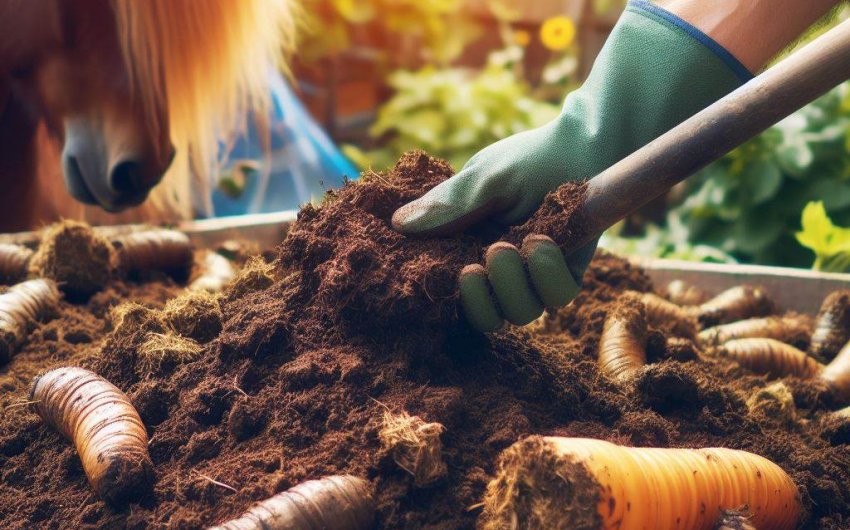
The aroma of the stable, a mix of hay and horse, is a familiar comfort to many equestrians. But what about the less fragrant byproduct of our equine friends? Horse manure, often seen as a waste product, is actually a hidden treasure, a powerful natural resource waiting to transform your garden. This rich organic material, when properly managed, can become a cornerstone of a healthy and vibrant landscape, feeding your soil and your plants in a truly sustainable way.
Imagine a garden bursting with life, where vegetables thrive and flowers bloom with unparalleled vigor. This isn't just a dream; it's a reality within reach when you harness the power of composted horse manure. Instead of letting this valuable resource go to waste, we can turn it into "black gold" – a nutrient-dense amendment that revitalizes tired soils. The journey from stable to soil is a rewarding one, leading to more fertile ground and a deeper connection to the natural cycle of growth. Let’s explore the art and science of horse manure composting, ensuring every scoop enriches your earth.
Why is Composting Horse Manure a Good Idea?
Turning horse manure into compost offers many benefits. It’s a smart way to manage stable waste. It also makes your garden grow better. Fresh manure can be too strong for plants. It might even burn them. Composting fixes this problem.
What Makes Fresh Manure Tricky for Plants?
Fresh horse manure has a lot of nitrogen. This is good for growth, but too much nitrogen can hurt young plants. It can cause “nitrogen burn.” This looks like yellow or brown leaves. It can even make plants die. Composting helps break down the nitrogen. It makes it available to plants slowly.
Another issue with fresh manure is weed seeds. Horses eat hay and grass. These often have weed seeds in them. These seeds pass through the horse’s digestive system. They come out in the manure still able to grow. If you put fresh manure on your garden, you might get a lot of weeds. Composting heats up the manure. This heat kills most weed seeds.
Fresh manure can also bring pathogens. These are tiny germs that can cause sickness. While most horse pathogens are not harmful to humans, some can be. Composting helps kill these bad germs. It makes the manure safe to handle and use.
How Does Composting Transform Manure into "Black Gold"?
Composting is like a slow cooking process for organic matter. It uses tiny living things called microbes. These microbes eat the manure and other materials. As they eat, they create heat. This heat is important. It helps break down the manure. It also kills weed seeds and bad germs.
As the microbes work, they change the manure. They turn it into a dark, crumbly material. This is compost. Compost is full of good things for your soil. It has a balanced mix of nutrients. It also improves soil structure. This means the soil holds water better. It also allows air to reach plant roots.
Compost also adds organic matter to your soil. Organic matter is like food for your soil. It helps beneficial microbes grow. These microbes work with plant roots. They help plants get nutrients. Over time, adding compost makes your soil healthier and more alive.
What Do I Need to Start Composting Horse Manure?
You don't need much to start. The basics are a good place to put your compost. You also need the right materials. Knowing about carbon-nitrogen ratio helps too.
Where Should I Build My Compost Pile?
Choosing the right spot is important. You want a place that is easy to reach. It should also be a little bit shady. Direct sun can dry out your pile too fast. Make sure it's not too close to your house. Composting can sometimes smell a bit.
You also need a flat, well-drained area. You don't want your pile sitting in water. This can make it too wet. A wet pile can become smelly and slow down composting. A good spot will also have space around it. You will need to turn the pile.
Consider your water source. Your compost pile will need water. It should be as damp as a wrung-out sponge. Having a hose nearby makes watering easy. You might use a garden hose with a spray nozzle.
There are different ways to hold your compost. A simple pile on the ground works. You can also build bins. Compost bins can be made from pallets or wire mesh. Some people use ready-made plastic bins. A three-bin system is popular. It lets you have one pile breaking down, one being built, and one ready to use. This makes managing your compost easier.
What Materials Go into a Horse Manure Compost Pile?
A good compost pile needs a mix of materials. You need "greens" and "browns." This relates to the carbon-nitrogen balance.
Greens are materials rich in nitrogen. Horse manure is a great "green." It has a lot of nitrogen. Other greens include fresh grass clippings, food scraps, and garden waste. Think of things that are still wet and alive.
Browns are materials rich in carbon. They provide the bulk of your pile. They also help with air flow. Good browns include straw (often mixed with horse manure in stalls), dried leaves, wood chips, and shredded paper. Think of dry, dead plant material.
The ideal mix for fast composting is about two to three parts browns for every one part green. For horse manure, this is often easy. Many stables use straw or wood shavings as bedding. When you clean the stalls, the manure comes out already mixed with these brown materials. This makes starting your compost pile very convenient. You can also add more dry leaves in the fall or wood chips if your manure doesn't have enough bedding.
What Tools Will I Need?
Having the right tools makes composting easier. A pitchfork is essential. It helps you mix and turn your pile. A sturdy garden pitchfork will last a long time.
You'll also want a shovel. This is good for moving material and getting to the bottom of the pile. A wheelbarrow or garden cart will help you move manure from the stable to the compost area.
A compost thermometer is helpful but not required. It tells you the temperature inside your pile. This helps you know if the microbes are working well. The pile should heat up to 130-160°F (54-71°C) to kill weed seeds and pathogens. You can find a good compost thermometer online.
Finally, a water hose or watering can is needed to keep the pile moist. You might also want work gloves to protect your hands.
How Do I Build and Maintain My Horse Manure Compost Pile?
Building a compost pile is like making a layered cake. You add different materials in a specific way. Then, you need to care for it. This helps it break down quickly and safely.
What's the Best Way to Layer the Materials?
Start with a base layer of coarse browns. This could be wood chips or thick straw. This layer helps with air flow at the bottom. It also prevents the pile from getting too wet. About 6-12 inches (15-30 cm) is a good start.
Next, add a layer of your horse manure (your "greens"). This layer should be about 6-8 inches (15-20 cm) thick. If your manure has a lot of bedding, it’s already mixed. If not, add a layer of dry browns on top of the manure. This could be dried leaves or more straw. The goal is to get the right carbon-nitrogen balance.
Keep layering greens and browns. It’s like a sandwich. Manure, then brown materials. Repeat these layers until your pile is at least 3 feet by 3 feet by 3 feet (about 1 meter cube). This size helps the pile heat up well. Don't make it much bigger than 5 feet (1.5 meters) in any direction. Larger piles can be hard to turn and manage. They might also not get enough air in the center.
As you build each layer, moisten it. The materials should be damp. Think of a wrung-out sponge. If it's too dry, the microbes won't work. If it's too wet, it can become slimy and smelly. A gentle spray with a hose works well.
How Do I Keep My Compost Pile Active?
There are three main things to keep your compost working: moisture, air, and turning.
Moisture is key. The microbes need water to live and work. Check your pile regularly. If it looks dry, add water. You can poke a hole in the top and slowly pour water in. Or spray the outside. The inside should be consistently damp. Too much water will make it dense and airless. Too little water will slow down the composting process.
Air is also very important. Composting works best with oxygen. This is called aerobic composting. If your pile doesn't get enough air, it can become anaerobic. This leads to bad smells, like rotten eggs. The best way to get air into your pile is by turning it.
Turning the pile means mixing it up. Use your pitchfork to move the outside materials to the inside. Move the bottom materials to the top. This does several things. It brings fresh air into the pile. It also mixes the materials. This helps ensure everything breaks down evenly. Turning also helps release excess heat.
How often should you turn it? For a fast compost, you can turn it every few days or once a week. This is called hot composting. The pile will heat up quickly. It will break down faster. If you don't turn it often, it's called cold composting. This takes much longer. But it still works.
You will notice the pile getting hot, especially after you turn it. This is a good sign. It means the microbes are very active. The temperature should ideally reach 130-160°F (54-71°C) for several days. This heat is what kills weed seeds and pathogens. Use your compost thermometer to check this. If it cools down, it might need more moisture, more greens, or more turning.
What About Odors?
A well-managed compost pile should not smell bad. It should have an earthy, forest floor smell. If your pile smells like rotten eggs or ammonia, something is wrong.
A rotten egg smell usually means it’s too wet or not getting enough air. It’s gone anaerobic. To fix this, turn the pile. Add more dry brown materials. This will help absorb excess moisture and add air.
An ammonia smell means there's too much nitrogen (greens) and not enough carbon (browns). Add more dry straw, leaves, or wood shavings. Turn the pile to mix it in.
Sometimes, after adding fresh manure, there might be a slight ammonia smell for a day or two. This is usually okay. If it lasts, it means you need to balance your carbon and nitrogen better.
When Is My Horse Manure Compost Ready to Use?
Knowing when your compost is done is important. Using it too soon can still cause problems for plants. Ready compost has a specific look, feel, and smell.
What Does Finished Compost Look Like?
Finished compost should be dark brown or black. It will have a crumbly texture. It should look like rich soil. You won’t be able to tell what the original materials were. The straw, manure, and other bits should all be broken down. There might be a few stubborn pieces, but mostly it should be uniform.
The smell is also a big clue. Finished compost will smell like fresh earth or the forest floor. It will not have any strong or unpleasant odors. It definitely won't smell like horse manure anymore. If it still smells like manure, it needs more time to break down.
The temperature of the pile is another indicator. A finished compost pile will have cooled down. It will be the same temperature as the air around it. This means the microbes have done most of their work. They are no longer actively breaking down materials and creating heat.
The time it takes for compost to be ready varies. It depends on how you manage your pile. Hot composting, with regular turning and proper moisture, can finish in 2-4 months. Cold composting, with less management, can take 6 months to a year or even longer. Be patient. The waiting is worth it for the high-quality product you get.
Can I Speed Up the Composting Process?
Yes, you can speed it up. Here's how:
- Chop materials smaller: Smaller pieces break down faster. If you have big clumps of manure or long straw, break them up.
- Maintain ideal moisture: Keep the pile consistently damp, like a wrung-out sponge. Not too wet, not too dry.
- Turn frequently: The more often you turn your pile, the faster it will break down. Turning every few days is ideal for hot composting.
- Ensure good air flow: Proper layering and turning helps with this. Don't let your pile become too dense or compacted.
- Optimal carbon-nitrogen ratio: Aim for that 2:1 or 3:1 ratio of browns to greens. This fuels the microbes efficiently.
While you can speed up the process, don't rush it. Let nature do its work. The goal is to get fully finished compost. This ensures it's safe and effective for your plants.
What if My Compost Still Has Undigested Bits?
Sometimes, even after a long time, you might find some pieces that haven't fully broken down. This is normal. Larger wood chips or very thick stems might take longer.
You have a few options:
- Screen the compost: You can use a compost sifter or screen. This is a mesh frame that helps separate the fine compost from the larger pieces. The fine compost passes through. The larger bits stay on top. You can throw these back into a new compost pile to break down further. A good compost sifter can be found online.
- Leave it in: If the pieces are small and few, you can just use the compost as is. They will continue to break down in your garden soil.
- Let it cure: Sometimes, if your compost is mostly done but has a few stubborn bits, you can let it "cure." This means letting it sit in a pile for a few more weeks without turning. This allows any remaining breakdown to happen slowly.
How Do I Use Composted Horse Manure in My Garden?
Once your horse manure compost is ready, it's time to enjoy the fruits of your labor. This "black gold" can be used in many ways to boost your garden's health.
What are the Best Ways to Apply Compost?
Soil Amendment: This is one of the most common uses. Spread a 1-3 inch (2.5-7.5 cm) layer of compost over your garden beds. Then, gently mix it into the top 6-8 inches (15-20 cm) of soil. Do this before planting in spring or after harvesting in fall. Compost improves soil structure. It also adds essential nutrients. It helps sandy soils hold water better. It loosens clay soils.
Top Dressing: You can spread a thin layer (about 0.5-1 inch or 1-2.5 cm) of compost around existing plants. This is called top dressing. It feeds the plants slowly. It also helps suppress weeds. Water well after applying to help the nutrients soak in. This is great for perennial flowers, shrubs, and trees.
Potting Mix: For containers or starting seeds, you can mix compost with other materials. A good mix is often 1 part compost, 1 part topsoil, and 1 part perlite or vermiculite. This creates a rich, well-draining potting mix that promotes strong plant growth.
Compost Tea: You can make liquid fertilizer called compost tea. Put some finished compost in a porous bag (like an old pillowcase or compost tea bag). Suspend the bag in a bucket of water for a day or two. The water will become infused with beneficial microbes and nutrients. Use this diluted tea to water your plants. It gives them a gentle nutrient boost. Always dilute it until it looks like weak tea.
Are There Any Plants That Don't Like Manure Compost?
Generally, most plants love composted horse manure. It's a mild, balanced fertilizer. However, there are a few things to keep in mind.
Some plants, like those in the Ericaceae family (blueberries, rhododendrons, azaleas), prefer acidic soil. Composted horse manure can be slightly alkaline (basic). While a small amount is usually fine, large amounts might raise the soil pH too much for these plants. If you have these plants, test your soil pH first. You might need to add acidifying amendments like peat moss.
Always ensure your compost is fully finished. If it's not, the remaining nitrogen can be too strong. This can harm young plants. This is especially true for delicate seedlings.
What Are the Benefits of Using Composted Manure Over Chemical Fertilizers?
Using composted horse manure offers many advantages over synthetic chemical fertilizers.
First, compost feeds the soil, not just the plant. It improves the soil structure. It makes the soil more airy and helps it hold water better. Chemical fertilizers don't do this. They only provide nutrients in a quick burst.
Compost adds organic matter to your soil. This builds healthier, more living soil over time. It helps earthworms and other beneficial soil organisms thrive. These organisms are vital for a healthy garden ecosystem. Chemical fertilizers can actually harm these beneficial organisms.
Compost provides a slow release of nutrients. Plants get a steady supply of food as they need it. Chemical fertilizers often release nutrients all at once. This can lead to nutrient runoff into waterways. It can also cause a surge of growth followed by a crash.
Using compost is also sustainable. It recycles a waste product (horse manure) into a valuable resource. It reduces the need for manufactured fertilizers, which often require a lot of energy to produce. It's a truly natural way to garden.
Finally, compost helps build resilience in your garden. Healthy soil with good organic matter makes plants stronger. They are better able to resist diseases and pests. They can also handle drought better. This leads to a more vibrant and productive garden without harsh chemicals.