
Wiggle Your Way to Rich Soil: The Art of Worm Composting Unveiled!
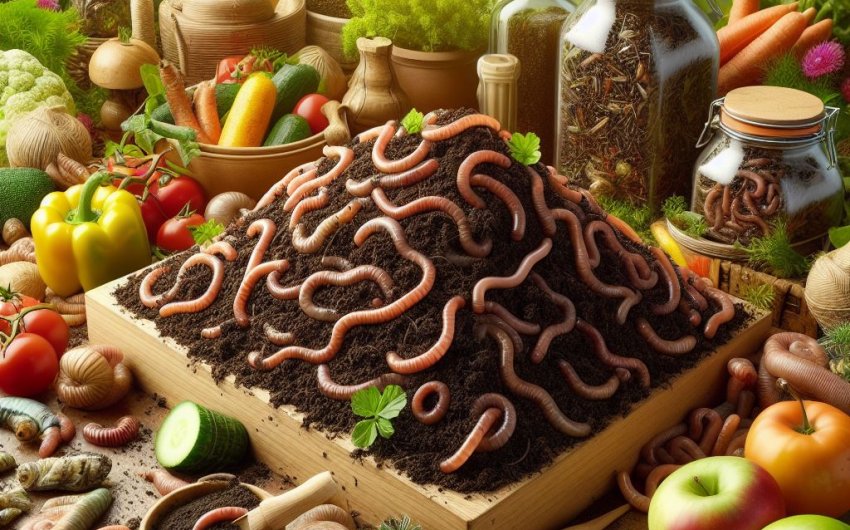
Transforming kitchen scraps and garden waste into a powerhouse soil amendment might sound like magic, but it's a very real and incredibly effective process called worm composting. Also known as vermicomposting, this method harnesses the incredible power of specialized worms to break down organic materials, creating a super-rich, nutrient-dense fertilizer known as worm castings. It's an accessible and environmentally friendly way to reduce waste, improve your garden's health, and contribute to a more sustainable lifestyle.
What is Worm Composting and Why Is It a Garden Game-Changer?
At its heart, worm composting is a natural process where special types of worms do all the hard work. Instead of sending your fruit peels and coffee grounds to the landfill, you feed them to these hungry critters, who then turn them into incredibly valuable material for your plants. It's a highly efficient and surprisingly simple way to manage organic waste and boost your garden's vitality.
Defining Vermicomposting: The Role of Worms
Vermi-composting, often called worm composting, is a unique composting method that relies on the digestive power of specific species of earthworms. Unlike traditional composting, which generates heat through microbial activity, vermicomposting is a cold process. The worms, acting as tiny organic recyclers, consume decaying organic matter, break it down physically and chemically in their digestive systems, and then excrete it as nutrient-rich material known as worm castings (often called "black gold" by gardeners).
The key players in this process are not just any garden worms. We're talking about composting worms, primarily Red Wigglers (Eisenia fetida) and European Nightcrawlers (Eisenia hortensis). These worms are epigeic, meaning they live near the surface of the soil, thriving in decaying organic matter rather than burrowing deep. They are voracious eaters, reproducing quickly, and can process their body weight in food every day. Their ability to rapidly convert kitchen scraps into valuable fertilizer makes them indispensable to the worm composting process, distinguishing it from other methods.
The Benefits of Worm Castings for Plant Health and Soil Enrichment
The end product of worm composting, the worm castings, are what truly make this practice a garden game-changer. These castings are not just ordinary dirt; they are a powerhouse of concentrated nutrients and beneficial microbes that significantly boost plant health and enrich the soil.
- Nutrient-Rich: Worm castings contain a highly concentrated form of essential plant nutrients, including nitrogen, phosphorus, and potassium, as well as vital micronutrients like calcium, magnesium, and iron. These nutrients are readily available for plants to absorb, promoting vigorous growth, stronger roots, and better fruit and flower production.
- Improved Soil Structure: The castings have a fine, crumbly texture that helps improve soil structure. In clay soils, they help break up compaction and improve drainage. In sandy soils, they improve water retention and add organic matter. This leads to better aeration for roots and a healthier soil ecosystem.
- Beneficial Microbes: Worm castings are teeming with beneficial bacteria, fungi, and other microorganisms that create a living soil environment. These microbes help plants take up nutrients, suppress plant diseases, and even break down toxins in the soil.
- Enhanced Water Retention: The high organic matter content in castings helps soil retain moisture, reducing the need for frequent watering, especially in dry climates or during drought conditions.
- Disease Suppression: Studies suggest that worm castings can help suppress certain plant diseases and deter some common pests by boosting the plant's natural defenses and introducing beneficial nematodes and microbes.
- Non-Burning: Unlike synthetic fertilizers that can "burn" plants if over-applied, worm castings are gentle and non-toxic, making them safe to use directly on plants without risk.
Incorporating worm castings into your garden soil, whether for houseplants, raised beds, or traditional garden plots, is like giving your plants a gourmet, organic meal that builds long-term soil health. This makes worm composting an invaluable tool for any gardener aiming for rich soil and thriving plants. You can find ready-to-use organic worm castings for sale if you're not ready to start your own bin.
How Do You Set Up Your First Worm Composting Bin?
Starting your own worm composting bin is simpler than you might think! With a few basic supplies and an understanding of the worms' preferred environment, you can quickly get your system up and running, turning your organic waste into valuable garden gold.
Choosing the Right Bin: Types and Considerations
Selecting the right worm composting bin is the first crucial step. There are several types available, each with its pros and cons, so choose one that fits your space, budget, and composting needs.
- Stacking Worm Bins (Worm Factories): These are perhaps the most popular choice for beginners and urban dwellers. They consist of multiple trays that stack on top of each other. You start with one tray, and as it fills up with finished castings, you add a new tray on top, encouraging the worms to migrate upwards to fresh food. This makes harvesting castings easier. They often have a spigot at the bottom to drain "worm tea" (leachate). Brands like the Worm Factory 360 are common examples.
- Pros: Compact, tidy, easy to harvest, good air circulation.
- Cons: Can be more expensive initially.
- Plastic Storage Totes (DIY Bins): A very cost-effective and popular DIY option. You can convert opaque plastic storage containers (like Rubbermaid totes) into worm bins by drilling drainage holes in the bottom and aeration holes on the sides and lid.
- Pros: Inexpensive, easy to find, customizable.
- Cons: Harvesting can be a bit messier (requires manually separating worms from castings), might need more careful moisture management.
- Wooden Bins: Can be built from untreated lumber or recycled pallets. These offer excellent breathability.
- Pros: Aesthetically pleasing, very breathable, can be custom-sized.
- Cons: Can be heavy, may attract other insects, wood will eventually decompose.
- Flow-Through Bins: Larger, more advanced bins designed for continuous harvesting. You add food to the top, and finished castings drop out the bottom.
- Pros: Efficient for larger volumes of waste, continuous harvesting.
- Cons: Higher initial cost, larger footprint, often for more experienced composters.
When choosing, consider:
- Size: How much food waste do you generate? A smaller household might need a 10-gallon tote, while a larger family or avid gardener might opt for a multi-tray system. A general rule is 1 sq ft of surface area per pound of food waste per week.
- Location: Will it be indoors or outdoors? This impacts material choice (wood might not be ideal indoors) and temperature stability.
- Material: Opaque bins are best as worms prefer darkness. Avoid clear plastic.
- Drainage and Aeration: Essential for a healthy worm environment. Ensure adequate holes are present or can be drilled.
The right bin ensures your worms are happy and productive, laying the foundation for your worm composting success.
Essential Components: Bedding, Moisture, and Worms
Once you have your chosen bin, you'll need the foundational elements to create a cozy and productive home for your new worm companions.
Bedding: The Worms' Home
Bedding is crucial. It's not just where the worms live, but also their initial food source and what helps manage moisture and air flow in the bin.
- What to use: Ideal bedding materials are carbon-rich and absorbent.
- Shredded Newspaper/Cardboard: This is the most common and easily accessible bedding. Avoid glossy paper or colored inks. Tear or shred it into strips (about 1-2 inches wide).
- Coconut Coir: A fantastic, absorbent, and sustainable option, available in compressed bricks. Soak it in water until it expands.
- Peat Moss (sustainable alternatives are better): While historically used, its harvesting is not always environmentally friendly.
- Straw/Dried Leaves: Good additions, but should be shredded to speed up decomposition.
- Preparation: Your bedding needs to be moist, like a wrung-out sponge, but not dripping wet. Fluff it up to ensure good air circulation. Fill your bin about two-thirds full with this prepared bedding. This moist, airy bedding creates the perfect environment for the worms to burrow and process food.
Moisture: Just Right
Maintaining the correct moisture level is vital. Worms breathe through their skin, which needs to stay moist.
- Too Dry: Worms will try to escape or die.
- Too Wet: The bin can become anaerobic (lack oxygen), leading to foul odors and an unhealthy environment for worms.
- The Right Level: The bedding should feel consistently damp, like a damp sponge. You might need to mist it with water occasionally, especially if you live in a dry climate or are not adding many moist food scraps. If it gets too wet, add more dry, shredded bedding to absorb excess moisture.
Worms: The Hard Workers
You can't do worm composting without the right worms! As mentioned, Red Wigglers (Eisenia fetida) are the go-to choice for their voracious appetite and ability to thrive in a composting environment.
- Where to get them: You can order Red Wiggler composting worms online from specialized suppliers. Avoid digging up garden worms, as they are a different species (anecic) and won't do well in a confined composting bin.
- Quantity: A good starting point is about 1 pound of worms (roughly 1,000 worms) for a typical home bin. This amount can process about 0.5-1 pound of food waste per day.
- Introducing them: Gently place your worms on top of the prepared bedding. Leave the lid off or slightly ajar for an hour or so under a light. The worms will naturally burrow down into the bedding to escape the light, indicating they are settling in. Once they've burrowed, you can put the lid on.
With these essential components in place, your worm bin is ready to become a bustling ecosystem of decomposition, turning your waste into valuable rich soil.
What Can and Cannot Go Into Your Worm Bin?
Knowing what to feed your composting worms is essential for a happy, healthy worm bin and for producing high-quality worm castings. While worms are amazing recyclers, they do have preferences and limitations. Feeding them the wrong things can lead to foul odors, pests, or even harm your worm colony.
The "Yes" List: Ideal Food Scraps for Your Worms
The majority of your kitchen and garden waste can be excellent food for your Red Wigglers. Think of a balanced diet for your worms – a mix of "greens" (nitrogen-rich) and "browns" (carbon-rich), though for worm composting, the focus is more on the "greens."
- Fruit and Vegetable Scraps: This is the staple of a worm bin.
- Yes: Apple cores, banana peels, vegetable trimmings, melon rinds, berries, lettuce, spinach, cucumber peels, potato peels, non-citrus fruit scraps.
- Pro-Tip: Chop larger pieces into smaller ones (1-2 inches) to speed up decomposition. Worms don't have teeth!
- Coffee Grounds and Filters: Excellent worm food. Coffee grounds are nitrogen-rich.
- Tea Bags: (Paper ones, remove staples if present).
- Stale Bread and Pasta: In moderation. Break them into smaller pieces. Avoid anything oily or saucy.
- Crushed Eggshells: Provide grit for the worms' gizzards, which helps them digest food. Also adds calcium to the castings.
- Yard Waste (in moderation):
- Yes: Small amounts of grass clippings (avoid large, hot clumps), non-diseased plant trimmings, dried leaves (good carbon).
- Chop or shred larger pieces to help worms access them.
- Newspaper and Cardboard: While also used for bedding, small amounts of torn-up, non-glossy newspaper or plain cardboard can be added as food, especially if you have an excess of "greens."
Always bury food scraps slightly under the bedding to deter fruit flies and other pests. Start with small amounts of food, especially when your bin is new, and observe how quickly your worms process it before adding more. This prevents your bin from becoming overloaded and smelly, ensuring your journey to rich soil is pleasant and productive.
The "No" List: What to Avoid in Your Worm Bin
Just as important as knowing what to add is knowing what to keep out of your worm composting bin. Certain items can harm your worms, attract pests, create foul odors, or simply not break down properly.
- Meat, Bones, and Dairy Products:
- No: Cooked or raw meat, fish, poultry, bones, butter, cheese, milk, yogurt.
- Why: These items decompose slowly, produce foul odors, attract flies, rodents, and other undesirable pests, and can create anaerobic (oxygen-free) conditions that harm your worms.
- Oils and Greasy Foods:
- No: Cooking oils, fatty foods, greasy leftover scraps.
- Why: Oils create a barrier that prevents oxygen and moisture from reaching the worms and the decomposing material, leading to foul smells and unhealthy conditions. They also attract pests.
- Citrus Fruits (in large quantities):
- No: Orange peels, lemon rinds, grapefruit, limes (especially in large amounts).
- Why: The acidity of citrus can make the bin too acidic for worms, who prefer a more neutral pH. Small amounts are generally fine, but avoid making it a regular large addition.
- Spicy Foods:
- No: Hot peppers, spicy sauces.
- Why: Can irritate and deter worms.
- Onion and Garlic (in large quantities):
- No: Onion peels, garlic cloves (especially in large amounts).
- Why: Like citrus, these can be too potent for the worms if added in large quantities and can also contribute to odors. Small amounts are usually tolerated.
- Pet Waste:
- No: Dog or cat feces.
- Why: Contains pathogens that can be harmful to humans and are not safe for garden use.
- Diseased Plants:
- No: Plants with signs of fungus, mold, or disease.
- Why: Could spread disease to your garden when you use the castings.
- Chemically Treated Materials:
- No: Sawdust from treated lumber, pesticide-sprayed plants.
- Why: Harmful chemicals can kill your worms and contaminate the castings.
- Glossy/Coated Paper:
- No: Magazine pages, glossy flyers, stickers.
- Why: These contain inks and coatings that are not suitable for composting.
Sticking to the "Yes" list and avoiding the "No" list will ensure your worm composting bin remains a healthy, odor-free, and productive system for creating that desired rich soil.
How Do You Maintain a Healthy Worm Bin and Harvest Castings?
Maintaining a healthy worm composting bin involves a few simple, ongoing tasks that ensure your worms stay happy and productive. This regular attention will lead to a continuous supply of nutrient-rich worm castings, ready to transform your garden.
Feeding Your Worms and Monitoring Conditions
Regularly feeding your worms and diligently monitoring the conditions within your bin are the cornerstones of successful worm composting.
- Feeding Frequency: Start slow. For a new bin, add a small handful of food scraps every few days. As your worm population grows and they become accustomed to their new home, you can increase the amount and frequency. A general rule is to feed them no more than they can consume in 2-3 days. If you find uneaten food after a few days, reduce the amount. Overfeeding is the most common mistake for beginners and can lead to odors and pests.
- Where to Feed: Bury the food scraps in different locations within the bin each time. This encourages worms to move throughout the bin and helps ensure even decomposition. You can create a "feeding zone" by burying food in a different quadrant of the bin each week.
- Moisture Check: Periodically squeeze a handful of bedding. It should feel like a wrung-out sponge. If it's too dry, mist with water. If it's too wet, add more dry, shredded bedding (carbon-rich "browns" like newspaper or cardboard) to absorb excess moisture.
- Aeration: Gently fluff the bedding and contents of your bin every week or two. This helps introduce oxygen and prevents compaction, which is vital for the worms and the beneficial microbes. You can use a small hand rake for composting bins or a garden fork.
- Temperature: Worms thrive in temperatures between 55-77°F (13-25°C). Keep your bin out of direct sunlight and extreme cold. If temperatures drop too low, activity will slow down. Too high, and they can die.
- Odor Check: A healthy worm bin should smell like fresh earth or damp soil. If you notice foul, rotten, or sour odors, it's a sign of a problem, usually too much food, too much moisture, or a lack of aeration. Address these issues immediately by reducing feeding, adding dry bedding, and aerating.
- Pest Watch: A well-maintained worm bin usually doesn't attract many pests. If you see fruit flies, it's often a sign of too much exposed food or too much moisture. Burying food deeply helps, as does adding a layer of dry bedding on top.
Consistent monitoring and quick adjustments will keep your worm bin thriving and your worms happily producing rich soil for your garden.
Harvesting Worm Castings: Methods and Tips
After a few months of diligent feeding, your worm bin will be largely filled with dark, crumbly worm castings. Harvesting these precious castings is the reward for your efforts and provides your garden with its "black gold." There are several methods to separate the worms from the finished product.
- The Migration Method (for Stacking Bins): This is the easiest method for multi-tray worm bins.
- When your bottom tray is mostly castings (dark, earthy, with very little uncomposted food), stop adding food to it.
- Place a new tray (with fresh bedding and a small amount of food) on top of the finished tray.
- Worms, being attracted to fresh food and preferring to stay near the surface, will naturally migrate upwards into the new tray over a few weeks.
- Once most worms have moved up, you can remove the bottom tray, which will be full of clean worm castings, ready to use!
- The "Side-to-Side" or "Push" Method (for Single-Level Bins):
- Push all the finished castings and worms to one side of your bin.
- Fill the other half of the bin with fresh bedding and new food scraps.
- Over a few weeks, the worms will migrate to the side with the fresh food.
- Once the new side is heavily populated, you can scoop out the finished castings from the empty side.
- The Light Method (Less Common for Large Quantities): This method uses the worms' aversion to light.
- Spread the contents of your bin thinly onto a tarp or plastic sheet in a brightly lit area (outdoors on a sunny day works well).
- As the worms burrow downwards to escape the light, gently scrape off the top layer of castings.
- Repeat this process, removing layers of castings as the worms move deeper, until you are left with a clump of worms at the bottom.
- Pros: Good for small batches.
- Cons: Can be slow and stressful for worms if done in direct, hot sun for too long.
- Sifting: For large batches or to get very fine castings, you can use a compost sifter or screen. The castings will fall through, leaving larger pieces of undigested food and some worms on top. Return the worms and undigested material to the bin.
Regardless of the method, aim to harvest when the castings are dark brown/black, crumbly, and smell earthy. Don't worry if you find a few worms or undigested scraps; they will continue to break down when added to the garden. Your freshly harvested worm castings are now ready to enrich your soil and supercharge your plants, completing the cycle of worm composting.
What Can You Do with Your Harvested Worm Castings?
Once you've harvested that precious "black gold" – your worm castings – you'll want to put them to good use in your garden. These nutrient-dense, microbe-rich amendments are incredibly versatile and can be used in numerous ways to boost plant health and promote rich soil.
Boosting Plant Growth in Gardens and Potted Plants
Worm castings are a fantastic, all-natural fertilizer that provides a slow, steady release of nutrients, perfect for consistent plant growth without the risk of burning.
- For Potted Plants and Houseplants:
- Top Dressing: Sprinkle a 1/2 to 1-inch layer of worm castings on top of the soil in your potted plants or houseplants. The nutrients will slowly leach into the soil with each watering. Gently scratch it into the topsoil. Do this every 2-3 months.
- Potting Mix Amendment: When repotting or creating new potting mixes, incorporate worm castings at a ratio of 10-20% (e.g., 1 part castings to 4-9 parts potting mix). This gives seedlings and young plants a nutrient-rich start. For example, add some to your houseplant potting mix when preparing it.
- For Outdoor Gardens (Vegetable Beds, Flower Beds, Lawns):
- Seed Starting Mix: For germinating seeds, use a mix of 1 part worm castings to 3-4 parts seed starting mix. This provides gentle nutrients for delicate seedlings.
- Planting Holes: When transplanting seedlings or planting new trees/shrubs, add a handful or two of worm castings directly into the planting hole. Mix it with the excavated soil before backfilling around the roots. This gives plants a strong start.
- Side Dressing: For established plants in garden beds, sprinkle a band of worm castings around the base of the plant (avoiding direct contact with the stem) and gently work it into the top inch or two of soil. This can be done monthly or every other month during the growing season.
- Broadcasting: For larger areas like lawns or extensive garden beds, you can broadcast a thin layer of castings (about 1/4 inch thick) over the entire surface and then water it in. This is best done in spring or fall.
Because castings are gentle and won't burn, you can be fairly generous with them. They are nature's perfect plant food, helping you achieve truly rich soil.
Making "Worm Tea" for Liquid Fertilization
Beyond using solid castings, you can also create a liquid fertilizer known as "worm tea" (more accurately, worm casting leachate or worm casting extract) which offers a powerful boost to plants, particularly as a foliar spray or a soil drench.
- What is Worm Tea? There are two main types:
- Leachate: This is the liquid that drains from the bottom of your worm bin. While it contains some nutrients, it's often more dilute and its quality can vary. It's best used sparingly and immediately, as it can become anaerobic if stored.
- Aerated Worm Casting Tea (ACT): This is the more beneficial "tea." It's made by steeping worm castings in aerated water for 12-24 hours. The aeration (using an aquarium air pump) encourages the growth of beneficial aerobic microbes, making a potent microbial and nutrient-rich liquid. This is the preferred method for maximum plant benefit.
- How to Make Aerated Worm Casting Tea (ACT):
- Ingredients: You'll need a bucket, dechlorinated water (let tap water sit out for 24 hours or use filtered water), a small submersible aquarium air pump with an air stone, and a mesh bag (like a paint strainer bag or an old pantyhose).
- Combine: Place about 1-2 cups of worm castings into the mesh bag. Put the bag into the bucket of dechlorinated water.
- Aerate: Drop the air stone into the water (outside the bag) and turn on the air pump. Let it bubble for 12-24 hours. The bubbling ensures oxygenation, which multiplies the beneficial microbes.
- Optional "Food" for Microbes: Some people add a small amount of unsulfured molasses or a little kelp meal to feed the microbes during brewing, but this is optional, especially for beginners.
- How to Use Worm Tea:
- Foliar Spray: Dilute the tea with an equal amount of water and spray it directly onto plant leaves. The nutrients and microbes can be absorbed directly by the leaves, boosting plant health and potentially helping with pest resistance.
- Soil Drench: Use the diluted tea to water your plants. This feeds the soil microbes and provides readily available nutrients directly to the roots.
- Important Notes: Use worm tea immediately after brewing (within a few hours) for maximum benefit, as the beneficial microbes are most active when fresh and aerated. Don't store it for long periods, especially if not aerated, as it can go anaerobic.
Incorporating worm castings and their liquid extract into your gardening routine is a powerful, organic way to nourish your plants and build thriving, rich soil that will produce bountiful harvests and beautiful blooms.