
Transform Your Yard Waste into Garden Gold: Essential Strategies Revealed
What is Yard Waste and Why Does It Matter?
Every gardener, whether a seasoned pro or a curious beginner, knows the struggle: the endless pile of yard waste. It starts innocently enough with a few fallen leaves. Then, suddenly, you have a mountain of grass clippings, pruned branches, and spent annuals. But what exactly is yard waste? Simply put, it's any organic material that comes from your garden or landscape. This includes leaves, grass clippings, small branches, shrub trimmings, dead plants, and even weeds (though we'll talk about smart weed handling later!).
Why does it matter? Because this "waste" is a hidden treasure. Instead of bagging it up for the landfill, you can turn it into something incredibly valuable for your garden: garden gold. Sending yard waste to landfills contributes to methane gas, a potent greenhouse gas. By keeping it on your property and transforming it, you're not only enriching your soil but also doing your part for the environment. Think of it as closing the loop in your garden's ecosystem. You're taking what the garden produces and giving it right back, supercharging its growth and health.
Why Should You Stop Throwing Away Yard Waste?
The convenience of bagging up leaves and trimmings is tempting. Out of sight, out of mind, right? But the true cost is far greater than the effort saved. When you toss yard waste, you're throwing away free fertilizer, soil improvers, and pest deterrents. Imagine paying for bags of compost and mulch when you have all the ingredients in your backyard!
Beyond the financial savings, consider the environmental impact. Landfills are overflowing, and organic matter like yard waste decomposes anaerobically (without oxygen) in these massive piles. This process releases methane gas, which is much more harmful than carbon dioxide in terms of global warming. By keeping your organic waste on your property, you're reducing your carbon footprint and contributing to a healthier planet. Plus, you're building healthier soil, which in turn leads to healthier plants, less need for chemical inputs, and a more vibrant garden overall. It's a win-win-win situation!
How Can Composting Transform Your Yard Waste?
Composting is the ultimate alchemy for yard waste. It's the natural process where microorganisms break down organic materials into a dark, crumbly, nutrient-rich substance called compost. Think of it as a natural recycling factory running in your backyard.
What is Composting?
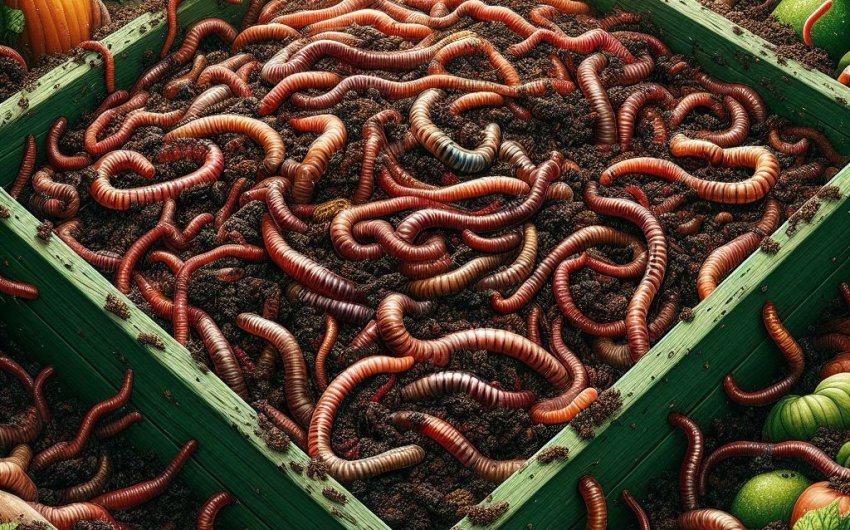
At its core, composting is about creating the perfect environment for tiny decomposers – bacteria, fungi, and worms – to do their work. They munch on your organic materials and break them down into simpler forms. The result is humus, a stable form of organic matter that enriches soil like nothing else. It’s like magic, but it's pure science at work! Good compost smells earthy and sweet, like a forest floor after rain. It should be dark brown or black and have a fine, crumbly texture.
Why is Compost Called "Black Gold"?
Compost is often called "black gold" for a very good reason. It’s incredibly valuable for your garden. It improves soil structure, helping sandy soils hold more water and clay soils drain better. It adds a slow-release supply of essential nutrients that plants love, reducing the need for chemical fertilizers. Compost also introduces beneficial microorganisms to the soil, which help plants absorb nutrients more efficiently and fight off diseases. It's truly a powerhouse for plant health and soil vitality. Applying compost is like giving your garden a multivitamin every year.
How Do You Start a Compost Pile?
Starting a compost pile is easier than you think. You need a mix of "greens" and "browns." Greens are nitrogen-rich materials like grass clippings, food scraps (fruit and vegetable peels, coffee grounds), and fresh plant trimmings. Browns are carbon-rich materials like dried leaves, shredded branches, straw, and sawdust. Aim for a ratio of roughly 2 parts browns to 1 part greens.
You can simply pile your materials in a corner of your yard, known as a "heap" or "bin." For a more structured approach, consider a compost bin. A geobin compost bin is an easy and affordable option. Layer your greens and browns, making sure to chop larger pieces into smaller ones (this speeds up decomposition). Keep the pile moist, like a wrung-out sponge, and turn it regularly with a compost aerator or pitchfork to introduce oxygen. Oxygen is key for those hard-working microbes!
What Can You Put in Your Compost Pile?
Green Materials (Nitrogen-Rich):
- Grass clippings (in thin layers to avoid matting)
- Fruit and vegetable scraps (no meat, dairy, or oily foods)
- Coffee grounds and tea bags
- Fresh plant trimmings
- Weeds (best if they haven't gone to seed, or hot compost them)
- Manure (from herbivores like chickens, cows, horses – not pets!)
Brown Materials (Carbon-Rich):
- Dried leaves
- Shredded newspaper and cardboard (non-glossy, cut into small pieces)
- Small branches and twigs (shredded or chipped)
- Straw
- Wood chips or sawdust (in moderation)
- Pine needles
What Should You Avoid in Your Compost Pile?
- Meat, bones, dairy products, and oily foods: These attract pests and can create foul odors.
- Diseased plants: Pathogens can survive the composting process and spread disease back to your garden.
- Weeds with seeds: Unless your compost pile gets hot enough to kill the seeds (around (130^\circ\text{F}) or (54^\circ\text{C})), you'll just be spreading more weeds.
- Chemically treated wood: The chemicals can leach into your compost.
- Pet waste: Can contain harmful pathogens.
- Heavily waxed paper or glossy magazines: Contain non-compostable materials.
How Long Does Composting Take?
The time it takes to create compost varies. A "hot" compost pile, which is actively managed with the right mix of materials, moisture, and turning, can be ready in a few weeks to a few months. A "cold" compost pile, where you just add materials and let nature take its course, can take six months to a year, or even longer. Speeding up the process involves chopping materials smaller, maintaining the right moisture, and turning regularly to aerate. A compost thermometer can help you monitor the internal temperature of your pile, ensuring those beneficial microbes are working optimally.
Can Mulching Be Your Yard Waste Solution?
Mulching is another fantastic way to utilize yard waste directly in your garden. It involves spreading a layer of organic material over the soil surface. It's less about breaking down into soil enrichment (like compost) and more about protecting and nurturing the soil and plants from above.
What is Mulching?
Mulching means putting a layer of material on top of the soil. This layer acts as a blanket, protecting the soil from the elements. It can be made from many different organic materials, much of which can come directly from your own yard. Think of it as giving your garden a protective, nourishing topcoat.
What Are the Benefits of Mulching?
- Weed Suppression: A good layer of mulch blocks sunlight, stopping most weeds from germinating and growing. This means less time spent weeding!
- Moisture Retention: Mulch acts like a sponge, reducing water evaporation from the soil. This means you'll water less often, saving both time and water.
- Temperature Regulation: Mulch insulates the soil, keeping it cooler in summer and warmer in winter. This protects plant roots from extreme temperatures.
- Soil Improvement: As organic mulch slowly breaks down, it adds valuable organic matter and nutrients to the soil, improving its structure and fertility over time.
- Erosion Control: Mulch helps prevent soil erosion from rain and wind, keeping your precious topsoil in place.
- Pest and Disease Control: Some mulches can deter certain pests, and a healthy layer can create an environment less favorable for some plant diseases.
What Yard Waste Makes Good Mulch?
Many types of yard waste make excellent mulch:
- Leaves: Especially shredded leaves. They break down slowly and provide great soil enrichment. You can use a leaf shredder to make them even finer.
- Grass clippings: Use thin layers, especially if fresh, to prevent matting and odors. Let them dry out a bit before applying, or mix them with other materials.
- Wood chips and shredded bark: Great for pathways and around trees and shrubs. They break down slowly. You can create these from larger branches using a wood chipper.
- Pine needles: Acidic, so good for acid-loving plants like blueberries, rhododendrons, and azaleas.
How Do You Apply Mulch Correctly?
Apply mulch in a layer 2-4 inches deep. For trees and shrubs, keep the mulch a few inches away from the trunk or stem to prevent rot and pest issues (avoid the "volcano" look). For garden beds, spread it evenly around plants. Reapply as needed, usually once or twice a year, as the mulch breaks down.
What About Leaf Mold: The Silent Soil Builder?
While leaves can be composted or used as mulch, there's a specific, highly beneficial product you can make from them: leaf mold. This isn't traditional compost; it's a unique soil amendment that primarily uses fungi to break down leaves. It's incredibly simple to make and offers distinct advantages.
What is Leaf Mold?
Leaf mold is what you get when leaves decompose slowly, mostly by fungi, in a low-nitrogen, oxygen-poor environment. Unlike compost, which is rich in a wide range of nutrients, leaf mold is primarily a fantastic soil conditioner. It's dark, crumbly, and smells like a forest floor. It's often overlooked, but it's pure gold for improving soil structure and water retention.
Why is Leaf Mold So Good for Your Garden?
- Unbeatable Soil Conditioner: Leaf mold excels at improving soil structure. It helps heavy clay soils become lighter and more workable, and it helps sandy soils hold onto water and nutrients better. It adds humus, which is the stable, long-lasting form of organic matter that makes soil healthy.
- Water Retention: It can hold an incredible amount of water, up to 500 times its own weight! This means less watering for your plants, especially during dry spells.
- Beneficial Fungi: It's rich in beneficial fungi that form partnerships with plant roots, helping them absorb nutrients and water more efficiently.
- Nutrient Retention: While not a "fertilizer" like compost, leaf mold helps the soil hold onto existing nutrients, making them more available to plants.
- Suppressing Soil-Borne Diseases: A healthy soil structure, bolstered by leaf mold, creates an environment less hospitable to many soil-borne diseases.
How Do You Make Leaf Mold?
Making leaf mold is perhaps the easiest way to transform yard waste. You essentially just need a pile of leaves and time.
- Gather Leaves: Collect as many leaves as you can in the fall.
- Shred (Optional but Recommended): While not strictly necessary, shredding the leaves with a lawnmower (run over them multiple times) or a leaf shredder will significantly speed up the process. Smaller pieces break down faster.
- Contain Them: You can simply make a large pile. For a neater approach, use a simple bin made from wire mesh, chicken wire, or even old pallets. A leaf bag designed for collecting leaves can also work, just poke holes in it for air circulation.
- Moisten: Ensure the pile is moist, like a damp sponge. If it's dry, water it thoroughly. You want it to stay moist throughout the decomposition process.
- Wait: This is the hard part! Leaf mold can take 6 months to 2 years to fully break down, depending on the type of leaves (oak leaves take longer than maple) and whether they were shredded. Turn the pile occasionally to check moisture and introduce a little air, but it doesn't require constant turning like compost.
How Do You Use Leaf Mold in the Garden?
Once ready, leaf mold is a dark, flaky material. Mix it into your garden beds to improve soil structure and water retention. Use it as a top dressing around plants, especially perennials and shrubs. It's also excellent for potting mixes, particularly for plants that prefer a light, well-draining but moisture-retentive medium. It's invaluable for starting seeds as well.
Can Yard Waste Be Used Directly as Soil Amendments?
Beyond composting, mulching, and leaf mold, some yard waste can be integrated directly into your garden beds, improving the soil with minimal processing. This method is often called "sheet composting" or "chop and drop."
What is Sheet Composting or Chop and Drop?
Sheet composting (also known as lasagna gardening) involves layering organic materials directly onto a garden bed or a new garden area. It's like building a compost pile in place. Chop and drop is a similar concept, where you simply cut down plant material (like spent annuals or cover crops) and leave them on the soil surface to decompose naturally. Both methods feed the soil directly.
What Are the Benefits of Direct Soil Amendment?
- Builds Soil Health: Continuously adds organic matter to the soil, improving its structure, fertility, and microbial life.
- Reduces Weeds: Similar to mulching, a thick layer of organic material can suppress weeds.
- Saves Work: No need to move materials to a compost pile and then back to the garden. It's less labor-intensive.
- Retains Moisture: The layers of organic material help the soil hold onto water.
- Feeds Soil Life: Provides a continuous food source for earthworms, beneficial bacteria, and fungi, which are vital for healthy soil.
What Yard Waste Works Best for Direct Application?
- Grass Clippings: Spread thinly to avoid matting.
- Fallen Leaves: Especially shredded, work them lightly into the top layer of soil or leave as a top dressing.
- Spent Annuals and Vegetable Plants: If free of disease, chop them into smaller pieces and spread them in garden beds.
- Small, Green Twigs and Prunings: Chop them finely and work them into the soil. Larger pieces take too long to break down.
How Do You Incorporate Yard Waste Directly into Soil?
For chop and drop, simply cut down plant material and leave it on the soil surface in your garden beds. For sheet composting, you'd create layers, much like a lasagna:
- Cardboard Layer: Start with a layer of wet cardboard (remove all tape and labels) to suppress existing weeds.
- Green Layer: Add a layer of nitrogen-rich materials like grass clippings or kitchen scraps.
- Brown Layer: Follow with a layer of carbon-rich materials like dried leaves or shredded newspaper.
- Repeat: Continue layering greens and browns until you reach the desired depth. You can plant directly into the top layer after a few weeks, or wait longer for the materials to break down more.
When directly amending, remember not to bury large pieces too deeply, as they can decompose anaerobically and create an unfavorable environment for plant roots. Aim to incorporate materials into the top few inches of soil, or leave them on the surface to be worked in by worms and other soil organisms.
Are There Any Special Considerations for Different Types of Yard Waste?
Not all yard waste is created equal. Some materials require a little more thought and care before being transformed into garden gold.
How to Handle Weeds in Your Yard Waste?
This is a tricky one! Weeds are indeed organic matter, but their ability to spread rapidly is a concern.
- Annual Weeds (No Seeds): If you pull annual weeds before they go to seed, they can usually be added to a hot compost pile or used in chop and drop. The goal is to kill them before they can reproduce.
- Weeds with Seeds: Avoid adding these to a cold compost pile or directly to garden beds unless you're sure your compost pile will reach and maintain temperatures of (130^\circ\text{F}) ((54^\circ\text{C})) or higher for several days. These temperatures are needed to kill weed seeds. Otherwise, you'll be spreading the problem. It's often safer to bag these for municipal disposal or solarize them (place in black plastic bags in the sun for several weeks to "cook" the seeds).
- Perennial Weeds (Rhizomes/Roots): Weeds like bindweed, quackgrass, or nutsedge with extensive root systems or rhizomes should generally be avoided in compost piles unless you are certain of very hot composting. Their root fragments can easily resprout. Solarizing them in black bags or drowning them in a bucket of water for several weeks until they decompose are safer options.
What to Do with Woody Branches and Twigs?
Larger woody materials decompose very slowly.
- Small Twigs (pencil-thin or less): These can be added to compost piles, especially if chopped or broken into smaller pieces. They can also be mixed into garden beds as a direct amendment if very small.
- Larger Branches: For anything larger than a finger, consider using a wood chipper or shredder. A Sun Joe wood chipper can turn these into valuable wood chips for mulch or carbon material for your compost pile. If you don't have a chipper, check if your local municipality has a chipping service or a drop-off site for woody debris. Alternatively, larger pieces can be used for building brush piles for wildlife habitat or for starting hugelkultur beds (see below).
How to Handle Diseased Plant Material?
Generally, it's best to avoid adding diseased plant material to your compost pile or directly to your garden beds. Many plant pathogens (fungi, bacteria, viruses) can survive the composting process, especially in cold compost piles, and can then re-infect your healthy plants. It's safer to:
- Bag and Dispose: Double-bag diseased plants and send them out with your regular trash.
- Burn (where permitted and safe): If local regulations allow and you have a safe way to do so, burning diseased material can destroy pathogens.
- Solarize: Place diseased material in clear plastic bags in direct sunlight for several weeks. The heat can kill some pathogens.
What About Pine Needles and Other Acidic Materials?
Pine needles are a common form of yard waste and are often thought to make soil acidic. While they are slightly acidic when fresh, their impact on soil pH in compost or as mulch is often overstated. As they decompose, their acidity diminishes.
- Compost: Add pine needles to your compost pile as a "brown" material. Mix them with "greens" to balance the carbon-nitrogen ratio.
- Mulch: Excellent as mulch for acid-loving plants like blueberries, rhododendrons, azaleas, and conifers. They provide a beautiful, long-lasting mulch layer.
- Direct Application: Can be mixed into the topsoil for plants that prefer slightly acidic conditions.
What Are Some Creative Ways to Use Yard Waste?
Beyond the main strategies, there are several innovative and beneficial ways to utilize yard waste to supercharge your garden.
What is Hugelkultur and How Does it Use Yard Waste?
Hugelkultur (German for "hill culture" or "mound culture") is an ancient gardening technique that involves burying large pieces of wood and other organic matter to create raised garden beds. It's a fantastic way to deal with larger woody yard waste.
- How it Works: You start by digging a trench or simply laying down logs and branches at the base. You then layer other organic materials on top: smaller twigs, leaves, grass clippings, compost, and finally, topsoil.
- Benefits: The buried wood acts like a giant sponge, slowly releasing water and nutrients as it decomposes over many years. This means less watering, improved drainage, and a steady supply of food for your plants. It creates fertile, self-sustaining raised beds perfect for vegetables, herbs, and even small shrubs. It's especially useful for improving poor soils.
Can Yard Waste Be Used to Make Garden Paths?
Absolutely! Wood chips and shredded bark from your own yard waste (or collected from neighbors or arborists) make excellent, attractive, and functional garden paths.
- Benefits: Wood chip paths suppress weeds, provide a soft walking surface, help retain moisture in the surrounding soil, and slowly break down, adding organic matter to the edges of your beds. They also look very natural and appealing in a garden setting.
- How to Do It: Simply lay down a few inches of wood chips or shredded bark over your desired path area. For extra weed suppression, you can lay down cardboard underneath.
How Can You Create a Brush Pile for Wildlife?
If you have a lot of larger branches and woody debris that you can't or don't want to chip, consider creating a brush pile in an out-of-the-way corner of your property.
- Benefits: Brush piles provide valuable habitat for a variety of wildlife, including birds (for nesting and shelter), small mammals (like rabbits and chipmunks), amphibians, and beneficial insects. They offer shelter from predators and harsh weather. As the wood slowly decomposes, it also contributes to the local ecosystem. It’s a simple way to boost biodiversity in your backyard.
What is "Chop and Drop" and How Does it Benefit Your Soil?
We touched on this earlier, but it's worth a dedicated mention as a simple, powerful direct use of yard waste.
- How it Works: Instead of removing spent plants, pruning suckers, or cutting back cover crops, you simply cut them down at the base and leave the material where it falls on the soil surface. This is particularly effective in perennial beds, around fruit trees, or in no-till vegetable gardens.
- Benefits: It's an immediate way to feed the soil. The material decomposes in place, adding organic matter, nutrients, and building the soil food web. It acts as a living mulch layer, suppressing weeds and retaining moisture. It mimics how nature works in forests, where fallen leaves and branches decompose in place, creating rich, healthy soil over time.
How Can You Automate and Simplify Yard Waste Management?
Transforming yard waste into garden gold doesn't have to be a back-breaking chore. With the right tools and strategies, you can make the process efficient and enjoyable.
What are the Best Tools for Yard Waste Transformation?
Investing in a few key tools can make a huge difference in how easily you can manage and process your yard waste.
- Lawn Mower: Your everyday lawn mower is a surprisingly versatile tool. Use it to shred leaves by running over them in your yard, or collect grass clippings. Some mowers have mulching capabilities that finely chop clippings as you mow.
- Leaf Shredder/Vacuum: For large quantities of leaves, a dedicated leaf shredder or a leaf vacuum with a shredding function can save hours of work. They reduce bulky leaves to a fraction of their size, perfect for composting or mulching.
- Wood Chipper/Shredder: If you have many branches and woody trimmings, a wood chipper is invaluable. It turns large, unwieldy branches into valuable wood chips for mulch or compost. There are electric models suitable for smaller branches and gas-powered ones for heavier duty work.
- Compost Tumbler/Bin: While a simple pile works, a compost tumbler makes turning your compost much easier and faster, often producing finished compost in a few weeks. If you prefer a static bin, a geobin compost bin is a great starting point for beginners.
- Pitchfork/Compost Aerator: Essential for turning and aerating your compost pile. A compost aerator is specifically designed to easily penetrate and lift the pile.
- Garden Gloves: Always wear gardening gloves to protect your hands when handling rough or thorny yard waste.
How Can You Simplify Composting?
- Location, Location, Location: Place your compost bin or pile in a convenient, accessible spot that gets some sun (to help heat it up) but isn't too hot that it dries out quickly. Near a water source is a bonus.
- Chop it Up: The smaller the pieces, the faster they break down. Always chop up larger materials before adding them to the compost pile.
- Maintain the Balance: Remember the "greens" and "browns" ratio. Try to add a mix as you go to keep the decomposition process efficient. If your pile smells bad (too much nitrogen/greens), add more browns. If it's not breaking down (too much carbon/browns), add more greens and water.
- Keep it Moist: The microbes need water to thrive. Your pile should feel like a wrung-out sponge. Water it if it's dry, especially during hot weather.
- Turn Regularly: Turning introduces oxygen, which is crucial for aerobic decomposition. Aim to turn your pile every week or two for faster compost. If you don't mind waiting longer, turn less frequently.
Can You Automate Mulching and Direct Soil Amendment?
While you can't fully automate these processes, you can certainly simplify them:
- Leave Grass Clippings on the Lawn: Many modern lawnmowers are designed to finely chop and disperse grass clippings back onto the lawn. This acts as a natural fertilizer and builds soil health in your lawn itself, reducing the amount of yard waste you need to manage.
- Practice "Chop and Drop": Instead of hauling pruned material, cut it up and let it fall directly where it grew. This is the ultimate in hands-off soil improvement.
- Strategic Planting: Design your garden with groundcovers and dense plantings that naturally shade the soil, reducing the need for heavy mulching in some areas.
- Centralized Processing: Have one designated area for all your yard waste processing (composting, chipping). This keeps your garden tidy and makes the work flow better.
By adopting these strategies and utilizing your yard waste wisely, you'll not only transform "trash" into garden gold but also create a healthier, more vibrant, and more sustainable garden for years to come.